Source Euro 5 Street Sweeper Truck for Municipal, Industrial, and Commercial Use
Find and compare 30 Euro 5 Street Sweeper Truck models from Chinese manufacturers. Evaluate specifications like Isuzu chassis, 130HP engines, and 2.5cbm water tanks to select the right vehicle for municipal, industrial, and commercial cleaning operations.
Key considerations
Products List

Euro 4, 5 Sweep and Suck Type Sweeping Machine Road Sweeper Washer Truck
$25000.00 - $35000.00
MOQ: 1 Pieces

Street Sweeper Truck Street Cleaners Truck City Street Cleaning Road Sweeper Truck
$34500.00 - $41500.00
MOQ: 1 SET


Heavy Duty Road Sweeper Truck for City Street and Highway Cleaning
$23000.00 - $25000.00
MOQ: 1 Pieces


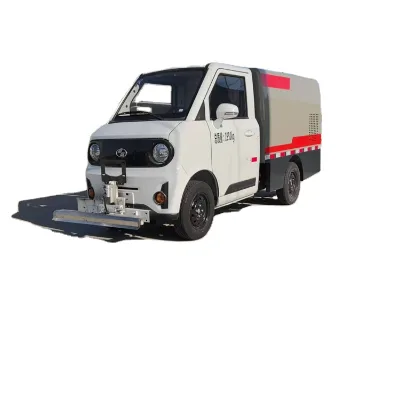

Sweeper Truck Vacuum Road Sweeper Truck Mounted Street Vacuum Road Sweeper Truck
$15000.00 - $17000.00
MOQ: 1 pieces


Neighborhood Road Cleaning Vehicle Street Cleaning Truck Multi-Functional Road Sweeper Truck
$19000.00 - $20000.00
MOQ: 1 pieces


Premium 4-6h Working Street Sweeper Truck for Urban Road Maintenance
$2500.00 - $2600.00
MOQ: 1 Pieces
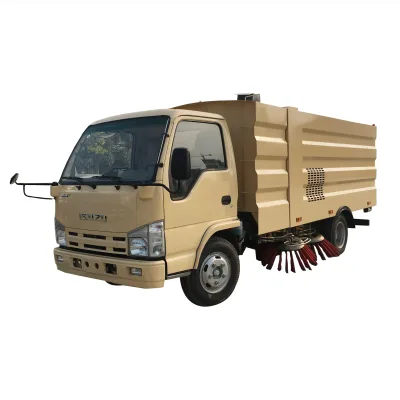
New Condition Road Sweeper Truck with Middle Brushes for Urban Cleaning
$24000.00 - $25000.00
MOQ: 1 units

Heavy-Duty Cleaning Sweeper Truck for Efficient Street Maintenance
$25580.00 - $30900.00
MOQ: 1 Pieces
Comprehensive Sourcing Guide
Euro 5 Street Sweeper Truck Sourcing Guide
Procuring a Euro 5 Street Sweeper Truck requires a disciplined approach to aligning technical specifications with operational needs and regulatory compliance. The market offers a variety of configurations, ranging from compact units to heavy-duty sweepers with substantial water and dust tank capacities. Buyers must navigate a landscape where product attributes vary significantly between models, such as the difference between a 2.5 cubic meter water tank and a 5 cubic meter dust tank, or between Isuzu chassis variants and other commercial truck platforms. Understanding these distinctions is critical for selecting a machine that matches the specific cleaning efficiency and durability requirements of your municipal or industrial fleet.
This guide provides evidence-based procurement advice for sourcing these vehicles, focusing on verified product signals, technical verification, and commercial due diligence. By leveraging observed listing data and trusted category knowledge, buyers can avoid common pitfalls associated with mismatched specifications or incomplete documentation. The following sections detail how to evaluate product scope, verify technical claims, ensure compliance, manage costs, qualify suppliers, and plan for long-term maintenance, ensuring a robust and transparent sourcing process.
Product Scope and Observed Listing Signals
The current market for street sweeper trucks presents a diverse range of models, with observed prices spanning from $2,500 to $41,500 USD. This wide variance reflects differences in chassis quality, tank capacity, and additional features such as high-pressure water pumps or specialized brush systems. For instance, some listings highlight a 130HP engine with an Isuzu 4KH1CN5HS truck engine, while others may feature different power outputs or chassis brands like the Isuzu 600P. Buyers should treat these price points as indicative of the specific configuration rather than a uniform market rate, carefully matching the listed specifications to their operational budget and performance expectations.
Observed minimum order quantities (MOQ) are consistently listed as 1 unit, indicating that suppliers are generally willing to accommodate single-unit purchases, which is typical for specialized municipal equipment. However, the absence of a standardized MOQ does not imply uniform lead times or shipping terms. Products are often described with specific packing methods, including nude packing, RoRo ship, bulk ship, or container shipping, which directly impacts logistics costs and delivery timelines. Additionally, customization is frequently available, allowing buyers to tailor features such as color, chassis brand, or tank dimensions to their specific operational needs, but this requires clear communication with the supplier to avoid misalignment in the final delivered product.
Technical Specifications to Verify
Technical verification begins with the chassis and engine configuration, which form the backbone of the sweeper’s performance. Key attributes to confirm include the truck chassis brand, such as Isuzu, and the specific engine model, like the 4KH1CN5HS, which typically delivers around 130HP. Buyers should also verify the transmission type, which is often manual, and the number of cylinders, commonly four in these configurations. The gross vehicle weight (GVW) and curb weight are critical for understanding load capacity and road legality, with some models showing a GVW of 7300kg and a curb weight of 5880kg. Ensuring these figures match your local weight regulations and road infrastructure constraints is essential for safe and legal operation.
The cleaning system’s efficiency and capacity are equally important technical factors. Look for specifications such as the sweeper clean efficiency, which may be rated at 95% or higher, and the type of cleaning process, such as cold water cleaning or wet-type systems. Tank capacities vary, with water tanks ranging from 2.5 cubic meters and dust tanks up to 5 cubic meters, depending on the model. Additional features like the high-pressure water pump, with flow rates such as 115L/Min, and the maximum suction size, often around 110mm, should be cross-referenced with your cleaning requirements. Verify the dimensions of the product, which can range from 5640mm in length to over 7000mm, to ensure the vehicle fits within your storage and operational facilities.
Compliance and Safety Documentation
Compliance with emission standards is a primary concern when sourcing Euro 5 street sweepers. Buyers must verify that the vehicle meets the specific Euro 5 emission standard, which is often linked to the diesel fuel type used. In addition to emission standards, check for relevant certifications such as CCC, CE, RoHS, and others like ISOCCC or TSEPA, which may be listed depending on the supplier and target market. These certifications indicate adherence to safety and environmental regulations, but buyers should request official documentation to confirm the validity and scope of each certificate, as listing alone does not guarantee compliance in all jurisdictions.
Safety and operational documentation should also include details on the vehicle’s structural integrity and operational controls. Verify the clutch type, such as a reinforced diaphragm clutch, and the shifting mode, which is typically manual. The tire specification, for example 7.00R20, and the traction type, such as 4x2 with left-hand drive, are critical for ensuring the vehicle is suitable for your local road conditions and driving regulations. Additionally, confirm the chassis brand and model, such as Isuzu 600P, to ensure compatibility with local parts availability and service networks. Proper documentation for these components ensures that the vehicle can be legally registered and safely operated in your region.
Cost Drivers and Commercial Terms
The cost of a street sweeper truck is influenced by several key drivers, including the chassis brand, engine power, and tank capacity. Higher-end models with larger tanks, more powerful engines, and additional features like high-pressure water pumps will naturally command higher prices. Buyers should also consider the packing method, as options like RoRo ship or container shipping can significantly impact the total landed cost. Nude packing may be cheaper but requires additional handling and protection during transit, while container shipping offers more security but at a higher cost. Understanding these variables helps in creating a more accurate total cost of ownership estimate.
Commercial terms such as payment methods, warranty, and after-sales support are critical components of the procurement process. While specific terms may vary by supplier, buyers should negotiate clear warranties for the engine, chassis, and cleaning system components. Additionally, confirm the availability of spare parts and technical support, especially for specialized components like the gear box, which may have 5 forward gears and 1 reverse. The OEM support status, if listed, can indicate the supplier’s ability to provide customized solutions or replacements, which is valuable for long-term maintenance. Clear commercial terms ensure that the initial purchase price is not offset by unexpected costs or lack of support in the future.
Supplier Qualification and Quality Control
Supplier qualification is a crucial step in ensuring the reliability of the street sweeper truck. Buyers should verify the supplier’s production capabilities, including their ability to handle customization requests and provide detailed product specifications. The origin of the product, often listed as China or specific provinces like Hubei or Jinan, can provide insights into the supplier’s industrial base and expertise. However, buyers should not rely solely on origin; instead, request detailed information about the supplier’s quality control processes, including testing procedures for the engine, chassis, and cleaning system.
Quality control measures should include pre-shipment inspections and verification of key components. Buyers should request photos or videos of the actual product, including close-ups of the engine, chassis, and cleaning system, to verify the condition and specifications. Additionally, confirm the product’s condition, which is typically listed as new, and ensure that all components are free from defects or damage. The use of trusted third-party inspection services can provide an additional layer of assurance, verifying that the product meets the agreed-upon specifications and quality standards before shipment. This proactive approach helps mitigate the risk of receiving a substandard product.
Long-Term Procurement Checks
Long-term procurement success depends on establishing a sustainable relationship with the supplier and ensuring ongoing support for the street sweeper truck. Buyers should verify the supplier’s ability to provide consistent supply of spare parts, particularly for critical components like the engine, transmission, and cleaning brushes. The availability of technical documentation, including maintenance manuals and troubleshooting guides, is essential for minimizing downtime and extending the vehicle’s lifespan. Additionally, confirm the supplier’s responsiveness to technical inquiries and their ability to provide timely support for any issues that may arise during operation.
Regular performance reviews and feedback loops with the supplier can help identify areas for improvement and ensure that the product continues to meet operational needs. Buyers should monitor the vehicle’s performance, including cleaning efficiency, fuel consumption, and maintenance requirements, and share this data with the supplier to facilitate continuous improvement. Establishing a clear communication channel for after-sales support and warranty claims is also crucial for resolving any issues quickly and efficiently. By focusing on long-term partnership and support, buyers can maximize the value and reliability of their street sweeper truck investment.
FAQs
What is the emission standard for this street sweeper truck?
The emission standard is Euro Fuel:Diesel as listed in the product specifications. This vehicle operates on diesel fuel and meets the specified Euro emission requirements for street cleaning operations.
Which certifications does the street sweeper truck hold?
The truck holds ISOCCC, TSCE, TSEPA, EEC, RoHS, CE, and CCC certifications. These documents verify compliance with international safety and environmental standards for heavy-duty cleaning vehicles.
How much water and dust capacity does the truck have?
The truck features a 2.5 cubic meter water tank and a 5 cubic meter dust tank. This capacity supports extended cleaning cycles without frequent refilling or emptying during operations.
Can the truck be customized for specific buyer needs?
Yes, customization is available for this street sweeper truck model. Buyers can request specific modifications to suit their operational requirements while maintaining the core chassis and engine specifications.
What is the horsepower and engine type of the truck?
The truck is equipped with an Isuzu 4kh1cn5HS engine producing 130 horsepower. This powertrain ensures reliable performance for heavy-duty sweeping tasks on various road surfaces.
Which transmission type is used in this street sweeper?
The vehicle uses a manual transmission type with five forward gears and one reverse gear. This setup provides the driver with direct control over speed and torque during cleaning operations.
What is the origin location of the street sweeper truck?
The product originates from China, specifically from Hubei and Jinan regions. These locations are known manufacturing hubs for heavy-duty commercial vehicles and specialized cleaning equipment.
How is the truck packed for shipping to international buyers?
The truck is packed using nude packing, Roro ship, bulk ship, or container methods. Some units may also receive wax spraying for additional protection during long-distance maritime transport.