Source 135 Degree Rear Wiper Arms for City Bus, Coach, Trucks
Find 30 verified listings for 135 Degree Rear Wiper Arms suitable for city buses, coaches, and trucks. Compare specifications like material, sweep angle, and driving type to identify the right components for your fleet needs.
Key considerations
Products List
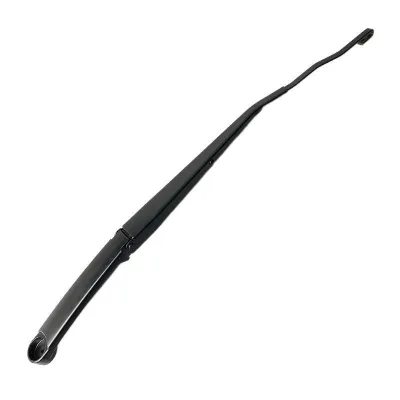


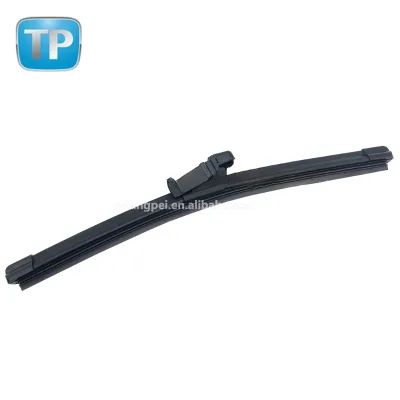
Multi Adapters Rear Wiper Blade Rear Windscreen Plastic Back Rear Wiper Blade
$1.05 - $2.00
MOQ: 100 Pieces




Comprehensive Sourcing Guide
Strategic Sourcing Guide for 135-Degree Rear Wiper Arms
The automotive aftermarket and original equipment manufacturing (OEM) sectors rely heavily on precise windshield and rear window cleaning systems to ensure operational safety. Among the critical components in this ecosystem, the 135-degree rear wiper arm represents a specialized category of mechanical and electrical actuators designed for specific vehicle geometries. Sourcing these components requires a disciplined approach that balances technical compatibility, material durability, and supply chain reliability. This guide synthesizes available market data and industry standards to assist procurement professionals in identifying, evaluating, and acquiring high-quality 135-degree rear wiper arms without relying on unverified claims or speculative data.
Technical Specifications and Design Architecture
Understanding the technical architecture of a 135-degree rear wiper arm is the first step in any sourcing strategy. The defining characteristic of this component is its sweep angle, which dictates the coverage area of the rear window. In the observed market data, specific product attributes confirm a sweep angle of 135°, distinguishing these units from standard 90° or 120° variants often found on passenger cars. This wider arc is typically engineered for larger vehicle profiles where rear visibility is compromised by roof structures or tailgate designs.
The driving mechanism for these arms varies significantly across suppliers. The market data indicates the existence of both electrical and mechanical driving types. Electrical driving types are generally preferred for heavy-duty applications where automated control and variable speed are necessary, while mechanical types rely on direct linkage to the wiper motor. The physical construction of the arm itself is equally critical. Observed specifications highlight the use of high-carbon steel for the structural material, ensuring the arm can withstand the torsional stress of the wiping motion without bending or fatigue. The joint material is frequently identified as plastic, which serves to reduce noise and vibration while providing a pivot point that allows for the necessary articulation.
Furthermore, the configuration of the arm often includes a "bone" structure, a design feature that provides rigidity and distributes the pressure evenly across the wiper blade. This is distinct from boneless designs, which may offer different pressure distribution characteristics. The application scope for these 135-degree arms is broad, covering city buses, coaches, trucks, and engineering vehicles. This versatility suggests that the component must meet rigorous performance standards to handle the varied environmental conditions encountered by commercial fleets.
Material Composition and Durability Factors
The longevity of a wiper arm is directly correlated with the quality of its constituent materials. In the context of 135-degree rear wiper arms, the primary structural material is high-carbon steel. This material choice is essential for maintaining the arm's shape under the high loads generated during the wiping cycle. The data also references stainless steel variants, which offer superior corrosion resistance, a critical factor for vehicles operating in coastal or high-humidity environments.
The connection points and joints are equally important. The observed specifications list plastic as the joint material, which acts as a buffer against metal-on-metal wear. However, the quality of this plastic is a variable that buyers must verify. Low-grade plastics can degrade under UV exposure or extreme temperatures, leading to joint failure. Additionally, the wiper blade itself, which attaches to the arm, often utilizes natural rubber or full rubber compounds. The material of the blade is specified as natural rubber in some listings, which provides excellent flexibility and cleaning performance on wet surfaces. The presence of a spoiler, described as nature rubber in the data, helps maintain consistent blade pressure against the glass, particularly at higher speeds or on curved surfaces.
Packaging also plays a role in material protection. Products are observed to be shipped in various configurations, including natural packages, polybags, paper boxes, blister boxes, and master cartons. The choice of packaging should align with the logistics chain; for instance, master cartons are suitable for bulk shipping, while blister boxes may be preferred for retail-ready units. The standard weight of some components is noted as 0.91kg, which serves as a baseline for logistics planning but should be treated as a specific observation rather than a universal standard for all 135-degree arms.
Compliance, Certification, and Quality Verification
When sourcing automotive components, verifying compliance and quality is non-negotiable. While the provided data does not list specific third-party certifications (such as ISO or TUV), it does emphasize internal quality control measures. One high-confidence fact states that products undergo "100% Professional Tested" procedures. This assertion implies a rigorous in-house testing regimen, but buyers must request detailed test reports to validate the scope of these tests. Buyers should specifically inquire about the parameters tested, such as fatigue life, sweep angle accuracy, and material tensile strength.
The product standard is another area requiring careful verification. The data mentions a standard of "0.91kg" and "12"/305mm," which likely refers to weight and size specifications for specific models rather than a universal industry standard. Buyers should not assume that a product labeled with these numbers meets international safety regulations without further documentation. Instead, procurement teams should request evidence of compliance with relevant automotive standards, such as those governing wiper performance and durability.
In terms of origin, the data consistently points to China, with specific mentions of Ningbo and Xiamen as production hubs. These regions are known for their manufacturing capabilities in automotive parts. However, the "Place of Origin" is a factual observation that does not guarantee quality. Buyers must evaluate the specific factory's track record, production capacity, and quality management systems. The warranty period observed in the market is 12 months, which serves as a baseline expectation for product reliability. Any supplier offering a warranty shorter than this should be scrutinized, while those offering longer terms may demonstrate higher confidence in their product quality.
Cost Drivers and Pricing Dynamics
The pricing of 135-degree rear wiper arms is influenced by a complex interplay of factors, including material costs, manufacturing complexity, and order volume. The observed price range in the market spans from $0.01 to $100 USD. This wide variance indicates that the market includes both low-cost, basic components and high-end, specialized units. The lower end of the spectrum likely corresponds to simple mechanical arms with standard materials, while the higher end may include electrical variants with advanced features or premium materials like stainless steel.
Minimum Order Quantity (MOQ) is a significant cost driver. The observed MOQ range is between 1 and 3000 units. Suppliers with an MOQ of 1 are typically suited for small businesses or replacement part orders, whereas those requiring 3000 units are targeting large-scale OEM contracts. Buyers must align their order volume with the supplier's MOQ to optimize unit costs. Additionally, the customization availability noted in the data suggests that bespoke designs will incur higher costs due to tooling and setup fees.
Payment terms also impact the financial dynamics of the transaction. The data lists "Tt Wu Moneygram" as a payment item, which refers to telegraphic transfer and money transfer services. Buyers should be aware of the risks associated with these payment methods and consider using more secure trade assurance options or letters of credit for large transactions. The delivery time, observed as 3-7 working days, is relatively short, which can reduce inventory holding costs but may increase shipping expenses if expedited freight is required.
Typical Applications and Vehicle Compatibility
The 135-degree rear wiper arm is not a universal component; it is designed for specific vehicle types where the rear window geometry necessitates a wider sweep. The application data explicitly lists city buses, coaches, trucks, and engineering vehicles. These vehicles often have large, flat, or slightly curved rear windows that require extensive coverage to maintain visibility in adverse weather conditions. The "Double Side" range mentioned in the data suggests that some models are designed to clean both sides of a split rear window, a common feature in larger buses and coaches.
For engineering vehicles, the robustness of the arm is paramount. These vehicles operate in harsh environments with high levels of dust, mud, and vibration. The high-carbon steel construction and the "With Bone" design provide the necessary durability to withstand these conditions. The "Overall" range application indicates that some models are versatile enough to fit a wide variety of vehicle types, while others are specialized for specific makes or models. Buyers must verify the compatibility of the wiper arm with the specific vehicle model they are servicing, paying close attention to the mounting interface and the sweep angle requirements.
Supplier Evaluation and Quality Control Protocols
Selecting the right supplier is critical to ensuring a steady supply of high-quality wiper arms. The data indicates that customization is available, which is a strong indicator of a supplier's flexibility and technical capability. However, buyers should not rely solely on this claim. A robust supplier evaluation process should include a review of the supplier's production capacity, quality control systems, and track record. The "100% Professional Tested" claim should be validated through on-site audits or third-party inspections.
Quality control protocols should cover the entire production process, from raw material sourcing to final packaging. Buyers should verify that the high-carbon steel used meets specific grade requirements and that the plastic joints are resistant to wear and UV degradation. The packaging method, whether it be a polybag, paper box, or wood box, should be evaluated for its ability to protect the product during transit. The "Wood Box" packaging observed in the data suggests a higher level of protection for heavy or delicate items, which may be necessary for certain wiper arm models.
Lead times and delivery methods are also key factors in supplier evaluation. The observed delivery time of 3-7 working days is competitive, but buyers should confirm this timeline for their specific order volume and destination. The available delivery methods, including DHL, TNT, UPS, EMS, and FedEx, offer flexibility in shipping. Buyers should negotiate terms that balance speed and cost, ensuring that the delivery method aligns with their inventory management strategy.
Long-Term Procurement Considerations
Sourcing 135-degree rear wiper arms is not a one-time transaction but a long-term partnership that requires ongoing management. Buyers should consider the total cost of ownership, which includes not only the purchase price but also the cost of maintenance, replacement, and potential downtime. The 12-month warranty provides a baseline for product reliability, but buyers should negotiate extended warranty terms for large contracts to mitigate risk.
Inventory management is another critical consideration. Given the wide MOQ range, buyers can optimize their inventory levels by balancing bulk orders with smaller, more frequent purchases. The availability of customization allows buyers to tailor products to their specific needs, reducing the risk of obsolescence. However, customization also introduces complexity into the supply chain, requiring careful planning and communication with the supplier.
Finally, buyers should stay informed about industry trends and technological advancements. The evolution of wiper systems, including the shift towards electrical driving types and the integration of smart sensors, may impact the demand for traditional mechanical arms. By maintaining a proactive approach to supplier relationships and market analysis, buyers can ensure a reliable supply of high-quality 135-degree rear wiper arms that meet the evolving needs of the automotive industry.
Comparative Analysis of Product Attributes
To facilitate a clearer understanding of the market landscape, the following table summarizes the key attributes observed in the 135-degree rear wiper arm sector. This comparison highlights the diversity in specifications and helps buyers identify the most suitable options for their specific requirements.
| Attribute | Observation 1 | Observation 2 | Observation 3 |
|---|---|---|---|
| Sweep Angle | 135° | 80° | 12"/305mm (Size) |
| Driving Type | Electrical | Mechanical | Electrical |
| Material | High Carbon Steel | Zinc Alloy | Stainless Steel |
| Application | City Bus, Coach, Trucks | Car, Engineering Vehicle | Car, City Bus, Coach |
| Warranty | 12 Months | 12 Months | 12 Months |
| Packaging | CTN, Polybag | Paper Box, Blister Box | Wood Box, Master Cartons |
| Origin | China (Ningbo, Xiamen) | China | China |
This table illustrates that while the 135-degree sweep angle is a defining feature for the target keyword, other attributes vary significantly. Buyers must carefully match these attributes to their specific vehicle requirements and operational needs. By leveraging this data-driven approach, procurement professionals can make informed decisions that enhance the reliability and performance of their wiper systems.
FAQs
What is the typical sweep angle for 135 Degree Rear Wiper Arms?
The typical sweep angle is 135 degrees, designed for larger vehicle profiles like city buses and coaches. This wider arc ensures better rear visibility compared to standard 90 or 120 degree variants found on passenger cars.
Which materials are used for the structural components of these arms?
High-carbon steel is the primary structural material to withstand torsional stress during wiping. Some variants use stainless steel for superior corrosion resistance, while joints are often made of plastic to reduce vibration.
Can these wiper arms be customized for specific vehicle requirements?
Yes, customization is available for specific vehicle geometries and mounting interfaces. Buyers should verify the supplier's capacity for bespoke designs, as this may involve additional tooling costs and adjusted lead times.
How long is the warranty period for these automotive components?
The standard warranty period observed in the market is 12 months. This baseline indicates product reliability, though buyers should request detailed test reports to validate the scope of the professional testing procedures.
What is the typical delivery time for orders of these wiper arms?
The typical delivery time is 3 to 7 working days from the point of order confirmation. This short lead time helps reduce inventory holding costs but may require expedited shipping for international destinations.
Which driving types are available for 135 Degree Rear Wiper Arms?
Both electrical and mechanical driving types are available depending on the application. Electrical types are preferred for heavy-duty automated control, while mechanical types rely on direct linkage to the wiper motor.
What is the minimum order quantity for purchasing these wiper arms?
The minimum order quantity ranges from 1 to 3000 units depending on the supplier. Small businesses can order single items, while large-scale OEM contracts typically require higher volume commitments.
Where are these wiper arms typically manufactured and sourced from?
These components are primarily manufactured in China, with specific production hubs in Ningbo and Xiamen. Buyers should evaluate the specific factory's quality management systems rather than relying solely on the origin location.