Source Euro Used Crane Truck for construction, mining, and logistics
Explore 30 listings of Euro Used Crane Truck options with varying capacities and conditions. Buyers can compare specifications, manufacturing years, and chassis types from suppliers in China to find suitable equipment for heavy lifting tasks.
Key considerations
Products List


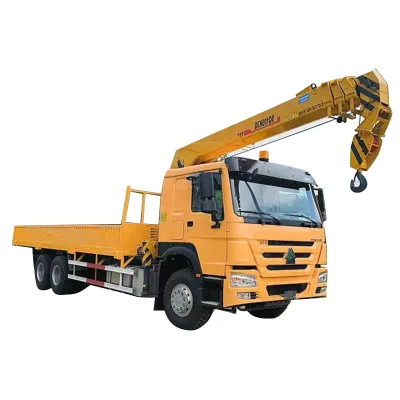


50 Ton Capacity: Used Truck Crane Hydraulic Mobile Crane Excellent Buy
$42000.00 - $86000.00
MOQ: 1 Pieces


Construction Truck Crane 25 Ton New Crane Truck 20 Ton New Crane Truck
$44532.00 - $46095.00
MOQ: 1 SET


Used Truck-Crane Second-Hand 100 Tons Truck Crane Truck Mounted Crane
$32500.00 - $38620.00
MOQ: 1 UNIT


Well-Maintained Used Hydraulic Crane Second Hand Crane Truck Ready to Use
$20300.00 - $20700.00
MOQ: 1 Pieces


Comprehensive Sourcing Guide
Strategic Sourcing Guide for Euro Used Crane Trucks
Understanding the Market Landscape and Product Variants
The procurement of used crane trucks, particularly those associated with Euro emission standards, requires a nuanced understanding of the available inventory and the specific technical configurations that define value in the secondary market. The current market presents a diverse array of units, ranging from heavy-duty concrete pumping equipment to versatile mobile crane trucks. Buyers must distinguish between different operational types, such as the dry and semi-dry shotcrete types observed in the inventory, which serve distinct construction niches. The core keyword "Euro Used Crane Truck" often leads buyers to units manufactured in China, specifically from regions like Hunan and Shandong, where major manufacturers like Zoomlion and Sanny have a significant presence.
The observed product data reveals a wide spectrum of manufacturing years, from 2011 to 2021. This chronological spread is critical for buyers, as it directly correlates with the emission standards and the remaining operational lifespan of the machinery. For instance, units from 2011 and 2015 often carry different mechanical wear profiles compared to the 2020 and 2021 models. The chassis brands identified include Zoomlion and Sanny, with specific models like the 2014 Zoomlion 220t and the 2015 Sanny 220t representing the heavy-lifting segment. Conversely, lighter configurations such as the 2021 Zoomlion 95t and the 2020 Sanny 55t offer different operational envelopes. The color variations, including white, yellow, and red, are aesthetic choices but can also indicate previous fleet usage or specific regional branding.
Technical Specifications and Operational Capabilities
When evaluating a used crane truck, the technical specifications provided in the product listing are the primary indicators of suitability for a specific job site. The data indicates that these machines often feature hydraulic machining processes, which are essential for the smooth operation of lifting arms and stabilizers. The structural design varies, with options including spiral types and rotor types, which influence how the machine handles materials or loads. For example, the vibrating amplitude is a critical metric for equipment used in material handling, with observed values ranging from 2.0mm to 2.6mm. These figures must be verified against the specific requirements of the intended application to ensure the machine can handle the necessary load cycles without premature failure.
Dimensions are another vital aspect of the technical evaluation. The standard dimensions observed in the inventory vary significantly based on the model and capacity. For instance, one unit is listed with dimensions of 999025303950mm, while another measures 1080025303530mm. Larger models, such as the qay180k and qay240k, have even more substantial footprints, measuring 16500×3000×4050 mm and 18300×3200×4250 mm respectively. These dimensions dictate the transport logistics and the space required for deployment on a construction site. The feeding height is another specific attribute, with observed values of 1380mm and 1400mm, which determines the accessibility of the machine for loading operations.
The power source for these units is predominantly diesel, a standard choice for heavy machinery due to its torque characteristics and fuel availability. The transmission type is typically manual, which requires an operator with specific skills to manage gear shifts under load. The material composition is generally steel, ensuring durability but also adding to the overall weight. Buyers must cross-reference these specifications with their operational needs, ensuring that the crane's lifting capacity, reach, and stability match the project requirements.
Compliance, Emission Standards, and Certification Verification
Compliance with emission standards is a primary concern for buyers seeking "Euro" classified equipment. The inventory data explicitly mentions an emission standard of Euro 2 for certain models. This is a crucial piece of information for buyers operating in regions with strict environmental regulations. Euro 2 is an older standard, and while it may be acceptable in some jurisdictions, it might not meet the requirements for urban centers or countries with more stringent environmental laws. Buyers must verify the specific emission certification of the unit they intend to purchase, as the "Euro" label in the search keyword does not guarantee a specific emission tier without explicit documentation.
Certification status is equally important for legal and safety compliance. The provided data lists CE certification for specific models, such as the ZZ1257V5847B1. The CE mark indicates that the product meets EU safety, health, and environmental requirements. However, buyers should not assume that all listed units possess this certification. It is essential to request the actual certificate of conformity from the supplier to validate the claim. The absence of a specific certification in the listing should trigger a request for verification rather than an assumption of compliance.
Furthermore, the manufacturing year plays a significant role in determining the applicable emission standards. A 2011 model is unlikely to meet modern Euro 6 standards, whereas a 2021 model might. Buyers must understand the regulatory landscape of their target market and ensure that the specific unit's manufacturing date and emission standard align with local laws. Failure to do so can result in fines, operational bans, or the inability to register the vehicle for road use.
Cost Drivers and Pricing Dynamics
The pricing of used crane trucks is influenced by a complex interplay of factors, including the manufacturing year, condition, brand reputation, and specific technical specifications. The observed price range in the market is substantial, spanning from $15,200 to $250,000. This wide variance reflects the difference between smaller, older units and large, newer, high-capacity machines. The condition of the equipment is a primary driver of cost. Units listed as "New" or in pristine condition command higher prices, while those marked as "Used" with visible wear may be priced lower. However, a lower price does not always equate to better value if the maintenance history is poor.
The brand of the chassis and the crane manufacturer also significantly impact pricing. Zoomlion and Sanny are prominent brands in the market, and their units often retain value better than lesser-known brands due to parts availability and service networks. The capacity of the crane, such as the 220t versus the 35t models, is another major cost factor. Higher capacity cranes require more robust engineering and materials, leading to higher initial and residual values.
Buyers should also consider the packaging and shipping costs, which can vary based on the dimensions of the unit. Some units are listed with "Nude Packing," while others require "Load Container" shipping. The dimensions of the unit directly affect the logistics cost, as larger units may require specialized transport solutions. Additionally, the location of the origin, such as Hunan or Shandong, China, can influence the shipping timeline and costs. Buyers must factor in these logistical expenses when calculating the total cost of ownership.
Typical Applications and Operational Suitability
Used crane trucks serve a wide range of applications in the construction, infrastructure, and industrial sectors. The specific model and configuration determine the suitability for different tasks. For example, the 220t crane trucks are ideal for heavy industrial projects, such as bridge construction, large-scale building erection, and port operations where massive loads need to be lifted. The 95t and 55t models are more suited for mid-sized construction projects, utility work, and general infrastructure maintenance.
The shotcrete types, including dry and semi-dry varieties, indicate that some units in the inventory are specialized for concrete pumping and spraying applications. These are critical for tunnel construction, slope stabilization, and underground mining projects. The feeding height and vibrating amplitude are key parameters for these applications, ensuring that the concrete is delivered efficiently and with the required consistency.
The straight arm type and the specific dimensions of the crane also dictate its operational range. Units with larger dimensions and higher lifting capacities are necessary for projects requiring significant reach and load handling. Buyers must assess their specific project requirements, including the height of the structures, the weight of the materials, and the accessibility of the site, to select the most appropriate crane truck.
Supplier Evaluation and Quality Control Protocols
Evaluating suppliers of used crane trucks requires a rigorous approach to ensure the quality and reliability of the equipment. Buyers should verify the supplier's reputation, experience, and track record in the industry. While specific supplier names should not be recommended, buyers can look for indicators of reliability, such as detailed product descriptions, clear communication, and a history of successful transactions.
Quality control is paramount when purchasing used machinery. Buyers should insist on a comprehensive inspection report that includes details on the engine, transmission, hydraulic system, and structural integrity. The manufacturing year and condition are critical indicators, but a physical inspection is necessary to confirm the actual state of the equipment. Buyers should verify the maintenance history, looking for records of regular servicing, part replacements, and any major repairs.
The certification and emission standard documentation must be reviewed carefully. Buyers should request copies of the CE certificates and emission compliance documents to ensure they meet the regulatory requirements of their region. Additionally, buyers should consider the availability of spare parts and service support for the specific brand and model. A machine that is difficult to maintain or repair can become a financial burden, regardless of its initial purchase price.
Long-Term Procurement and Total Cost of Ownership
Procuring a used crane truck is a long-term investment that requires careful consideration of the total cost of ownership (TCO). The initial purchase price is only one component of the TCO. Buyers must factor in ongoing costs such as fuel, maintenance, repairs, insurance, and regulatory compliance. Older units, while cheaper to purchase, may incur higher maintenance costs and have a shorter remaining lifespan. Newer units, while more expensive, may offer better reliability and lower operating costs.
The emission standard is a critical factor in long-term procurement. Units with older emission standards may face restrictions or bans in certain regions as environmental regulations tighten. Buyers should consider the future regulatory landscape and the potential costs associated with upgrading or replacing the unit if it becomes non-compliant.
Resale value is another important consideration. Brands with strong reputations and high demand, such as Zoomlion and Sanny, tend to retain value better. Buyers should research the market trends for the specific model and brand to estimate the potential resale value. This information can help in making a more informed decision about the long-term viability of the investment.
In conclusion, sourcing a Euro Used Crane Truck requires a meticulous approach that balances technical specifications, compliance requirements, cost factors, and long-term operational needs. By carefully evaluating the available inventory and verifying all claims, buyers can make informed decisions that ensure the successful execution of their projects while managing risks and costs effectively. The diverse range of options available in the market offers opportunities for buyers to find equipment that meets their specific requirements, provided they conduct thorough due diligence and maintain high standards of quality control throughout the procurement process.
FAQs
What emission standards do these used crane trucks meet?
Some listed units meet the Euro 2 emission standard, but this is not universal across all models. Buyers must verify the specific certification for each vehicle, as older models from 2011 may not comply with stricter modern regulations.
Which chassis brands are available for these crane trucks?
The inventory includes trucks with Zoomlion and Sanny chassis brands. These manufacturers are prominent in the market, offering varying capacities from 35t to 220t depending on the specific model year and configuration.
How does the manufacturing year affect the equipment condition?
Manufacturing years range from 2011 to 2021, directly impacting the machine's condition and remaining lifespan. Units listed as new from 2021 differ significantly in wear profiles compared to used models from 2011 or 2015.
Can I find crane trucks with CE certification in this list?
Yes, specific models like the ZZ1257V5847B1 are listed with CE certification. However, buyers should not assume all units possess this mark and must request actual certificates of conformity to validate compliance.
What is the observed price range for these used units?
The observed price range spans from 15,200 to 250,000 USD. This variance reflects differences in manufacturing year, condition, brand reputation, and lifting capacity, such as the 35t versus 220t models.
Where are these crane trucks manufactured or located?
The products originate from Hunan and Shandong provinces in China. These locations are known for major manufacturers like Zoomlion and Sanny, influencing the specific models and availability in the inventory.