Source Excavator Hydraulic Filter for Construction Machinery
Find 30 options for the Excavator Hydraulic Filter suitable for construction machinery, engines, and excavators. Buyers can compare specifications including working pressure, filtration precision, and material composition to select the right component for their hydraulic oil circulation system.
Key considerations
Products List


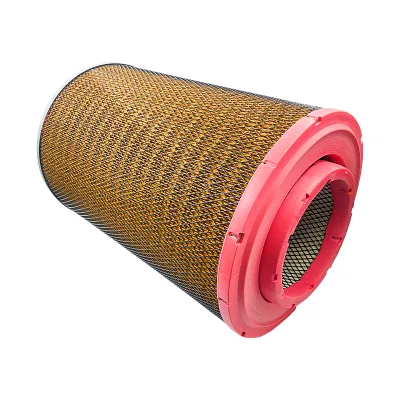
High Quality Hydraulic Oil Filter H-2714 Excavator Filter Hydraulic Filter
$4.92 - $5.66
MOQ: 100 Pieces




Comprehensive Sourcing Guide
Strategic Sourcing Guide for Excavator Hydraulic Filters
Understanding Technical Specifications and Mechanical Principles
When sourcing hydraulic filters specifically for excavators, buyers must first establish a clear understanding of the technical parameters that define filter performance. The core function of these components is to maintain the integrity of the hydraulic oil circulation system by removing solid-liquid separation contaminants, oil impurities, and facilitating oil-water separation. The mechanical principle employed varies across the market; while some units utilize adsorption mechanisms for advanced filtration, others rely on ordinary mechanical principles. Buyers should verify which principle aligns with their specific machinery requirements, as the choice directly impacts the longevity of the hydraulic system.
The filtration precision is a critical metric that cannot be overlooked. Available data indicates specific models operate with a filtration precision of 10 microns, a standard threshold for many heavy-duty applications. However, other listings may simply state "Filtration Precision" without a numerical value, requiring the buyer to request specific test data. The working pressure capacity is another vital specification; observed data points to a working pressure of 145, which serves as a benchmark for high-pressure hydraulic systems. Similarly, the operation temperature range is significant, with some units rated for temperatures up to 248 degrees, ensuring stability under extreme thermal loads common in construction environments.
The type of filter selected must match the application. The market offers suction filters designed for intake protection and press filters for high-volume separation. For excavators, the applicable system is predominantly the hydraulic oil circulation system, though some units are designed for dual use in hydraulic and fuel systems. The physical dimensions, often listed as standard or specific length-width-height ratios, must be cross-referenced with the equipment's housing to ensure a proper fit. Material composition is equally important; filters are constructed from a combination of aluminum, iron, plastic, and rubber, each offering different resistance properties against corrosion and chemical degradation.
Compliance, Certification, and Standard Verification
Ensuring that a hydraulic filter meets international and industry standards is a non-negotiable step in the procurement process. While general background knowledge often references ISO 9001, buyers must verify the actual certification status of the specific supplier and product batch. The provided data confirms that some products carry CE and ISO9001 certifications, with a condition noted as "New." This distinction is crucial, as it implies the certification applies to the manufacturing process and the current stock condition rather than a historical claim.
Standards for packaging and product construction also vary. Some listings specify a "Standard Package" or "Carton or Wooden Box," while others mention "Standard" as a product standard or "Customization" as a standard for specific orders. The presence of a "0.35" standard in the data is ambiguous without further context, suggesting that buyers should not assume a specific numerical standard applies universally. Instead, the procurement strategy should focus on verifying that the supplier adheres to the specific standard required by the excavator manufacturer.
Compliance extends to the application environment. Filters intended for the construction machinery sector must withstand the rigorous demands of excavators, wheel loaders, and other heavy equipment. The data indicates that these filters are applicable in industries such as metallurgy, textile, medicine, and food and beverage, in addition to general construction. This versatility suggests that the filtration technology is robust, but buyers must ensure the specific model is rated for the high-stress environment of an excavator engine. The "High-Quality" attribute observed in several listings serves as a qualitative indicator, but it must be backed by verifiable documentation rather than marketing language.
Cost Drivers and Pricing Structures
The pricing of excavator hydraulic filters is influenced by a complex array of factors, including material costs, customization levels, and order volume. The observed price range in the market spans from 1 to 100 USD, reflecting the diversity of products from basic elements to sophisticated, high-precision units. This wide range indicates that cost is not solely determined by the physical size of the filter but by the internal technology, such as the "Sophisticated Filters" mentioned in the performance attributes.
Minimum Order Quantity (MOQ) is a significant driver of total procurement cost. The data shows a wide MOQ range, from as low as 1 piece to as high as 300 pieces. Suppliers offering an MOQ of 1 piece are ideal for maintenance teams needing immediate replacements or for testing new suppliers. Conversely, bulk buyers may find better unit economics with suppliers requiring an MOQ of 100 to 300 units. The "Small Orders: Accepted" attribute suggests flexibility in the market, allowing buyers to manage cash flow more effectively by purchasing smaller quantities without incurring prohibitive setup fees.
Customization is another key cost factor. The availability of customization options allows buyers to tailor filters to specific excavator models, such as those with model numbers like 22L-60-22120 or 590-9787. However, customized orders often come with higher unit costs and potentially longer lead times compared to standard "Hydraulic Filter" or "Oil filter" stock items. The "Communicate" packing attribute implies that packaging costs may be negotiable or variable based on the buyer's specific shipping requirements, which can further influence the final landed cost.
Typical Applications and Operational Environments
Excavator hydraulic filters are designed to operate in some of the most demanding environments in the industrial sector. The primary application is within the hydraulic systems of construction machinery, including excavators, wheel loaders, and engines. The walking mode of the equipment, whether crawler or wheeled, dictates the vibration and shock loads the filter must endure. Filters must be robust enough to handle the continuous operation of these machines without failure.
Beyond construction, the data indicates that these filters are applicable in the metallurgy, textile, medicine, and food and beverage industries. This cross-industry applicability suggests that the filtration technology is versatile and capable of handling various fluid types and contamination levels. For instance, in the food and beverage sector, the filter material must be compatible with sanitary standards, while in metallurgy, it must resist abrasive particles. The "Excellent Service" attribute often associated with these applications highlights the need for reliable after-sales support, as downtime in these sectors can be extremely costly.
The specific model numbers found in the market, such as 4120000304, 531B0100H02, and 9610112-23401-m, correspond to specific excavator configurations. Buyers must match these model numbers precisely to ensure compatibility. The "Hydraulic Filter Element" designation further clarifies that these are replaceable components within a larger filtration assembly. Understanding the specific application context helps in selecting the correct filtration precision and mechanical principle, ensuring that the filter performs optimally under the specific load conditions of the intended machinery.
Supplier Evaluation and Quality Assurance
Evaluating a supplier for hydraulic filters requires a multi-faceted approach that goes beyond price comparison. The "Quality: High-Quality" attribute is a common claim, but buyers must verify this through tangible evidence. This includes checking for valid certifications like CE and ISO9001, which were observed in the product data. The condition of the product, noted as "New," is also a critical factor, as refurbished or used parts should be avoided for critical hydraulic systems.
Sample orders are a valuable tool for supplier evaluation. The data confirms that "Sample Order: Yes" is available, with a delivery time for samples ranging from 3 to 15 days. This allows buyers to physically inspect the filter, verify the material composition (aluminum, iron, plastic, rubber), and test the filtration precision before committing to a larger order. The "Small Orders: Accepted" policy further supports this evaluation process, enabling buyers to test the supplier's responsiveness and logistics capabilities.
Service quality is another essential criterion. The "Excellent Service" attribute suggests that suppliers should provide technical support, timely communication, and reliable delivery. The "Communication" aspect of the packing attribute implies that the supplier should be open to discussing specific requirements, such as custom packaging or labeling. Buyers should also verify the "Delivery for Sample" lead time as an indicator of the supplier's overall logistics efficiency. A supplier that can deliver samples within 3 to 15 days is likely to have a streamlined production and shipping process.
Long-Term Procurement Considerations and Inventory Management
Sourcing hydraulic filters is not a one-time transaction but part of a long-term maintenance strategy. The "Customization: Available" attribute indicates that suppliers can adapt to changing equipment needs, which is beneficial for fleets with mixed models or aging machinery. However, buyers must consider the lead times associated with customized orders versus standard stock. While standard "Hydraulic Filter" items may be readily available, custom models might require longer production cycles.
Inventory management is crucial for minimizing downtime. The wide MOQ range, from 1 to 300 pieces, allows buyers to balance inventory costs with the risk of stockouts. For critical excavators, maintaining a buffer stock of standard filters is advisable. The "Standard Package" and "Carton or Wooden Box" options provide flexibility in storage and shipping, ensuring that filters remain in "New" condition until installation.
The "Working Pressure" and "Operation Temperature" specifications should be reviewed periodically to ensure they remain suitable for the equipment as it ages or undergoes modifications. As machinery wears, the internal clearance may change, potentially requiring filters with different precision levels. The "Sophisticated Filters" and "Efficient Filtration" attributes suggest that upgrading to higher-performance filters can extend the life of the hydraulic system, reducing long-term maintenance costs.
Comparative Analysis of Filter Attributes
To assist in decision-making, the following table summarizes key attributes observed in the market for excavator hydraulic filters. This comparison highlights the variability in specifications and helps buyers identify the most suitable options for their specific needs.
| Attribute | Observation A | Observation B | Observation C |
|---|---|---|---|
| Mechanical Principle | Adsorption | Ordinary | N/A |
| Filtration Precision | 10 microns | Variable (Generic) | N/A |
| Working Pressure | 145 | N/A | N/A |
| Operation Temperature | 248 | N/A | N/A |
| Type | Suction Filter | Press Filter | Hydraulic Filter Element |
| Material | Aluminum, Iron, Plastic, Rubber | N/A | N/A |
| Certification | CE, ISO9001 | N/A | N/A |
| MOQ | 1 Piece | 100-300 | N/A |
| Packing | Carton / Wooden Box | Standard Package | In Nude |
| Sample Delivery | 3-15 Days | N/A | N/A |
This table illustrates that while some filters offer high precision and specific pressure ratings, others may rely on generic specifications. Buyers must carefully match these attributes to their excavator's requirements. The presence of "Customization" and "Small Orders" in the data suggests a flexible market, but the variability in standards and packaging requires diligent verification. By focusing on these concrete attributes, buyers can make informed decisions that ensure the reliability and efficiency of their hydraulic systems.
FAQs
What is the working pressure capacity of these filters?
The observed working pressure capacity is 145, which serves as a benchmark for high-pressure hydraulic systems. This specification ensures stability under the extreme thermal loads common in construction environments for excavators.
Which filtration precision levels are available for these units?
Specific models operate with a filtration precision of 10 microns, a standard threshold for many heavy-duty applications. Other listings may state filtration precision generally, requiring buyers to request specific test data for verification.
Can I order samples before committing to a bulk purchase?
Yes, sample orders are accepted with a delivery time ranging from 3 to 15 days. This allows buyers to physically inspect the filter and verify material composition before committing to larger orders.
What certifications do the manufacturers typically hold?
Some products carry CE and ISO9001 certifications, with a condition noted as New. Buyers must verify the actual certification status of the specific supplier and product batch rather than assuming universal compliance.
How does the MOQ vary for different suppliers?
The minimum order quantity ranges from 1 piece to 300 pieces depending on the supplier. Suppliers offering an MOQ of 1 piece are ideal for maintenance teams needing immediate replacements or testing new suppliers.
What materials are used to construct these hydraulic filters?
Filters are constructed from a combination of aluminum, iron, plastic, and rubber. Each material offers different resistance properties against corrosion and chemical degradation required for the hydraulic oil circulation system.
Are customization options available for specific excavator models?
Customization is available to tailor filters to specific excavator models and requirements. Customized orders often come with higher unit costs and potentially longer lead times compared to standard stock items.