Find Excavator Hydraulic Main Pump for Excavator, Loader, Dozer
Source 30 units of Excavator Hydraulic Main Pump from verified suppliers offering models like K3V112DTP and HGBP2037. Compare specifications including flow rates, connection types, and certifications such as CE and ISO9001 for crawler excavators, loaders, and dozers.
Key considerations
Products List


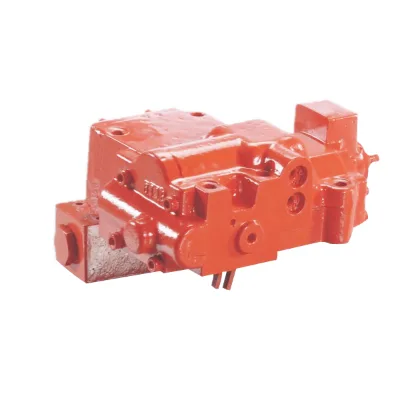


$100.00
MOQ: 1 Pieces


Comprehensive Sourcing Guide
Strategic Sourcing Guide for Excavator Hydraulic Main Pumps
Understanding Technical Specifications and Model Variations
When sourcing an Excavator Hydraulic Main Pump, the primary objective is to match the component's internal architecture to the specific demands of the host machine. The market presents a diverse array of model numbers that often confuse procurement teams, yet these identifiers are critical for operational compatibility. Based on observed industry data, specific model designations such as K3V112DTP-9C79-14T, K3V112DTP-HN2M-14T, and K3V112DTP-9TDL-14T represent distinct variants within the hydraulic pump ecosystem. These models frequently appear alongside the K3V140DTP-9N-17T, indicating a range of displacement and pressure ratings suitable for different excavator classes.
Beyond the alphanumeric model codes, buyers must scrutinize the fundamental performance metrics. The rated flow rate is a critical parameter, with observed specifications indicating a standard of 25 L/H, while maximum flow rates can reach up to 30 L/H. This variance suggests that the pump's output is not a single fixed value but depends on the specific configuration and the engine speed of the excavator. Furthermore, the pump type is universally identified as a fuel pump in certain contexts, though in the realm of hydraulic systems, this often refers to the drive mechanism or the specific fluid handling capability. The connection type is predominantly flange, which dictates the mounting interface and the sealing requirements for the hydraulic lines.
The physical construction also plays a pivotal role in performance. The gear mesh form is observed as "External Engaged," and the tooth flank geometry is described as a "Straight Tooth," while the tooth curve follows a "Cycloid" profile. These geometric details influence the smoothness of operation and the efficiency of fluid transfer. Additionally, the power source is explicitly hydraulic, confirming that the pump is designed to be driven by the excavator's engine via a hydraulic motor or direct mechanical linkage. Buyers should verify that the specific model number aligns with the machine's serial number and that the flow rates meet the hydraulic circuit requirements to prevent cavitation or excessive pressure drops.
Compliance, Certification, and Origin Verification
In the global supply chain for heavy machinery components, verifying the origin and certification status is essential for ensuring legal compliance and operational safety. The supplied data indicates that products originate from China, with specific references to Japan as another potential origin point for certain high-standard components. This distinction is vital because the manufacturing standards and quality control protocols can vary significantly between these regions. For instance, products from Japan are often associated with stricter adherence to precision engineering, while Chinese-manufactured units may offer competitive pricing with varying levels of quality assurance.
Certification serves as the primary evidence of a supplier's commitment to international standards. The observed certifications include CE, ISO9001, TSRoHS, E-Mark, ISOCOP, and CCC. The presence of CE marking indicates conformity with health, safety, and environmental protection standards for products sold within the European Economic Area. ISO9001 certification confirms that the manufacturer has a quality management system in place, which is crucial for consistent production. Other certifications like TSRoHS and CCC (China Compulsory Certification) are specific to environmental regulations and domestic market requirements, respectively.
Buyers must exercise caution when interpreting these certifications. While the data lists these standards, it is the buyer's responsibility to request valid, up-to-date certificates for the specific batch of pumps being purchased. The presence of a certification on a product page does not guarantee that every unit in the shipment meets that standard. Furthermore, the condition of the product is listed as "New," but buyers should verify the warranty status, as some listings indicate "Unavailable" warranty services, while others promise "Free Services and Repairs." This discrepancy highlights the need for a clear contractual agreement regarding after-sales support and warranty coverage before finalizing the purchase.
Cost Drivers and Pricing Dynamics
The pricing of excavator hydraulic main pumps is influenced by a complex interplay of factors, including the origin of manufacture, the complexity of the model, and the level of customization required. The observed price range in the market is vast, spanning from 1 to 999,999 USD. This extreme variance suggests that the market includes everything from low-cost generic replacements to high-end, OEM-equivalent components with advanced features. However, buyers should not assume that a higher price automatically equates to superior performance without verifying the technical specifications and certifications.
Several key drivers influence the final cost. First, the material composition is a significant factor; aluminum is a noted material in some listings, which can affect weight and corrosion resistance. Second, the production technique, such as casting, impacts the manufacturing cost and the structural integrity of the pump. Third, customization options, such as customized nameplates or specific sizes, add to the overall expense. The data indicates that customization is available, which allows buyers to tailor the component to their specific machinery but requires a longer lead time and higher unit cost.
The Minimum Order Quantity (MOQ) also plays a role in the total cost of ownership. The observed MOQ range is from 1 to 100 units. For small fleet operators or those needing a single replacement part, an MOQ of 1 pc is highly advantageous, reducing the upfront capital outlay. Conversely, bulk buyers may negotiate better unit prices by meeting higher MOQ thresholds. Transportation costs, listed as DHL, UPS, or FedEx, are another variable that can significantly impact the final landed cost, especially for heavy components like hydraulic pumps. Buyers should factor in these logistics expenses when comparing total costs across different suppliers.
Typical Applications and Operational Compatibility
Excavator hydraulic main pumps are designed for heavy-duty applications, primarily serving crawler excavators, loaders, and dozers. The versatility of these components allows them to be integrated into various types of construction and mining equipment. The specific application data points to "Crawler Excavator" as the primary use case, but the broader application list includes loaders and dozers, indicating that the pump's design is robust enough to handle the high-pressure demands of multiple machine types.
The compatibility of the pump with the host machine is determined by the model number and the specific hydraulic system requirements. For example, the model number "ec290c" suggests a specific fitment for a particular excavator series, likely a Komatsu or similar brand, given the naming convention. Buyers must ensure that the pump's flow rate, pressure rating, and connection type match the hydraulic circuit of their machine. Mismatched specifications can lead to system failures, reduced efficiency, and potential damage to other hydraulic components.
Furthermore, the condition of the pump is a critical factor for operational reliability. The data confirms that the products are "New," which is the standard expectation for replacement parts. However, buyers should also consider the "After Warranty Service" options, such as online support, which can be crucial for troubleshooting installation issues or operational glitches. The ability to provide a test report is another indicator of reliability, ensuring that the pump has undergone quality checks before shipment.
Supplier Evaluation and Quality Control Protocols
Evaluating a supplier for hydraulic main pumps requires a rigorous assessment of their capabilities, transparency, and quality control measures. The data indicates that suppliers offer "Online Support" for after-warranty service, which is a positive sign for ongoing assistance. However, the availability of video outgoing inspection is listed as "Not Available" in some cases, which is a potential red flag for buyers who wish to verify the condition of the product before it leaves the factory. Buyers should prioritize suppliers who can provide video evidence or third-party inspection reports to confirm the quality of the pump.
Quality control is further evidenced by the provision of test reports. While the data confirms that test reports are available, buyers must verify the scope and validity of these reports. A test report should cover critical parameters such as flow rate, pressure tolerance, and leakage tests. Additionally, the material quality, such as the use of aluminum and the casting technique, should be verified against industry standards. The "High Quality with Best Price" claim is a common marketing statement, but buyers should look for concrete evidence, such as ISO9001 certification and specific material grades, to substantiate this claim.
The packaging method is another indicator of a supplier's attention to detail. The data lists "Wood Box," "Wooden Case," and "Carton Package" as common packing methods. For heavy hydraulic pumps, a wooden box or case is generally preferred to prevent damage during transit. Buyers should ensure that the packaging is robust enough to protect the pump from moisture, impact, and vibration. The "Customized Size" and "Customized Nameplate" options also suggest that the supplier is capable of handling specific requirements, which is a positive attribute for specialized procurement needs.
Long-Term Procurement and Maintenance Considerations
Sourcing an Excavator Hydraulic Main Pump is not just a one-time transaction but a long-term commitment to maintaining operational efficiency. The warranty status is a critical consideration; while some listings offer "Free Services and Repairs," others indicate that the warranty is "Unavailable." Buyers must clearly define the warranty terms in their purchase agreement to avoid disputes later. The availability of "Online Support" is a valuable asset for troubleshooting, but it should be complemented by a clear policy for physical repairs or replacements if the pump fails.
Maintenance and lifecycle management are also key factors. The "High-Quality" designation suggests that the pump should have a long service life, but this depends on the operating conditions and the quality of the hydraulic fluid used. Buyers should establish a maintenance schedule that includes regular inspections of the pump's performance, checking for leaks, and monitoring flow rates. The "Test Report" provided at the time of purchase can serve as a baseline for future comparisons, helping to identify early signs of wear or degradation.
Finally, the supply chain stability is crucial for long-term procurement. The "Customized" nature of some components means that lead times may vary, and buyers should plan accordingly. The "Standard Component" status of some parts suggests that they are readily available, but the "Customized Size" options may require longer lead times. Buyers should maintain a relationship with a reliable supplier who can provide consistent quality and timely delivery, ensuring that their excavator fleet remains operational with minimal downtime. By focusing on these long-term considerations, buyers can secure a sustainable supply of high-performance hydraulic main pumps for their operations.
FAQs
What certifications do excavator hydraulic main pumps have?
Products typically hold CE and ISO9001 certifications, with some listings also showing TSRoHS, E-Mark, ISOCOP, and CCC marks. These standards indicate compliance with safety and quality management systems, though buyers must verify valid certificates for specific batches before purchase.
Which model numbers are available for excavator hydraulic main pumps?
Common model numbers include K3V112DTP-9C79-14T, K3V112DTP-HN2M-14T, K3V112DTP-9TDL-14T, and K3V140DTP-9N-17T. Specific models like Psv2-60t and HPV118 are also listed, so buyers must match the code to their machine's serial number for compatibility.
Can buyers customize the size or nameplate of the pump?
Yes, customization is available for both size and nameplate according to product attributes. This option allows tailoring the component to specific machinery requirements but may involve different lead times and costs compared to standard configurations.
How is the Excavator Hydraulic Main Pump transported?
Transportation is handled via DHL, UPS, or FedEx services. The packaging options include wood boxes, wooden cases, or carton packages, with wooden cases generally preferred for heavy components to ensure protection during transit against moisture and impact.
What is the minimum order quantity for these pumps?
The minimum order quantity ranges from 1 to 100 units, with specific listings showing an MOQ of 1 piece. This flexibility supports small fleet operators needing single replacements while allowing bulk buyers to negotiate based on higher volume thresholds.
Where are the excavator hydraulic main pumps manufactured?
Products originate from China and Japan, with specific listings noting China as the primary origin. The manufacturing location influences quality control protocols and pricing, as Japanese units often adhere to stricter precision engineering standards compared to Chinese-manufactured alternatives.