Source Exhibition Partition Tension Lock for Booths, Walls, and Displays
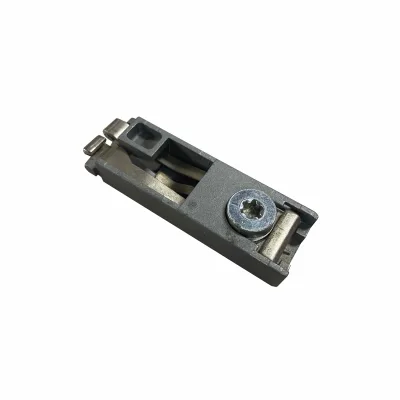
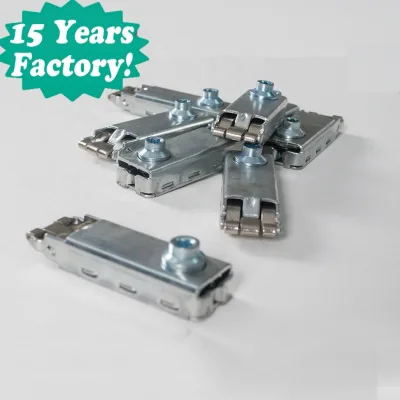
Find and compare 30 Exhibition Partition Tension Lock options for trade show booths, art walls, and social distance barriers. These hardware components feature aluminum alloy or metal construction with customizable colors and sizes to suit various display needs.
Key considerations
Products List




Comprehensive Sourcing Guide
Exhibition Partition Tension Lock Sourcing Guide
Sourcing exhibition partition tension locks requires a nuanced understanding of both the mechanical hardware and the display environment in which they operate. These components are critical for securing modular display systems, ensuring that booth structures remain stable and visually seamless during high-traffic trade shows. Buyers must distinguish between general-purpose locking mechanisms and those specifically engineered for exhibition stand applications, where aesthetics and rapid assembly are as important as structural integrity. The market offers a variety of materials, from aluminum alloys to stainless steel, each offering different trade-offs between weight, durability, and cost. Understanding these material properties is the first step in selecting the right hardware for your specific display needs.
The procurement process for these locks involves verifying compatibility with existing display frames and groove dimensions. Many suppliers offer customizable options, allowing buyers to tailor the lock’s appearance and functionality to their brand identity. However, customization can impact lead times and minimum order quantities, so it is essential to plan procurement cycles accordingly. Buyers should also consider the logistical aspects of shipping, as these items are often packed in wooden pallets or cartons to prevent damage during transit. By focusing on verified specifications and supplier reliability, buyers can secure hardware that enhances the professionalism and safety of their exhibition setups.
Product Scope and Observed Listing Signals
The current market for exhibition partition tension locks features a diverse range of products, with observed prices ranging from $0.20 to $14.00 USD. This wide price spectrum reflects variations in material quality, manufacturing complexity, and brand positioning. Lower-priced items may be suitable for temporary or low-traffic displays, while higher-priced options often feature more robust materials like stainless steel or specialized finishes. Buyers should analyze the price points in conjunction with other listing signals, such as minimum order quantities (MOQs), which range from 1 to 1,000 units. Understanding these financial parameters helps in budgeting for large-scale events or small, specialized installations.
Listing signals also reveal important details about product customization and origin. Many suppliers indicate that customization is available, including options for color, logo, and specific model numbers such as XM-A055 or ST003. The majority of these products originate from Guangdong, China, a hub for hardware manufacturing. Buyers should note that while some products are labeled as "hardware," others are explicitly marketed for exhibition events, social distancing barriers, or art walls. This distinction is crucial for ensuring that the selected lock meets the specific functional requirements of your display project. Additionally, the presence of OEM services suggests that buyers can source branded hardware, which may be beneficial for corporate identity consistency.
Technical Specifications to Verify
When evaluating exhibition partition tension locks, verifying the material composition is paramount. Common materials include aluminum alloy, metal, stainless steel, and iron, each offering distinct advantages. Aluminum alloy is lightweight and corrosion-resistant, making it ideal for portable displays. Stainless steel provides superior durability and a premium finish, while iron-based locks may offer cost savings but require surface treatments like electroplating to prevent rust. Buyers must confirm the material grade and thickness to ensure the lock can withstand the tension and wear associated with frequent assembly and disassembly. The choice of material directly impacts the lock’s longevity and performance in high-use environments.
Dimensional compatibility is another critical technical specification to verify. The groove width for many exhibition locks falls within the range of 4.3-4.8mm, which must match the profile of your display frames. Additionally, lock body dimensions, such as 682010 mm for certain models, must align with the spatial constraints of your booth design. Buyers should also check the lock cylinder style, with options like fire-resistant lock styles available for specific safety requirements. The type of lock body, whether single or multiple bolt, affects the security and stability of the partition. Ensuring that all dimensional and structural specifications align with your display system is essential for a seamless installation.
Compliance and Safety Documentation
Compliance and safety documentation are vital for exhibition hardware, especially when locks are used in public-facing environments. Buyers should request certification documents to verify that the products meet relevant industry standards. While some listings mention ISO certifications, buyers must confirm the specific scope and validity of these certifications. For locks with fire-resistant features, additional safety documentation may be required to ensure compliance with local fire codes. This is particularly important for large-scale exhibitions where crowd safety is a priority. Verifying these documents helps mitigate liability and ensures that the hardware meets regulatory requirements.
In addition to certifications, buyers should inquire about quality control processes and testing procedures. Although specific test results may not be publicly listed, reputable suppliers should be able to provide information on how they ensure product consistency and reliability. This includes checks for surface treatment quality, such as electroplating durability, and mechanical strength testing. Buyers should also consider the environmental impact of the materials used, especially if sustainability is a key criterion for their exhibition strategy. By prioritizing suppliers with robust compliance and safety practices, buyers can ensure the integrity and safety of their display installations.
Cost Drivers and Commercial Terms
Several factors influence the cost of exhibition partition tension locks, including material selection, customization level, and order volume. Customization options, such as specific colors or logos, can increase production costs and lead times. Buyers should balance the desire for branded hardware with budget constraints and project timelines. Minimum order quantities also play a significant role in pricing, with larger orders typically benefiting from economies of scale. However, buyers with smaller needs may find suppliers offering lower MOQs, albeit at a higher unit price. Understanding these cost drivers allows for more accurate budgeting and negotiation.
Commercial terms, including delivery dates and packaging, are also key considerations. Lead times for these products typically range from 15 to 30 days, which must be factored into event planning schedules. Packaging methods, such as wooden pallets, carton boxes, or flight cases, affect shipping costs and product protection. Buyers should negotiate clear terms regarding shipping responsibilities, insurance, and return policies. Additionally, payment terms should be aligned with the supplier’s requirements and the buyer’s cash flow needs. By carefully managing these commercial aspects, buyers can avoid unexpected costs and delays, ensuring a smooth procurement process.
Supplier Qualification and Quality Control
Supplier qualification is a critical step in sourcing exhibition partition tension locks. Buyers should assess suppliers based on their manufacturing capabilities, quality control systems, and track record. Suppliers with OEM experience may offer greater flexibility in customization but require more rigorous vetting to ensure consistency. Buyers should request samples to evaluate the physical quality of the locks, including finish, fit, and functionality. This hands-on assessment is invaluable for identifying potential issues before committing to a large order. Additionally, verifying the supplier’s production capacity ensures they can meet your volume requirements within the specified lead time.
Quality control processes should be transparent and well-documented. Buyers should inquire about the supplier’s inspection procedures, including in-process checks and final product testing. Suppliers that adhere to international standards, such as ISO, are more likely to maintain consistent quality. However, buyers should not rely solely on certifications; direct communication with the supplier’s quality team can provide deeper insights into their practices. Establishing a clear quality agreement, including acceptance criteria and remedies for non-conforming products, is essential for protecting your interests. By prioritizing suppliers with strong quality control, buyers can ensure the reliability of their exhibition hardware.
Long-Term Procurement Checks
Long-term procurement success depends on establishing ongoing relationships with reliable suppliers and continuously monitoring product performance. Buyers should conduct regular reviews of supplier performance, including delivery accuracy, product quality, and responsiveness to issues. This ongoing evaluation helps identify potential risks and opportunities for improvement. Additionally, staying informed about industry trends and new product developments can provide competitive advantages. For example, emerging materials or designs may offer better performance or cost savings. By maintaining a proactive approach to supplier management, buyers can ensure a steady supply of high-quality exhibition partition tension locks.
It is also important to periodically reassess your procurement strategy in light of changing business needs and market conditions. This may involve exploring alternative suppliers, negotiating better terms, or adjusting order volumes. Buyers should also consider the lifecycle of the products, including maintenance and replacement needs. Establishing a clear process for handling warranty claims and returns is essential for minimizing downtime and costs. By integrating these long-term checks into your procurement workflow, you can build a resilient supply chain that supports your exhibition goals. This strategic approach ensures that your hardware investments continue to deliver value over time.
FAQs
What materials are used for exhibition partition tension locks?
These locks are constructed from Aluminum Alloy, Metal, Stainless Steel, and Iron. The specific material depends on the model selected, such as XM-A055 or ST003, ensuring durability for various display environments.
Can I customize the color and logo of these locks?
Yes, customization is available for both color and logo. Buyers can choose from Silver, Black, or White options, and request custom logos to match their brand identity for exhibition stands.
What is the typical lead time for delivery?
The standard delivery date ranges from 15 to 30 days. This timeline applies to orders placed for exhibition event hardware, allowing sufficient time for production and shipping from the origin.
Which packaging options are available for bulk orders?
Packaging includes Wooden Pallets, Carton Boxes, Wooden Cases, and Flight Cases. Specific models may come in 500 pieces per carton box, ensuring safe transport for hardware components.
Are these locks suitable for supermarket and store displays?
Yes, they are designed for use in Exhibition Shows, Specialty Stores, Supermarkets, and Stores. The application supports various retail environments requiring secure and adjustable partition systems.
What is the groove size for the tension lock mechanism?
The groove dimension is specified as 4.3 to 4.8 mm. This precise measurement ensures compatibility with standard display frame profiles used in booth construction and exhibition setups.
Does the product come with any specific certifications?
Certifications include ISO standards and customized options. Buyers should verify specific compliance requirements with the supplier, as the product supports various standard configurations for international trade.