Source Expandable Container for Apartments, Offices, and Hostels
Compare 30 Expandable Container options featuring fast installation, wind resistance, and thermal insulation. Buyers can evaluate specifications for apartments, temporary offices, and hostels with customizable sizes and delivery times.
Key considerations
Products List


$3500.00 - $4000.00
MOQ: 1 Pieces


$1000.00 - $25000.00
MOQ: 1 Pieces

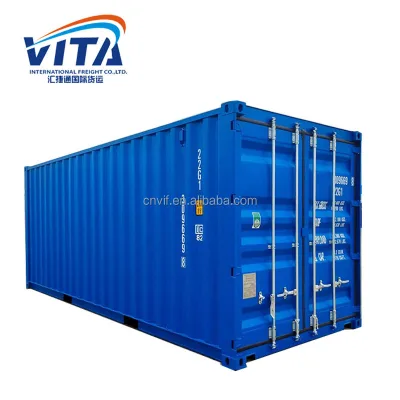


20 Feet Standard Container for Sale
$2800.00 - $3600.00
MOQ: 1
Xiamen Xiangyu Superchain Supply Chain Development Co., LTD.

New 20 Feet Standard Container
$2800.00 - $3600.00
MOQ: 1
Xiamen Xiangyu Superchain Supply Chain Development Co., LTD.

New 20 Feet Standard Container for Sale
$2800.00 - $3600.00
MOQ: 1
Xiamen Xiangyu Superchain Supply Chain Development Co., LTD.


Comprehensive Sourcing Guide
Strategic Sourcing Guide for Expandable Container Solutions
Understanding Technical Specifications and Material Composition
When sourcing Expandable Container solutions, buyers must first establish a clear understanding of the core technical specifications that define product viability. The market offers a diverse range of configurations, from standard modular units to highly customized structures. A primary observation in the current supply landscape is the prevalence of sandwich panel construction. These units often utilize a composite material structure where the core consists of materials such as PU (Polyurethane), EPS (Expanded Polystyrene), or Rock Wool sandwich panels. This composition is critical for achieving the necessary thermal insulation and moisture-proofing capabilities required for modern residential and commercial applications.
The structural integrity of these units frequently relies on a galvanized steel frame. Specific observations indicate that frames may be fabricated using galvanized steel bending processes, often treated with a stoving varnish of approximately 70 microns to ensure corrosion resistance. The steel frame serves as the skeleton, supporting the sandwich panel walls and roof. In addition to the sandwich panel variants, some suppliers offer steel structure options, which may differ in load-bearing capacity and assembly methods. Buyers should verify whether the specific unit they are evaluating utilizes a steel frame or a different structural system, as this impacts the unit's durability and seismic resistance.
Size customization is a defining feature of the Expandable Container market. While standard dimensions like 20FT and 40FT are common, the supply chain also supports specialized sizes, such as units with a width of 2.9 meters. The ability to customize dimensions allows for flexibility in fitting specific site constraints. Furthermore, the product design style is predominantly modern, characterized by clean lines and functional aesthetics. The units are often designed to be easily movable and flexibly combinable, allowing for complex layouts when multiple units are joined. The door configurations are equally varied, with options ranging from standard sandwich panel doors to fully customized entryways, ensuring that the final installation meets specific security and access requirements.
Compliance, Certification, and Regulatory Standards
Navigating the compliance landscape is essential for international procurement, as regulatory requirements vary significantly by destination. A critical verification step involves checking for recognized quality management certifications. The supply data indicates that many manufacturers hold ISO9001 certification, which validates their adherence to international quality management standards. Additionally, some units are associated with CE marking, suggesting compliance with European health, safety, and environmental protection standards. However, buyers must treat these certifications as observations of specific supplier capabilities rather than universal guarantees for all listed products.
Beyond quality management, buyers should verify if the product meets specific building codes for the intended destination. For instance, structures destined for regions with high seismic activity, such as those in the United States or Japan, require rigorous earthquake resistance testing. The product attributes list "Earthquake Resistant" as a feature, but the specific engineering standards (such as ASCE 7 in the US or Eurocode 8 in Europe) must be confirmed with the supplier. Similarly, fire safety is paramount, especially when using sandwich panels. The core material choice—whether PU, EPS, or Rock Wool—directly influences fire ratings. Rock Wool generally offers superior fire resistance compared to EPS, and this distinction must be validated against local fire codes.
Documentation is another pillar of compliance. Buyers should request a comprehensive compliance dossier that includes material safety data sheets (MSDS) for the sandwich panel cores and structural steel. The presence of a warranty card, often cited as a one-year standard in the market, should be reviewed to understand the scope of coverage. It is important to note that warranty terms can vary; some suppliers may offer extended warranties for specific components like the steel frame or the sandwich panels. The absence of a specific warranty in a listing should not be assumed to be a defect but rather a variable term that requires negotiation.
Cost Drivers and Pricing Dynamics
The pricing of Expandable Container solutions is influenced by a complex interplay of factors, including material costs, customization levels, and logistics. The observed price range in the market is extensive, spanning from approximately $0.58 to $25,000. This wide disparity reflects the difference between individual components, such as specific panels or accessories, and fully assembled, turnkey container homes. When evaluating a quote, buyers must distinguish between the cost of the unit itself and the cost of ancillary services.
Material selection is a primary cost driver. Units utilizing Rock Wool sandwich panels will typically command a higher price than those using EPS due to the superior fire rating and insulation properties of Rock Wool. Similarly, the thickness of the sandwich panel and the gauge of the galvanized steel frame will directly impact the final cost. Customization is another significant variable. While standard 20FT or 40FT units may be priced competitively, requests for special sizes, such as the 2.9-meter width, or customized door and window configurations will increase the unit price. The "Customized Order" standard mentioned in the supply data suggests that bespoke projects often incur additional engineering and manufacturing costs.
Logistics and packaging also play a crucial role in the total cost of ownership. The market offers various shipping methods, including Flat Pack Shipping and Palletized options. Flat pack shipping is often more cost-effective for large volumes as it maximizes container utilization, whereas palletized shipping may be preferred for smaller orders or specific handling requirements. The departure ports, such as Qingdao, Guangzhou, Xiamen, Shenzhen, Tianjin, and Ningbo, influence freight costs based on the buyer's proximity to these hubs. Furthermore, the destination market dictates the final landed cost, as shipping to remote locations or regions with high import duties will add to the overall expense. Buyers should also consider the Minimum Order Quantity (MOQ), which ranges from 1 set to 2000 units. Lower MOQs may result in a higher per-unit cost due to the lack of economies of scale.
Typical Applications and Usage Scenarios
Expandable Container solutions are highly versatile, serving a broad spectrum of applications ranging from residential housing to temporary commercial facilities. The primary application observed is for residential use, including apartments and residential hostels. These units are designed to provide safe, comfortable, and quickly deployable living spaces. The features listed, such as thermal insulation, waterproofing, and moisture proofing, are specifically tailored to meet the comfort requirements of permanent or semi-permanent housing. The "Eco-Friendliness" attribute suggests that these units are increasingly being used in sustainable development projects where minimizing environmental impact is a priority.
In the commercial sector, these containers are frequently utilized as temporary offices. The fast installation capability makes them ideal for construction sites, project management offices, or pop-up retail spaces. The ability to combine units flexibly allows businesses to create larger office complexes that can be expanded or reconfigured as project needs evolve. The "Storage" application is also noted, where the units serve as secure, weather-resistant storage facilities for equipment or inventory. The "Living Room" suitability indicates that these units can be adapted for leisure or recreational spaces, further expanding their utility beyond strict industrial or residential definitions.
The adaptability of these units is further demonstrated by their suitability for various global markets. The destination list includes countries across North America, Europe, Asia, and South America, indicating that the product design is flexible enough to meet diverse climatic and cultural requirements. For example, units destined for Finland or Norway must withstand extreme cold, while those for Brazil or Thailand must handle high humidity and heat. The "Fast Installation" feature is particularly valuable in emergency relief scenarios or rapid urbanization projects where time is of the essence. The "Easily Movable" attribute ensures that these structures can be relocated if the initial site becomes unsuitable, offering a level of flexibility that traditional construction cannot match.
Supplier Evaluation and Operational Capacity
Selecting the right supplier requires a thorough evaluation of their operational capacity and reliability. The supply data indicates a production capacity of approximately 30 sets per month for certain models, which is a critical metric for buyers with tight deadlines. Buyers should verify if this capacity is scalable, especially for larger orders that may require a longer production lead time. The standard delivery time observed is 10-15 days, but this can vary based on the complexity of the order and the current production schedule. For custom orders, the lead time may extend, and buyers should negotiate a realistic timeline that accounts for potential delays.
Geographic location is another factor in supplier evaluation. The supply chain originates from various regions in China, including Hebei, Guangdong, and specific port cities like Qingdao. Proximity to major shipping ports like Qingdao, Guangzhou, and Ningbo can streamline the logistics process and reduce transit times. Buyers should assess the supplier's experience in exporting to their specific target market. For instance, a supplier with a history of shipping to the United States or the United Kingdom will likely be more familiar with the regulatory and logistical challenges associated with those regions.
The "Sea Worth Package" and "Flat Pack Shipping" options indicate that the supplier has experience in handling international logistics. However, buyers should request detailed packaging specifications to ensure that the units will arrive in pristine condition. The "Carton" and "Stacked" packaging options for smaller components suggest a modular approach to shipping, which can reduce damage risks. It is also important to verify the supplier's after-sales support capabilities. The presence of a one-year warranty card suggests a commitment to product quality, but buyers should clarify the terms of the warranty, including what is covered and the process for filing a claim.
Quality Control and Long-Term Procurement Considerations
Ensuring long-term value requires a robust quality control (QC) strategy. Buyers should implement a multi-stage QC process that includes pre-production, in-process, and pre-shipment inspections. Given the reliance on sandwich panels and steel frames, specific attention should be paid to the bonding quality of the panels and the corrosion resistance of the steel. The "Waterproof" and "Leak Proof" attributes are critical, and buyers should request test reports or visual inspections to verify the integrity of the sealing systems. The "Moisture Proof" feature is equally important, particularly for units installed in humid climates.
Long-term procurement considerations extend beyond the initial purchase. Buyers should evaluate the availability of spare parts and the ease of maintenance. The "Customized Oder" standard suggests that replacement parts may need to be ordered specifically, which could impact long-term maintenance costs. Buyers should also consider the scalability of the solution. If the initial project is successful, the ability to easily add more units or reconfigure the existing layout is a significant advantage. The "Flexibly Combinable" feature supports this scalability, allowing for future expansion without the need for new construction.
Finally, buyers should maintain a clear record of all specifications and agreements. The "prod_standard" and "prod_model" fields, such as "ZX-CH1" or "SY313432," serve as unique identifiers for the units. Keeping these records ensures that future orders match the original specifications, preventing costly errors. The "Productivity" rate of 30 sets per month should be monitored to ensure that the supplier can meet demand during peak periods. By combining rigorous quality control with a strategic approach to long-term planning, buyers can maximize the value and reliability of their Expandable Container investments.
FAQs
What materials are used for Expandable Container walls?
The walls typically use sandwich panels composed of steel and core materials like PU, EPS, or Rock Wool. This composite structure provides thermal insulation, moisture proofing, and waterproofing for residential or office applications.
Can these units be customized to specific sizes?
Yes, customization is available for standard 20FT and 40FT dimensions as well as special sizes like 2.9 meters. Buyers can also request customized doors and colors to meet specific project requirements.
How long does delivery take for these container homes?
The standard delivery time ranges from 10 to 15 days for most orders. However, lead times may vary depending on the complexity of the customization and the current production schedule of the manufacturer.
What certifications do these manufacturers typically hold?
Many suppliers hold ISO9001 certification for quality management and some products carry CE marking. Buyers should verify specific compliance documents for their target market rather than assuming universal certification.
What is the minimum order quantity for these units?
The minimum order quantity can be as low as one set for certain models. However, other listings indicate an MOQ of up to 2000 units, so buyers must check specific supplier terms.
How are these containers packaged for sea shipping?
Products are often shipped in flat pack configurations or on pallets to ensure sea-worthiness. This packaging method optimizes container space and protects the galvanized steel frame during transit.