Find, Compare, and Source Exhaust Valve for Engines, Industrial, and Automotive
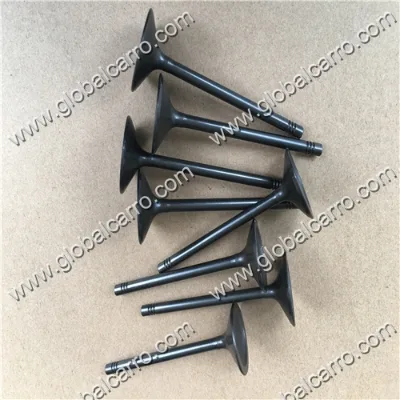
Explore 30 listings for Exhaust Valve components suitable for Cummins engines and various industrial applications. Buyers can compare specifications like material, certifications, and packing options to find the right parts for their needs.
Key considerations
Products List






Comprehensive Sourcing Guide
Strategic Sourcing Guide for Exhaust Valves in Industrial and Automotive Applications
Procuring exhaust valves requires a disciplined approach that balances technical precision with supply chain reliability. The market for these critical engine components is diverse, ranging from heavy-duty industrial engines to specialized automotive applications. Buyers must navigate a landscape where specifications vary significantly by manufacturer and engine type. This guide outlines the essential factors for sourcing exhaust valves, drawing on observed market data and technical requirements to ensure a robust procurement strategy. The focus remains on verifying attributes, understanding cost drivers, and establishing quality control protocols without relying on unverified claims.
Technical Specifications and Model Variability
The technical landscape of exhaust valves is defined by specific model numbers, material compositions, and compatibility with engine assemblies. Observed data indicates a wide spectrum of product models, including identifiers such as W12V190.03.02, W12V190.03.10.02A, and WG9725520068. These alphanumeric codes are not merely labels; they represent distinct engineering configurations that dictate fitment and performance. For instance, specific listings reference compatibility with Cummins Engine Assemblies, while others denote general applicability to models like 4B, 6B, 6C, 6L, M11, N855, K19, K38, and K50.
Material selection is a primary technical differentiator. The supply chain currently offers valves constructed from Steel and Iron. The choice between these materials often depends on the thermal and mechanical stresses of the specific engine application. Furthermore, the manufacturing technique plays a crucial role in the final product's integrity. Casting is a noted production method, which influences the grain structure and durability of the valve. Buyers must verify that the material grade matches the operational temperature and pressure requirements of their specific engine system.
Physical dimensions and thread specifications are equally critical. Data points reveal thread options ranging from 1/8 to 1/2 inches, alongside standard component classifications. Some specifications reference dimensional standards such as 30mm30mm70mm or flow ratings like DN50-DN600. When sourcing, it is imperative to cross-reference the engine's intake and Exhaust Valve requirements against these specific measurements. A mismatch in thread size or valve diameter can lead to catastrophic engine failure. Therefore, the procurement process must begin with a rigorous audit of the engine's original equipment manufacturer (OEM) specifications before evaluating supplier offerings.
Compliance, Certification, and Regulatory Standards
Navigating the regulatory environment is essential for international trade and ensuring component safety. The market exhibits a variety of certification claims, including TUV, GS, CE, RoHS, REACH, and TSISOCE. While these certifications are frequently cited, buyers must treat them as observations requiring verification rather than automatic guarantees of compliance for every listed unit. For example, some product entries list certifications as "TUV,GS," while others include a broader suite of "TUV,TSISOCE,RoHS,GS."
Standards also vary significantly in their specificity. Some listings reference a "Standard: 3kg" or "Standard: 4kg," which may refer to weight tolerances or specific component classifications rather than industry-wide norms. Other entries cite "Standard: By The Customer Needs," indicating a high degree of customization where the buyer must define the acceptance criteria. Additionally, emission standards such as "Euro Engine Type" and "Inline Engine" classifications are present, suggesting that compliance with regional emission regulations is a key consideration for certain markets.
Buyers should not assume that a supplier's general certification covers the specific batch of goods being purchased. The presence of a CE mark or ISO reference in a product description does not automatically validate the entire inventory. It is the buyer's responsibility to request current, batch-specific certificates of conformity. Furthermore, the distinction between "Standard Component" and custom-engineered parts must be clear. Customization is noted as available, which implies that buyers can request specific modifications to meet unique regulatory or performance needs, but this requires clear communication of the required standards to the supplier.
Cost Drivers and Pricing Dynamics
Understanding the cost structure of exhaust valves is vital for budgeting and negotiation. The observed price range in the market spans from $0.10 to $820.00 USD. This vast disparity is not indicative of a single product type but rather reflects the diversity of applications, from small-scale industrial valves to large, heavy-duty engine components. The price is heavily influenced by the material used, with steel and iron components commanding different price points based on market fluctuations and processing costs.
Minimum Order Quantity (MOQ) is another significant cost driver. The observed MOQ range extends from 1 piece to 10,000 pieces. A low MOQ of 1 piece allows for prototyping or small-batch testing, which is essential for verifying quality before committing to larger orders. However, higher volumes often unlock economies of scale, potentially reducing the unit cost. Buyers must balance the need for immediate inventory against the financial benefits of bulk purchasing.
Packaging and logistics also contribute to the total cost of ownership. Observed packaging methods include Plywood Boxes, Standard Export Boxes, Carton, Individually Wrapped units, and Bluk or Blister Packing. The choice of packaging affects shipping costs and the risk of damage during transit. For instance, Plywood Boxes are typically used for heavier, larger components requiring robust protection, while Carton or Standard Package options may suffice for smaller, lighter valves. Ocean Freight is listed as a specific packing or shipping attribute, suggesting that logistics planning must account for the specific transport mode required by the supplier.
Typical Applications and Engine Compatibility
Exhaust valves are integral to the operation of internal combustion engines, and their application is highly specific. The data highlights compatibility with a wide array of engine types, including Cummins Engine Assemblies and various inline engine configurations. The "Cold Style: Air-Cooled" attribute suggests that some valves are designed for air-cooled systems, which operate under different thermal dynamics compared to liquid-cooled engines. This distinction is crucial for selecting the right component for a specific engine architecture.
The "Number of Cylinders: Double Cylinder" specification points to applications in smaller or specialized engines, while other models are likely intended for multi-cylinder heavy-duty setups. The "Type: Compound Exhaust Valve" designation indicates a specific design complexity, potentially involving multiple stages or integrated features for improved flow or durability. Buyers must ensure that the valve's design matches the engine's cylinder count and cooling system.
Furthermore, the "Part Quality: New, Original" attribute is a common requirement for critical engine components. In the context of exhaust valves, using non-original or refurbished parts can lead to premature failure and reduced engine efficiency. The market offers both standard and customized options, allowing buyers to source valves that fit existing engine blocks or require specific modifications for new engine designs. Understanding the specific engine model and its operational requirements is the first step in identifying the correct valve type.
Supplier Evaluation and Operational Capabilities
Evaluating suppliers requires a focus on their operational capabilities and geographic location. The primary origin for these products is Mainland China, with specific mentions of Ningbo as a production hub. This concentration of manufacturing in specific regions can influence lead times and shipping logistics. Buyers should verify the supplier's location to estimate transit times accurately.
Lead times are a critical factor in supply chain planning. Observed delivery times range from 3 to 5 days for certain items, suggesting that some suppliers maintain ready stock or have highly efficient production lines. However, for customized orders or large MOQs, lead times may extend significantly. The "Delivery: 3-5 Days" metric should be treated as a baseline for standard items, with the understanding that complex customizations will require longer production windows.
Customization availability is a key differentiator among suppliers. The attribute "Customization: Available" indicates that many suppliers can adapt products to meet specific buyer requirements. This flexibility is valuable for industries with unique engine configurations or non-standard specifications. Buyers should assess the supplier's ability to handle custom orders, including their capacity for design changes, material adjustments, and packaging modifications. Additionally, the "Standard: To be continued" entry suggests that some specifications may be subject to change or require ongoing negotiation, emphasizing the need for clear, written agreements.
Quality Control and Long-Term Procurement Strategies
Ensuring long-term reliability requires a robust quality control (QC) strategy. The market offers products with varying degrees of quality assurance, from "Standard Package" to "Individually Wrapped" units. Buyers should implement a QC protocol that includes visual inspections, dimensional checks, and material verification. The "Part Quality: New, Original" claim must be validated through physical inspection and, where possible, third-party testing.
Long-term procurement considerations involve building relationships with suppliers who can provide consistent quality and support. The availability of "Standard Component" and "Standard Export Box" options suggests that many suppliers cater to both one-off purchases and ongoing supply contracts. Buyers should prioritize suppliers who demonstrate a commitment to quality through certifications and transparent communication.
The "Emission Standard: Euro Engine Type" and "Sintered Metal" attributes highlight the importance of environmental compliance and material integrity. As regulations tighten globally, buyers must ensure that their suppliers can meet evolving emission standards. This may require periodic re-verification of supplier certifications and product specifications. By maintaining a proactive approach to quality control and supplier evaluation, buyers can mitigate risks and ensure a steady supply of high-performance exhaust valves for their operations.
Summary of Key Sourcing Parameters
To facilitate quick reference, the following table summarizes the critical parameters observed in the market for exhaust valves. This data serves as a checklist for buyers during the sourcing process.
| Parameter Category | Observed Values / Ranges | Verification Requirement |
|---|---|---|
| Product Models | W12V190.03.02, WG9725520068, QB2-10, QEV-08, All models | Cross-reference with OEM engine specs |
| Materials | Steel, Iron | Verify material grade and heat treatment |
| Certifications | TUV, GS, CE, RoHS, REACH, TSISOCE | Request batch-specific certificates |
| Pricing Range | $0.10 - $820.00 USD | Confirm unit price based on volume |
| MOQ | 1 - 10,000 units | Negotiate based on inventory needs |
| Lead Time | 3-5 Days (Standard) | Confirm for custom orders |
| Origin | China (Mainland), Ningbo | Verify shipping logistics |
| Packaging | Plywood Box, Carton, Standard Export, Blister | Ensure protection for transit |
| Thread Sizes | 1/8, 1/4, 3/8, 1/2 | Match engine port specifications |
| Engine Types | Cummins, Inline, Air-Cooled, Double Cylinder | Confirm compatibility with engine model |
By adhering to these guidelines and verifying all claims against the supplied data, buyers can navigate the complex market for exhaust valves with confidence. The focus remains on evidence-based decision-making, ensuring that every procurement action is grounded in verified technical and operational facts.
FAQs
What certifications are available for exhaust valves?
Available certifications include TUV, GS, CE, RoHS, REACH, and TSISOCE. Buyers must verify batch-specific certificates as these vary by listing and do not automatically apply to all inventory.
Which materials are used to manufacture these valves?
Valves are manufactured using Steel and Iron materials. The choice depends on thermal and mechanical stress requirements, with casting noted as a common production technique for durability.
Can I customize the Exhaust Valve specifications?
Yes, customization is available for specific buyer needs. Suppliers can adapt products to unique engine configurations, but clear communication of required standards is essential for successful modification.
What is the typical lead time for delivery?
Standard delivery times range from 3 to 5 days for ready stock. Customized orders or large minimum order quantities may require significantly longer production windows beyond this baseline.
How do I find valves compatible with Cummins engines?
Search for models explicitly listed as suitable for Cummins Engine Assemblies. Specific part numbers like W12V190 series are observed to match these heavy-duty engine requirements.
What packaging options are offered for shipping?
Packaging includes Plywood Boxes, Standard Export Boxes, Cartons, and Individually Wrapped units. Selection depends on component weight and protection needs during ocean freight or standard transit.