Source Explosion-Proof Horizontal Centrifugal Water Pump for Sewage, Slurry, and Oil Transfer
Find 30 verified options for the explosion-proof horizontal centrifugal water pump designed for sewage, slurry, and oil transfer applications. Buyers can compare motor specifications, pressure ratings, and customization support from multiple suppliers.
Key considerations
Products List


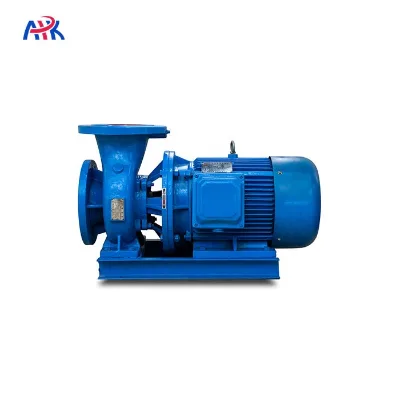
6 Inch Explosion Proof Pipeline High Flow Horizontal Centrifugal Water Pump Price
$945.00 - $950.00
MOQ: 5 Pieces


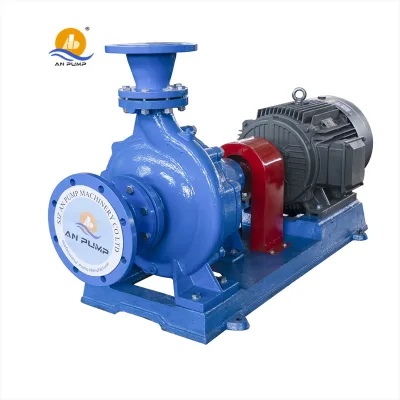
Industrial Heavy-Duty Horizontal Centrifugal Pump for Water Solutions
$400.00 - $1200.00
MOQ: 1 Pieces




Comprehensive Sourcing Guide
Strategic Sourcing Guide for Explosion-Proof Horizontal Centrifugal Water Pumps
Understanding Technical Specifications and Core Configurations
When sourcing explosion-proof horizontal centrifugal water pumps, buyers must first distinguish between the general category of centrifugal pumps and the specific safety requirements of explosion-proof variants. The supplied product data indicates a diverse range of centrifugal pump configurations, including single-stage and double-suction designs. The observed product attributes reveal that the theoretical basis for these units is the centrifugal pump, utilizing a closed impeller structure. The position of the pump shaft is explicitly noted as horizontal in several data points, aligning with the core keyword requirement, though vertical options also exist in the broader market data.
The driving type for these units is consistently listed as motor-driven, with voltage specifications ranging from 380V to 480V. This electrical range is critical for explosion-proof applications, as the motor must be certified to prevent ignition of surrounding flammable atmospheres. The speed of the motor varies significantly in the observed data, with ranges from 1450rpm to 2900rpm, and a specific instance noted at 970rpm. This variance suggests that buyers must verify the specific speed requirements for their application, as higher speeds may impact the NPSH (Net Positive Suction Head) requirements and the overall system dynamics.
The media handled by these pumps includes clarified water, sewage, slurry, chemical fluids, and oil. The maximum head observed in the data spans from 80m to 110m, indicating that these pumps are capable of medium to high-pressure applications. However, the working pressure is also categorized as low, middle, and high pressure in different listings. This inconsistency in the raw data underscores the necessity for buyers to request specific pressure ratings for their intended use case rather than relying on general category averages. The maximum capacity is noted as greater than 400 L/min, which is a useful baseline for industrial throughput requirements.
Compliance and Certification Verification Protocols
The term "explosion-proof" implies a strict adherence to safety standards that prevent the pump or its motor from igniting flammable gases, vapors, or dusts. While the supplied product facts do not explicitly list specific certification bodies (such as ATEX, IECEx, or UL), the data confirms that the motor adheres to the IEC Standard. This is a foundational requirement, but it is not sufficient on its own for explosion-proof classification. Buyers must verify that the specific motor and pump assembly have been tested and certified for the specific zone in which they will operate (e.g., Zone 1, Zone 2, or Zone 21).
The product data lists various standards, including "200kg" and specific model codes like "EA32/13" or "EGM40-3213-00554." These appear to be internal model or standard identifiers rather than international safety certifications. It is crucial for the buyer to request the actual explosion-proof certification documents from the supplier. The absence of explicit certification names in the provided facts means that the buyer cannot assume compliance based on the product name alone. Verification should include checking the motor's enclosure rating (IP rating) and the temperature class (T-class) to ensure it does not exceed the ignition temperature of the surrounding atmosphere.
Furthermore, the customization options listed as "Available" and "OEM, ODM" support suggest that the manufacturer can adapt the pump to meet specific safety requirements. However, any modification to the motor or the pump casing could potentially void existing certifications. Therefore, the procurement process must include a clause where the supplier guarantees that the final delivered unit retains its explosion-proof certification status. The buyer should also verify if the materials used, such as cast iron, are compatible with the chemicals or fluids being pumped, as corrosion can compromise the structural integrity of the explosion-proof enclosure.
Cost Drivers and Pricing Dynamics
The observed price range for the listed products spans from 1 USD to 50,000 USD. This extremely wide range indicates that the market includes everything from small, generic units to large, specialized industrial systems. The cost of an explosion-proof horizontal centrifugal pump is heavily influenced by the motor's certification level, the materials of construction, and the specific performance parameters required. A standard cast iron pump with a basic motor will be at the lower end of the spectrum, while a unit with a specialized explosion-proof motor, stainless steel components, or a high head capacity (approaching 110m) will command a premium price.
The minimum order quantity (MOQ) observed ranges from 1 to 10 units. This flexibility allows for both single-unit procurement for pilot projects and bulk ordering for large-scale installations. The packaging methods, listed as "Seaborne Wooden Cases" or "Plywood Box," also contribute to the final cost, particularly for international shipping. Wooden cases are generally more robust for heavy industrial equipment but add to the freight weight and cost. Buyers should factor in the logistics of shipping heavy, specialized equipment, as the "Seaborne Wooden Cases" suggest that these units are designed for long-distance transport, which may require specialized handling.
Other cost drivers include the customization level. While customization is available, complex OEM or ODM requests involving specific explosion-proof modifications or non-standard impeller sizes (noted as "Be Trimmed on Request") will increase the unit price and potentially the lead time. The voltage requirement of 380V-480V is standard for industrial applications, but if a specific voltage or frequency is required for a particular region, this may incur additional engineering costs. Buyers should also consider the long-term cost of ownership, including energy efficiency, which is influenced by the motor speed and the pump's hydraulic efficiency.
Typical Applications and Operational Environments
The versatility of the centrifugal pump design allows for a wide array of applications, as evidenced by the product attributes. These pumps are suitable for handling clarified water, sewage, slurry, chemical fluids, and oil transfer. The specific mention of "Ash Pumps" and "Sand Dredger Pump" in the usage category suggests that these units are robust enough for abrasive media, which is a common requirement in mining, power generation, and dredging operations. The "Wear Pump" performance attribute further supports their suitability for applications involving particulate matter.
In the context of explosion-proof requirements, these pumps are typically deployed in environments where flammable gases or vapors are present. This includes petrochemical processing plants, oil and gas refineries, chemical manufacturing facilities, and grain handling plants. The horizontal configuration is particularly advantageous in these settings as it often allows for easier maintenance and alignment compared to vertical pumps. The "Single Suction Pump" and "Double-Suction Pump" options provide flexibility in handling different flow rates and suction conditions.
The data also highlights the use of these pumps in "Circulating Pump" applications, which is common in cooling systems where the fluid might be flammable or where the environment is classified as hazardous. The ability to handle "Sewage Pump" and "Slurry Pump" duties suggests that these units can be adapted for wastewater treatment plants that may also have hazardous atmosphere zones. The "Submersible Pump" attribute in the application list indicates that the technology can be adapted for underwater use, though the primary focus here is on horizontal configurations.
Supplier Evaluation and Capability Assessment
Evaluating a supplier for explosion-proof horizontal centrifugal water pumps requires a rigorous assessment of their technical capabilities and quality assurance processes. The product data indicates that the origin of these pumps is China, a major manufacturing hub for industrial equipment. Buyers should verify the supplier's experience with explosion-proof certifications and their ability to provide the necessary documentation. The availability of "Customization" and "OEM, ODM" support suggests that the supplier has the engineering capacity to tailor products, but this must be validated through past project examples.
The supplier's ability to meet the specific performance parameters is crucial. With observed speeds ranging from 1450rpm to 2900rpm and heads up to 110m, the supplier must demonstrate that they can manufacture units that meet these exact specifications without compromising safety. The "IEC Standard" motor mention is a positive indicator, but the buyer must confirm that the supplier sources motors from reputable manufacturers who hold the necessary explosion-proof certifications. The "Cast Iron" material specification is standard, but for corrosive or abrasive applications, the supplier should be able to offer alternative materials.
The packaging and shipping capabilities are also part of the supplier evaluation. The use of "Seaborne Wooden Cases" and "Plywood Box" indicates a commitment to protecting the equipment during transit. Buyers should assess the supplier's logistics network to ensure they can deliver heavy, specialized equipment to the site without damage. The MOQ range of 1-10 units suggests that the supplier can accommodate both small and large orders, but the buyer should confirm lead times for custom orders, as these may be longer than for standard stock items.
Quality Control and Long-Term Procurement Considerations
Quality control for explosion-proof pumps must extend beyond the initial manufacturing stage to include rigorous testing and documentation. The product data mentions "Wear Pump" performance and "Closed" impeller structures, which are critical for efficiency and longevity. Buyers should request detailed test reports that verify the pump's performance against the stated specifications, including flow rate, head, and power consumption. The "Be Trimmed on Request" impeller size option highlights the importance of precision in manufacturing, as even minor deviations can affect the pump's efficiency and the motor's load.
Long-term procurement considerations include the availability of spare parts and the supplier's support infrastructure. The "Customized Support" for OEM and ODM suggests that the supplier can provide tailored solutions, but buyers should also inquire about the availability of standard spare parts for the specific model. The "Product Name: Centrifugal Slurry Pump" and similar specific naming conventions indicate that the supplier has a catalog of distinct models, which can simplify the procurement of replacement parts. The "Color: Any" and "Color: Customer Specifications" attributes suggest a level of flexibility in the finish, which can be important for corrosion resistance or identification purposes.
The "Working Pressure" categories (Low, Middle, High) indicate that the supplier offers a range of pressure ratings. Buyers should ensure that the selected pump is rated for the maximum pressure of their system, including any potential pressure surges. The "Mounting Height: Suction Centrifugal" attribute is a technical specification that must be matched with the site's installation requirements to ensure proper priming and operation. Finally, the "Product Standard: 200kg" and similar entries suggest that the supplier has internal standards for weight and dimensions, which should be cross-referenced with the site's structural limitations.
Comparative Analysis of Pump Configurations
To assist buyers in making informed decisions, the following table compares key attributes observed in the product data, highlighting the variations available in the market.
| Attribute Category | Observation A | Observation B | Observation C |
|---|---|---|---|
| Pump Shaft Position | Horizontal Pump | Vertical Pump | N/A |
| Impeller Type | Single Suction | Double-Suction | Closed |
| Working Pressure | Low Pressure | Middle Pressure | High Pressure |
| Motor Voltage | 380V-480V | IEC Standard | N/A |
| Speed Range | 1450rpm | 2900-970rpm | N/A |
| Max Head | 80-110m | N/A | N/A |
| Max Capacity | >400 L/min | N/A | N/A |
| Material | Cast Iron | N/A | N/A |
| Customization | Available | OEM, ODM | N/A |
| Packing | Seaborne Wooden Cases | Plywood Box | N/A |
This comparison illustrates the diversity of options available. The horizontal configuration is the primary focus for this guide, but the data confirms that vertical options exist. The pressure and speed variations require careful selection based on the specific application needs. The "Cast Iron" material is the most common, but buyers should verify if other materials are available for corrosive environments. The customization options allow for significant flexibility, but they must be managed carefully to maintain safety compliance.
Final Procurement Recommendations
Sourcing explosion-proof horizontal centrifugal water pumps requires a balance of technical precision, safety compliance, and cost management. Buyers should start by clearly defining the application requirements, including the media type, flow rate, head, and the specific explosion-proof zone. The supplier evaluation must focus on their ability to provide certified motors and pumps that meet international safety standards. The wide price range and MOQ flexibility offer opportunities for both small and large projects, but the buyer must ensure that the final product meets all safety and performance criteria.
The data suggests that the market offers a robust selection of centrifugal pumps with various configurations. However, the lack of explicit certification names in the provided facts means that the buyer must take an active role in verifying compliance. By focusing on the technical specifications, verifying the supplier's quality control processes, and understanding the cost drivers, buyers can successfully procure explosion-proof horizontal centrifugal water pumps that meet their operational needs. The long-term success of the procurement depends on the supplier's ability to provide ongoing support, spare parts, and adherence to safety standards throughout the lifecycle of the equipment.
FAQs
Can these pumps handle sewage and slurry media?
Yes, the pumps are designed for sewage, slurry, and clarified water applications. They feature closed impellers and are rated as wear pumps to handle abrasive media effectively in industrial settings.
What is the maximum head capacity for these units?
The maximum head capacity ranges from 80 to 110 meters. This range supports medium to high-pressure applications suitable for various industrial water transfer and circulation needs.
Which motor voltage standards are available for these pumps?
The motors operate on standard industrial voltages between 380V and 480V. They adhere to IEC standards, ensuring compatibility with typical industrial power supplies for horizontal centrifugal configurations.
How is the pump shaft positioned in these designs?
The pump shaft is primarily positioned horizontally, though vertical options exist in the broader catalog. Horizontal designs facilitate easier maintenance and alignment for explosion-proof applications.
What customization options are available for these pumps?
Customization is available including OEM and ODM support. Buyers can request specific impeller trimming, material changes, and voltage adjustments to meet precise operational requirements.
What is the minimum order quantity for these pumps?
The minimum order quantity ranges from 1 to 10 units. This flexibility allows for single-unit pilot projects or bulk procurement for large-scale industrial installations.