Source Explosion Proof Iron Fire Bell for Industry Home Car
Find 30 Explosion Proof Iron Fire Bell options for indoor and outdoor use in home, industry, and special equipment settings. Compare specifications like voltage, volume, and certifications to select the right siren sounder for your alarm system needs.
Key considerations
Products List


$14.00 - $15.00
MOQ: 500 Pieces


$14.00 - $15.00
MOQ: 500 Pieces

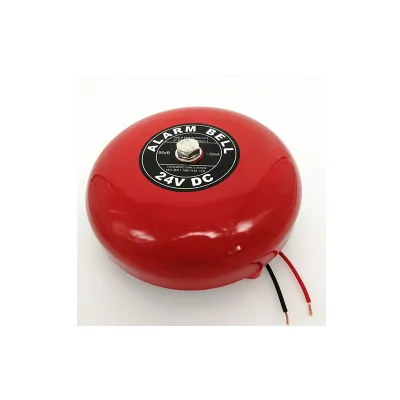
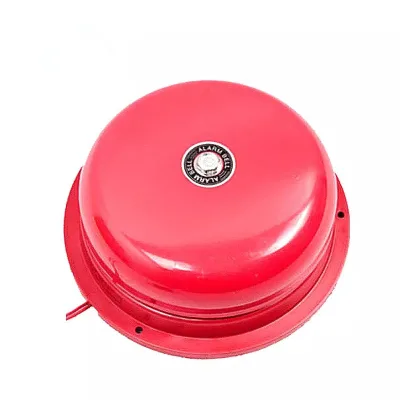
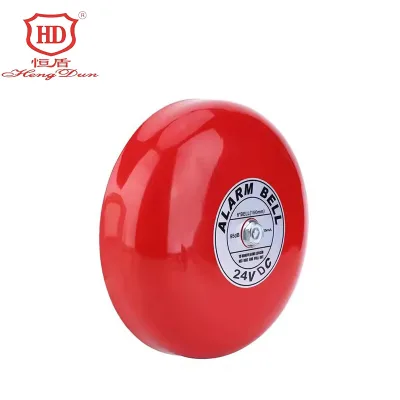
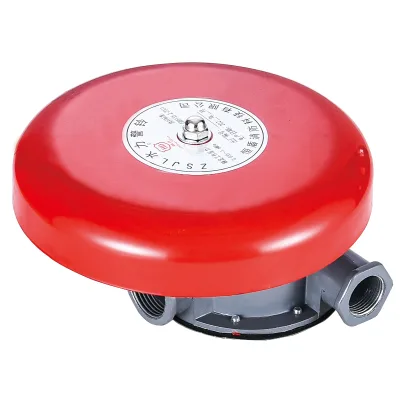

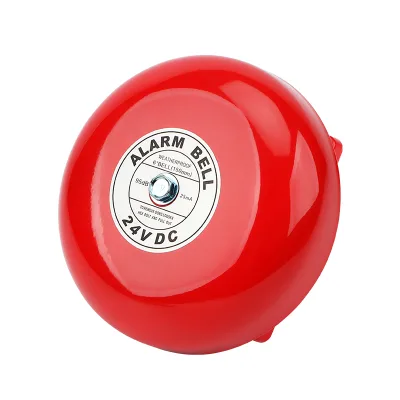
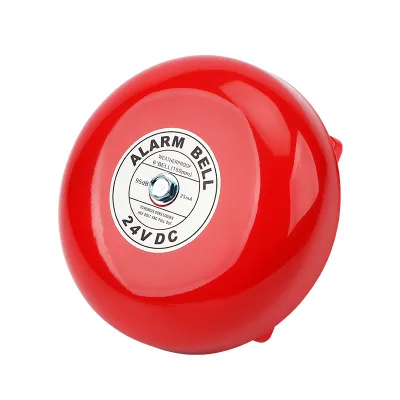
Industrial Explosion-Proof Electric Bell Marine Electric Fire Alarm Bell
$12.76 - $46.64
MOQ: 1 Pieces

Comprehensive Sourcing Guide
Strategic Sourcing Guide for Explosion-Proof Iron Fire Bells
Procuring specialized fire safety equipment, specifically an explosion-proof iron fire bell, requires a rigorous approach that balances technical performance with regulatory compliance. In the B2B procurement landscape, the distinction between standard industrial bells and those designed for hazardous environments is critical. The core keyword "Explosion Proof Iron Fire Bell" implies a device constructed to withstand specific environmental pressures while maintaining acoustic reliability during an emergency. This guide synthesizes available product attributes and industry standards to provide a structured framework for buyers evaluating potential suppliers and product specifications. The focus remains on verifying the tangible characteristics of the hardware, such as material composition, electrical parameters, and certification status, rather than relying on unverified marketing claims.
Technical Architecture and Material Composition
The foundational requirement for any fire bell intended for hazardous zones is the integrity of its housing and internal components. Based on observed product data, the construction of these devices often utilizes iron for the bell base. This material choice is significant as iron offers the necessary mechanical durability and acoustic resonance properties required for high-decibel alarm signals. The specific observation of an "Iron" base suggests a robust design capable of withstanding physical impact, which is a prerequisite for industrial environments. Furthermore, the product attributes indicate a "Permanent Magnetic Speaker" principle and a "Direct Radiation Type" mode. This combination ensures that the sound is projected efficiently without the need for complex amplification systems, which could introduce failure points in volatile settings.
Electrical specifications are equally vital for ensuring compatibility with existing building management systems. The observed working voltage range for similar units spans from 20VDC to 28VDC, with a specific operating voltage often cited as 24V. This wide voltage tolerance allows for flexibility in power supply configurations, accommodating variations in battery backups or transformer outputs. The current consumption is a key metric for system load calculations; data indicates a working current of less than or equal to 60mA at 24VDC. This low power draw is advantageous for systems with limited power budgets or those relying on battery reserves. Additionally, the acoustic output is a primary performance indicator, with observed specifications stating a volume of at least 90dB at a distance of 1 meter. This level of sound pressure is generally sufficient to alert occupants in noisy industrial settings, though buyers must verify this metric against the specific acoustic requirements of their facility.
Compliance and Certification Verification
In the realm of fire safety and hazardous location equipment, certification is not merely a formality but a legal and operational necessity. Buyers must rigorously verify that the supplier can provide valid documentation for recognized international standards. The observed product attributes list certifications including ISO9001, CE, and ISO14001. ISO9001 confirms that the manufacturer adheres to quality management principles, while CE marking indicates conformity with health, safety, and environmental protection standards for products sold within the European Economic Area. ISO14001 relates to environmental management, suggesting the manufacturer considers the ecological impact of their production processes.
However, the specific requirement for "explosion-proof" status often necessitates additional, more specialized certifications that may not be explicitly listed in general product summaries. While the provided data mentions "IP66 / IP67" as a standard for certain models, indicating a high level of protection against dust and water ingress, this is distinct from explosion-proof ratings like ATEX or IECEx. Buyers must explicitly request evidence of explosion-proof certification relevant to the specific hazard class (e.g., Class I, Division 1 or 2) of their intended installation site. The absence of a specific UL1203 reference in the high-confidence facts does not negate its potential relevance; rather, it underscores the need for the buyer to confirm if the specific model meets local fire alarm standards. The presence of "CE" and "RoHS" certificates in some product listings further supports the claim of compliance with electrical safety and hazardous substance restrictions, but these must be cross-referenced with the specific explosion-proof requirements of the project.
Cost Drivers and Pricing Variables
The pricing structure for explosion-proof fire bells is influenced by several distinct factors beyond the raw material cost of iron. The observed price range in the market spans from 1.35 to 386 USD, a variance that reflects differences in specifications, certification levels, and order volumes. The lower end of this spectrum likely corresponds to standard indoor units or basic models with minimal customization, while the higher end represents units with specialized explosion-proof ratings, custom packaging, or complex integration features.
Order volume plays a pivotal role in determining the final unit cost. The observed Minimum Order Quantity (MOQ) ranges from 1 to 1000 units. Buyers purchasing small quantities may face a higher per-unit price due to the fixed costs of production setup and quality assurance. Conversely, large-scale procurement allows for economies of scale, potentially reducing the cost per unit significantly. Customization is another major cost driver; the availability of "OEM/ODM" design options means that buyers can request specific branding, dimensions, or wiring configurations. However, these customizations often incur additional tooling fees or higher MOQs. The "Standard Export Package" versus "Carton Box" packing options also influence logistics costs. Buyers should evaluate the total cost of ownership, including shipping, insurance, and potential duties, rather than focusing solely on the unit price.
Typical Applications and Environmental Suitability
The application scope for explosion-proof iron fire bells is broad, covering environments where standard alarms would pose a safety risk. The observed product attributes list applications ranging from "Indoor" to "Outdoor," and further specify usage in "Home, Industry, Car/Motorcycle, and Special Equipment." For industrial settings, the "Iron" base and "Direct Radiation" design make these bells suitable for factories, chemical plants, and oil refineries where flammable gases or dust may be present. The "Infrared Sensor Probe Type" and "Active" anti-theft approach mentioned in related product data suggest that these systems can be integrated into broader security and fire detection networks.
The "Working Voltage" of 24VDC is particularly relevant for commercial and industrial buildings that utilize low-voltage control systems. The ability to operate within a 20VDC to 28VDC range ensures reliability even during power fluctuations or when connected to backup battery systems. The "IP66 / IP67" rating observed in specific models indicates suitability for harsh outdoor environments or areas prone to washing down, such as food processing plants or maritime facilities. Buyers must match the specific environmental conditions of their site with the product's IP rating and explosion-proof certification. For instance, a facility with high humidity and potential water exposure requires a higher IP rating than a dry, indoor warehouse.
Supplier Evaluation and Quality Assurance
Evaluating a supplier for specialized fire safety equipment requires a multi-faceted approach. The "Brand" attribute observed as "Pant" indicates that branding exists, but buyers should not rely on brand recognition alone. Instead, the focus should be on the supplier's ability to provide consistent quality and technical support. The availability of "Customization" and "Variety Terminal Type" suggests that the supplier has the engineering capacity to adapt products to specific client needs. However, buyers must verify the supplier's track record in delivering explosion-proof equipment.
Quality control processes should be a primary discussion point during supplier selection. The presence of ISO9001 certification implies a structured quality management system, but buyers should request specific details on their testing protocols. Questions should be directed at how the supplier verifies the "Cone" material (observed as Aluminum in some contexts, though the bell base is Iron) and the integrity of the "Permanent Magnetic Speaker." The "Wire" attribute, listed as "with Our Without Wire," highlights the need for clear communication regarding wiring requirements. Buyers must specify whether they require pre-wired units or bare components to ensure compatibility with their installation infrastructure. Additionally, the "Standard Packing or Packed According to Customers" option indicates flexibility, but the buyer must ensure that the packaging protects the unit during transit, especially if it is destined for a remote location.
Long-Term Procurement and Maintenance Considerations
Sourcing explosion-proof fire bells is not a one-time transaction but the beginning of a long-term relationship with a supplier. The "Design" attribute noting "OEM/ODM" capabilities suggests that the supplier can support future product iterations or replacements. However, buyers must consider the availability of spare parts and the longevity of the product. The "Dimensions" of 150mm150mm60mm and the "Diameter" of 6 inches (150mm) provide critical data for installation planning, ensuring that the unit fits within the designated space and mounting structure.
Maintenance requirements are also a key consideration. The "Working Current" and "Volume" specifications help in planning the maintenance schedule for battery backups and acoustic testing. Buyers should inquire about the expected lifespan of the "Permanent Magnetic Speaker" and the durability of the "Iron" base in corrosive environments. The "Application" range including "Smoke" and "Fire" indicates that these bells are part of a larger detection system; therefore, compatibility with smoke detectors and other sensors is essential. The "Anti-theft Alarm System" attributes suggest that these units may also serve dual purposes, which adds complexity to the maintenance and testing regimen. Finally, the "Lead Time" and "Location" (Guangdong, China) are factors that influence the supply chain resilience. Buyers should assess the supplier's ability to meet delivery schedules and their capacity to handle logistics disruptions, ensuring that the fire safety system remains operational at all times.
Comparative Analysis of Product Specifications
To facilitate decision-making, buyers can utilize a comparison table to evaluate different models based on the observed attributes. The following table summarizes the key technical and compliance data points available for analysis.
| Feature | Model A (General) | Model B (Explosion-Proof Variant) | Model C (Industrial Standard) |
|---|---|---|---|
| Base Material | Iron | Iron | Iron |
| Working Voltage | 20VDC - 28VDC | 24VDC | 24VDC |
| Working Current | ≤60mA @ 24VDC | ≤60mA @ 24VDC | ≤60mA @ 24VDC |
| Volume (dB) | ≥90dB @ 1m | ≥90dB @ 1m | ≥90dB @ 1m |
| Dimensions | 150mm x 150mm x 60mm | 150mm x 150mm x 60mm | 6 Inch / 8 Inch |
| Certifications | ISO9001, CE, ISO14001 | CE, RoHS, ISO9001 | CE |
| IP Rating | Standard | IP66 / IP67 | Standard |
| Application | Indoor, Outdoor | Indoor, Outdoor, Hazardous | Indoor, Outdoor |
| Customization | Available | Available | Available |
This comparison highlights that while the core electrical and acoustic specifications remain consistent across models, the IP rating and specific certifications differentiate the units suitable for hazardous environments. The "Model B" variant, with its IP66/IP67 rating and broader certification list, is the most likely candidate for explosion-proof applications, though explicit verification of explosion-proof ratings is still required.
Conclusion
Sourcing an explosion-proof iron fire bell demands a meticulous evaluation of technical specifications, certification validity, and supplier capabilities. The available data confirms that iron-based units with permanent magnetic speakers and low-voltage operation are prevalent in the market. However, the "explosion-proof" designation requires specific verification beyond the standard CE or ISO certifications. Buyers must prioritize suppliers who can demonstrate compliance with local hazardous location standards and provide robust quality assurance. By focusing on the tangible attributes of the product, such as voltage tolerance, acoustic output, and material durability, procurement professionals can ensure the selection of a fire safety system that meets both regulatory requirements and operational needs. The final decision should be based on a comprehensive review of the supplier's ability to deliver consistent quality, support customization, and maintain a reliable supply chain for long-term safety.
FAQs
What certifications do explosion proof iron fire bells typically hold?
These devices typically hold ISO9001, CE, and ISO14001 certifications. Some models also include RoHS compliance. Buyers must verify specific explosion-proof ratings like ATEX separately as they are not always listed in standard summaries.
How is the working voltage defined for these fire alarm bells?
The working voltage generally ranges from 20VDC to 28VDC with a specific operating point at 24V. This wide tolerance ensures compatibility with various backup battery systems and transformer outputs in industrial settings.
Which material is used for the base of these fire bells?
The base is constructed from iron to ensure mechanical durability and acoustic resonance. This robust material choice supports high-decibel signaling required for emergency alerts in hazardous industrial environments.
Can these units be customized for specific branding or dimensions?
Yes, customization is available including OEM and ODM design options. Buyers can request specific branding, dimensions, or wiring configurations, though these requests may affect minimum order quantities and unit pricing.
What is the minimum order quantity for purchasing these bells?
The minimum order quantity ranges from 1 to 1000 units depending on the supplier and customization needs. Smaller orders may incur higher per-unit costs due to setup fees, while bulk purchases offer economies of scale.
How loud is the sound output at a standard distance?
The volume is at least 90dB at a distance of 1 meter. This level of sound pressure is designed to be audible in noisy industrial settings, though specific facility acoustics should be verified.