Source Exposed Frame Silver Mesh for Filtration, Screening, and Protection
Find and compare 30 listings for Exposed Frame Silver Mesh designed for liquid filtration, gas separation, and industrial screening. Evaluate specifications such as wire diameter, mesh count, and hole shape to identify suitable options for solid-liquid separation and dustproof applications.
Key considerations
Products List


High Quality Sterling Silver Mesh Silver Metallic Fabric Pure Silver Mesh
$280.00 - $300.00
MOQ: 5 Square Meters


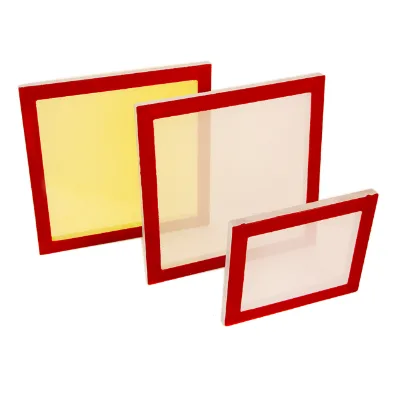


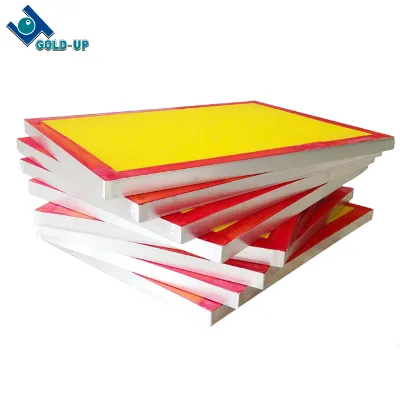
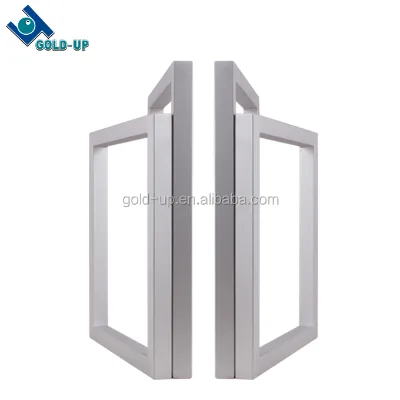
Hot Sale Aluminum Silk Screen Printing Mesh Frame with Competitive Price
$14.50 - $16.00
MOQ: 10 Pieces



Comprehensive Sourcing Guide
Exposed Frame Silver Mesh Sourcing Guide
Sourcing Exposed Frame Silver Mesh requires a nuanced understanding of both the material composition and the structural integration of the framing system. Buyers must distinguish between pure silver woven wire mesh, which offers superior conductivity and corrosion resistance, and silver-colored stainless steel or galvanized alternatives that provide cost-effective durability. The term "exposed frame" typically refers to a mounting or support structure that holds the mesh taut, often used in architectural cladding, industrial filtration, or decorative screening where the aesthetic of the metal and the precision of the weave are visible. Understanding the specific alloy, weave pattern, and frame material is critical to ensuring the product meets both functional and visual requirements.
The procurement landscape for these materials is diverse, ranging from high-precision industrial filters to large-scale architectural screens. Suppliers often offer customization options for mesh dimensions, frame profiles, and surface finishes. Buyers should be aware that "silver" can refer to the visual appearance of stainless steel or the actual precious metal, which drastically impacts cost and application suitability. This guide provides a structured approach to evaluating suppliers, verifying technical specifications, and managing commercial risks associated with sourcing Exposed Frame Silver Mesh products.
Product Scope and Observed Listing Signals
The observed market signals indicate a wide range of product types, including woven mesh, expanded metal mesh, and specialized filter screens. Listings frequently highlight attributes such as "Pure Silver Woven Wire Mesh" and "Silver Wire Mesh," suggesting a strong demand for materials with high aesthetic appeal and specific chemical properties. The presence of models like MS115 and MS110, along with specifications for wire diameters ranging from 0.05mm to 2mm, indicates that suppliers cater to both fine filtration needs and heavy-duty structural applications. Buyers should carefully review product names and descriptions to determine if the "silver" attribute refers to the material itself or merely a coating or finish.
Applications for these products span liquid filtration, solid-liquid separation, gas filtration, and decorative uses such as window curtains or barbecue wire mesh. The observed data shows that some products are designed for high-efficiency screening with mesh counts from 1 to 200, while others are specialized for shading and heat resistance, such as HDPE-based meshes with specific shade rates. This diversity means that a single supplier may offer a broad catalog, but the buyer must isolate the specific product line that matches their technical requirements. It is essential to verify whether the exposed frame is an integral part of the supplied item or if it is a separate component that requires third-party fabrication.
Technical Specifications to Verify
Wire diameter and mesh count are primary determinants of the mesh’s performance in filtration and screening applications. Buyers must verify the exact wire diameter, which can range from fine 0.05mm wires for delicate filtration to thicker 2mm wires for robust structural support. The mesh count, defined as the number of openings per linear inch, directly influences the particle size retention or visibility through the screen. For exposed frame applications, the uniformity of the weave and the consistency of the opening size are critical to preventing material bypass or visual distortion. Suppliers should provide detailed charts correlating mesh count with aperture size for the specific wire diameter selected.
Frame specifications and material compatibility are equally important for the longevity and stability of the installed product. The frame must be constructed from a material that does not corrode or react with the mesh, especially in outdoor or chemical environments. Buyers should inquire about the frame’s thickness, width, and mounting mechanism to ensure it can support the tension of the mesh without deforming. Additionally, the surface treatment of both the mesh and the frame, such as anti-corrosion or alkali-resistant coatings, should be confirmed. For products labeled as "Pure Silver," buyers must verify the purity level and whether the frame is also made of silver or a compatible alloy to prevent galvanic corrosion.
Compliance and Safety Documentation
Certification status is a key indicator of a supplier’s manufacturing quality and adherence to international standards. Observed listings mention certifications such as ISO9001:2008, CE, and SGS, which suggest that the supplier has implemented quality management systems and meets certain safety and performance criteria. Buyers should request copies of these certificates and verify their validity with the issuing bodies. It is important to note that certifications may apply to specific product lines or manufacturing processes, so buyers must ensure that the exact items they are purchasing are covered by the certification scope.
Material safety and environmental compliance are critical, particularly for products used in food, beverage, or architectural applications. While some listings mention RoHS compliance, buyers should not assume this applies to all products without explicit confirmation. For silver mesh, buyers may need documentation regarding the source of the silver and any processing chemicals used. In industrial filtration contexts, compliance with food-grade or pharmaceutical standards may be required. Buyers should ask for material test reports (MTRs) that detail the chemical composition of the mesh and frame materials to ensure they meet regulatory requirements for their specific industry.
Cost Drivers and Commercial Terms
The price range for Exposed Frame Silver Mesh products is highly variable, influenced by the material type, mesh density, and frame complexity. Observed prices range from low-cost industrial screening materials to high-value precious metal meshes. The cost of silver itself is a significant driver, but even stainless steel or galvanized options can vary widely based on wire gauge and weave pattern. Buyers should expect higher unit costs for finer meshes with smaller wire diameters due to the increased manufacturing precision and material usage. Additionally, custom frame fabrication adds labor and material costs, which should be itemized in the quotation.
Minimum Order Quantity (MOQ) and payment terms are critical commercial factors that affect procurement flexibility. Observed MOQs range from 1 unit to 2000 units, with some suppliers requiring a minimum of 10 rolls for certain mesh types. Buyers with smaller requirements may need to pay a premium for small batch production or seek suppliers with lower MOQs. Payment terms, such as deposits or letters of credit, should be negotiated based on the order value and supplier relationship. Buyers should also clarify whether shipping costs, packaging, and any custom tooling fees are included in the quoted price to avoid unexpected expenses.
Supplier Qualification and Quality Control
Supplier location and manufacturing capability are important indicators of reliability and lead time. Many observed suppliers are located in Hebei, China, a region known for its metal processing and wire mesh manufacturing industry. Buyers should verify the supplier’s business type, distinguishing between manufacturers and trading companies, as this affects pricing and direct communication. For custom orders, it is essential to confirm that the supplier has the necessary equipment for weaving, cutting, and frame fabrication. Buyers may request factory audits or video tours to assess production capabilities and quality control processes.
Quality control procedures should be clearly defined before placing an order. Buyers should inquire about in-process inspections, such as checking weave consistency, wire diameter tolerance, and frame alignment. For silver mesh, verifying the purity and surface finish is crucial. Buyers may request pre-shipment samples or third-party inspection reports to ensure the product meets specifications. It is also important to discuss the supplier’s policy for handling defects or non-conforming goods, including return procedures and compensation terms. Establishing a clear quality agreement helps mitigate risks associated with large orders.
Long-Term Procurement Checks
Establishing a reliable supply chain for Exposed Frame Silver Mesh requires ongoing monitoring of supplier performance and market trends. Buyers should track delivery times, product consistency, and responsiveness to issues over multiple orders. Regular communication with the supplier can help identify potential changes in material availability or pricing. For custom products, maintaining detailed records of specifications and drawings ensures that future orders can be replicated accurately. Buyers should also stay informed about industry standards and technological advancements that may offer improved materials or manufacturing techniques.
Sustainability and ethical sourcing practices are increasingly important in procurement decisions. Buyers should inquire about the supplier’s environmental policies, waste management practices, and labor standards. For silver mesh, verifying the source of the silver and ensuring it is sourced responsibly can be part of a broader sustainability strategy. Building a long-term relationship with a qualified supplier can lead to better pricing, priority production, and collaborative innovation. Regular reviews of the supplier’s performance and compliance status help ensure that the partnership remains beneficial and aligned with the buyer’s business goals.
FAQs
What is the standard roll length for Exposed Frame Silver Mesh
The standard roll length is 30 meters, though custom lengths are available upon request. This specification supports consistent production runs and reduces waste during installation. Buyers should confirm if their project requires a specific cut length to avoid excess material.
What mesh counts are available for Exposed Frame Silver Mesh
Mesh counts range from 1 to 200, with specific standards like 20-60 mesh also listed. This wide range allows for various filtration and screening applications. Selecting the correct mesh count depends on the required particle size or flow rate for your specific industrial process.
Can Exposed Frame Silver Mesh be customized for specific dimensions
Yes, customization is available for this product. Widths can be selected from 0.5 to 2 meters, and thickness ranges from 0.1 to 4 mm. Wire diameter options span 0.05 to 2 mm. These adjustable parameters ensure the mesh fits specific frame types and operational requirements.
What is the minimum order quantity for Exposed Frame Silver Mesh
The minimum order quantity is 10 rolls for certain product lines, while general MOQs can range from 1 to 2000 units. Buyers should verify the specific MOQ for their chosen mesh count and dimensions. Lower MOQs may apply to standard sizes, while custom configurations might require larger orders.
What packaging is used for Exposed Frame Silver Mesh
The mesh is typically packed in plywood cases to ensure structural integrity during transport. Some variations may use water-proof film, plastic bags, or wooden boxes. Proper packaging protects the metal mesh from corrosion and physical damage, especially when shipping internationally or storing in humid environments.
What applications are suitable for Exposed Frame Silver Mesh
It is used for liquid filtration, solid-liquid separation, gas filtration, and screening. The material also serves in dustproof and dry filtration applications. Its high efficiency and corrosion resistance make it suitable for industrial processes requiring precise separation and durability under varying chemical conditions.
What certifications are associated with Exposed Frame Silver Mesh
Products may hold ISO9001:2008, CE, and SGS certifications. These standards verify quality management systems and product compliance. Buyers should request current certification documents to ensure the supplier meets international quality and safety requirements for their specific industry regulations.