Source Explosion-Proof Vertical Hydraulic Capstan for Marine, Towing, and Construction
Compare 30 verified listings for the Explosion-Proof Vertical Hydraulic Capstan suitable for marine operations, towing lines, and construction sites. Buyers can evaluate specifications like rated pull, rope speed, and driven modes from manufacturers in Zhejiang and Ningbo.
Key considerations
Products List


Ini Hydraulic Windlass New Quality Mooring Hydraulic Vertical Capstan
$800.00 - $2000.00
MOQ: 1 Pieces


Heavy Duty Hydraulic Efficient Lifting Winch Lifting Equipment Crane Hydraulic Capstan
$270.00 - $2500.00
MOQ: 1 Pieces


Factory Price Vertical Mount Hydraulic Capstan Wire Rope Guide Durable Construction Capstan
$270.00 - $2500.00
MOQ: 1 Pieces

Energy Saving Hydraulic Winch Reliable Efficient Power Smooth Running Hydraulic Capstan
$270.00 - $2500.00
MOQ: 1 Pieces

High Speed Capstan Model Rapid Mooring Line Handling High Efficiency Hydraulic Capstan
$270.00 - $2500.00
MOQ: 1 Pieces

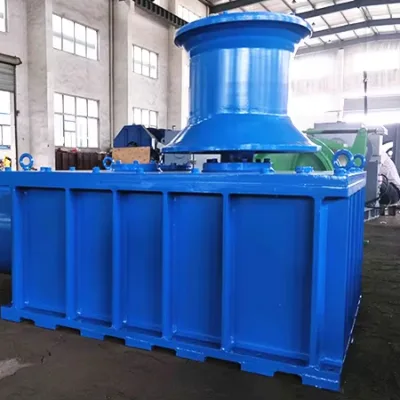


Electric, Hydraulic or Diesel Mooring/Anchor Handing Marine Capstan
$13000.00 - $93000.00
MOQ: 1 Pieces


Durable Steel Capstan for High-Quality Anchoring Solutions Marine Equipment of Capstan
$46000.00 - $48000.00
MOQ: 1 Pieces

Marine Equipment of Anchor Capstan for Sale Marine Electric Anchor Capstan
$3500.00 - $3600.00
MOQ: 1 Pieces


Comprehensive Sourcing Guide
Sourcing Guide for Explosion-Proof Vertical Hydraulic Capstan Systems
Understanding Technical Specifications and Operational Capabilities
When sourcing an explosion-proof vertical hydraulic capstan, buyers must first distinguish between general winch categories and specialized marine or industrial-grade equipment designed for hazardous environments. The core keyword implies a machine capable of handling heavy loads in zones where flammable gases, vapors, or dusts may be present. Based on available product data, the driven type for such systems often utilizes a screw mechanism or electric/hydraulic operated modes. The specific configuration observed includes a single warping head, which is critical for mooring operations where line management is paramount.
The power source is a defining characteristic; the target equipment typically relies on hydraulic power to ensure high torque output at lower speeds, which is essential for controlled mooring. The observed mooring speed for similar units ranges from 18 meters per minute, while rope speeds generally fall between 2 and 12 meters per minute. This variability in speed allows operators to select the appropriate setting based on the vessel's size and the specific maneuvering requirements. The rated tensile force is a critical metric, with observed ranges spanning from 5 to 650 kilonewtons (kN). This broad spectrum indicates that buyers must match the specific pull requirement of their operation to the machine's capacity, ensuring the unit can handle the maximum anticipated load without failure.
The physical construction of these winches often involves iron and steel materials to withstand the corrosive marine environment and the mechanical stress of heavy towing. The wire rope diameter compatible with these units typically ranges from 11 to 46 millimeters, requiring precise selection of the wire rope to match the capstan's groove dimensions. The rope layer configuration, observed as 1 to 4 layers, dictates the total line capacity and the drum design. For vertical configurations, the carrying capacity is often described as a special weight level, necessitating a robust foundation and mounting system. The driven mode, whether electric or hydraulic operated, must be verified against the power availability at the installation site, as hydraulic systems require a dedicated pump and fluid reservoir.
Compliance, Certification, and Safety Standards
Safety is the primary driver for selecting explosion-proof equipment. The product attributes explicitly list "Explosion-Proof" as a key feature, alongside insulating and antiseptic properties. This combination suggests the equipment is designed not only to prevent ignition but also to resist corrosion and maintain electrical integrity in harsh conditions. When evaluating potential suppliers, buyers must verify that the certification status aligns with international maritime and industrial safety standards.
The observed certification landscape includes a mix of ISO, RoHS, CE, and GS marks. These are foundational quality and safety indicators. However, for marine and hazardous area applications, specific classification society approvals are often mandatory. The data indicates that products may carry certifications from CCS (China Classification Society), BV (Bureau Veritas), GL (Germanischer Lloyd), DNV (Det Norske Veritas), and ABS (American Bureau of Shipping). The presence of these certifications is not merely a formality; it is a legal and operational requirement for vessels operating in international waters or regulated industrial zones.
Buyers should verify the specific standard compliance for the explosion-proof rating. While the general standard is listed as "National Standards," the specific application often requires adherence to IECEx or ATEX directives, which are not explicitly detailed in the general product list but are implied by the "Explosion-Proof" attribute. The product origin, noted as Zhejiang or Ningbo in China, suggests a manufacturing hub known for marine equipment, but the origin alone does not guarantee compliance. The buyer must request the specific test reports and certificates of conformity that validate the explosion-proof rating for the specific model number, such as the DY-Capstan or DY628281 series. The warranty period, observed as 3 years, is a significant factor in risk management, indicating the manufacturer's confidence in the product's durability and safety performance over time.
Cost Drivers and Pricing Structures
The pricing for explosion-proof vertical hydraulic capstans is highly variable and influenced by several technical and logistical factors. The observed price range in the market spans from 0.1 to 93,000 USD, a disparity that reflects the difference between small auxiliary units and large, heavy-duty marine winches. The primary cost driver is the rated pull capacity; units capable of 650 kN will naturally command a higher price than those rated for 5 kN. The complexity of the hydraulic system, including the inclusion of drift, support, and positioning functions, also adds to the cost.
Customization is a significant cost variable. The product attributes confirm that customization is available, and the brand options include OEM (Original Equipment Manufacturer) services. Customizing the color, specific dimensions, or integrating unique control interfaces will increase the unit price. The packing method, observed as "Wooden Package" or "Plywood," adds to the shipping cost, especially for heavy machinery requiring specialized crating to prevent damage during transit. The "Regular" packing option may be insufficient for long-distance international shipping, necessitating the more robust wooden case.
Negotiation is a standard part of the procurement process for these industrial assets. The price attribute is listed as "Negotiation," indicating that the listed prices are likely starting points or reference values rather than fixed retail prices. Buyers should anticipate that the final cost will depend on the volume of the order, the specific configuration required, and the payment terms. The MOQ (Minimum Order Quantity) ranges from 1 to 1000 units, suggesting that while single-unit purchases are possible, bulk orders may yield better pricing tiers. Lead times and shipping costs are not explicitly provided in the data but are critical components of the total cost of ownership and should be factored into the budget.
Typical Applications and Operational Environments
The versatility of explosion-proof vertical hydraulic capstans makes them suitable for a wide range of applications, particularly in marine and heavy industrial sectors. The observed usage categories include skid steer operations, towing lines, truck cranes, boats, and trailers. In the marine context, these winches are essential for mooring, anchoring, and towing operations where the risk of explosion is a concern, such as on oil tankers, chemical carriers, or offshore platforms.
The specific configuration of a single warping head is ideal for mooring lines, allowing for efficient handling of ropes without the complexity of multiple drums. The electric drive function, which includes drift, support, and positioning, is particularly valuable for dynamic positioning systems on vessels that need to maintain a precise location in open water. The hydraulic power source ensures that the winch can operate reliably even in environments where electrical sparks could be catastrophic.
In industrial settings, the antiseptic and insulating features make these units suitable for facilities handling volatile chemicals or pharmaceuticals. The ability to operate in "Running Mode: Stationary" suggests that the winch is designed to remain fixed in place while handling heavy loads, rather than being a mobile unit. The rope material, often stainless steel, is chosen for its resistance to corrosion, which is critical for equipment exposed to saltwater or harsh chemical environments. The color customization option allows the equipment to be painted to match specific safety color codes or corporate branding, which is a common requirement in large industrial complexes.
Supplier Evaluation and Brand Verification
When evaluating suppliers for explosion-proof vertical hydraulic capstans, buyers must look beyond the brand name and examine the depth of their technical expertise. The observed brands include "Ini" and "Deyuan Marine," with OEM capabilities explicitly confirmed. The presence of OEM services indicates that the supplier can tailor the product to specific client requirements, which is a strong indicator of a mature manufacturing capability. However, the buyer must verify that the OEM customization does not compromise the explosion-proof integrity of the unit.
The product origin is a key factor in supplier evaluation. The data points to manufacturers in Zhejiang and Ningbo, China. While these regions are known for their manufacturing prowess, the buyer must ensure that the specific factory has the necessary quality control infrastructure to produce certified explosion-proof equipment. The standard compliance, listed as "National Standards" or specific classification society standards like CCS and BV, must be validated through direct communication with the supplier.
Buyers should request a detailed list of past projects and references, particularly those involving similar hazardous environments. The warranty period of 3 years is a positive indicator, but the terms of the warranty must be clearly understood. Does it cover the entire unit, or only specific components? What is the procedure for claiming warranty service? The supplier's ability to provide technical support and spare parts is crucial for long-term operations. The "Price: Negotiation" attribute suggests that the supplier is open to discussion, but the buyer must ensure that the negotiated price includes all necessary documentation, certifications, and shipping costs.
Quality Control and Long-Term Procurement Considerations
Quality control is paramount when dealing with safety-critical equipment like explosion-proof winches. The observed materials, such as iron and steel, and the rope material, stainless steel, must meet specific grade standards to ensure durability. The product packing, whether "Regular" or "Wooden Package," must be sufficient to protect the unit during shipping. The "1sets Per Wooden Case" observation for certain models suggests a standardized approach to packaging, but the buyer should verify that the packaging meets international shipping standards for heavy machinery.
Long-term procurement considerations include the availability of spare parts and the ease of maintenance. The hydraulic system requires regular fluid checks and seal replacements, so the supplier must provide a clear maintenance schedule and access to genuine spare parts. The "3 Years" warranty is a starting point, but the buyer should consider the total cost of ownership over a 10 to 20-year lifespan. The ability to upgrade the control system or replace components without replacing the entire unit is a significant advantage.
The certification status must be maintained throughout the product's life. If the equipment is modified or repaired, the explosion-proof rating may be voided unless the work is performed by a certified entity. Buyers should establish a relationship with the supplier that includes regular quality audits and certification renewals. The "Customization" attribute offers flexibility, but it also introduces complexity in maintenance and parts compatibility. Standardizing the fleet to a single model or manufacturer can simplify these long-term considerations.
Strategic Sourcing and Risk Management
Sourcing explosion-proof vertical hydraulic capstans requires a strategic approach that balances technical requirements, safety compliance, and cost efficiency. The observed data highlights a market with diverse options, from small 5 kN units to massive 650 kN systems. The key to successful procurement is a thorough understanding of the specific operational environment and the precise technical specifications required.
Buyers should prioritize suppliers who can provide comprehensive documentation, including detailed test reports, certification copies, and maintenance manuals. The "Explosion-Proof" feature is non-negotiable, and any ambiguity in the certification status should be resolved before placing an order. The "Negotiation" aspect of pricing allows for flexibility, but the buyer must ensure that the final agreement includes all necessary terms regarding delivery, warranty, and after-sales support.
The "Running Mode: Stationary" and "Screw" driven type observations suggest that the equipment is designed for heavy-duty, fixed installations. This limits the scope of application but ensures reliability in the intended environment. The "One Warping Head" configuration is optimal for specific mooring tasks, and buyers should verify that this matches their operational needs. The "3 Years" warranty provides a safety net, but the buyer must understand the limitations and conditions of this coverage.
In conclusion, the procurement of explosion-proof vertical hydraulic capstans is a complex process that requires careful attention to technical details, certification requirements, and supplier capabilities. By leveraging the observed data and applying rigorous evaluation criteria, buyers can secure equipment that meets their operational needs while ensuring the highest standards of safety and reliability. The market offers a range of options, but the final selection must be based on a comprehensive assessment of the specific application requirements and the supplier's ability to deliver a compliant, high-quality product.
FAQs
What certifications do explosion-proof vertical hydraulic capstans carry?
These units typically carry ISO, RoHS, CE, GS, CCS, BV, GL, DNV, and ABS certifications. Buyers must verify specific classification society approvals like CCS or DNV for marine hazardous environments to ensure legal compliance and operational safety.
How is the rated pull capacity determined for these winches?
The rated pull capacity ranges from 5 kN to 650 kN depending on the specific model. Operators must match the machine's tensile force to the maximum anticipated load to prevent failure during heavy towing or mooring operations.
Which power sources drive explosion-proof vertical hydraulic capstans?
These systems are driven by electric or hydraulic power sources. Hydraulic operation is preferred for high torque output at lower speeds, while electric drive functions may include drift, support, and positioning capabilities for dynamic vessel control.
Can buyers customize the color and specifications of these winches?
Yes, customization is available for color, dimensions, and specific configurations like warping heads. OEM services allow for tailored solutions, though buyers should confirm that modifications do not compromise the explosion-proof integrity or certification status.
What is the typical warranty period for these hydraulic capstans?
The standard warranty period observed for these units is three years. This coverage indicates manufacturer confidence in durability, but buyers should clarify if the warranty includes the entire unit or specific components like hydraulic seals.
Which materials are used to construct these heavy-duty winches?
Construction typically involves iron and steel materials to withstand mechanical stress and corrosion. The wire rope is often made of stainless steel to resist saltwater exposure, ensuring longevity in harsh marine or industrial environments.
How does the rope speed vary across different models?
Rope speeds generally range from 2 to 12 meters per minute, with some models reaching 18 meters per minute. This variability allows operators to select settings appropriate for the vessel size and specific maneuvering requirements.