Source Extendable Trailer Rearview Mirror with Turn Signal for logistics, fleet, and transport
Explore 30 listings for the Extendable Trailer Rearview Mirror with Turn Signal suitable for logistics, fleet management, and transport operations. Buyers can compare specifications, prices, and customization options from verified suppliers.
Key considerations
Products List


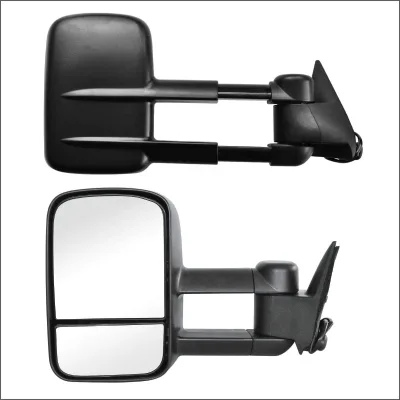


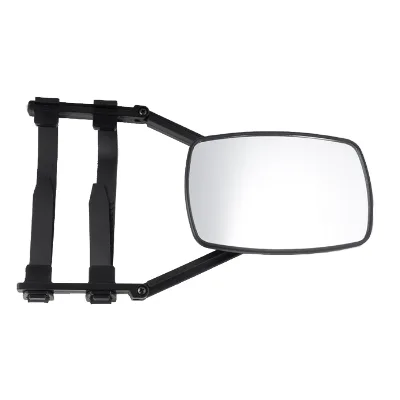
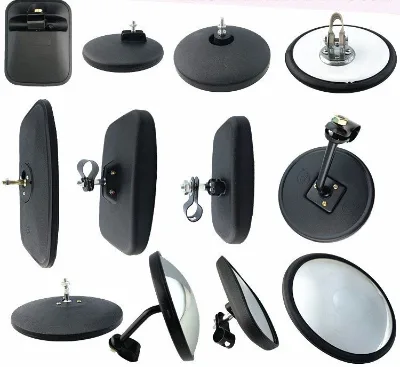
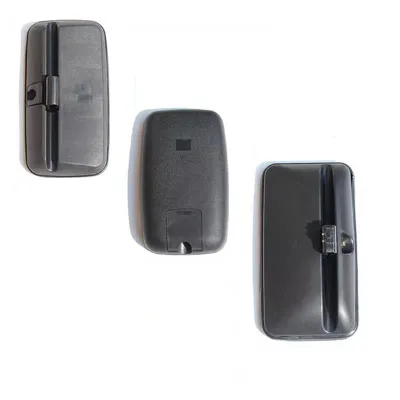
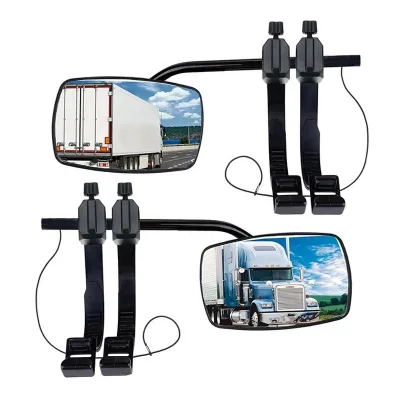


Comprehensive Sourcing Guide
Strategic Sourcing Guide for Extendable Trailer Rearview Mirrors with Turn Signals
Procuring extendable trailer rearview mirrors equipped with integrated turn signals requires a disciplined approach that balances technical functionality with rigorous supply chain verification. These components are critical for heavy-duty logistics, ensuring visibility for large vehicles while enhancing safety through active signaling. The market presents a diverse array of options, ranging from manual extension mechanisms to electrically actuated systems, each with distinct implications for installation, maintenance, and regulatory compliance. Buyers must navigate a landscape where product attributes vary significantly between suppliers, necessitating a fact-based evaluation strategy rather than reliance on generalized marketing claims.
Technical Specifications and Functional Requirements
The core functionality of an extendable mirror system lies in its ability to provide a wider field of view when the trailer is attached and retract to a standard profile for travel. When sourcing these units, the driving system is a primary differentiator. Available configurations include electric actuation systems, which offer automated extension and retraction often controlled via the vehicle's dashboard, and manual variants that require physical adjustment. The electrical requirements for electric models are specific; standard operating voltages observed in the industry often align with 24V systems common in heavy trucks, though 12V variants exist. Buyers must verify the voltage compatibility with their specific fleet to prevent electrical failures.
The physical construction of the mirror housing and the extension mechanism dictates durability. Materials such as steel and aluminum are prevalent in the market. Steel components offer high structural integrity and resistance to impact, making them suitable for harsh environments, while aluminum provides a lighter weight alternative that can reduce strain on the mounting brackets. The finish applied to these materials is equally critical; anodized finishes are frequently utilized to enhance corrosion resistance and aesthetic longevity. The integration of the turn signal function requires precise optical engineering to ensure the light is visible from multiple angles without causing glare to other drivers. The placement on the vehicle, typically the driver's side or right side, must be confirmed against the vehicle's Left-Hand Drive (LHD) or Right-Hand Drive (RHD) configuration to ensure proper visibility and legal compliance.
Compliance and Certification Verification
Regulatory compliance is non-negotiable in the automotive parts sector, particularly for safety-critical components like mirrors with integrated lighting. Buyers must demand evidence of specific certifications that validate the product's adherence to international safety standards. The Emark certification is a key indicator of compliance for vehicles operating within regions that recognize European standards, ensuring the mirror and its lighting elements meet rigorous testing protocols. Additionally, ISO certification for the manufacturing facility serves as a proxy for consistent quality management systems, though it does not guarantee the specific performance of the individual mirror unit.
Other relevant certifications, such as CE marking, indicate conformity with health, safety, and environmental protection standards for products sold within the European Economic Area. When evaluating a supplier, it is essential to request the specific certificate numbers and verify their validity with the issuing authority. The product model numbers provided by the supplier, such as GKB-22185, HC-T-11118, or DZ13241770912, should be cross-referenced with the certification documents to ensure the exact unit being purchased is covered. Relying on a supplier's verbal assurance of compliance without documentary proof exposes the buyer to significant liability risks in the event of an accident or regulatory audit.
Cost Drivers and Pricing Structures
The pricing of extendable trailer mirrors is influenced by a complex matrix of factors, including the complexity of the extension mechanism, the quality of materials, and the integration of electronic components. The observed market price range is broad, spanning from approximately $0.30 to $280 per unit. This variance reflects the difference between basic manual mirrors and advanced electric systems with integrated LED turn signals and heating elements. Buyers should not assume that a lower price point equates to a comparable product; the cost often correlates directly with the durability of the motor, the robustness of the housing, and the quality of the optical glass.
Minimum Order Quantity (MOQ) is another significant cost driver. The market exhibits MOQs ranging from single units to 2,000 units. For small fleet operators or those testing a new supplier, suppliers offering low MOQs are preferable, despite potentially higher per-unit costs. Conversely, large-scale procurement can leverage economies of scale, but the buyer must ensure that the supplier has the capacity to maintain consistent quality across large batches. Packaging methods also impact the final landed cost; products shipped in drums, cartons, or corrugated boxes may incur different freight charges depending on the density and fragility of the packaging. Ocean freight is a common shipping method for international orders, and the weight of the product, which can range from 1kg to 8kg depending on the model, directly influences shipping expenses.
Typical Applications and Vehicle Compatibility
Extendable mirrors with turn signals are primarily designed for heavy-duty applications, including box trucks, semi-trailers, and other commercial vehicles where visibility is compromised by the length of the cargo. The specific vehicle compatibility must be verified against the OE (Original Equipment) numbers or part numbers associated with the buyer's fleet. Common OE references include numbers such as 82943356r, 82943538L, and various 50105785xx series codes. These numbers serve as a critical link between the aftermarket part and the original vehicle design, ensuring proper fitment.
The "Car Fitment" attribute often lists "Other" for generic parts, which requires the buyer to perform a detailed cross-reference check. The mirror's placement on the vehicle, whether for the driver's side or passenger side, must align with the vehicle's configuration. Furthermore, the function of the mirror extends beyond simple visibility; it often includes performance enhancement features, noise reduction capabilities, and aesthetic enhancements. For fleets operating in diverse climates, the mirror's ability to withstand extreme temperatures and road debris is paramount. The condition of the part, typically listed as "New," should be confirmed to ensure no prior use or hidden damage.
Supplier Evaluation and Operational Capabilities
Evaluating a supplier for automotive components requires a deep dive into their operational history and logistical capabilities. The origin of the product is a primary factor; many suppliers are based in China, with specific manufacturing hubs in regions like Changzhou, Jiangsu. While this location offers competitive pricing, it necessitates a robust quality control process to mitigate risks associated with long-distance shipping and potential communication barriers. The brand reputation, such as "Haochen," should be investigated for its track record in the industry, though buyers should remain cautious of generic branding that may not reflect the actual manufacturer.
The customization capabilities of the supplier are a vital consideration. The ability to offer OEM services, indicated by specific model numbers like 5010578504 or 742090, suggests the supplier can produce parts tailored to specific vehicle models or branding requirements. Buyers should assess the supplier's flexibility regarding packing standards, as options range from standard cartons to custom drum packaging. The "Main Market" being "The Whole World" indicates a broad distribution network, but the buyer must verify if the supplier has experience shipping to their specific region and handling the associated customs documentation. Lead times and production capacity should be explicitly discussed, as these factors directly impact inventory management and fleet uptime.
Quality Control and Long-Term Procurement Considerations
Implementing a rigorous quality control protocol is essential for mitigating the risks associated with sourcing automotive parts from international markets. Buyers should insist on pre-shipment inspections that verify the physical dimensions, material composition, and functional performance of the mirrors. The standard dimensions provided, such as 913338 or 1091547, serve as a baseline for inspection, but the actual product must be tested for the smooth operation of the extension mechanism and the brightness of the turn signal. The warranty period, often cited as 1 Year, is a key metric for supplier confidence, but the terms of the warranty must be clearly defined regarding what constitutes a defect versus normal wear and tear.
Long-term procurement considerations extend beyond the initial purchase price. The availability of spare parts and the consistency of the supply chain are critical for maintaining fleet operations. Buyers should evaluate the supplier's ability to provide consistent product quality over time, as variations in manufacturing processes can lead to premature failures. The material standards, such as the use of steel or plastic, and the finish processes, like anodizing, must remain consistent across batches to ensure uniform performance. Additionally, the selling units, often listed as single items, should be evaluated for their suitability in bulk procurement scenarios. By focusing on these long-term factors, buyers can build a resilient supply chain that supports their operational needs without frequent disruptions or quality issues.
Comparative Analysis of Product Attributes
To facilitate a clearer understanding of the variations in the market, the following table summarizes key attributes observed across different product models. This comparison highlights the diversity in specifications, materials, and certifications that buyers must navigate.
| Attribute | Model A (Example) | Model B (Example) | Model C (Example) |
|---|---|---|---|
| Product Model | GKB-22185 | HC-T-11118 | DZ13241770912 |
| Type | Electric | LHD/Rhd | Side Mirror |
| Material | Steel | Plastic | Aluminum |
| Voltage | 24V | N/A | N/A |
| Certification | Emark, ISO | CE | N/A |
| Packing | Drum | Carton | Corrugated Boxes |
| Origin | China | Changzhou, Jiangsu | Made in China |
| Weight Standard | 1kg | 8kg | 5kg |
| Condition | New | New | New |
| Warranty | 1 Year | 1 Year | 1 Year |
This table illustrates that while the core function remains consistent, the specific implementation details vary widely. A buyer must carefully match these attributes to their specific operational requirements. For instance, a fleet requiring electric extension will need to prioritize models with the "Electric" type and 24V voltage, while ignoring those with manual or unspecified actuation. Similarly, the material choice between steel, plastic, and aluminum will depend on the specific durability needs and weight constraints of the vehicle. By systematically evaluating these attributes, buyers can make informed decisions that align with their technical and logistical constraints.
FAQs
What certifications do extendable trailer mirrors have?
These mirrors typically hold Emark, ISO, and CE certifications. Emark validates European safety standards for lighting, while ISO confirms the manufacturer's quality management systems. Buyers must verify specific certificate numbers for each model to ensure compliance.
Which voltage systems are compatible with electric mirrors?
Electric models often operate on 24V systems common in heavy trucks. Some variants may support 12V, so buyers must verify voltage compatibility with their specific fleet to prevent electrical failures and ensure proper operation of the extension mechanism.
How are these mirrors packaged for international shipping?
Packaging options include drums, cartons, and corrugated boxes depending on the model. Ocean freight is a common shipping method, and the weight of the product, ranging from 1kg to 8kg, directly influences shipping expenses and logistics planning.
Can I find mirrors with specific OE numbers?
Yes, suppliers offer parts matching OE numbers like 82943356r and 5010578504. Buyers should cross-reference these codes with their vehicle's original equipment to ensure proper fitment and avoid compatibility issues with their specific fleet vehicles.
What materials are used for mirror construction?
Common materials include steel, aluminum, and plastic for housing and components. Steel offers high impact resistance, while aluminum provides a lighter weight alternative. The finish, such as anodized coating, enhances corrosion resistance and aesthetic longevity.
Where are these products manufactured?
Products originate from China, with specific manufacturing hubs in Changzhou, Jiangsu. Buyers should verify the origin and brand reputation, such as Haochen, to ensure the supplier has the capacity to maintain consistent quality across large batches.
What is the warranty period for these parts?
The standard warranty period is typically 1 Year. Buyers must clarify the terms regarding defects versus normal wear and tear to ensure coverage for potential failures in the extension mechanism or lighting components during the warranty duration.