Source Fabric Permanent Marker Pen for Promotion, School, Office
Explore 30 listings for Fabric Permanent Marker Pen options from verified suppliers. Compare specifications like ink type, writing width, and customization features to find the right tool for promotional, school, or office use; compare the available evidence and request quotations based on your requirements.
Key considerations
Products List
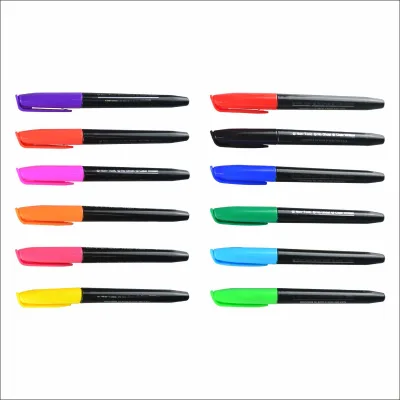
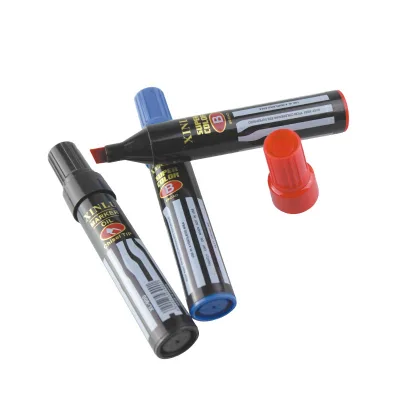


Promotional Multi Colors Art Paint Markers Permanent Marker Pen for Drawing
$0.04 - $0.07
MOQ: 5000 Pieces


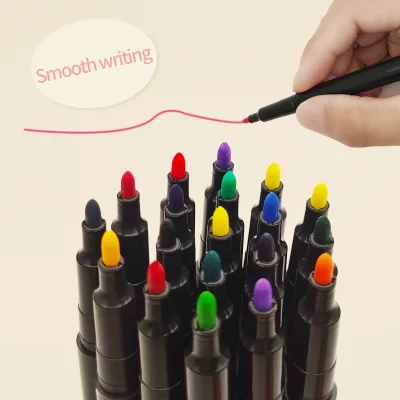
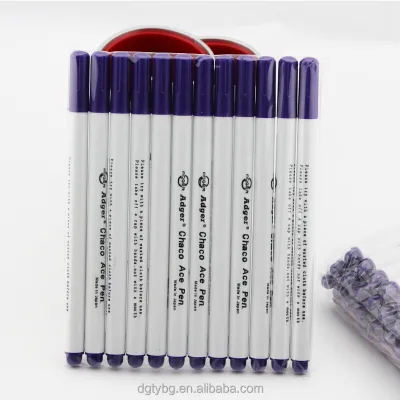
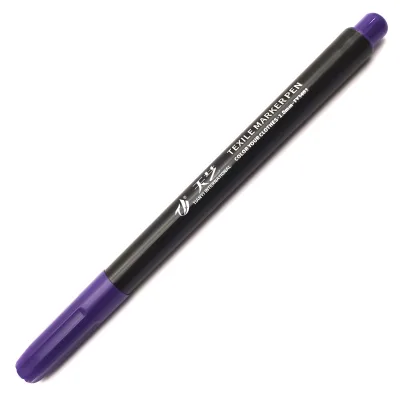
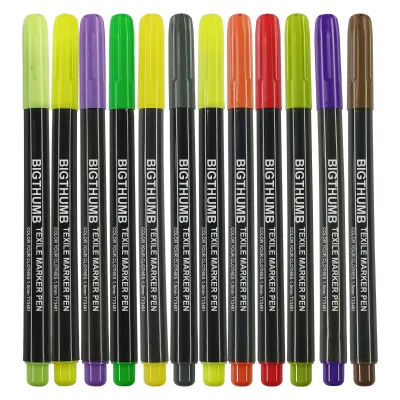
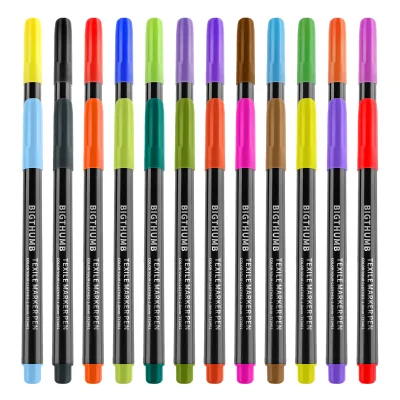
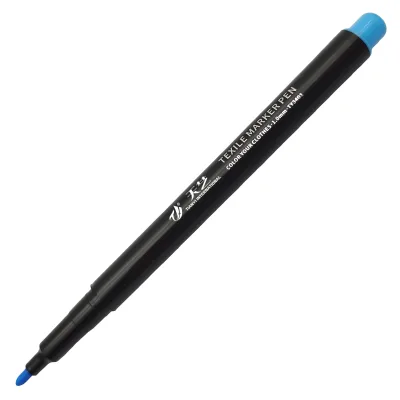
Comprehensive Sourcing Guide
Fabric Permanent Marker Pen Sourcing Guide
Procuring fabric permanent marker pens requires a strategic balance between ink performance, substrate compatibility, and branding flexibility. These markers are engineered to adhere to diverse materials, including textiles, paper, stone, and CDs, making them versatile tools for promotional campaigns, office use, and creative projects. Buyers must prioritize pens that offer quick-drying ink features to prevent smudging on porous surfaces like fabric, ensuring that the final output remains crisp and durable. The choice between single-head and double-headed designs further influences utility, with dual-tip options providing flexibility for both broad coverage and fine detailing in a single tool.
The market offers a wide array of customization options, allowing businesses to tailor products to specific brand identities. From customized logos and packaging to varied color palettes ranging from twelve to thirty shades, these pens serve as effective advertising mediums. However, the sheer variety of specifications, such as writing widths from two to ten millimeters and different tip shapes like flat, oblique, or round toe, necessitates careful selection. Procurement teams must align these technical attributes with their intended usage scenarios, whether for school supplies, business promotions, or artistic endeavors, to ensure the selected markers meet both functional and aesthetic requirements.
Product Scope and Observed Listing Signals
Current market listings indicate a broad spectrum of product configurations, with observed minimum order quantities ranging from two to ten thousand pieces. This wide MOQ range suggests that suppliers cater to both small-scale trial orders and large-volume industrial contracts. The price points observed in the market vary significantly, reflecting differences in material quality, ink formulation, and customization complexity. Buyers should note that while some listings offer low entry barriers, larger orders often unlock better pricing tiers, making volume forecasting a critical component of the sourcing strategy. Understanding these signals helps in negotiating favorable terms and managing inventory costs effectively.
Product attributes reveal a strong emphasis on versatility and customization. Many listings highlight the ability to accept custom logos and packaging, which is crucial for corporate gifting and promotional events. The materials used, primarily PP plastic and standard plastic, provide durability and a comfortable grip, while the ink types are predominantly permanent, ensuring longevity on various surfaces. Some products are specified as non-erasable, which is a key differentiator for applications requiring permanent markings. Buyers should verify these attributes against their specific needs, as the distinction between permanent and erasable inks can significantly impact the suitability of the product for certain fabric types or industrial applications.
Technical Specifications to Verify
Verifying the writing width and tip geometry is essential for ensuring the marker meets the desired application standards. Listings show writing widths ranging from two to ten millimeters, with tip options including flat, oblique, and round toe shapes. These variations allow for different line thicknesses and styles, catering to both detailed drawing and broad highlighting. Buyers must confirm the hardness of the tip, which can range from partial hard to medium soft, as this affects the pressure required for writing and the longevity of the tip on abrasive surfaces like stone or rough fabric. Matching the tip specification to the intended use case prevents premature wear and ensures consistent ink flow.
Ink color and drying time are critical technical factors that influence user satisfaction and product performance. The available ink colors often span from basic black to extensive multi-color sets, with some products offering up to thirty colors. The quick-dry feature is a common attribute, reducing the risk of smudging on absorbent materials like fabric and paper. Buyers should also check the writing medium compatibility, as some markers are optimized for specific surfaces such as CDs, fabrics, or stones. Ensuring that the ink adheres well to the target material without bleeding or fading is vital for maintaining the quality of the final printed or written output.
Compliance and Safety Documentation
Safety compliance is paramount when sourcing markers intended for school or office use, particularly those that may come into contact with children. Buyers should request documentation verifying that the products meet relevant safety standards, such as EN71-3, which pertains to the migration of certain elements in toys and similar items. Although specific certification statuses may vary by supplier, ensuring that the ink and plastic materials are non-toxic and free from harmful substances is a fundamental requirement. This due diligence protects the buyer from liability and ensures that the products are safe for end-users, especially in educational settings where accidental ingestion or skin contact is a concern.
Transparency in material composition and manufacturing standards is another key aspect of compliance. Buyers should inquire about the specific materials used in the pen body, such as PP plastic, and verify that they are recyclable or meet environmental regulations. Additionally, understanding the printing methods used for logos, such as silk printing or full-color printing, can help assess the durability and safety of the ink used in branding. Clear communication with suppliers regarding these compliance aspects ensures that the sourced products align with international safety norms and corporate social responsibility policies, reducing the risk of regulatory issues in the destination market.
Cost Drivers and Commercial Terms
Several factors influence the final cost of fabric permanent marker pens, including the complexity of customization, the number of colors, and the order volume. Customized packaging and logo printing add to the production cost, but they can enhance brand value and justify a higher price point. Buyers should analyze the trade-off between customization depth and unit cost, as more intricate designs or special packaging may require higher minimum order quantities. Understanding these cost drivers allows for better budgeting and negotiation, ensuring that the procurement strategy aligns with the overall marketing and promotional budget.
Commercial terms, such as lead times and payment conditions, also play a significant role in the sourcing decision. While specific lead times are not universally disclosed, buyers should establish clear expectations with suppliers regarding production schedules and delivery dates. Flexible payment terms can help manage cash flow, especially for large orders. Additionally, the packing specifications, such as individual polybags or bulk cartons, impact shipping costs and storage efficiency. Buyers should consider the total landed cost, including logistics and handling, to make informed decisions that optimize both financial and operational outcomes.
Supplier Qualification and Quality Control
Evaluating supplier qualifications is crucial for ensuring consistent product quality and reliable service. Buyers should verify the supplier's production capabilities, including their ability to handle customized orders and maintain quality control throughout the manufacturing process. Suppliers located in regions like Zhejiang, China, often have established supply chains and expertise in producing plastic stationery items. However, it is essential to conduct due diligence to confirm their reputation, production capacity, and adherence to quality standards. Building a relationship with a qualified supplier reduces the risk of defects and ensures a steady supply of high-quality markers.
Quality control measures should be implemented at various stages of production, from raw material inspection to final product testing. Buyers should request samples to evaluate the ink flow, tip durability, and overall build quality before placing large orders. Establishing clear quality acceptance criteria, such as acceptable defect rates and packaging standards, helps in maintaining consistency. Regular audits and feedback loops with suppliers can further enhance product quality and address any issues promptly. By prioritizing supplier qualification and rigorous quality control, buyers can mitigate risks and ensure that the sourced markers meet their performance and aesthetic expectations.
Long-Term Procurement Checks
Long-term procurement success depends on continuous monitoring of supplier performance and market trends. Buyers should regularly review supplier delivery times, product quality, and responsiveness to ensure they meet evolving business needs. Keeping abreast of new ink technologies and tip designs can provide competitive advantages, allowing for the introduction of innovative products to the market. Additionally, maintaining open communication with suppliers fosters collaboration and can lead to better pricing and service terms over time. Proactive relationship management ensures a stable supply chain and supports the long-term goals of the procurement strategy.
Sustainability and regulatory changes are also critical factors to consider in long-term planning. As environmental regulations become stricter, buyers should prioritize suppliers who adopt eco-friendly practices and materials. This includes exploring options for recyclable packaging and non-toxic inks. Staying informed about changes in safety standards and market demands helps in adapting the sourcing strategy accordingly. By integrating sustainability and compliance into long-term procurement checks, buyers can future-proof their operations and contribute to a more responsible and resilient supply chain.
FAQs
How does a Fabric Permanent Marker Pen work on different surfaces?
A Fabric Permanent Marker Pen uses permanent quick-dry ink that bonds to fibers and porous surfaces. Many models write on fabric, paper, stone, and CDs, with typical writing widths from 2 mm to 10 mm depending on the tip. Test on a hidden area first, since fabric blends and coatings can affect absorption and color hold.
What tip shapes are available for Fabric Permanent Marker Pen products?
Common tip options include flat, oblique, and round toe brush tips, which support both line work and filling larger areas. Tip shape controls stroke width, so a flat tip suits broad coverage while a round toe suits detail. Some models are double-headed, giving two tip types in one pen for flexible drawing and writing.
Which ink colors can I order for Fabric Permanent Marker Pen sets?
Sets commonly come in 12, 24, or 30 colors, with black and colored ink options also available. Assortments let buyers cover school, office, and painting uses in one order. Customized colors may be possible when ordering, so confirm the color count, ink shades, and packaging choices with the supplier before placing a purchase.
Can Fabric Permanent Marker Pen orders include custom logos and packaging?
Yes, many models accept customized logos and customized packing, often applied through silk printing or full color printing. Brand names can also be customized in some cases. Typical branding steps include confirming artwork, choosing the printing method, and reviewing packaging formats such as color boxes or polybags before mass production begins.
What materials are used in Fabric Permanent Marker Pen bodies?
Barrels are commonly made from PP plastic or other plastic materials, keeping pens lightweight and economical for promotional, business, school, and office use. Plastic barrels also resist ink staining on the outside. Hardness ranges from medium soft to partial hard depending on the model, which affects grip feel and durability during handling.
How should Fabric Permanent Marker Pen marks be treated on fabric items?
After marking, let the quick-dry ink set fully before handling or laundering the fabric. Because the ink is permanent and not erasable, position marks carefully and test absorption first. Heat setting after drying can improve longevity on some fabrics, but always check the fabric care label and test on a sample before treating finished goods.
Can I order Fabric Permanent Marker Pen products in small quantities?
Minimum order quantities vary widely by model and listing, ranging from as low as 2 pieces to 10,000 pieces, with some items listed at 5,000 pieces. Small quantities usually carry a higher unit price, while bulk orders reduce cost. Confirm the exact MOQ, unit packing, and pricing tier for the specific model before ordering.
What usage scenarios suit Fabric Permanent Marker Pen products best?
These markers fit promotion, business, school, and office scenarios, covering writing, advertising, and painting tasks. Quick-dry permanent ink makes them suitable for labeling fabric, marking stone, paper products, and CDs. Multi-color sets support creative drawing and classroom activities, while single black pens work well for everyday labeling and industrial marking needs.