Source Fabric Hair Clips for Girls for parties, daily wear, and events
Find 30 listings of Fabric Hair Clips for Girls suitable for daily wear, parties, and events. Buyers can compare styles, materials, and customization options from verified suppliers in Zhejiang, China.
Key considerations
Products List
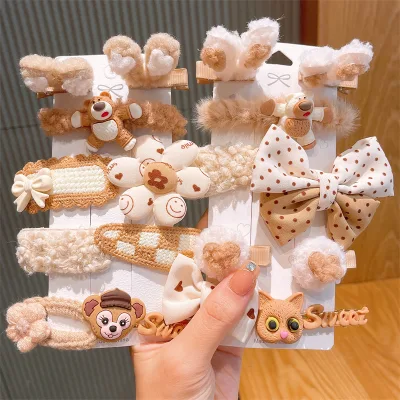


Baby Hair Clips Accessories for Girls Children Fashion Pin Custom Hair Clip
$0.69 - $0.99
MOQ: 50 Pieces


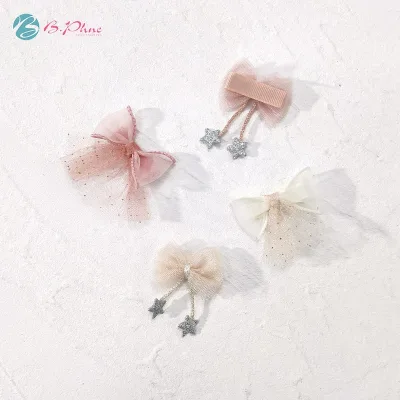

New Hair Clips for Halloween Party Accessories Bow Hair Clips Children's Clips
$0.35 - $0.55
MOQ: 10 Pieces


Wholesale Package Style Headwear Set Hair Clip for Girls Kids Hair Accessories
$0.32 - $0.52
MOQ: 100 Pieces


High End Hair Clip with a Low Ponytail and Spring Design at The Back of The Head
$1.11 - $1.55
MOQ: 20 Pieces
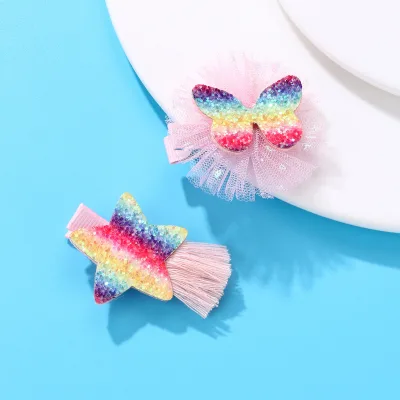
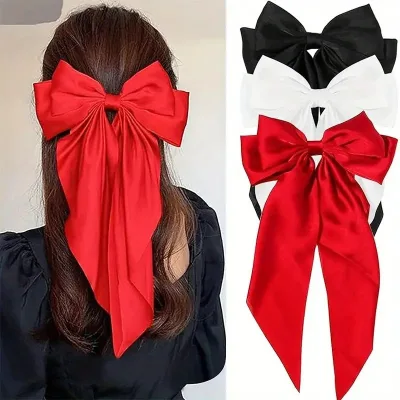
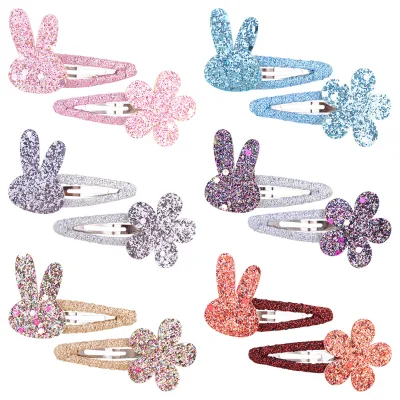


Hair Claws Fashion Fresh Strong Acrylic Acetate Checkered Hair Clips for Girls
$2.45 - $2.65
MOQ: 1000 Pieces
Comprehensive Sourcing Guide
Strategic Sourcing Guide for Fabric Hair Clips for Girls
Understanding Product Attributes and Material Composition
When sourcing Fabric Hair Clips for Girls, the primary objective is to identify products that balance aesthetic appeal with safety and durability. The market for children's hair accessories is diverse, encompassing various sub-categories such as hair bows, hair claws, hair ribbons, and bow clips. A critical observation in the current supply landscape is the variation in material composition. While the core keyword specifies "fabric," actual product listings often reveal a mix of materials, including fabric, plastic, and combinations thereof. For instance, some items are explicitly defined as being made from fabric, while others in the same category utilize plastic injection molding techniques.
Buyers must exercise caution when interpreting product descriptions. A listing may claim "Fabric" as the primary material, yet the manufacturing process described might involve "Injection Molding," which typically indicates a plastic component. This discrepancy suggests that the final product may be a hybrid, such as a fabric-covered clip with a plastic base, or that the listing aggregates different SKUs under a single description. The "Shape" attribute frequently appears as "Bowknot" or "As Picture," indicating that the visual design is a primary driver of the product's identity. The "Style" is often categorized as "Cute," "Simple," or "Fashion," reflecting the target demographic's preference for playful yet versatile designs.
The "Color" options are extensive, ranging from single colors like "Black" or "Pink" to a broad spectrum of ten distinct color variations. This variety allows for customization to match specific fashion trends or school uniform requirements. The "Suitable for" attribute consistently points to "Girls" and "Youth," confirming the target audience. However, the "Type" attribute varies significantly across listings, including "Hair bows for girls," "Hair Claws," "Hair Ribbon," and "Hairpins." This variance underscores the importance of precise specification during the sourcing process to ensure the received goods match the intended use case.
Technical Specifications and Packaging Standards
Technical specifications are vital for logistics planning and inventory management. For fabric hair clips, the physical dimensions and weight are key metrics. Standard single package sizes are often recorded as 10x5x3 cm, which is compact and efficient for shipping. The single gross weight is typically around 0.045 kg, a figure that is crucial for calculating freight costs, especially when shipping in bulk. However, buyers should note that some product standards list weights as 20g or 0.03kg, indicating that weight can fluctuate based on the specific design, the density of the fabric, or the inclusion of additional hardware like metal clips or plastic claws.
Packaging is another critical technical aspect. The standard packing method is often "Carton," but customization is widely available. Many suppliers offer "Customize Acceptable" options for packing, allowing buyers to request specific branding, color-coded boxes, or eco-friendly materials. The "Single package size" and "prod_packing" details must be verified against the supplier's actual capabilities, as some listings mention "Carton" while others focus on individual item packaging. The "Model Number" varies, with examples like "37488" or "Hair cap-01," serving as unique identifiers for specific designs.
The "Technics" employed in manufacturing also vary. While fabric items may rely on sewing and assembly, other listings mention "Injection Molding," suggesting that the clip mechanism itself might be plastic. This distinction affects the durability and feel of the product. For fabric hair clips, the quality of the stitching and the strength of the adhesive used to attach the fabric to the clip are paramount. Buyers should request samples to verify the "Feature" of the product, which is often listed as "decoration," but in practice, the functional aspect of the clip's grip and the fabric's resistance to fraying are equally important.
Compliance, Safety, and Certification Verification
Safety is the paramount concern when sourcing products for children. Although the provided data does not explicitly list specific certification numbers or test results, the nature of the product—intended for "Youth" and "Girls"—demands rigorous compliance checks. In the international market, children's hair accessories must adhere to strict regulations regarding small parts, chemical content, and physical safety. Buyers should verify that the products meet standards such as ASTM F963 in the United States or EN71 in Europe, which govern toy safety and small parts.
The "Material" composition, whether fabric or plastic, must be free from harmful substances like lead, phthalates, or heavy metals. Plastic components, particularly those made via "Injection Molding," should be confirmed as non-toxic and BPA-free. Fabric materials should be tested for flammability and color fastness to ensure they do not bleed dye onto a child's skin or clothing. The "Place of Origin" is listed as "Zhejiang, China," a region known for its manufacturing capabilities, but origin alone does not guarantee compliance. Buyers must request third-party test reports from accredited laboratories to validate that the products meet the safety standards of their target market.
Furthermore, the "Customization" aspect introduces additional compliance risks. If a buyer requests a "Customized Logo/Design," the inks or dyes used for the logo must also be non-toxic. The "Logo" attribute indicates that suppliers accept customized designs, but the safety of the printing process must be verified. Buyers should explicitly ask for a Declaration of Conformity (DoC) and ensure that the supplier has a robust quality management system in place. Without these verifications, the risk of product recalls or regulatory penalties is significant.
Cost Drivers and Pricing Dynamics
The pricing of Fabric Hair Clips for Girls is influenced by several factors, including material costs, labor, customization, and order volume. The observed price range in the market is between 0.1 and 5 USD per unit, a wide spectrum that reflects the diversity in quality and complexity. Lower-priced items typically use basic fabrics and standard plastic clips with minimal packaging. Higher-priced items may feature premium fabrics, intricate designs, custom branding, and specialized packaging.
The "MOQ" (Minimum Order Quantity) is a significant cost driver. Listings show MOQs ranging from 10 pieces to 2000 pieces. An MOQ of 10 pieces is ideal for sampling or small retailers, while an MOQ of 200 or higher is typical for bulk wholesale orders. Buyers should negotiate based on their volume needs, as higher volumes often result in lower unit costs. The "Payment" terms, including T/T, PayPal, Credit Card, and Ali Online Order, also impact the overall cost structure, as different payment methods may incur transaction fees or require deposits.
Customization is another major cost factor. While "Customization" is listed as "Available," adding a "Customized Logo/Design" or specific "Color" variations usually incurs additional setup fees and higher unit costs. The "Superior" attributes of suppliers, such as "Fast Delivery" and "High Speed Reply," may also be reflected in the pricing, as expedited services often come at a premium. Buyers must balance the desire for customization with budget constraints, ensuring that the added cost aligns with the perceived value in the end market.
Supplier Evaluation and Selection Criteria
Selecting the right supplier is critical for ensuring product quality and supply chain reliability. The "Brand Name" in the provided data is "Xinyun," but buyers should not limit their search to a single brand. Instead, they should evaluate suppliers based on their ability to meet specific requirements. Key evaluation criteria include the supplier's experience with children's products, their quality control processes, and their responsiveness to inquiries.
The "Payment" options and "Superior" attributes listed, such as "Fast Delivery" and "High Speed Reply," are indicators of a supplier's operational efficiency. Buyers should prioritize suppliers who demonstrate a commitment to communication and transparency. The ability to "Support Custom Logo/Design/Color/Packing" is a strong indicator of a flexible and capable supplier. However, buyers must verify these claims through sample orders before committing to large volumes.
Supplier location is another factor. The "Place of Origin" is consistently "Zhejiang, China" or "China," which is a major manufacturing hub. Buyers should consider the logistical advantages of sourcing from this region, including established supply chains and competitive labor costs. However, they must also be aware of potential challenges, such as language barriers or time zone differences. A reliable supplier should have a dedicated team to handle international orders and provide clear documentation.
Quality Control and Inspection Protocols
Implementing a robust quality control (QC) protocol is essential for mitigating risks associated with sourcing children's hair accessories. Given the "Feature" of the product as "decoration" and the "Style" as "Cute," the visual appeal is paramount. However, functional quality, such as the strength of the clip and the durability of the fabric, is equally important. Buyers should establish clear acceptance criteria for defects, including loose stitching, color bleeding, or weak clip mechanisms.
The "Single gross weight" and "Single package size" should be verified during the inspection process to ensure consistency. Any deviation from the specified dimensions or weight could indicate a change in materials or packaging, which may affect shipping costs and product presentation. Inspectors should also check for the presence of sharp edges or small parts that could pose a choking hazard, adhering to safety standards.
For customized orders, the "Logo" and "Design" must be inspected for accuracy and quality. The placement, color, and size of the logo should match the approved artwork. Buyers should consider hiring third-party inspection agencies to conduct pre-shipment inspections, especially for large orders. These agencies can provide detailed reports on product quality, packaging, and compliance, ensuring that the final shipment meets the buyer's expectations.
Long-Term Procurement and Supply Chain Stability
Sourcing Fabric Hair Clips for Girls is not just a one-time transaction but a long-term partnership. Buyers should focus on building relationships with suppliers who can scale with their business needs. The "Season" attribute is listed as "Whole Year," indicating that these products are not strictly seasonal and can be sold year-round. This characteristic makes them a stable product line for retailers.
However, market trends change rapidly, and buyers must remain agile. The "Color" options and "Style" variations should be reviewed regularly to ensure they align with current fashion trends. Suppliers who offer "Customization" and can quickly adapt to new designs will be more valuable partners. Buyers should also consider the "Lead Time" and "Delivery" capabilities of their suppliers, as delays can disrupt inventory levels and sales.
Long-term procurement also involves managing risks related to supply chain disruptions. Diversifying the supplier base and maintaining safety stock can help mitigate these risks. Buyers should regularly review their suppliers' performance, including on-time delivery, product quality, and responsiveness to issues. By fostering a collaborative relationship with suppliers, buyers can ensure a steady supply of high-quality Fabric Hair Clips for Girls, meeting the demands of their customers while maintaining profitability.
FAQs
What materials are used for Fabric Hair Clips for Girls?
Products are made from fabric and plastic materials. Some listings specify fabric while others indicate plastic injection molding, suggesting hybrid designs like fabric-covered clips.
Can I customize the logo and design for these accessories?
Yes, customization is available for logos, designs, colors, and packaging. Suppliers accept customized requests, allowing buyers to tailor products to specific branding needs.
What is the minimum order quantity for these hair accessories?
The minimum order quantity ranges from 10 pieces to 2000 pieces depending on the supplier. Lower MOQs suit sampling, while higher volumes are typical for bulk wholesale orders.
Where are these hair clips for girls manufactured?
The place of origin is Zhejiang, China. This region is a major manufacturing hub known for producing children's hair accessories with established supply chains.
How much do Fabric Hair Clips for Girls cost per unit?
The observed price range is between 0.1 and 5 USD per unit. Costs vary based on material quality, customization, and order volume, with lower prices for basic items.
Which styles are available for girls hair accessories?
Styles include cute, simple, and fashion designs. Shapes often feature bowknots or as pictured, catering to youth and girls for daily use occasions.