Source Fan Wheel for Air Conditioners, Experiments, and Manufacturing
Compare 30 Fan Wheel options from verified suppliers in Taiwan and China. These centrifugal and cross-flow wheels support OEM customization for air conditioners, experiments, and manufacturing applications with varying pressure ratings; compare the available evidence and request quotations based on your requirements.
Key considerations
Products List


Comprehensive Sourcing Guide
Fan Wheel Sourcing Guide
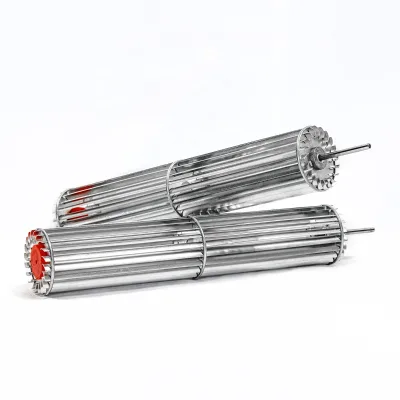
Procuring a carrier cross flow Fan Wheel requires careful attention to the specific application environment, as these components are primarily designed for air conditioning systems and experimental setups. The observed market data indicates a diverse range of materials, including plastic, stainless steel, and iron, which directly influences durability and performance under varying pressure conditions. Buyers must distinguish between low, medium, and high-pressure requirements to ensure the selected wheel matches the operational demands of the target HVAC unit or manufacturing process.
The supply chain for these fan parts originates from multiple locations, including Taiwan and Guangzhou, with major dispatch ports like Kaohsiung facilitating international trade. While the observed listing signals a broad price range and flexible minimum order quantities, the actual selection depends heavily on the specific model number and customization needs. Sourcing strategies should prioritize suppliers offering OEM support and verified certifications to mitigate risks associated with component failure in critical cooling applications.
Product Scope and Observed Listing Signals
The product scope for fan wheels encompasses a wide array of model numbers, such as RXpj9976, RX9984, and various metric dimensions ranging from 200mm to 600mm. These variations reflect different physical standards, including specific axle hole sizes of 25mm, 30mm, and 40mm, alongside blade counts that can reach up to 42. Buyers should verify that the listed dimensions and blade configurations align precisely with their existing housing and motor specifications to avoid compatibility issues during installation.
Listing signals reveal that packaging details vary from standard cartons to export packing, with some suppliers utilizing five-story single carton configurations for protection. The selling units are typically listed as single items, yet the supply ability suggests a capacity of 100,000 pieces per month, indicating robust production capabilities for bulk orders. Procurement teams must scrutinize these logistical details to ensure that the packaging method protects the delicate fan blades during transit and that the supplier can meet volume requirements without compromising quality.
Technical Specifications to Verify
Technical verification begins with confirming the flow direction and pressure rating, as the observed data includes centrifugal flow designs suitable for both low and high-pressure environments. The material composition is a critical differentiator, with options ranging from plastic for cost-effective applications to stainless steel and iron for heavy-duty industrial use. Buyers must explicitly request material certificates to validate that the chosen wheel can withstand the specific thermal and mechanical stresses of the intended air conditioning or experimental setup.
Dimensional accuracy is paramount, with observed standards specifying precise measurements such as 568509mm, 608275mm, and 454*195mm for various models. The axle hole diameter, observed at 25mm, 30mm, and 40mm, must match the motor shaft exactly to prevent vibration and premature wear. Additionally, the number of blades, which can be as high as 42, affects airflow efficiency and noise levels, requiring a detailed review of the technical datasheet before finalizing any purchase order.
Compliance and Safety Documentation
Compliance documentation is essential for international trade, with observed certifications including RoHS, CE, ISO, and CCC, which indicate adherence to environmental and safety standards. The presence of these certifications suggests that the products meet specific regulatory requirements for the European and Chinese markets, but buyers should verify the validity of each certificate for the specific model being sourced. Ensuring that the documentation covers the exact production batch is crucial for maintaining regulatory compliance in the destination country.
Safety standards also extend to the manufacturing process, with some listings indicating adherence to ISO standards alongside product-specific certifications. Buyers should request proof of compliance for the specific pressure ratings and material compositions to ensure the fan wheels do not pose a risk of failure under operational load. Verifying that the supplier maintains up-to-date safety records helps mitigate liability and ensures that the components are safe for use in sensitive environments like air conditioning units and experimental facilities.
Cost Drivers and Commercial Terms
Cost drivers for fan wheels are significantly influenced by the material choice, with stainless steel and iron typically commanding higher prices than plastic alternatives due to raw material costs and processing complexity. The observed price range of 0.2 to 2000 USD reflects this variability, as well as differences in customization levels and order volumes. Buyers should analyze the total cost of ownership, considering that higher initial costs for durable materials may result in lower long-term maintenance and replacement expenses.
Commercial terms such as minimum order quantities and lead times vary widely, with observed MOQs ranging from 1 to 1000 pieces and supply abilities reaching 100,000 pieces monthly. Packaging details and port of dispatch, such as Kaohsiung, also impact the final landed cost through shipping and handling fees. Procurement teams must negotiate clear terms regarding payment schedules and delivery timelines to ensure that the supply chain remains resilient against potential disruptions or demand spikes.
Supplier Qualification and Quality Control
Supplier qualification should focus on verifying the brand name, such as Symabng, and confirming the warranty terms, which are observed to be one year for many listings. A robust warranty indicates the supplier's confidence in their product quality and provides a safety net for buyers in case of premature failure. It is essential to confirm that the warranty covers specific defects related to material fatigue or manufacturing errors rather than just general wear and tear.
Quality control processes must be validated through on-site audits or third-party inspections, especially given the diverse range of materials and models available. Buyers should request detailed quality assurance reports that cover dimensional accuracy, blade balance, and material integrity. Ensuring that the supplier has a consistent track record of meeting the specified standards, such as CE and RoHS, is critical for maintaining the reliability of the fan wheels in long-term operations.
Long-Term Procurement Checks
Long-term procurement checks involve establishing a continuous feedback loop with suppliers to monitor product performance and address any emerging quality issues. Regular reviews of the warranty claims and return rates can provide valuable insights into the durability of the fan wheels under real-world conditions. This proactive approach helps identify potential supply chain vulnerabilities and allows for timely adjustments to the sourcing strategy.
Buyers should also maintain a dynamic inventory of alternative models and suppliers to mitigate risks associated with single-source dependency. Given the variety of model numbers and specifications, having a backup plan ensures that production lines remain operational even if a specific component becomes unavailable. Continuous engagement with suppliers regarding updates in standards and certifications helps keep the procurement process aligned with evolving industry requirements and regulatory changes.
FAQs
What certifications do these fan wheels have?
The fan wheels are certified with RoHS, CE, ISO, and CCC standards. These certifications ensure compliance with international safety and environmental regulations. Buyers can rely on these documented credentials for quality assurance and regulatory adherence in various global markets.
Can I customize the Fan Wheel specifications?
Yes, OEM customization is available for these fan wheels. Buyers can request specific modifications to meet unique operational requirements. This flexibility allows for tailored solutions that align precisely with your project needs and technical specifications.
What is the monthly supply capacity?
The supply ability is 100,000 pieces per month. This high capacity ensures consistent availability for large-scale procurement needs. Buyers can depend on this steady output to maintain uninterrupted production schedules and meet demanding delivery timelines effectively.
Where are these fan wheels manufactured?
These fan wheels originate from Taiwan and China, with specific production in Guangzhou. This location provides access to established manufacturing hubs known for quality components. Buyers benefit from reliable supply chains and efficient logistics from these key industrial regions.
What materials are used in construction?
The fan wheels are constructed from plastic, stainless steel, and iron. These diverse materials offer varying durability and performance characteristics. Buyers can select the appropriate material based on specific environmental conditions and mechanical requirements for their application.
What is the warranty period?
A one-year warranty is provided for these fan wheels. This coverage offers protection against manufacturing defects and ensures product reliability. Buyers gain peace of mind knowing that their investment is safeguarded for the first year of operation.
How are the fan wheels packaged?
Packaging includes five-layer single cartons and export packing options. These methods protect the components during transit and storage. Buyers receive their orders securely packaged to prevent damage, ensuring that the fan wheels arrive in optimal condition for immediate use.