Source Fast Curing Resin Anchor for Construction Woodworking Mining
Explore 30 listings for Fast Curing Resin Anchor solutions tailored for construction, woodworking, and mining tunnel bridge applications. Buyers can compare specifications including bonding strength, curing times, and material compositions to find suitable options.
Key considerations
Products List


Fast Curing Construction Double-Component Epoxy Resin Insulation Anchoring Adhesive
$0.85 - $1.52
MOQ: 12000 Pieces


Injecting Construction Epoxy Resin Anchor Fix Glue Chemical Anchoring Adhesive
$0.50 - $1.23
MOQ: 12000 Pieces
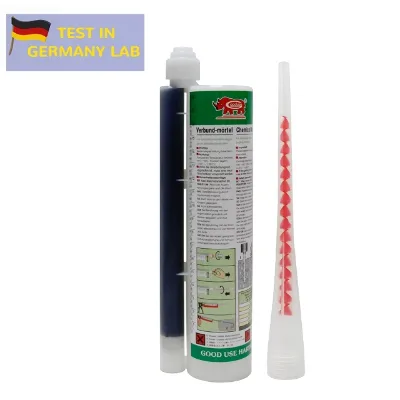
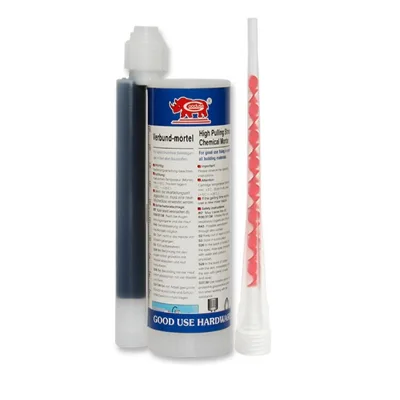
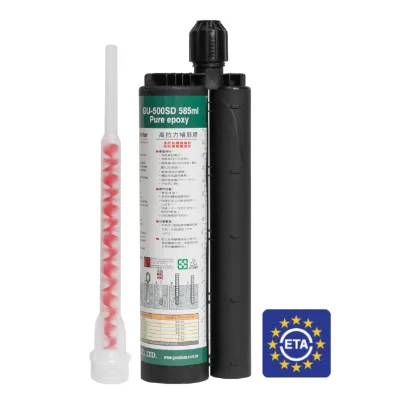
Two Component Injection Epoxy Acrylate Chemical Anchor With High Bond Strength
$3.40 - $4.00
MOQ: 10 Minimum


Comprehensive Sourcing Guide
Strategic Sourcing Guide for Fast Curing Resin Anchors
Procuring fast curing resin anchors requires a disciplined approach that balances immediate installation needs with long-term structural integrity. The market for these specialized construction materials is diverse, featuring products with varying chemical compositions, curing mechanisms, and application scopes. Buyers must navigate a landscape where "fast curing" is a functional attribute rather than a universal standard, often dependent on specific environmental conditions and the chemical formulation of the adhesive. This guide outlines the critical factors for sourcing these materials effectively, focusing on technical verification, compliance, and supplier evaluation based on observable market data.
Technical Specifications and Chemical Composition
The core of any resin anchor system lies in its chemical composition and physical properties. When evaluating potential products, buyers should first distinguish between organic and inorganic adhesive materials, as this dictates the performance envelope. Market observations indicate a split in the supply chain, with some products utilizing organic materials while others rely on inorganic compositions. The main raw material often cited is epoxy, which is a standard for high-strength applications, though unsaturated polyester resins are also present in the catalog.
A critical technical differentiator is the morphology and state of the adhesive. Products are frequently described as solid-state or viscous colloid types. The gel time is a vital specification for fast-curing variants, with observed ranges spanning from 8 seconds to over 180 seconds. This variability means that "fast curing" is relative; a product with a gel time of 8-25 seconds offers immediate handling strength, whereas a 41-90 second window allows for more adjustment time in complex installations. Buyers must verify the specific gel time required for their project's timeline rather than assuming a universal speed.
The bonding function is another essential technical parameter. While many products are classified as structural adhesives designed for heavy loads, others are identified as cryogenic adhesives or pressure-sensitive types. The color of the resin, ranging from yellow, red, blue, and white to grey or customized shades, can sometimes indicate the specific chemical formulation or curing agent used. Additionally, the viscosity is a key factor; high viscosity is often listed as an advantage for vertical applications to prevent slumping, while the bonding strength is universally claimed to be high, though the specific metric must be confirmed via technical data sheets.
Compliance, Certification, and Standards Verification
Ensuring that resin anchors meet regulatory and industry standards is non-negotiable for construction and infrastructure projects. The supply chain presents a mix of certifications and standards that buyers must cross-reference. Observed certifications include ISO 9001 and CE marks, which indicate adherence to quality management systems and European safety standards, respectively. Specific product certificates, such as Mt146.1-2017, may also be present, serving as proof of compliance with specific national or industry testing protocols.
Standards play a pivotal role in validating performance claims. The observed product data references DIN, ASTM, and GB standards, suggesting that compliant products are tested against these rigorous frameworks. However, buyers should be cautious not to assume that every listed product automatically satisfies all mentioned standards. Specific standards like ASTM C882 or EN 196 are often associated with resin anchors but must be explicitly verified for the specific batch or model being purchased. The absence of a specific standard reference in a product listing should trigger a request for documentation rather than an assumption of compliance.
Furthermore, the EINECS number (38891-59-7) is a unique identifier for chemical substances within the European Union, indicating the regulatory status of the raw materials. For buyers operating in regulated markets, verifying that the chemical formula and composition align with local environmental and safety regulations is essential. The presence of a "Certificate" field in product listings often points to a specific test report, which should be reviewed to ensure the product has undergone the necessary validation for its intended application.
Cost Drivers and Pricing Dynamics
Understanding the cost structure of fast curing resin anchors is vital for budget management. The observed price range in the market is broad, spanning from $0.10 to $89.00 USD. This wide variance is not merely a reflection of brand value but is driven by several tangible factors. The primary cost driver is the volume of purchase, as indicated by the Minimum Order Quantity (MOQ) range of 1 to 12,000 units. Bulk purchases often secure lower unit costs, while single-item orders or small trials command a premium.
Packaging and logistics also significantly influence the final price. Products are available in various packing configurations, including wooden boxes, cartons, and specialized cartons designed for specific quantities like 360ml*30pcs. The single gross weight of 0.500kg per unit suggests that shipping costs for heavy or dense resin anchors can be substantial, particularly for international procurement. The origin of the product, consistently listed as China, impacts freight costs and lead times, which are indirect but significant cost components.
Additionally, the "Negotiable" price attribute observed in the market indicates that the listed price is often a starting point. Buyers should expect to engage in negotiations based on order volume, customization requirements, and long-term partnership potential. The selling unit is typically the single item, but bulk pricing structures are implied by the high MOQs available. Buyers should request detailed quotes that separate material costs from packaging and shipping fees to ensure accurate total cost of ownership calculations.
Typical Applications and Industry Suitability
Fast curing resin anchors are versatile tools deployed across a wide spectrum of industries. The primary application sectors identified include construction, woodworking, and specialized infrastructure projects such as mine tunnels and bridges. The ability to bond in various environments makes these adhesives suitable for both indoor and outdoor use, with specific formulations designed for waterproof performance.
In the construction sector, these anchors are essential for securing fixtures to concrete, masonry, and stone. The classification of the product as "room curing" suggests that they can be applied and set at ambient temperatures without the need for external heating, which is a significant advantage in field conditions. The "mine tunnel bridge" application highlights their use in high-stress, high-risk environments where structural integrity is paramount. The high adhesion strength and fast curing capabilities are particularly valuable in these scenarios, allowing for rapid installation and immediate load-bearing capacity.
The product data also lists "Building Material Shops" and "Energy & Mining" as applicable industries, reinforcing the industrial nature of the supply chain. For woodworking applications, the adhesive must provide strong bonding without damaging the substrate, a feature often associated with the specific viscosity and curing time of the resin. Buyers should match the specific application requirements, such as the need for waterproofing or resistance to cryogenic temperatures, with the product's stated characteristics to ensure optimal performance.
Supplier Evaluation and Customization Capabilities
Selecting the right supplier involves more than just comparing prices; it requires a deep dive into their capabilities and flexibility. The market data indicates that customization is available, allowing buyers to tailor products to specific project needs. This includes options for customized colors and potentially specific formulations. The acceptance of OEM (Original Equipment Manufacturer) services suggests that suppliers are willing to brand products or modify packaging to meet the buyer's corporate identity or logistical requirements.
When evaluating suppliers, buyers should verify the consistency of their product attributes. For instance, while some products are listed with a "Without Processing" surface treatment, others may have different finishes. The consistency of the "Main Agent Composition" and "Promoter Composition" across batches is critical for maintaining performance standards. Suppliers who can provide clear documentation on their raw materials, such as the specific epoxy or polyester content, demonstrate a higher level of transparency and quality control.
The location of the supplier, consistently noted as China, presents both opportunities and challenges. While this location offers competitive pricing and a vast manufacturing base, buyers must assess the supplier's logistics capabilities and lead times. The ability to handle large MOQs up to 12,000 units indicates a robust production capacity, but it also requires careful inventory planning. Buyers should prioritize suppliers who offer clear communication channels and can provide samples for pre-shipment testing to validate the product against their specific requirements.
Quality Control and Long-Term Procurement Considerations
Quality control is the backbone of a successful procurement strategy for fast curing resin anchors. The shelf life of these products is a critical factor, with observed ranges of 3-6 months and 6-12 months. Buyers must ensure that the products they receive have sufficient remaining shelf life to complete their projects without degradation. The "Formula" being a mixture implies that the stability of the components is crucial, and any deviation in storage conditions could affect the gel time and bonding strength.
Long-term procurement considerations include the reliability of the supply chain and the consistency of product quality. Buyers should establish a relationship with suppliers who can guarantee consistent adherence to standards like DIN, ASTM, and GB. Regular audits of the supplier's quality management systems, such as ISO 9001 certification, can help mitigate risks. Additionally, the availability of technical support and the ability to troubleshoot application issues are valuable assets for long-term partnerships.
Finally, buyers should consider the environmental and safety implications of the products. The "EINECS" number and the specific chemical composition should be reviewed to ensure compliance with local environmental regulations. The "Waterproof" characteristic and "High Viscosity" features are not just performance metrics but also indicators of the product's durability and suitability for harsh environments. By focusing on these quality and sustainability factors, buyers can ensure that their procurement of fast curing resin anchors supports the longevity and safety of their projects.
FAQs
What certifications do fast curing resin anchors typically hold?
Products often hold ISO 9001 and CE certifications. Specific certificates like Mt146.1-2017 may also be present. Buyers must verify these against project requirements rather than assuming universal compliance.
How is the gel time defined for these adhesive products?
Gel time ranges from 8 seconds to over 180 seconds depending on the formulation. This variability means fast curing is relative, so buyers must verify the specific window required for their installation timeline.
Which raw materials are used in fast curing resin anchors?
Main raw materials include epoxy and unsaturated polyester resins. Some products use organic materials while others rely on inorganic compositions. The specific formulation dictates the performance envelope for structural applications.
Can buyers request customization for these adhesive products?
Customization is available for colors and potentially specific formulations. OEM services are accepted, allowing buyers to tailor products to project needs. Buyers should confirm specific customization limits with the supplier.
What is the typical shelf life of these resin anchors?
Shelf life ranges from 3 to 12 months depending on the product. Buyers must ensure received stock has sufficient remaining life to complete projects without degradation. Storage conditions significantly impact this duration.
How does the Minimum Order Quantity affect pricing?
MOQs range from 1 to 12,000 units, directly influencing unit costs. Bulk purchases often secure lower prices while single-item orders command a premium. Buyers should negotiate based on volume and partnership potential.