Source Fast Curing Universal Cyanoacrylate Adhesive for Construction, Automobile, and Woodworking
Find 30 listings for Fast Curing Universal Cyanoacrylate Adhesive suitable for bonding rubber, metal, and plastic. Compare viscosity, cure times, and shear strength across models 498, 414, 495, 508A, and 406 from verified suppliers.
Key considerations
Products List


High Strength Fast Curing Instant Cyanoacrylate Adhesive for Multi Material Bonding
$16.00 - $20.00
MOQ: 100 Pieces


Multi-Purpose High Bond Instant Glue Cyanoacrylate Adhesive for Industrial Hardware Repair
$16.00 - $20.00
MOQ: 100 Pieces


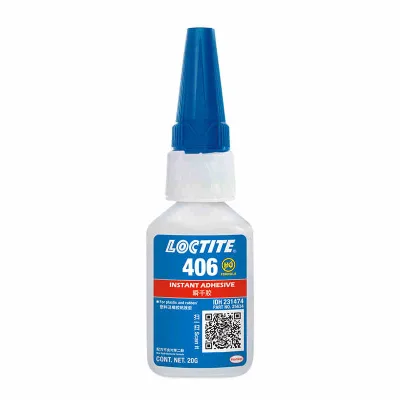


Thick Super Fast DIY Glue Cyanoacrylate Adhesive Strong All Purpose Ca Glue
$0.10 - $0.30
MOQ: 20000 Pieces


Comprehensive Sourcing Guide
Fast Curing Universal Cyanoacrylate Adhesive Sourcing Guide
Procuring fast-curing universal cyanoacrylate adhesive requires a disciplined approach to balancing speed, strength, and material compatibility. These adhesives, often referred to as instant glues, rely on methyl-2-cyanoacrylate as their primary active ingredient to achieve rapid bonding across diverse substrates. The chemical formula, typically represented as CH2=C(Cn)Cooch3, indicates a solvent-based morphology that cures through reaction with surface moisture. Buyers must recognize that "universal" does not imply compatibility with every material; rather, it signifies versatility across common industrial categories such as rubber, metal, plastic, wood, and leather. Understanding the specific chemical behavior of these organic materials is essential for selecting the right product for high-volume manufacturing or specialized construction tasks.
The market landscape for these adhesives is characterized by a wide variance in technical performance and commercial terms. Observed listings indicate a price range from $0.05 to $20 USD, reflecting differences in packaging sizes, viscosity grades, and brand positioning. Minimum Order Quantities (MOQs) vary significantly, ranging from single units for sampling up to 20,000 units for bulk industrial contracts. This disparity necessitates a clear definition of procurement volume and usage frequency before engaging with suppliers. Buyers should also note that customization is available, allowing for tailored solutions in terms of viscosity, curing speed, and packaging, which can be critical for integrating the adhesive into automated dispensing systems or specific assembly line workflows.
Product Scope and Observed Listing Signals
The application scope for fast-curing cyanoacrylate adhesives extends across multiple heavy industries, including construction and automobile manufacturing. Within these sectors, the adhesive is frequently utilized for bonding rubber, metal, and plastic components where rapid fixture times are paramount. The observed data highlights specific models such as 498, 414, 495, 508A, and 406, each catering to distinct operational needs. For instance, some variants are optimized for woodworking, packing, footwear, and fiber garments, while others are engineered for high-strength structural bonds in automotive assemblies. The presence of OEM and ODM services suggests that many manufacturers are prepared to white-label products or adjust formulations to meet specific client requirements, providing flexibility for brands seeking proprietary solutions.
Listing signals reveal significant variation in physical properties, which directly impacts suitability for different tasks. Viscosity levels observed range from low-viscosity fluids at 40 MPa·s to higher-viscosity gels at 500 MPa·s, with medium viscosity options also available. This variation allows buyers to select adhesives that can penetrate tight gaps or bridge larger voids; for example, gap fill capabilities range from 0.1 mm to 0.25 mm. Additionally, color options are predominantly clear, ensuring aesthetic neutrality in visible assemblies. The morphology is consistently described as solvent-based, which influences handling and ventilation requirements during application. Buyers must carefully match these physical attributes to their specific joint design and material types to avoid issues such as blooming, whitening, or insufficient bond strength.
Technical Specifications to Verify
Verifying technical specifications is critical to ensuring the adhesive meets the mechanical demands of the application. Key parameters include tensile shear strength, which varies across observed models from 7-21 N/mm² to as high as 18-25 N/mm². Some listings also cite shear strength in MPa, with values ≥12 MPa noted for certain formulations. Buyers must clarify the testing standards used to derive these numbers, as different methodologies can yield vastly different results. Fixture times are another crucial metric, ranging from 20 seconds to 50 seconds, with some products advertising curing speeds of 5-15 seconds. These times dictate the pace of assembly lines and the need for clamping or holding fixtures, making precise verification essential for production planning.
Environmental resistance and curing conditions must also be rigorously assessed. Temperature ranges for operational stability differ, with some adhesives performing reliably from -50°C to 120°C, while others are limited to -50°C to 80°C. Full cure times typically extend to 24 hours, although initial handling strength is achieved much sooner. Shelf life is another variable, with observed periods of 6 months and 12 months, influenced by storage conditions and packaging integrity. The working temperature range, noted as -20°C to +80°C for some variants, indicates the ambient conditions under which the adhesive can be effectively applied. Buyers should request detailed technical data sheets that specify these ranges and verify that the product’s thermal stability aligns with the end-use environment of the bonded components.
Compliance and Safety Documentation
Safety and compliance documentation form the backbone of responsible procurement, particularly for adhesives containing methyl-2-cyanoacrylate. While specific certification statuses vary by supplier, buyers should prioritize vendors who provide comprehensive Safety Data Sheets (SDS) that detail handling, storage, and emergency response procedures. The presence of ISO certifications, such as ISOHeat Resistance or references to ISO10993 for biocompatibility, may be relevant depending on the end application, especially if the bonded items come into contact with skin or food. However, buyers must verify the exact scope of these certifications, as they may apply only to specific product lines or raw materials rather than the final adhesive formulation.
Waterproofing capabilities are a notable feature in many listings, with products explicitly marked as waterproof. This attribute is vital for applications exposed to moisture or outdoor environments, but buyers should confirm the long-term durability of the bond under wet conditions. Additionally, the chemical composition, identified as organic material, necessitates proper ventilation during application to avoid inhalation risks. Buyers should ensure that suppliers provide clear labeling regarding flammability, irritancy, and first-aid measures. Documentation should also address disposal requirements, ensuring that the procurement process aligns with local environmental regulations and corporate sustainability goals.
Cost Drivers and Commercial Terms
Cost structures for cyanoacrylate adhesives are influenced by packaging, volume, and customization levels. Observed packaging options include standard cartons, cartons with bubble wrap for enhanced protection, and specific volume containers such as 20ml or 20g/50g/1kg formats. The choice of packaging affects both the unit price and the logistical costs associated with storage and handling. Buyers should evaluate the total cost of ownership, including the efficiency of dispensing and the reduction in labor time due to fast curing, rather than focusing solely on the per-unit price. The wide price range of $0.05 to $20 USD reflects these variables, with higher prices often corresponding to specialized formulations or premium packaging.
Commercial terms such as MOQ and lead times are critical for supply chain planning. With MOQs ranging from 1 to 20,000 units, buyers can negotiate terms that align with their inventory management strategies. Suppliers offering OEM/ODM services may have higher MOQs due to the setup costs associated with custom branding or formulation adjustments. Buyers should also inquire about payment terms, shipping options, and return policies for defective batches. Clear communication regarding these commercial aspects helps mitigate risks associated with supply chain disruptions and ensures that the procurement process remains cost-effective and efficient.
Supplier Qualification and Quality Control
Supplier qualification involves assessing the manufacturer’s ability to maintain consistent quality and meet technical specifications. Buyers should verify the origin of the products, with observations indicating origins in Yantai and China, and check for established production standards such as model 498, 414, 495, 508A, and 406. These model numbers often correspond to specific internal standards or product lines, providing a reference point for quality consistency. Suppliers should be able to provide batch-to-batch consistency reports and demonstrate robust quality control processes, including viscosity testing, shear strength verification, and shelf-life stability checks.
Quality control extends to the packaging and labeling process, which must protect the adhesive from moisture and temperature fluctuations that can degrade performance. Observations note packaging in cartons, with some variants using bubble wrap for added protection. Buyers should inspect sample shipments for packaging integrity and label accuracy, ensuring that all critical information, including batch numbers, expiration dates, and safety warnings, is clearly displayed. Establishing a relationship with suppliers who prioritize transparency and continuous improvement in their quality management systems is essential for long-term success in sourcing these critical bonding materials.
Long-Term Procurement Checks
Long-term procurement success depends on regular performance reviews and adaptation to changing market conditions. Buyers should monitor the adhesive’s performance in real-world applications, tracking metrics such as bond strength retention, curing consistency, and user feedback from assembly line operators. Periodic re-evaluation of supplier performance, including delivery reliability and technical support responsiveness, helps identify potential issues before they impact production. Additionally, staying informed about advancements in adhesive technology and regulatory changes ensures that the procurement strategy remains aligned with industry best practices and compliance requirements.
Sustainability and environmental impact are increasingly important factors in long-term sourcing decisions. Buyers should explore options for eco-friendly formulations or recyclable packaging where possible, without compromising performance. Engaging with suppliers who are committed to reducing their environmental footprint can enhance brand reputation and meet growing consumer demand for sustainable products. By maintaining a proactive approach to supplier management and continuous improvement, buyers can secure a reliable supply of fast-curing universal cyanoacrylate adhesive that supports their operational goals and strategic objectives.
FAQs
What is the fixture time for this instant adhesive?
The fixture time is 50 seconds for the standard model and 20 seconds for the high-speed variant. This rapid setting allows for quick assembly in construction and automobile applications without delaying production lines.
Which temperature range does the adhesive withstand?
The adhesive operates effectively between -50 and 120 degrees Celsius for general use. Some specific models are rated for a narrower range of -50 to 80 degrees Celsius, ensuring stability in varying environmental conditions.
Can the product be customized for specific needs?
Yes, customization is available for this instant adhesive product line. Buyers can request specific packaging or formulation adjustments to meet unique project requirements while maintaining the core bonding performance of the cyanoacrylate material.
What is the tensile shear strength of the glue?
Tensile shear strength ranges from 7 to 21 newtons per square millimeter depending on the specific model. Higher performance variants achieve 18 to 25 newtons per square millimeter, providing robust bonding for metal and plastic substrates.
How long is the shelf life of the adhesive?
The shelf life is typically 12 months for standard packaging and 6 months for certain specialized formulations. Proper storage in cool, dry conditions is essential to maintain the chemical stability of the methyl-2-cyanoacrylate composition.
What materials can this instant glue bond together?
This adhesive bonds rubber, metal, plastic, wood, and leather effectively. It is suitable for woodworking, packing, footwear, and garment applications, offering versatile solutions for diverse industrial and commercial manufacturing needs.
Is OEM and ODM service provided for this product?
Yes, both OEM and ODM services are provided for this instant adhesive. Manufacturers support custom branding and formulation changes, allowing buyers to source products that align with their specific brand identity and technical specifications.