Source FCL Sea Container Shipping for Retail, Manufacturing, and E-commerce
Compare 30 verified options for FCL Sea Container Shipping services covering global routes from China to major markets. Buyers can evaluate transit times, delivery terms like DDP, and warehouse availability to find the best fit for their logistics needs.
Key considerations
Products List



Comprehensive Sourcing Guide
Strategic Sourcing Guide for FCL Sea Container Shipping
Understanding the Core Logistics Framework for FCL Shipments
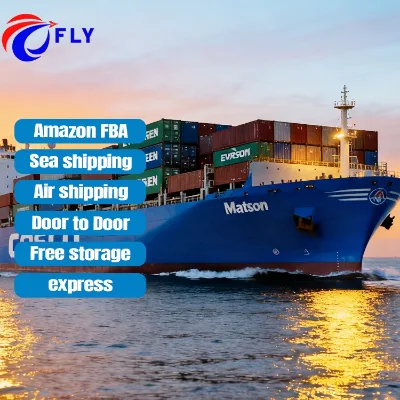
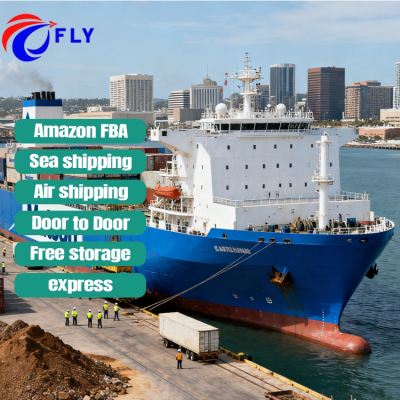
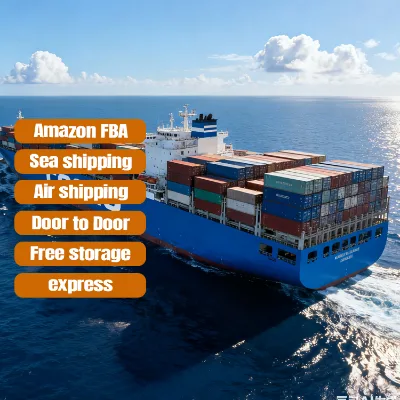
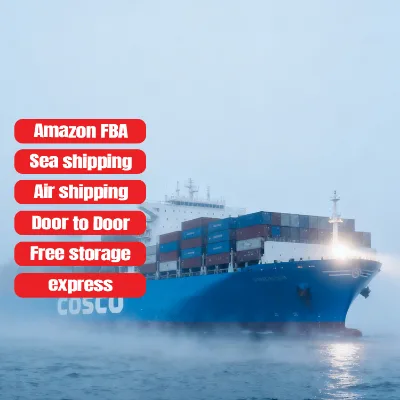
When sourcing products globally, Full Container Load (FCL) sea container shipping represents a critical logistical strategy for buyers managing high-volume orders. Unlike Less than Container Load (LCL) options, FCL allows a single shipper to occupy an entire container, providing distinct advantages in security, handling, and transit predictability. Based on current market observations, the operational framework for these shipments often involves a robust network of departure ports in China, including major hubs such as Shanghai, Qingdao, Guangzhou, Xiamen, Shenzhen, Shantou, Tianjin, Dalian, and Ningbo. These ports serve as the primary origin points for international cargo, facilitating the movement of goods to diverse global destinations.
The transit dynamics for FCL shipments vary significantly depending on the specific route and carrier schedules. Observed data indicates that transit times can range from a single day for specific regional legs to extended periods of 10, 15, 30, or even up to 28 days for intercontinental routes. For instance, shipments destined for the United States, Canada, or European nations like the United Kingdom, France, Germany, and Italy often operate within a 10 to 30-day window. Buyers must recognize that while some services advertise rapid transit times of 13 or 15 days, others may require 18 to 28 days to reach final destinations. The consistency of these timelines is heavily influenced by the chosen shipping terms, such as DDP (Delivered Duty Paid) or DAP (Delivered at Place), which dictate the point of responsibility transfer between the supplier and the buyer.
Technical Specifications and Packaging Standards
The physical integrity of goods during FCL transport relies heavily on adhering to specific technical specifications and packaging standards. In the context of sea freight, the container itself is a standardized unit, typically available in 20-foot General Purpose (20'GP), 40-foot General Purpose (40'GP), and 40-foot High Cube (40'HC) configurations. These dimensions are critical for calculating cargo volume and ensuring optimal utilization of the container space. For buyers, understanding the standard packing requirements is essential to prevent damage during the long-haul journey.
Common packaging configurations observed in the market include cartons, pallets, wooden boxes, crates, barrels, and bales. Specific product models, such as those designated as "NOVA SEA" or "S01," often require specialized handling or specific packing protocols. For example, certain shipments utilize a standard packing size of 30x30x30 cm, while others may be arranged on pallets or within wooden cases to withstand the rigors of ocean transport. The choice of packaging must align with the cargo type, which is generally classified as general cargo, but can vary based on the specific nature of the goods being shipped.
Furthermore, the loading process often involves picking up goods from a factory address, with coverage extending across the whole of China. This logistical step ensures that the cargo is consolidated correctly before being loaded into the container. Buyers should verify that their suppliers utilize professional customs clearance services and provide all necessary documentation to ensure smooth passage through international borders. The absence of proper documentation or non-compliant packaging can lead to significant delays, especially when dealing with complex routes involving multiple jurisdictions.
Compliance, Certification, and Regulatory Considerations
Navigating the regulatory landscape is a fundamental aspect of FCL procurement. While specific certification statuses for individual suppliers cannot be generalized, buyers must ensure that their logistics partners and suppliers adhere to international trade standards. The terms of shipment, which may include EXW (Ex-Works), FOB (Free on Board), FCA (Free Carrier), CIF (Cost, Insurance, and Freight), DDU (Delivered Duty Unpaid), and DDP, play a pivotal role in defining compliance responsibilities. Under DDP terms, for instance, the seller assumes responsibility for all costs and risks, including customs duties and taxes, until the goods are delivered to the buyer's specified location.
Compliance also extends to the destination requirements of the importing country. Destinations such as the United States, the United Kingdom, and various European nations have strict import regulations. Buyers must verify that their suppliers can provide all necessary documents, including commercial invoices, packing lists, and certificates of origin. The availability of professional customs clearance services is a key indicator of a supplier's ability to navigate these regulatory hurdles. Additionally, the "FBA Amazon Delivery" support mentioned in some logistics offerings suggests that suppliers may be equipped to handle specific e-commerce compliance requirements, ensuring that goods meet the stringent standards of major online marketplaces.
Cost Drivers and Financial Planning
The financial structure of FCL shipping is influenced by several variable cost drivers that buyers must account for in their procurement budgets. The primary cost components include the base freight rate, which fluctuates based on container type (20'GP vs. 40'HC), seasonal demand, and fuel surcharges. Observed price ranges in the market can vary widely, from as low as $0.20 to over $4,900, depending on the specific service level, container size, and destination. However, these figures are highly contextual and should not be treated as fixed rates without verifying current market conditions.
Additional costs often arise from inland transportation, customs clearance fees, insurance, and potential demurrage or detention charges if the container is not returned on time. The choice of shipping terms significantly impacts the buyer's financial exposure. For example, selecting FOB terms shifts the cost of ocean freight and insurance to the buyer, whereas DDP terms bundle these costs into a single price point. Buyers should also consider the "Cost-Effective" nature of certain logistics providers, which may offer competitive pricing without compromising on service quality. However, the lowest price is not always the most economical choice when factoring in potential delays or hidden fees.
To manage these costs effectively, buyers should request detailed quotes that break down all charges. Understanding the Minimum Order Quantity (MOQ) is also crucial, as it can range from 1 to 100 units depending on the supplier. High-volume orders often benefit from economies of scale, making FCL the most cost-efficient option compared to LCL. The total supply capacity, observed to be between 8,000 and 10,000 kg, further influences the pricing strategy, as larger shipments can often negotiate better rates per unit.
Supplier Evaluation and Operational Reliability
Selecting the right supplier for FCL shipments requires a rigorous evaluation process that goes beyond price comparisons. Buyers should assess the supplier's logistical capabilities, including their ability to handle "Cover The Whole China" pickup services and their network of departure ports. A reliable supplier should demonstrate consistency in departure schedules, with options available on specific days like Wednesdays or on a daily basis. This flexibility is essential for maintaining supply chain continuity and meeting production deadlines.
The supplier's track record in handling international routes is another critical factor. Destinations such as Finland, Poland, the United States, Canada, Brazil, the United Kingdom, France, Germany, Spain, Portugal, Italy, Norway, Sweden, and Australia require different logistical approaches. Suppliers with experience in these specific markets are better equipped to handle local regulations and potential bottlenecks. Additionally, the availability of a 24-hour service support system indicates a commitment to resolving issues promptly, which is vital for mitigating risks during transit.
Buyers should also verify the supplier's warehouse capabilities, particularly if they offer "USA Warehouse" services with four or more locations. This infrastructure can significantly reduce lead times for North American deliveries by allowing for pre-positioning of goods. The ability to support FBA (Fulfillment by Amazon) delivery is another marker of a sophisticated logistics partner, ensuring that goods are ready for immediate distribution upon arrival.
Quality Control and Long-Term Procurement Strategy
Quality control in FCL shipping is not merely about inspecting the final product but ensuring the integrity of the entire supply chain. Buyers should implement a quality assurance protocol that includes pre-shipment inspections, container loading supervision, and post-arrival verification. The use of professional packaging standards, such as cartons, pallets, and wooden cases, helps protect goods from moisture, physical damage, and temperature fluctuations during the voyage.
For long-term procurement, establishing a strategic partnership with a logistics provider is more beneficial than transactional relationships. A partner who understands the buyer's specific needs, such as the requirement for specific transit times or destination-specific compliance, can offer tailored solutions that enhance efficiency. The observed transit times of 10, 13, 15, 20, or 25 days provide a baseline for planning, but buyers should build buffer time into their schedules to account for potential delays.
Furthermore, the flexibility of shipping terms allows buyers to adapt their procurement strategy to changing market conditions. Whether opting for DDP for simplicity or FOB for cost control, the ability to negotiate terms is a key advantage. By focusing on suppliers who offer comprehensive services, including document preparation, customs clearance, and door-to-door delivery, buyers can streamline their operations and reduce the administrative burden associated with international trade.
Comparative Analysis of Shipping Options
To assist buyers in making informed decisions, the following table compares key attributes of different FCL shipping scenarios based on observed market data. This comparison highlights the variability in transit times, destinations, and service levels available to procurement professionals.
| Attribute | Scenario A (Fast Transit) | Scenario B (Standard Transit) | Scenario C (Extended Range) |
|---|---|---|---|
| Transit Time | 1 Day | 10-15 Days | 18-30 Days |
| Primary Departure | Shanghai, Qingdao | Guangzhou, Shenzhen | All Major Chinese Ports |
| Key Destinations | Regional | USA, Europe, Australia | Global (incl. Brazil, Norway) |
| Shipping Terms | DDP, DAP | DDU, FOB, EXW | CIF, FCA, LDP |
| Container Type | 20'GP, 40'GP | 20'GP, 40'HC | 20'GP, 40'GP, 40'HC |
| Service Level | 24h Support, FBA Ready | Professional Clearance | Full China Pickup |
This table illustrates that while some services offer rapid transit for specific routes, others provide broader coverage with longer lead times. Buyers must align their choice with their inventory requirements and market demands. The diversity of options ensures that there is a solution for every procurement need, provided the buyer conducts thorough due diligence.
In conclusion, sourcing FCL Sea Container Shipping requires a balanced approach that considers technical specifications, regulatory compliance, cost drivers, and supplier reliability. By leveraging the observed data and adhering to best practices in quality control and long-term planning, buyers can optimize their supply chain operations and achieve sustainable growth in the global market.
FAQs
How long does transit take for FCL shipments to the USA?
Transit times vary between 10 and 30 days depending on the specific route and carrier schedule. Some services offer faster delivery of 13 to 15 days, while others may require up to 28 days to reach final destinations in the United States or Canada.
What shipping terms are available for international cargo?
Available terms include DDP, DAP, DDU, EXW, FOB, FCA, and CIF to suit different buyer needs. These terms define the point of responsibility transfer, with DDP covering all costs and risks until goods reach the buyer's specified location.
Which container types are used for FCL sea freight?
Standard container configurations include 20-foot General Purpose, 40-foot General Purpose, and 40-foot High Cube units. These dimensions are critical for calculating cargo volume and ensuring optimal utilization of the container space during ocean transport.
Can suppliers provide door-to-door delivery services?
Yes, door-to-door delivery is available with professional customs clearance and all necessary documentation provided. Suppliers can pick up goods from factory addresses across China and arrange final delivery to destinations like the UK, Europe, or the USA.
What is the typical total supply capacity for these shipments?
The observed total supply capacity ranges from 8,000 to 10,000 kilograms per shipment cycle. This volume supports high-volume orders where Full Container Load strategies offer distinct advantages in security and handling compared to smaller loads.
How are goods packaged for sea freight transport?
Common packaging includes cartons, pallets, wooden boxes, crates, barrels, and bales to ensure cargo integrity. Specific models may require specialized handling or standard packing sizes like 30 by 30 by 30 centimeters to withstand ocean transport rigors.
Which ports serve as primary departure points in China?
Major departure hubs include Shanghai, Qingdao, Guangzhou, Xiamen, Shenzhen, Shantou, Tianjin, Dalian, and Ningbo. These ports facilitate the movement of goods to diverse global destinations with departure schedules available on specific days or daily.