Find FDA Approved Skincare Cosmetic Bottle for lotions, serums, and creams
Source 30 verified options for FDA Approved Skincare Cosmetic Bottle designs including glass and plastic variants with custom colors and dropper seals. Buyers can compare specifications like volume, sealing types, and surface handling to match packaging needs for lotions, serums, and creams.
Key considerations
Products List
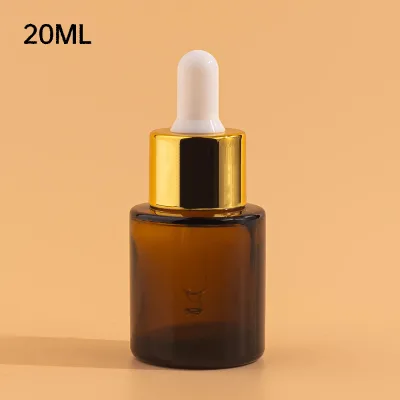
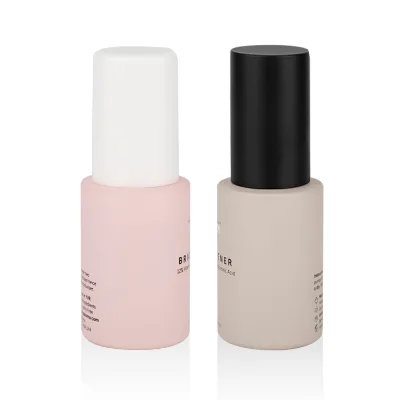


Facial Cleanser Bottle Cosmetic Pet Bottle Skincare Packaging Pet Bottle
$0.19 - $0.21
MOQ: 10000 Pieces


Wholesale 10g 15g Cream Bottle Cosmetic Bottle Double Skin Care Bottle
$0.30 - $0.95
MOQ: 10000 Pieces


Cosmetics Blue Packaging White Lid Skincare Cosmetics Cans and Bottles
$0.15 - $0.35
MOQ: 10000 Pieces


Professional Custom Printing Cosmetic Skincare Container Empty Cosmetic
$0.02 - $0.05
MOQ: 1000 Pieces


Glass Foundation Bottle, Skincare Bottle, Essential Oil Bottle, Dropper Bottle
$0.05 - $0.15
MOQ: 10000 Pieces


Comprehensive Sourcing Guide
Strategic Sourcing Guide for FDA-Approved Skincare Cosmetic Bottles
Navigating the global market for skincare packaging requires a nuanced understanding of regulatory landscapes, material science, and supply chain reliability. When sourcing FDA-approved skincare cosmetic bottles, buyers must distinguish between the regulatory status of the product formulation and the packaging itself. While the Food and Drug Administration (FDA) primarily regulates the cosmetic product contents, the packaging materials must be compliant with relevant safety standards to ensure they do not leach harmful substances into the formulation. This guide provides a comprehensive framework for evaluating suppliers, verifying certifications, and selecting the right containers for high-end cosmetic applications, based on current industry observations and verified product attributes.
Understanding Regulatory Compliance and Certification Standards
The term "FDA-approved" is often misapplied to packaging. In the United States, cosmetic packaging materials are generally not "approved" by the FDA in the same way pharmaceuticals are. Instead, they must be compliant with the Federal Food, Drug, and Cosmetic Act, ensuring they are safe for their intended use. Buyers should prioritize suppliers who provide robust documentation regarding material safety. High-confidence data from the market indicates that reputable manufacturers often hold certifications such as ISO, REACH, and MSDS (Material Safety Data Sheet). These documents are critical for verifying that the glass or plastic used does not contain prohibited heavy metals or phthalates.
When evaluating a potential supplier, request their MSDS immediately. This document outlines the chemical composition and safety handling procedures. Additionally, look for REACH compliance, which is the European Union's regulation on chemicals, often adopted as a benchmark for global safety. While some suppliers list SGS or FSC certifications, these serve as third-party validations of quality and sustainability rather than direct FDA endorsements. Buyers must verify that the specific material batch being sourced matches the certification provided. For instance, if a supplier claims their glass bottles are compliant, the certification should explicitly reference the glass composition standards. Do not rely on a general company certification; ensure the specific product line, such as model BEST-311232F or BEST-310959E, is covered under the safety data provided.
Technical Specifications and Material Selection
The technical specifications of the bottle dictate its suitability for specific skincare formulations. The market offers a diverse range of materials, primarily glass and plastic, each with distinct advantages. Glass bottles, often cited with HS Code 7010909000, are preferred for their chemical inertness and premium aesthetic. They are particularly suitable for high-value serums and oils where product integrity is paramount. In contrast, plastic bottles, such as those made from PET or PE, offer durability and are lighter for shipping.
Volume is a critical specification that varies significantly across product lines. Observed ranges in the market include capacities from 20ml up to 150ml, with specific models supporting 20ml, 30ml, 40ml, 50ml, 60ml, 80ml, 100ml, and 120ml options. The choice of volume depends on the product type; for example, eye creams typically require smaller 15-30ml containers, while body lotions may need 100ml or larger. The shape of the container also plays a role in user experience and shelf presence. Cylinder shapes are common, but custom molds are available for differentiation.
Sealing mechanisms are equally important for product preservation. The market features dropper caps, screw caps, and pump mechanisms. Dropper systems are ideal for viscous liquids like serums, allowing for precise application. Screw caps provide a robust seal for products that may be exposed to air frequently, such as creams. Some advanced models combine these features, offering a dropper with a secondary cap for added security. Buyers must ensure the sealing type matches the viscosity and volatility of their skincare formula to prevent leakage or evaporation.
Customization Capabilities and Surface Finishes
Modern skincare brands rely heavily on packaging to communicate their identity. Customization is a key driver in the procurement process, with many suppliers offering extensive options for branding and aesthetics. Surface handling techniques such as screen printing, silk printing, hot stamping, and frosting are widely available. These processes allow for the application of logos and text directly onto the bottle surface. For a premium look, matte finishes are popular, with options including matte purple, matte pink, matte green, and matte bisque bottles.
Color customization is another significant factor. While standard colors like clear, white, and amber are common, suppliers often offer custom color matching to align with brand identity. The observed market data indicates that bottle colors can be customized to specific shades, such as a matte purple bottle paired with a matching purple dropper, or a frosted bottle with a white pump. The thickness of the glass or plastic is also a variable; some specifications list thicknesses around 0.3cm, which impacts the perceived quality and durability of the container.
When requesting samples, buyers should verify the consistency of the surface finish. Inconsistencies in painting or printing can signal poor quality control. Additionally, consider the compatibility of the ink or paint with the cleaning agents used during the filling process. Some suppliers offer "outside painting" or "injection" coloring, which can provide a more durable finish than surface-applied inks. Ensure that the customization process does not compromise the structural integrity of the bottle, especially if the product requires sterilization or high-temperature filling.
Cost Drivers and Economic Considerations
The cost of sourcing cosmetic bottles is influenced by several variables, including material type, volume, customization level, and order quantity. The observed price range in the market spans from $0.01 to $2.52 per unit, reflecting the vast difference between basic plastic containers and premium glass bottles with complex finishing. The Minimum Order Quantity (MOQ) is another critical economic factor, ranging from as low as 2 units for prototyping to 50,000 units for mass production.
Buyers must balance the cost per unit with the total landed cost. While a lower unit price might be attractive, high MOQs can tie up capital and increase storage costs. Conversely, low MOQs allow for flexibility but may result in a higher per-unit cost. The supply type, often listed as OEM/ODM, indicates that the supplier can manufacture based on the buyer's design or provide a catalog of existing designs. This flexibility can impact pricing; custom molds require an upfront investment, whereas using existing molds reduces costs.
Other cost drivers include the complexity of the sealing mechanism and the surface treatment. A bottle with a matte finish and a custom-colored dropper will cost more than a standard clear bottle with a white cap. Additionally, packaging requirements, such as the number of pieces per carton (e.g., 48PCS/CTN), affect shipping efficiency and costs. Buyers should calculate the total cost of ownership, including shipping, duties, and potential waste from damaged goods, rather than focusing solely on the unit price.
Supplier Evaluation and Quality Assurance
Selecting the right supplier is paramount to ensuring product safety and consistency. The location of the manufacturer is a key indicator of supply chain efficiency. Many high-quality suppliers are located in industrial hubs such as Shanghai, China, or Zhejiang, China, which are known for their manufacturing expertise in glass and plastic packaging. However, the physical address of the factory should be verified to ensure it matches the business registration. Some listings may provide multiple addresses, such as Rm.1202 or Rm.802 at the same industrial complex, which could indicate different departments or warehouses.
Quality assurance protocols must be rigorous. Buyers should request test reports for hardness, chemical resistance, and leak testing. The hardness of the material, described in some contexts as "partial hard," should be verified to ensure it can withstand the rigors of transportation and handling. Additionally, the supplier should have a clear process for handling defects and returns. Communication channels, such as WhatsApp or WeChat, are often used for rapid coordination, but formal contracts and quality agreements should be established through official business channels.
When evaluating a supplier, check their track record for compliance with international standards. While specific test results may not always be publicly available, a supplier's willingness to share third-party audit reports or certification documents is a strong positive signal. Verify that the supplier can handle the specific volume requirements of your project, from small batches for market testing to large-scale production runs. The ability to provide samples that match the final production quality is also essential before committing to a large order.
Long-Term Procurement and Sustainability Trends
As the skincare industry evolves, sustainability becomes a central consideration for procurement strategies. Buyers should inquire about the recyclability of the materials used. Glass is inherently recyclable, making it a preferred choice for eco-conscious brands. Plastic bottles, while convenient, require careful selection of recyclable resins to align with sustainability goals. Some suppliers offer FSC-certified packaging, which indicates responsible sourcing of materials, although this is more common in paper-based packaging.
Long-term procurement also involves building a resilient supply chain. Relying on a single supplier can be risky; diversifying the supplier base can mitigate the impact of disruptions. Consider the lead times associated with different customization options. Complex designs may require longer production times, so planning ahead is crucial. Additionally, stay informed about changing regulations in target markets. As environmental regulations tighten, the demand for sustainable packaging will likely increase, potentially affecting costs and availability.
In conclusion, sourcing FDA-compliant skincare cosmetic bottles requires a meticulous approach that balances regulatory compliance, technical specifications, and economic efficiency. By focusing on verified certifications, understanding material properties, and evaluating supplier capabilities, buyers can secure high-quality packaging that meets both safety standards and brand aspirations. The market offers a wide array of options, from 20ml glass dropper bottles to 150ml plastic pumps, allowing for precise alignment with product needs. Success in this sector depends on thorough due diligence and a commitment to maintaining the highest standards of quality and safety throughout the supply chain.
FAQs
What certifications do FDA-compliant cosmetic bottles typically hold?
Reputable manufacturers often hold ISO, REACH, and MSDS certifications to verify material safety. These documents confirm the glass or plastic does not leach harmful substances, ensuring compliance with safety standards for skincare formulations.
Which materials are commonly used for FDA-approved skincare packaging?
The market primarily offers glass and plastic options, with glass preferred for chemical inertness and premium aesthetics. Plastic bottles provide durability and lighter shipping weights, suitable for various lotion and serum applications.
How can I customize the color and finish of my cosmetic bottle?
Suppliers offer extensive customization including matte finishes in purple, pink, green, and bisque, along with custom dropper colors. Surface handling techniques like screen printing, hot stamping, and frosting allow for detailed branding and unique aesthetic designs.
What volume options are available for skincare cosmetic bottles?
Available capacities range from 20ml up to 150ml, covering sizes like 30ml, 50ml, 80ml, and 100ml. The specific volume depends on the product type, with smaller sizes ideal for serums and larger ones for body lotions.
Can I find suppliers with low minimum order quantities for testing?
Yes, minimum order quantities range from as low as 2 units for prototyping to 50,000 units for mass production. This flexibility allows buyers to test market demand before committing to large-scale manufacturing runs.
Where are the primary manufacturing locations for these cosmetic bottles?
Many high-quality suppliers are located in industrial hubs such as Shanghai and Zhejiang in China. These regions are known for their expertise in manufacturing glass and plastic packaging for the global cosmetic industry.
What sealing types are suitable for preserving skincare product integrity?
Common sealing mechanisms include dropper caps, screw caps, and pump mechanisms to prevent leakage and evaporation. Dropper systems are ideal for viscous serums, while screw caps provide robust seals for frequently opened creams.