Source FAW Fuel Tank Cap for Dump Trucks, Tractors, and Cargo Trucks
Find 30 FAW Fuel Tank Cap options for dump trucks, tractors, and cargo trucks. Buyers can compare specifications like flow rate, pressure gauge type, and warranty periods from verified Chinese suppliers.
Key considerations
Products List


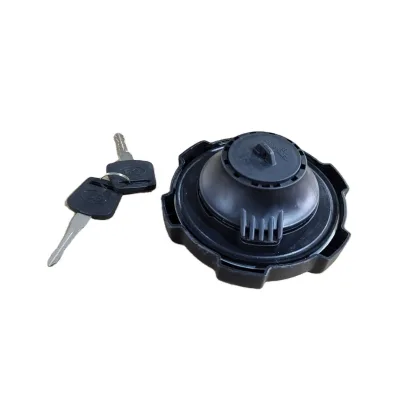
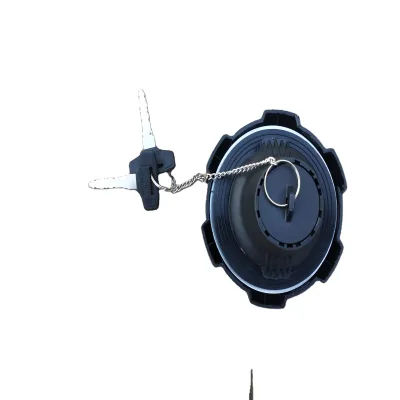
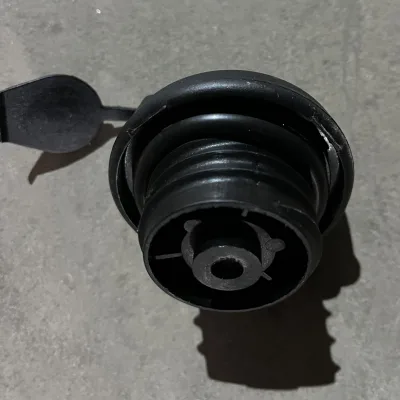


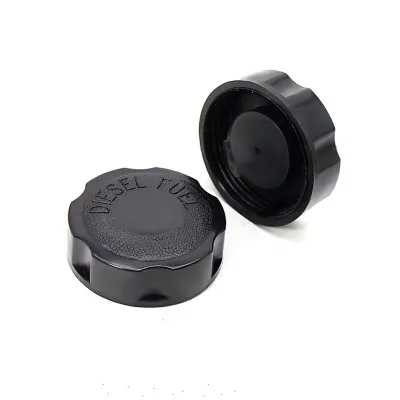
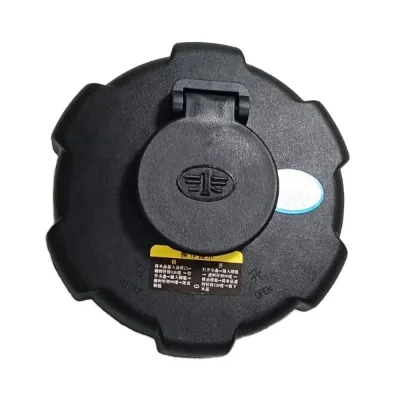
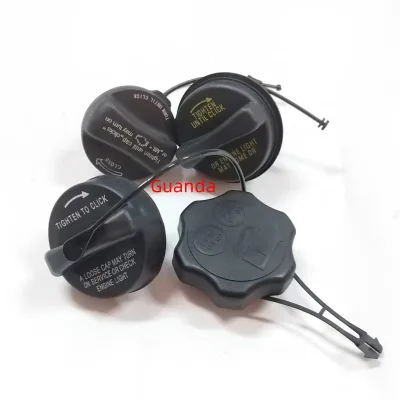
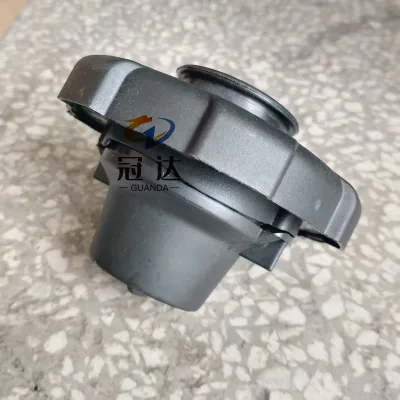
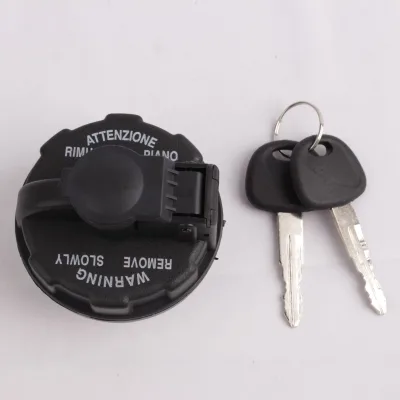


Comprehensive Sourcing Guide
Strategic Sourcing Guide for FAW Fuel Tank Caps
Understanding Product Variants and Technical Specifications
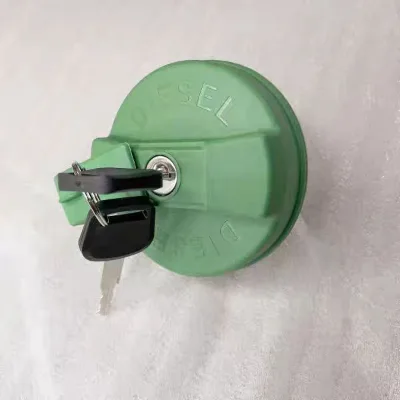
When sourcing a fuel tank cap specifically for FAW vehicles, buyers must first navigate a fragmented market where product attributes vary significantly across different listings. The core keyword "FAW Fuel Tank Cap" often masks a broader category of truck fuel caps that share functional similarities but differ in precise engineering. Based on available market data, the specific model designation 1103010-50A0 appears as a critical identifier for units compatible with FAW platforms. This alphanumeric code serves as the primary anchor for verifying part compatibility, distinguishing genuine FAW components from generic aftermarket alternatives.
The physical dimensions and material composition are fundamental to the selection process. Observed product listings indicate that fuel caps in this category are predominantly manufactured from PP (Polypropylene) or general Plastic materials. These materials are selected for their resistance to corrosion, chemical stability against fuel exposure, and durability in varying environmental conditions. The finish on these components is typically glossy, which not only aids in visual inspection but may also suggest a protective coating against UV degradation.
Installation positioning is another critical technical parameter. For FAW trucks, the fuel tank cap is generally designed for the underneath installation position or specific body parts of the vehicle. This contrasts with motorcycle parts, which may be listed under different fitment categories such as "Honda Navi" or "Driver Side." Buyers must rigorously cross-reference the installation position to ensure the cap aligns with the specific fuel port geometry of their FAW truck model. Furthermore, the Inner Diameter of the cap is a vital specification, with observed ranges falling between 20-22.5mm. This tight tolerance is essential to prevent fuel leakage and ensure a secure seal against dust and moisture. The Width of the associated components in this supply chain often ranges from 300-400mm, though this dimension may refer to the packaging or the broader body part assembly rather than the cap itself.
Compliance, Certification, and Quality Assurance Standards
In the B2B procurement of automotive parts, particularly for heavy-duty trucks like FAW, compliance with international standards is non-negotiable. The market data indicates that many suppliers in this sector claim adherence to ISO9001 certification. This standard represents a quality management system that ensures consistent product quality and process control. However, buyers must treat this as a verification point rather than a guaranteed attribute of every listing. The presence of ISO9001 certification implies that the supplier has established procedures for quality assurance, but it does not automatically validate the specific performance of the fuel cap in a FAW application.
Warranty terms serve as a secondary indicator of supplier confidence. Listings frequently mention a 6 Month warranty period, with some variations noting a 3-Month Warranty Period. These terms define the liability window for defects in material or workmanship. A 6-month warranty is generally more favorable for commercial fleets that require long-term reliability, whereas a 3-month term may indicate a lower tier of product or a more aggressive sales strategy. Buyers should verify if the warranty covers the entire unit or specific components, and whether it includes labor costs for replacement.
The concept of "Irregular products" and "std" (standard) standards appears in the supply data, suggesting a mix of custom-manufactured and off-the-shelf items. "Irregular products" may refer to items that do not meet strict OEM tolerances but are still functional, often sold at a lower price point. In contrast, "std" or "customizable" standards imply a higher degree of adherence to original specifications. Buyers must clarify whether the "customizable" option allows for specific branding, packaging, or minor dimensional adjustments to fit unique fleet requirements. The Main Market for these products is often East Asia, which influences the supply chain dynamics and the prevalence of specific regional standards.
Cost Drivers and Pricing Dynamics
The pricing structure for FAW fuel tank caps is influenced by several variables, including material costs, production complexity, and order volume. The observed price range in the market spans from 0.5 to 35 USD, a wide disparity that reflects the difference between basic plastic caps and more specialized, high-quality units. The lower end of this spectrum likely corresponds to generic, non-branded plastic caps with minimal packaging, while the higher end may include units with specific OEM part numbers, enhanced sealing mechanisms, or bundled with specialized packaging.
Minimum Order Quantity (MOQ) is a significant cost driver. The market data shows an MOQ range of 1 to 499 pieces. An MOQ of 1 Piece is highly favorable for small fleet operators or for testing sample quality before committing to a larger order. However, for bulk procurement, suppliers may require higher volumes to achieve the lower price points. The Payment terms, including T/T, Western Union, and Paypal, also impact the financial logistics of the transaction. T/T (Telegraphic Transfer) is the most common method for B2B trade, offering security for both parties, while Western Union and Paypal are often used for smaller, immediate transactions.
Packaging costs can also influence the final price. Options such as Carton, Wooden Case, and Pallet are listed, with Neutral Packing being a common default. Customized packing, often referred to as Mtosir Packing, may incur additional charges but is essential for brands that require specific labeling for their distribution channels. The choice of packaging affects shipping costs and the risk of damage during transit, particularly for heavy-duty truck parts that may be subject to rough handling.
Typical Applications and Vehicle Compatibility
The primary application for FAW fuel tank caps is clearly defined within the heavy-duty trucking sector. The product attributes explicitly list Dump Trucks, Tractor Trucks, Cargo Trucks, and Special Trucks as the applicable vehicle types. This broad compatibility suggests that the fuel cap design is versatile enough to fit various FAW chassis configurations, provided the specific part number matches the fuel port specifications. The Part Type is categorized as Body Parts, indicating that these caps are integral to the vehicle's exterior and fuel system integrity.
It is crucial to distinguish these truck components from motorcycle parts, which appear in the same search results due to shared keywords like "fuel cap" or "sealing." Motorcycle applications, such as those for Honda Navi, utilize different dimensions and mounting mechanisms. The Application field for FAW parts specifically notes Truck, reinforcing the need for buyers to filter out non-relevant categories. The Function of these caps includes Anti-Theft Sealing and Safety Improvement, highlighting their role in preventing fuel theft and ensuring the safe containment of volatile fuels.
The Flow Rate of 100 L/Min and Pressure Gauge Type of Digital Gauge mentioned in the data likely refer to associated fuel pumps or measurement systems rather than the cap itself. However, the cap must be compatible with the pressure dynamics of the fuel system to prevent vapor lock or leakage. Buyers should verify that the cap's pressure relief mechanism, if present, aligns with the truck's fuel system requirements to avoid operational issues.
Supplier Evaluation and Sourcing Strategy
Evaluating suppliers for FAW fuel tank caps requires a multi-faceted approach. The prod_origin is consistently listed as China, with specific mentions of Shandong, China as a production hub. This regional concentration suggests a mature supply chain with established logistics networks. However, the presence of multiple suppliers in this region necessitates careful vetting to ensure quality consistency.
Buyers should prioritize suppliers who offer 24-Hour Online Service or 24 Online Service. This level of after-sales support is critical for resolving issues related to part compatibility, warranty claims, or shipping delays. The availability of 24-Hour Online Service indicates a commitment to customer support that can mitigate downtime for fleet operators. Additionally, the Delivery lead time of 5-7 Days is a key performance indicator for logistics planning. Buyers must confirm if this lead time is for production or shipping, as international freight can extend the total time significantly.
The Quality attribute is frequently described as High Quality, but this is a subjective claim. To validate this, buyers should request samples and verify the Finish (Glossy) and material integrity. The Standard of the product, whether std, optional, or customizable, should be clearly defined in the contract. Suppliers offering customizable options provide greater flexibility for fleet standardization, allowing for specific branding or minor design tweaks.
Quality Control and Long-Term Procurement Considerations
Implementing a robust quality control (QC) protocol is essential for long-term procurement success. Given the wide range of observed attributes, buyers should establish a clear specification sheet that includes the exact Model (e.g., 1103010-50A0, 1103010-260, MTZ80), Inner Diameter, and Material. Regular inspections should focus on the Anti-Theft Sealing capability and the structural integrity of the Rotary Piston Type mechanisms if applicable to the specific design.
Long-term procurement strategies should also consider the Warranty terms and the supplier's ability to honor them. A 6 Month warranty is preferable, but buyers should clarify the claim process and the timeline for replacement. The Payment terms should be negotiated to balance risk, with T/T being the standard for larger orders. For ongoing supply, establishing a standing order with a fixed MOQ can help stabilize costs and ensure consistent availability.
Finally, buyers must remain vigilant about the "Irregular products" category. While these may offer cost savings, they may not meet the strict durability requirements of heavy-duty trucking. For critical applications, investing in High Quality units with verified ISO9001 certification and clear OEM part numbers is the most prudent approach. By focusing on these technical and operational parameters, buyers can secure a reliable supply of FAW fuel tank caps that maintain fleet safety and efficiency.
| Attribute Category | Key Specification | Observed Range/Value | Verification Requirement |
|---|---|---|---|
| Part Model | prod_model | 1103010-50A0, 1103010-260, MTZ80 | Match exact OEM code for FAW compatibility |
| Material | prod_prop.Material | PP, Plastic | Verify chemical resistance to fuel |
| Dimensions | Inner Diameter | 20-22.5mm | Measure physical sample for fitment |
| Warranty | Warranty | 3 Months, 6 Months | Confirm claim process and coverage |
| Origin | prod_origin | China, Shandong, China | Verify logistics and lead time |
| Service | After-Sales Service | 24 Online Service, 24-Hour Online | Test response time and support quality |
| Packaging | prod_packing | Carton, Wooden Case, Neutral | Ensure protection during transit |
| Standard | prod_standard | std, customizable, Irregular | Define quality tier in contract |
FAQs
What is the warranty period for FAW fuel tank caps?
The warranty period is typically 6 months for these parts. Some listings may offer a 3-month warranty, so buyers should verify the specific terms before purchasing to ensure adequate coverage for defects.
Which material is used to manufacture these fuel caps?
These caps are primarily made from PP plastic or general plastic materials. This composition ensures resistance to corrosion and chemical stability against fuel exposure while maintaining a glossy finish for durability.
Can I find suppliers with ISO9001 certification for this part?
Yes, many suppliers claim adherence to ISO9001 certification for quality management. Buyers should treat this as a verification point rather than a guaranteed attribute of every listing to ensure consistent product quality.
How long is the delivery lead time for these caps?
The standard delivery lead time is 5 to 7 days. Buyers must confirm if this duration covers production or shipping, as international freight can extend the total time significantly beyond this window.
What is the minimum order quantity for purchasing these caps?
The minimum order quantity ranges from 1 piece to 499 pieces. An MOQ of 1 piece is favorable for testing samples, while bulk procurement may require higher volumes to achieve lower price points.
Which truck models are compatible with this fuel tank cap?
This cap is applicable for Dump Trucks, Tractor Trucks, Cargo Trucks, and Special Trucks. Buyers must cross-reference the specific part number to ensure the cap aligns with the fuel port geometry of their FAW truck model.
What payment methods are accepted for these automotive parts?
Accepted payment methods include T/T, Western Union, and Paypal. T/T is the most common method for B2B trade, offering security for both parties, while other options are often used for smaller transactions.