Source Female Tee Fittings for Water, Gas, and Industrial Use
Compare 30 Female Tee products from verified Chinese suppliers. Buyers can evaluate PP-R, plastic, and brass options with welding, female, or press connections for pipeline transport applications.
Key considerations
Products List
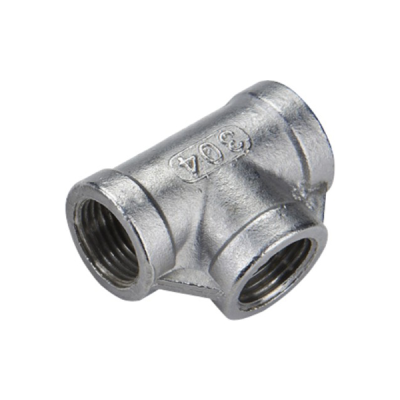


$0.50 - $15.00
MOQ: 300 Pieces


Comprehensive Sourcing Guide
Strategic Sourcing Guide for Female Tee Components
Navigating the global market for Female Tee fittings requires a disciplined approach that balances technical precision with supply chain reliability. The term "Female Tee" encompasses a diverse range of components designed to connect three pipes or tubes, where at least one connection point features internal threading to receive a male counterpart. For procurement professionals, the primary challenge lies in distinguishing between the myriad of materials, standards, and manufacturing processes available, as a single keyword often masks significant variations in product capability. This guide synthesizes observed market data and technical requirements to provide a framework for evaluating potential suppliers and ensuring the acquisition of components that meet rigorous operational standards.
Technical Specifications and Material Diversity
The foundation of a successful procurement strategy for female tees begins with a granular understanding of technical specifications. The market data indicates a significant divergence in material composition, ranging from plastics to metals. Buyers must first determine the fluid or gas medium being transported, as this dictates the necessary material properties. Observed listings include Polypropylene Random Copolymer (PP-R) fittings, which are common in plumbing and heating systems due to their corrosion resistance and ease of welding. In contrast, other segments of the market offer components manufactured from Brass alloys, specifically CW617N and CuZn40Pb2, which provide superior strength and durability for high-pressure applications. Additionally, Stainless Steel options are available for environments requiring extreme hygiene or resistance to harsh chemicals.
The connection method is equally critical. While the core keyword implies a female threaded connection, the data reveals a spectrum of joining technologies. Some female tees utilize welding as the primary connection method, requiring specific surface preparation and thermal treatment. Others are designed with female threads adhering to specific standards, such as the G Thread or Parallel Thread at Standard ISO228-1. A distinct category features press connections, which offer rapid installation without the need for threading tools. The shape of the fitting also varies; while the "Equal Tee" is standard for uniform flow distribution, "Reducing Tees" are essential when connecting pipes of different diameters. Buyers must verify if the specific application requires an equal configuration or a reducing one, as this impacts flow dynamics and pressure ratings.
Compliance, Certification, and Standard Verification
In the industrial sector, compliance is not merely a formality but a prerequisite for safety and liability protection. The supply chain for female tees is characterized by adherence to various national and international standards. Observed product attributes reference standards such as GB (Guobiao), DIN (Deutsches Institut für Normung), and specific product standards like DIN8077-8078. These standards govern dimensions, pressure ratings, and material quality. For instance, wall thickness is often specified according to schedules like SCH STD, which ensures the fitting can withstand the intended pressure without failure.
Certification status is another vital verification point. ISO certification is frequently cited in product listings, indicating that the manufacturer's quality management systems meet international benchmarks. However, buyers must not assume that every listed product automatically satisfies all regulatory requirements for their specific region. It is imperative to request valid, up-to-date certification documents from the supplier before placing an order. Furthermore, specific product standards such as 20-160 or 20-110 may refer to size ranges or specific manufacturing protocols that need to be cross-referenced with the buyer's engineering drawings. Relying solely on a generic "ISO" label without verifying the specific scope of the certification can lead to non-compliant procurement.
Cost Drivers and Pricing Dynamics
Understanding the cost structure of female tees is essential for budgeting and negotiation. The observed price range in the market spans from $0.02 to $40.00 USD, a variance that reflects differences in material cost, manufacturing complexity, and order volume. The primary cost drivers include the raw material used; brass and stainless steel components naturally command higher prices than plastic counterparts due to material scarcity and processing energy. Additionally, the manufacturing process plays a significant role. Forged fittings, which involve shaping metal under high pressure, generally offer higher structural integrity and are more expensive than cast or molded alternatives.
The Minimum Order Quantity (MOQ) is another critical factor influencing unit cost. Data indicates an MOQ range from 1 to 3,000 units. Suppliers often offer tiered pricing structures where the unit cost decreases as the order volume increases. For small-batch procurement, buyers may face higher per-unit costs, whereas large-scale industrial projects can leverage economies of scale. Packaging also contributes to the final landed cost. While some products are packed in simple cartons, others utilize specialized packaging such as "Carton+Pallet" configurations to facilitate bulk shipping and reduce handling damage. Buyers should evaluate the total cost of ownership, including shipping and packaging, rather than focusing solely on the unit price.
Typical Applications and Design Considerations
The application of female tees varies widely across industries, from residential plumbing to heavy industrial pipeline transport. The design of the fitting must align with the specific operational environment. For pipeline transport, the pressure rating is a paramount consideration. Observed data mentions a pressure rating of 2000LBS, which is suitable for high-pressure systems but may be excessive for low-pressure domestic applications. Selecting a fitting with an appropriate pressure rating ensures system integrity and prevents catastrophic failure.
Design variations also include surface treatments and finishes. Some fittings are supplied with a black painting finish, which may be required for aesthetic consistency or specific corrosion protection in outdoor environments. Others feature a brass natural color or nickel plating, which offers enhanced corrosion resistance and a polished appearance. The head code, described as "Round" in some listings, influences the tooling required for installation and the overall profile of the fitting. Furthermore, specific design models such as "Povote" or "Donsen" may indicate proprietary designs or specific engineering configurations that offer unique advantages in flow control or space constraints. Buyers must ensure that the design features of the selected Female Tee match the physical and functional requirements of the installation site.
Supplier Evaluation and Production Capabilities
Evaluating a supplier for Female Tee components requires a multi-faceted approach that goes beyond price comparisons. The origin of the products is a significant factor, with China identified as a primary production hub. While this offers access to a vast supply network, it necessitates rigorous due diligence regarding logistics and communication. Suppliers should demonstrate a clear understanding of the buyer's technical requirements and the ability to customize products. The availability of customization is a key differentiator, allowing buyers to tailor dimensions, materials, and finishes to their specific needs.
Lead times and delivery capabilities are also critical for supply chain stability. An observed delivery date of 30 days suggests a standard production cycle, but this can vary based on order volume and customization requirements. Buyers must verify the supplier's ability to meet these timelines consistently. Transportation methods, including sea and air freight, should be discussed to ensure the chosen method aligns with the project schedule and budget. Additionally, the supplier's production capacity should be assessed to ensure they can handle the required volume without compromising quality. A supplier with a robust quality control system and a history of meeting deadlines is preferable to one that offers the lowest price but lacks reliability.
Quality Control and Long-Term Procurement Strategy
Ensuring the long-term success of a procurement program for female tees requires a robust quality control framework. Buyers should implement a system of pre-shipment inspections to verify that the received goods match the agreed-upon specifications. This includes checking dimensions, thread quality, material composition, and surface finishes. The use of standardized testing protocols, aligned with the relevant industry standards (such as GB or DIN), is essential to validate the performance of the fittings under pressure and stress.
Long-term procurement considerations involve building a sustainable relationship with suppliers who can provide consistent quality and support. This includes establishing clear communication channels for addressing any quality issues that may arise post-delivery. Buyers should also consider the availability of spare parts and the potential for future customization needs. By maintaining a detailed record of supplier performance and product specifications, organizations can optimize their supply chain and mitigate risks associated with component failure. Ultimately, a strategic approach to sourcing female tees, grounded in technical verification and supplier reliability, ensures the safety and efficiency of the entire piping system.
Comparative Analysis of Fitting Attributes
To facilitate decision-making, the following table summarizes key attributes observed in the market for Female Tee components. This comparison highlights the diversity in materials, standards, and connection types that buyers must navigate.
| Attribute Category | Observed Options | Verification Requirement |
|---|---|---|
| Material | PP-R, Brass (CW617N, CuZn40Pb2), Stainless Steel | Confirm compatibility with fluid/gas medium and temperature. |
| Connection Type | Welding, Female Thread (ISO228-1), Press Connection | Verify tooling requirements and installation method. |
| Shape/Type | Equal Tee, Reducing Tee | Ensure flow path matches pipe diameter requirements. |
| Standards | GB, DIN, DIN8077-8078, ISO228-1 | Cross-reference with local regulatory and engineering codes. |
| Pressure Rating | Up to 2000LBS | Validate against system operating pressure and safety factors. |
| Surface Finish | Black Painting, Brass Natural, Nickel Plated | Check for corrosion resistance and aesthetic needs. |
| Packaging | Cartons, CTN, Carton+Pallet | Assess suitability for shipping and storage conditions. |
By systematically evaluating these attributes, procurement professionals can select Female Tee components that not only meet immediate technical specifications but also contribute to the long-term reliability and safety of their infrastructure projects. The complexity of the market demands a methodical approach, ensuring that every component selected is backed by verified data and aligned with the specific demands of the application.
FAQs
What materials are available for Female Tee fittings?
Female Tee fittings are available in PP-R, Brass, and Stainless Steel. PP-R is common for plumbing, while Brass alloys like CW617N suit high-pressure needs. Stainless Steel options exist for harsh chemical environments requiring extreme hygiene.
Which connection types are supported for these fittings?
Supported connection types include welding, female threads, and press connections. Female threads often adhere to ISO228-1 standards, while welding requires specific surface preparation. Press connections offer rapid installation without threading tools.
Can these fittings be customized for specific projects?
Yes, customization is available for these Female Tee fittings. Buyers can tailor dimensions, materials, and finishes to meet specific operational requirements. This flexibility allows for precise adaptation to unique engineering drawings and flow dynamics.
What standards do these Female Tee components meet?
These components meet various standards including GB, DIN, and DIN8077-8078. Wall thickness often follows SCH STD specifications to ensure pressure integrity. ISO certification is frequently cited, indicating adherence to international quality management benchmarks.
How long is the typical delivery time for orders?
The typical delivery date is 30 days for standard orders. This timeline may vary based on order volume and customization requirements. Buyers should verify specific lead times with suppliers to ensure alignment with project schedules.
What is the price range for Female Tee fittings?
The observed price range spans from 0.02 to 40 USD per unit. Costs vary significantly based on material composition, with brass and steel costing more than plastic. Unit prices often decrease as order volume increases due to economies of scale.
Which shapes are available for these tee fittings?
Available shapes include Equal Tee and Reducing Tee configurations. Equal tees provide uniform flow distribution, while reducing tees connect pipes of different diameters. Selecting the correct shape is critical for maintaining proper flow dynamics and pressure ratings.