Source Fender Step for SUVs, Trucks, and Off-Road Vehicles
Find and compare 30 electric side step options for Volkswagen, Defender, and Mercedes-Benz vehicles. These aluminum alloy and stainless steel running boards offer 250kg loading capacity, 12V-24V operation, and easy installation for enhanced vehicle access and protection.
Key considerations
Products List


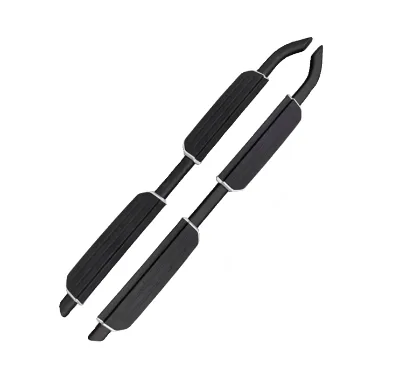
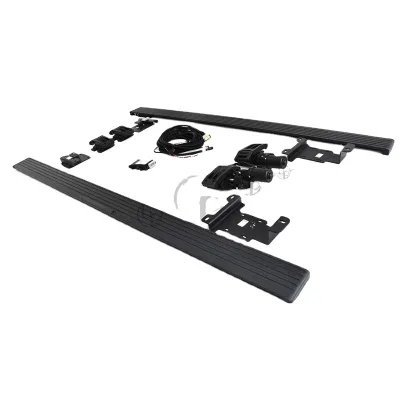
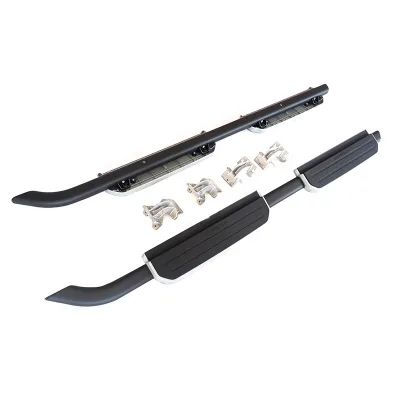
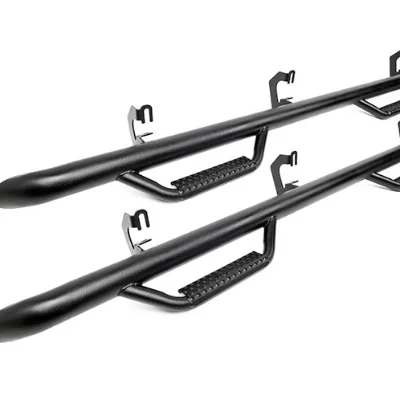


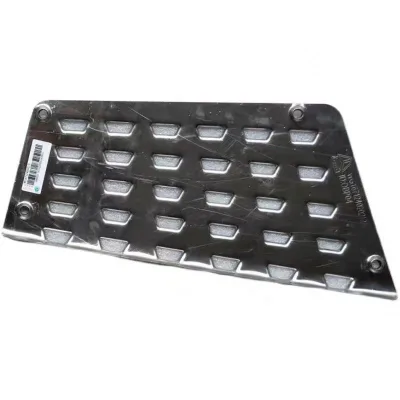
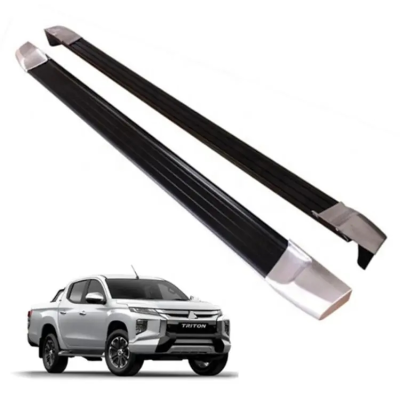


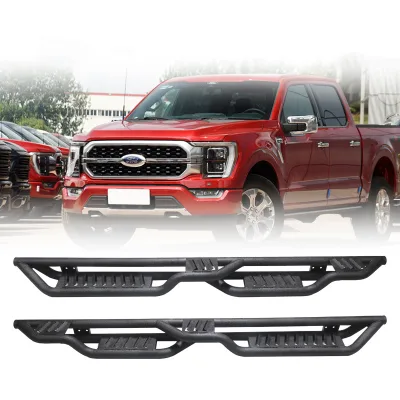


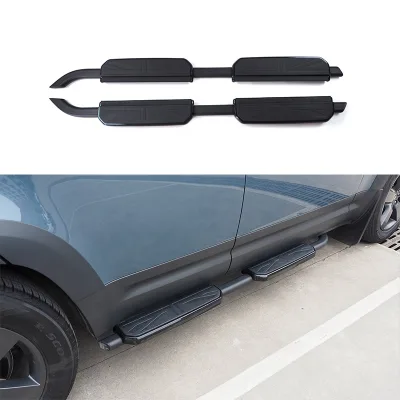
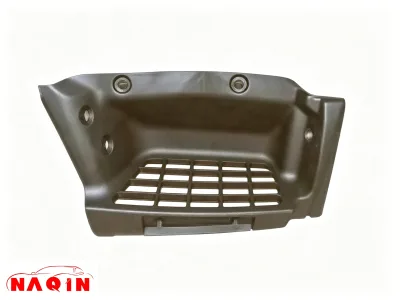
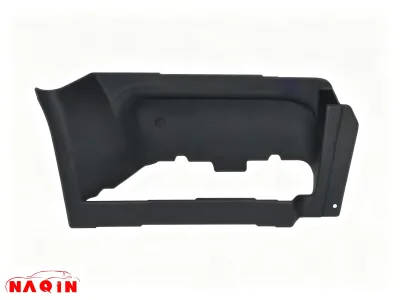
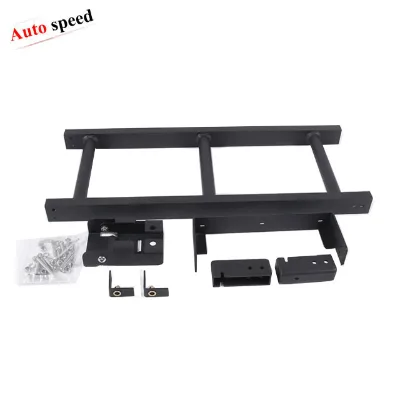

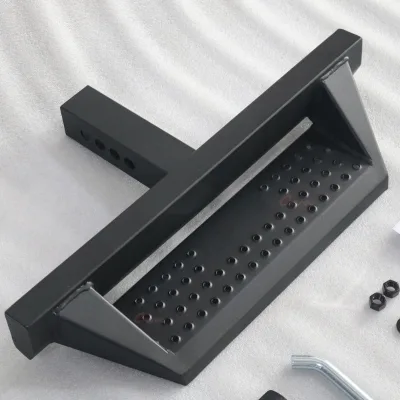

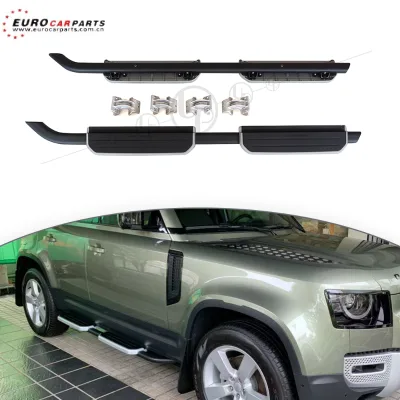
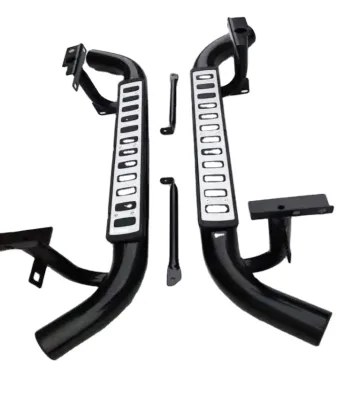
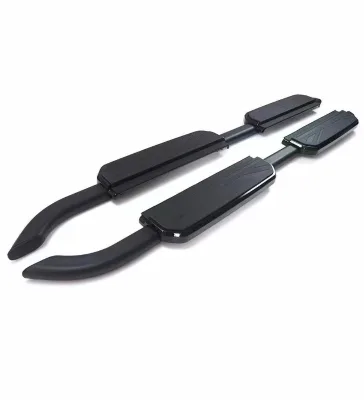
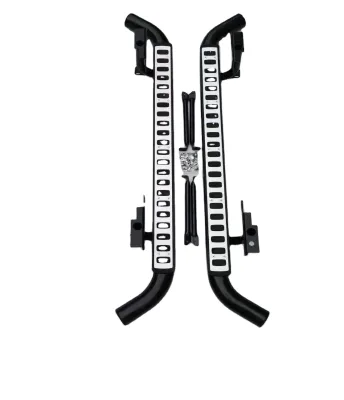
Comprehensive Sourcing Guide
Fender Step Sourcing Guide
The Fender Step, often categorized as an electric side step board or running board, serves as a critical access aid for high-clearance vehicles such as the Defender 90, 110, and 130, as well as Mercedes-Benz models. These components are designed to bridge the gap between the ground and the vehicle floor, facilitating easier entry and exit while enhancing the vehicle's aesthetic profile. Procurement decisions for these parts must account for specific vehicle fitments, as the product attributes indicate distinct compatibility with brands like Volkswagen and Mercedes-Benz, requiring precise matching of mounting points and dimensions.
Buyers should recognize that these units are available in various configurations, ranging from fixed aluminum alloy structures to retractable electric systems that extend and retract within 1-2 seconds. The observed market data suggests a diverse product range including models like the ES-S-450 and ES-S, which feature platform sizes such as 450300 mm or 750300 mm. Understanding the specific operational mode—whether a static step or an automated system—is essential for selecting the correct unit that aligns with the vehicle's intended use case and the buyer's functional requirements.
Product Scope and Observed Listing Signals
The product scope for fender steps encompasses a variety of materials, with aluminum alloy and stainless steel being the most prevalent choices for structural integrity and corrosion resistance. Listings indicate that some units combine aluminum with plastic components, while others utilize pure aluminum or stainless steel to meet different durability expectations. The observed listings also highlight that these products are often sold as replacement or repair items, suggesting a robust aftermarket demand for maintaining vehicle accessibility and safety standards.
Listing signals reveal significant variation in packaging and shipping specifications, which directly impacts logistics planning and cost estimation. Some units are packed in carton cases, while others require wooden cases to protect the mechanism during transit, with single package sizes ranging from 182x36x25 cm to 200x50x50 cm. Buyers must verify the gross weight, which can vary from 14.4 kg to 50.0 kg depending on the model and material composition, to ensure accurate freight calculations and warehouse handling requirements are met.
Technical Specifications to Verify
Technical verification begins with the electrical system, as many modern fender steps operate on DC 12V or 24V power supplies. Buyers must confirm that the rated voltage of the selected unit matches the vehicle's electrical architecture to prevent system failures or damage to the control modules. The presence of LED lighting, often equipped as a standard feature, adds a safety and visibility component that should be tested for brightness and durability, ensuring it functions correctly during both day and night operations.
Dimensional and load-bearing specifications are equally critical for ensuring the step can safely support the intended user weight. The observed data indicates a loading capacity of 250kg for certain models, a figure that must be validated against the specific step's design and material strength. Additionally, the overall height of 80mm and step sizes such as 1000300mm or 450300mm must be measured against the vehicle's ground clearance and door opening dimensions to guarantee a seamless fit and comfortable stepping surface.
Compliance and Safety Documentation
Compliance documentation for fender steps often includes certifications such as CE, which indicates adherence to European health, safety, and environmental protection standards. Buyers should request the specific certificate of conformity for the batch they intend to purchase, ensuring that the product meets the regulatory requirements of the destination market. The presence of a "Ce" or "Cetificate" label in listings is a positive indicator, but the physical documentation must be verified to confirm the validity and scope of the certification.
Safety verification also extends to the mechanical reliability of the extension and retraction mechanisms. Given that some units operate with a 1-2 second cycle time, the safety sensors and motor controls must be tested to ensure they do not pinch or trap users during operation. Documentation should include test results for the "100% Tested" quality claims observed in the market, providing evidence that the electrical and mechanical systems have undergone rigorous stress testing before leaving the factory.
Cost Drivers and Commercial Terms
Cost drivers for fender steps are heavily influenced by the material composition and the complexity of the mechanical system. Units constructed from stainless steel or those featuring electric motors and LED integration typically command higher prices than basic aluminum alloy steps. The observed price range of 0-500 USD suggests a wide spectrum of options, where the final cost is determined by the specific model, such as the ES-S-450 versus the ES-S, and the inclusion of premium features like custom OEM branding or specialized packaging.
Commercial terms regarding Minimum Order Quantity (MOQ) and lead times vary significantly across suppliers, with observed MOQs ranging from 1 set to 1000 units. Buyers should negotiate based on their volume needs, as some suppliers offer single-item purchasing options while others require bulk commitments to unlock favorable pricing. The warranty period, observed as 12 months in some listings, is a key commercial term that should be clearly defined in the contract to protect against premature failure of the electric or mechanical components.
Supplier Qualification and Quality Control
Supplier qualification requires a thorough review of the manufacturer's origin and production capabilities, with observed data pointing to origins in Jiangsu Changzhou and Guangdong, China. Buyers should verify the supplier's ability to provide OEM services and customization options, as these capabilities are essential for integrating the steps with specific vehicle models like the Defender or Mercedes-Benz. The "New" condition of the products and the "Easy Installation" claims should be backed by detailed installation guides and technical support resources provided by the supplier.
Quality control processes must be validated through on-site audits or third-party inspection reports that confirm the "100% Tested" status of the products. Suppliers should demonstrate a robust quality assurance system that covers material inspection, assembly line checks, and final functional testing of the electric mechanisms. The consistency of the product model, such as the ES-S-450300, and the adherence to standard dimensions like 450300 mm (L*W) are indicators of a supplier's ability to maintain high manufacturing standards across different batches.
Long-Term Procurement Checks
Long-term procurement success depends on establishing a reliable supply chain that can consistently deliver products with the specified loading capacity and material quality. Buyers should implement a periodic review process to ensure that the aluminum alloy or stainless steel components continue to meet corrosion resistance standards and that the electrical systems remain compatible with evolving vehicle models. Maintaining a relationship with suppliers who offer customization and OEM support will facilitate future upgrades or replacements as the vehicle fleet changes.
Continuous monitoring of the product's performance in the field is essential for identifying any recurring issues with the extension mechanisms or LED lighting. Buyers should track the warranty claims and return rates to assess the long-term reliability of the fender steps. By maintaining open communication with suppliers regarding the "Place of Origin" and production updates, buyers can proactively address any potential supply chain disruptions or quality deviations before they impact the end-user experience.
FAQs
What materials are used for fender steps?
Fender steps are typically constructed from aluminum alloy, aluminum, or stainless steel. Some models also incorporate plastic components for durability and weight reduction. These materials ensure resistance to corrosion and impact, making them suitable for rugged off-road environments and daily vehicle use.
Can fender steps be customized for specific vehicles?
Yes, customization is available for many Fender Step products. OEM options allow for tailored fitment to specific car makes like Volkswagen or Mercedes-Benz. Buyers can often select from various platform sizes and mounting configurations to ensure proper alignment and functionality on their specific vehicle model.
What is the loading capacity of electric side steps?
Electric side steps generally support a loading capacity of 250kg. This robust rating ensures safety for multiple passengers entering or exiting the vehicle. The structure is designed to withstand significant weight while maintaining stability during the extend and retract cycles for reliable daily operation.
How fast do electric fender steps extend and retract?
Electric fender steps typically extend and retract within 1 to 2 seconds. This rapid operation provides convenient access without delaying vehicle entry or exit. The mechanism is powered by DC 12V or 24V systems, ensuring quick response times compatible with standard vehicle electrical architectures.
What certifications do Fender Step manufacturers hold?
Many Fender Step products hold CE certification, indicating compliance with European safety and quality standards. This certification assures buyers of the product's reliability and adherence to regulatory requirements. It is a common standard for automotive accessories exported from major manufacturing regions like China.
What is the typical packaging for fender steps?
Fender steps are commonly packed in carton cases or wooden cases for protection during transit. Packaging dimensions vary based on product size, with some single packages measuring up to 200x50x50 cm. Proper packaging ensures the product arrives undamaged, preserving the finish and mechanical integrity of the steps.