Source Female Thin Beanie Hat for Winter, Sports, and Casual Use
Explore 30 options for the Female Thin Beanie Hat, featuring knit and cotton materials with customizable colors and patterns. Compare specifications like weight, size, and packing details to find suitable suppliers for winter warmth or summer breathability; compare the available evidence and request quotations based on your requirements.
Key considerations
Products List


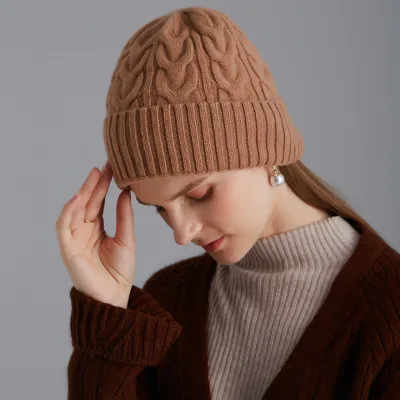


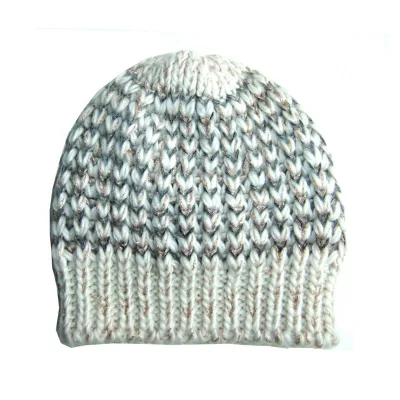


The Classic and Simple Fashionable Beanie Hat Promotional Cap for Cold Winter
$1.30 - $1.70
MOQ: 200 Pieces


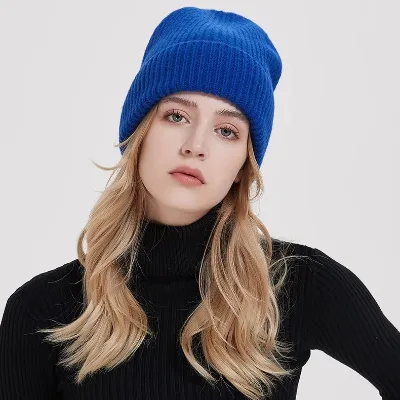


Comprehensive Sourcing Guide
Female Thin Beanie Hat Sourcing Guide
Sourcing female thin beanie hats requires balancing seasonal fashion trends with functional warmth, as the observed product range includes specific models designed for winter wear while others accommodate spring and autumn transitions. Buyers must distinguish between standard knit constructions and specialized variants featuring antimicrobial properties or adjustable fits, ensuring the selected item aligns with the intended demographic of unisex or adult users. The available data indicates a diverse color palette ranging from solid hues like black and white to vibrant options such as orange and purple, allowing for significant customization in branding and design.
Procurement decisions should heavily weigh the specific material composition, as listings reveal options in acrylic, wool, fleece, and 100% cotton, each offering distinct tactile and thermal properties. Thin construction is often associated with lightweight features and soft textures, yet buyers must verify if the "thin" designation implies a specific gauge or simply a lack of heavy insulation. Understanding the distinction between plain dyed fabrics and those with woven patches or flat embroidery is critical, as these decorative elements significantly impact the final aesthetic and production complexity of the order.
Product Scope and Observed Listing Signals
The observed market signals indicate a broad spectrum of beanie styles, from classic crown designs without brims to more structured models featuring brims and animal or cartoon pattern themes. Listings explicitly mention specialized features like ear warmers and foldable designs, suggesting that "thin" does not necessarily equate to minimal coverage but rather a specific weight profile suitable for layering. The presence of customized options and sample times ranging from five to seven days highlights a supply chain capable of rapid iteration, which is essential for brands seeking to test new colorways or pattern themes before committing to large volumes.
Buyers should note that while the core product is identified as a beanie, the specific model numbers and packing standards vary, with some units packed at 100 pieces per carton and others utilizing different carton dimensions. The availability of "colourful" and specific solid colors suggests that inventory management must account for a wide SKU count to meet diverse consumer preferences. Furthermore, the distinction between models with woven patches and those with 3D embroidery indicates that the visual complexity of the product will directly influence the manufacturing process and the required expertise of the supplier.
Technical Specifications to Verify
Verifying the physical dimensions and material composition is the first step in ensuring the product meets the "thin" requirement without compromising durability. Buyers must confirm the exact knit gauge and fiber blend, as the observed data lists materials ranging from acrylic and wool to fleece and 100% cotton, each affecting the drape and warmth of the final hat. It is crucial to validate whether the "thin" attribute refers to the fabric weight or the overall bulk, especially since some models are described as having special features like antimicrobial properties which may require specific chemical treatments or fiber blends.
The structural integrity of the beanie, particularly regarding the crown and brim, must be assessed against the intended use case, whether for winter warmth or spring fashion. Specifications such as the 56-60cm size range and the presence or absence of a brim are critical for fit and style consistency across the order. Additionally, the pattern technology, whether flat embroidery, 3D embroidery, or woven patches, requires verification to ensure the design does not add excessive thickness or stiffness that would contradict the thin profile of the garment.
Compliance and Safety Documentation
While the provided facts do not explicitly list specific certification numbers, buyers must request documentation confirming that the materials used, such as acrylic, wool, or cotton, comply with relevant textile safety standards for the target market. The presence of antimicrobial features in some models necessitates proof of efficacy and safety, ensuring that the chemical treatments applied do not pose risks to skin contact or environmental health. Procurement teams should verify that the supplier can provide test reports for flammability, colorfastness, and chemical restrictions, particularly when dealing with dyed fabrics in vibrant colors like red, purple, or orange.
Documentation regarding the origin of the goods is equally important, as the observed data points to China as the production origin. Buyers should ensure that the supplier can provide a Certificate of Origin and any necessary import compliance documents required by the destination country. For products claiming special features like being lightweight or adjustable, technical data sheets should be reviewed to validate these claims against industry norms, ensuring that the product does not rely on unverified marketing terms that could lead to compliance issues or customer dissatisfaction upon arrival.
Cost Drivers and Commercial Terms
The cost of female thin beanie hats is heavily influenced by the complexity of the pattern technology and the choice of material, with 3D embroidery and woven patches likely commanding higher unit prices than plain dyed options. The observed MOQ range of 1 to 1500 pieces suggests flexibility for small batch testing, but buyers must calculate the per-unit cost implications of lower quantities versus the economies of scale available at higher volumes. Customization options, including specific color requests and pattern themes, introduce variable costs that must be factored into the total landed cost, as they often require separate setup fees or longer lead times for sample approval.
Commercial terms should clearly define the packaging standards, as the data indicates a standard of 100 pieces per carton with specific carton dimensions of 444230cm. Buyers need to negotiate shipping terms based on the gross weight of 9.5kg and net weight of 7.5kg per carton to optimize freight costs, especially when shipping mixed color assortments. The sample time of 5-7 days is a critical factor in the overall timeline, and procurement contracts should specify penalties or incentives related to meeting these sample deadlines to ensure the production schedule remains on track for the main order delivery.
Supplier Qualification and Quality Control
Qualifying a supplier for thin beanie hats requires a rigorous assessment of their production capabilities, specifically their ability to handle diverse pattern technologies like flat embroidery and 3D embroidery without compromising the thin profile of the fabric. Buyers should audit the supplier's quality control processes to ensure consistency in color matching across the wide range of available hues, from black and white to colorful and brown variations. The ability to produce customized orders with specific features like ear warmers or adjustable fits must be validated through pre-production samples that are tested for durability and comfort.
Quality control checks should focus on the stitching integrity, particularly around the crown and any attached patches or embroidery, to prevent premature wear or unraveling. Since the products are designed for unisex adult use, the fit and sizing consistency across the 56-60cm range must be verified to ensure that the hats do not stretch out of shape or become too tight after washing. Suppliers should demonstrate a robust inspection protocol that includes random sampling of finished goods to check for defects in the knit structure, color bleeding, or misalignment of pattern themes before the goods are packed into cartons.
Long-Term Procurement Checks
Establishing a long-term partnership for female thin beanie hats involves regular performance reviews of the supplier's ability to maintain consistent quality and meet evolving fashion trends. Buyers should monitor the supplier's responsiveness to changes in material availability, such as shifts in the supply of acrylic, wool, or cotton, which could impact the production timeline and cost structure. Continuous communication regarding new pattern technologies or design innovations, such as emerging animal or cartoon themes, will help ensure the product line remains competitive and aligned with current market demands.
Procurement teams must also track the supplier's adherence to agreed-upon lead times and sample turnaround rates, as the initial 5-7 day sample window sets the expectation for future production cycles. Regular audits of the packing and shipping processes are necessary to prevent damage during transit, ensuring that the carton packing standards remain intact throughout the supply chain. Finally, maintaining a clear record of all technical specifications and compliance documentation will facilitate smoother renewals and expansions of the order, reducing the risk of disruptions in the supply of these essential winter and seasonal accessories.
FAQs
What materials are used for these beanie hats?
The beanies are crafted from knit materials, including acrylic, wool, and fleece options. These fabrics provide warmth and durability for winter wear. Some styles also feature 100% cotton for breathability. The choice of material ensures comfort and suitability for various seasonal conditions while maintaining a soft texture for the wearer.
Can I customize the design of the beanies?
Yes, customization is available for these beanies. Buyers can request specific patterns, colors, and logos. The production supports woven patches and flat embroidery techniques. This allows for unique branding or thematic designs, such as letters or cartoons, tailored to specific market needs or corporate identity requirements.
What is the typical sample time for orders?
The sample time is typically 5-7 days. This period allows for the creation of prototypes based on your specifications. Once approved, bulk production can proceed. This timeline ensures that design adjustments are made efficiently before mass manufacturing begins, helping to streamline the overall sourcing process for buyers.
Which colors are available for these beanies?
A wide range of colors is available, including yellow, white, red, purple, orange, green, gray, brown, blue, and black. Colorful options are also offered. This variety allows buyers to select shades that match their brand or seasonal trends. The extensive palette ensures flexibility for diverse customer preferences and market demands.
What is the packaging standard for these products?
The products are packed in cartons with a standard of 100 pieces per carton. The carton size is 44*42*30cm. The gross weight is 9.5kg, and the net weight is 7.5kg. This standardized packaging facilitates efficient shipping and handling, ensuring the products arrive safely and are easy to inventory upon receipt.
Are these beanies suitable for unisex wear?
Yes, these beanies are designed for unisex wear. They are suitable for adults and feature a versatile style that appeals to both men and women. The designs include various patterns and colors, making them appropriate for diverse audiences. This unisex approach broadens the potential market reach for retailers and distributors.