Source Fine Sand Polishing Film Disc for Wood, Metal, and Surface Grinding
Find 30 listings for Fine Sand Polishing Film Disc with options in Brown Corundum, Zirconia, and Alumina. Buyers can compare grits from 16 to 320, sizes from 32mm to 180mm, and packing types including carton and bulk.
Key considerations
Products List


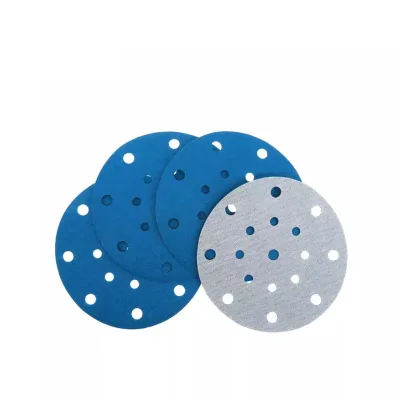
Grinding Wheels Sanding Paper Disc Grind Disc Sandpaper Disc Sanding Disc
$0.13 - $0.17
MOQ: 5000 Pieces

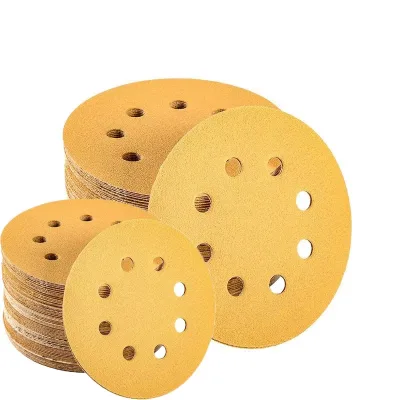
Sanding Discs Hardware Tools Cutting Disc Sanding Disc 150mm Abrasives Polish
$0.13 - $0.17
MOQ: 5000 Pieces

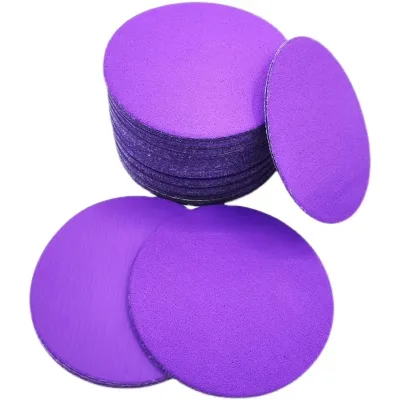
Grinding Disc Sanding Discs Abrasive Tools Polishing Flap Disc Polishing Wheel
$0.13 - $0.17
MOQ: 5000 Pieces




Comprehensive Sourcing Guide
Strategic Sourcing Guide for Fine Sand Polishing Film Discs
Understanding Technical Specifications and Product Variants
When sourcing fine sand polishing film discs, buyers must first navigate a complex landscape of technical specifications that define the product's performance and suitability for specific industrial tasks. The core keyword "Fine Sand Polishing Film Disc" implies a specific abrasive composition and physical form factor, yet the market offers significant variation in model numbers, grit sizes, and backing materials. Based on observed market data, these products frequently appear under model designations such as T27, T29, and specific film disc rolls like the 466LA. The physical dimensions are equally critical, with standard diameters ranging from 4 inches to 7 inches (approximately 100mm to 180mm) and specific thicknesses noted as 100*16mm or 32mm/35mm depending on the roll configuration.
The abrasive material is a primary differentiator. While the core search term suggests "fine sand," the actual abrasive grains listed in the market include Brown Corundum Sand, Zirconia Corundum Sand, and general Alumina. The "Fine Sand" grade often refers to the texture or the specific application rather than a single mineral type, with grit sizes spanning from #16 to #320. This wide range allows for applications from heavy stock removal to fine surface finishing. The shape is consistently round, designed for surface grinding and polishing applications, with working styles that include both surface grinding and surface polishing. Buyers should verify whether the product is a standard sanding disc or a specialized film disc roll, as the latter often offers superior flexibility and heat dissipation.
| Product Attribute | Observed Market Range | Verification Requirement |
|---|---|---|
| Model Number | T27, T29, 466LA Film Disc Roll, Disc, Sanding Disc | Confirm compatibility with existing grinding tools. |
| Diameter/Size | 4''-7'', 50-180mm, 100*16mm, 125mm | Match tool spindle size and workspace constraints. |
| Abrasive Type | Brown Corundum, Zirconia Corundum, Alumina | Select based on material hardness (wood vs. metal). |
| Grit Range | #16-320 | Define finish quality requirements (coarse vs. fine). |
| Color | Red, Grey, Black, Maroon, Colorful | Often indicates abrasive type or manufacturer coding. |
Compliance, Certification, and Origin Verification
In the B2B procurement of abrasive products, compliance and origin verification are paramount for supply chain integrity and regulatory adherence. The observed market data indicates that the primary origins for these products are Linyi, Shandong, and Jiangsu, China. These regions are established hubs for abrasive manufacturing, but the specific factory location impacts logistics costs and lead times. Buyers must verify the "prod_origin" field on supplier listings to ensure alignment with their sourcing strategy, whether they require a specific provincial origin for trade agreement benefits or simply a reliable manufacturing base.
Regarding certifications and standards, the provided data does not list specific third-party certifications (such as ISO 9001 or CE marks) for every listed product. Instead, the data references "prod_standard" values like "100*16mm" or "125mm," which are dimensional specifications rather than safety or quality certifications. Buyers should not assume that a product listing a specific dimension automatically meets international safety standards. The "Quality" attribute is frequently described as "High Quality," but this is a subjective claim rather than a verified standard. Procurement teams must request specific test reports or certification documents from the supplier to validate claims regarding safety, durability, and environmental compliance. The "Other Ports" attribute lists Shanghai, Qingdao, Tianjin, Ningbo, and Guangzhou, which are standard major Chinese export hubs, but the actual port of shipment must be confirmed to calculate accurate freight costs.
Cost Drivers and Pricing Dynamics
The pricing structure for fine sand polishing film discs is influenced by several dynamic factors, including material composition, order volume, and packaging requirements. The observed price range in the market spans from $0.01 to $50 USD per unit. This wide variance suggests that the unit price is heavily dependent on the specific configuration, such as the diameter, the type of abrasive grain, and the quantity ordered. For instance, a single 4-inch disc with a standard grit may fall at the lower end of the spectrum, while a specialized 7-inch Zirconia Corundum roll with custom packaging could command a higher price.
The Minimum Order Quantity (MOQ) is another significant cost driver, with observed ranges spanning from 1 to 100,000 units. Suppliers often offer tiered pricing structures where the unit cost decreases as the order volume increases. Buyers seeking to minimize inventory costs might opt for lower MOQs, accepting a higher per-unit price, while those with consistent demand should aim for higher volume orders to leverage economies of scale. Packaging also plays a role in cost; options range from "Bulk Packing" to "Carton," "Neutral Carton," "Export Standard Kraft Carton," and "Wooden Case." More robust packaging, such as wooden cases or export-standard cartons, adds to the overall cost but is essential for protecting the product during international transit. Additionally, the "Customization" attribute is marked as "Available" and "Welcomed," which implies that custom logos, specific grits, or unique dimensions will likely incur additional setup or unit costs.
Typical Applications and Material Compatibility
The versatility of fine sand polishing film discs makes them suitable for a broad spectrum of industrial applications. The primary application categories identified in the market data are "Polishing" and "Grinding." The specific usage scenarios extend to "All Metals," "Aluminum," and "Carbon Steel," indicating that these discs are not limited to wood or soft materials. The "Brown Corundum Sand" and "Zirconia Corundum Sand" variants are particularly noted for their effectiveness on metal surfaces, where they provide a balance between cutting speed and surface finish.
For wood processing, the "Wood Sandpaper" classification suggests a specific formulation designed to prevent clogging and provide a smooth finish on timber. The "Surface Grinding" and "Surface Polishing" working styles indicate that these discs are designed for flat or slightly curved surfaces, making them ideal for deburring, blending welds, and final finishing operations. The "Ordinary Binder Sand" bonding agent suggests a standard adhesive system, but for high-performance applications, buyers should verify if a premium binder is available to prevent premature disc failure under high heat or pressure. The "Position" attribute is listed as "Premium," which may refer to the product's placement in a catalog or its intended use in high-end manufacturing processes. Buyers must match the abrasive type to the workpiece material; for example, using a Zirconia disc on aluminum requires specific grit selection to avoid loading the abrasive, while Brown Corundum is generally more versatile for steel and cast iron.
Supplier Evaluation and Quality Control Protocols
Evaluating suppliers for fine sand polishing film discs requires a rigorous approach to quality control and capability assessment. Since the market data does not provide specific supplier names or verified test results, buyers must conduct their own due diligence. Key evaluation criteria should include the supplier's ability to meet the "Customization" requirements, such as providing specific hole configurations (Without Hole, 5 Hole, or 8 Hole) and color options (Red, Grey, Black, Maroon, or Colorful). The "Hole" configuration is critical for dust extraction systems, and the supplier must demonstrate consistency in hole placement and diameter.
Quality control should focus on the consistency of the abrasive coating and the durability of the backing material. Buyers should request samples to test the "Grit" consistency across the #16-320 range, ensuring that the "Fine Sand" designation translates to a uniform finish. The "Back Color" being "Colorful" may indicate a specific backing material or a branding choice, but it should not detract from the functional integrity of the disc. Suppliers should be able to provide data on the "Bonding Agent" strength and the "Working Style" performance under load. The "Quality" attribute of "High Quality" should be backed by internal quality control procedures, such as random sampling during production and final inspection before packing. Buyers should also verify the "prod_packing" consistency, ensuring that the "100 PCS/Box, 2000 PCS/Carton" or similar packaging standards are maintained to prevent damage during shipping.
Long-Term Procurement Considerations and Supply Chain Resilience
Long-term procurement of fine sand polishing film discs involves more than just securing a one-time purchase; it requires building a resilient supply chain that can adapt to changing production needs. The "Customization" and "Customized" attributes highlight the importance of flexibility in the supply relationship. As production requirements evolve, the ability to adjust grit sizes, diameters, or hole configurations without significant lead time delays is a critical advantage. Buyers should prioritize suppliers who demonstrate a willingness to collaborate on product development and who can scale production from low MOQs to high-volume orders up to 100,000 units.
Logistics and port selection are also long-term considerations. With "Other Ports" including Shanghai, Qingdao, Tianjin, Ningbo, and Guangzhou, buyers should evaluate which port offers the best balance of cost and transit time to their destination. The "Location" of the supplier in Shandong or Jiangsu provinces may influence the choice of port, as proximity to the factory can reduce inland freight costs. Furthermore, the "prod_packing" options, ranging from "Bulk Packing" to "Wooden Case," should be evaluated based on the frequency of orders and the storage conditions at the buyer's facility. For high-frequency, low-volume orders, "Neutral Carton" or "Export Standard Kraft Carton" may be more cost-effective, while large, infrequent shipments might benefit from the added protection of "Wooden Case" or "Packed in Standard Export Cartons."
Finally, buyers must consider the total cost of ownership, which includes not only the unit price but also the cost of waste due to premature disc failure or inconsistent performance. By establishing a partnership with a supplier who offers high-quality, customizable products and transparent quality control, buyers can mitigate these risks. The "Fine Sand" specification should be treated as a starting point for a broader discussion on performance requirements, ensuring that the final product meets the exact needs of the application, whether it is for metal polishing, wood finishing, or general surface preparation.
FAQs
What abrasive materials are available for fine sand polishing film discs?
Available abrasive materials include Brown Corundum Sand, Zirconia Corundum Sand, and Alumina. These options allow selection based on the specific workpiece material, such as wood or various metals like aluminum and carbon steel.
Which grit sizes can be found for fine sand polishing film discs?
The grit range spans from #16 to #320, covering coarse stock removal to fine surface finishing. This wide spectrum ensures suitability for both heavy grinding and delicate polishing applications across different industrial needs.
How are these discs typically packed for export?
Packing options include Bulk Packing, Neutral Carton, Export Standard Kraft Carton, and Wooden Case. Specific configurations like 100 pieces per box or 2000 pieces per carton are also available to protect the product during transit.
Can I request custom hole configurations for these discs?
Yes, customization is available and welcomed for hole configurations including Without Hole, 5 Hole, or 8 Hole. Buyers should verify specific requirements with the supplier to ensure compatibility with their dust extraction systems.
What is the origin of these fine sand polishing film discs?
Products originate from manufacturing hubs in Linyi, Shandong, and Jiangsu, China. These regions are established centers for abrasive production, influencing logistics and potential port selection for international shipments.
Which diameters are standard for these polishing discs?
Standard diameters range from 4 inches to 7 inches, with specific sizes like 100mm, 125mm, and 50-180mm observed. Buyers must match these dimensions to their tool spindle size and workspace constraints.
What are the typical minimum order quantities for these discs?
The minimum order quantity ranges from 1 to 100,000 units depending on the supplier and product configuration. Higher volume orders often leverage economies of scale, while lower MOQs suit smaller procurement needs.