Source Fingerless Gloves for Hunting, Racing, and Outdoor Use
Compare 30 listings of Fingerless Gloves from verified suppliers. Options include acrylic and nylon materials with customization available for hunting, racing, and outdoor activities. Buyers can review specifications like finger length, closure types, and standard certifications to find suitable products for various applications.
Key considerations
Products List


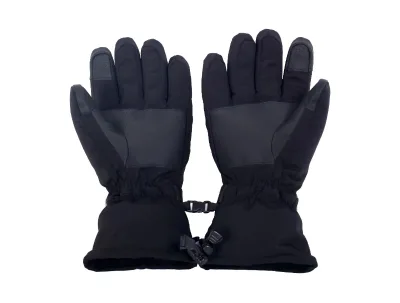


$0.00 - $0.00
MOQ: 100 Boxes


Comprehensive Sourcing Guide
Fingerless Gloves Sourcing Guide
Sourcing Fingerless Gloves requires a nuanced understanding of material performance and intended use cases, particularly for high-activity environments. The market offers distinct variations, from casual winter wear to specialized gear for motorsports and tactical operations. Buyers must distinguish between products designed for thermal retention and those engineered for dexterity and grip. This guide outlines the critical verification steps needed to align procurement with specific operational requirements, ensuring that the selected gloves meet both functional and commercial expectations.
Procurement decisions should be driven by a clear definition of the end-user’s needs, whether that involves motorcycle riding, hunting, or general outdoor activities. The observed product landscape includes options with varying closure types, such as adjustable buckles or buckle-free designs, which significantly impact fit and security. Understanding these distinctions early in the sourcing process helps prevent mismatches between supplier offerings and buyer specifications, reducing the risk of returns or dissatisfaction among end consumers.
Product Scope and Observed Listing Signals
The current market signals indicate a diverse range of Fingerless Gloves tailored for specific activities, including motorcycle and bicycle riding, racing, hunting, and paintball. Materials observed include acrylic for plain styles and nylon or spandex blends for performance-oriented models. These materials suggest a split between casual, fashion-forward items and technical gear designed for durability and flexibility. Buyers should note that some listings specify full finger lengths, indicating that careful filtering is necessary to isolate true fingerless options for targeted procurement.
Color and style variations further define the scope, with black being a dominant choice for tactical and racing applications, while green and tan options appear in hunting contexts. Some products feature fringes or plain designs, catering to aesthetic preferences alongside functional needs. The presence of customization options, such as embroidery or printing, allows for brand integration, which is crucial for private label buyers. Understanding these visual and material signals helps in creating accurate request for quotation documents that resonate with supplier capabilities.
Technical Specifications to Verify
Verifying technical specifications is paramount to ensuring the gloves meet performance standards. Key attributes to confirm include finger length, closure type, and material composition. For instance, nylon and spandex blends are often preferred for their stretch and durability in high-movement scenarios, while acrylic may be suitable for less demanding, fashion-focused uses. Buyers should also check for specific features like anti-slip properties, which are critical for grip in racing or hunting applications. These details directly influence the glove’s utility and safety profile.
Size and fit specifications vary significantly across suppliers, with measurements provided in centimeters and inches for medium, large, and extra-large sizes. It is essential to verify these dimensions against target market demographics to ensure proper fit. Additionally, thickness and length specifications, such as long or normal profiles, affect both comfort and protection. Confirming these technical details with suppliers before placing orders prevents sizing issues and ensures that the final product aligns with the intended use case, whether it be for cold weather or active sports.
Compliance and Safety Documentation
Compliance and safety documentation are critical for gloves used in high-risk activities like racing or motorcycle riding. Buyers should request evidence of relevant certifications, such as CE marking, which indicates conformity with health, safety, and environmental protection standards for products sold within the European Economic Area. While some listings mention CE standards, it is vital to verify the specific directives and test reports associated with these certifications to ensure they cover the relevant hazards, such as abrasion or impact resistance.
Other standards, such as SGS testing, may also be referenced, indicating third-party verification of material quality or safety. Buyers must clarify what specific tests were conducted and whether the results are available for review. For hunting or tactical gloves, while specific safety standards may be less stringent than for motorsports, material safety and durability certifications remain important. Ensuring that suppliers can provide up-to-date and valid compliance documents protects the buyer from legal liabilities and enhances the product’s marketability in regulated regions.
Cost Drivers and Commercial Terms
Cost drivers for Fingerless Gloves include material quality, customization complexity, and order volume. Materials like nylon/spandex blends typically command higher prices than basic acrylic due to their performance characteristics. Customization options, such as embroidery or printing, add to the unit cost and may require additional setup fees. Buyers should also consider the impact of packaging choices, such as individual polybags or OPP bags, on overall logistics costs. Understanding these variables helps in negotiating more accurate and competitive pricing structures.
Commercial terms, including minimum order quantities (MOQ) and sample policies, significantly influence procurement strategy. Observed MOQs range widely, from small batches for testing to large volumes for mass production. Suppliers often accept sample requests, which is a crucial step for quality verification before committing to large orders. Buyers should clarify lead times and payment terms to manage cash flow effectively. Aligning order volumes with supplier MOQs can help optimize unit costs while maintaining flexibility in inventory management.
Supplier Qualification and Quality Control
Supplier qualification involves assessing manufacturing capabilities, quality control processes, and past performance. Buyers should verify the supplier’s origin, such as Zhenjiang or Yiwu, as these regions have established reputations for specific types of glove manufacturing. Requesting references or case studies can provide insight into the supplier’s reliability and consistency. Additionally, evaluating their ability to handle customization requests, such as logo application, is essential for brands seeking unique product offerings.
Quality control measures should be clearly defined, including inspection protocols for materials, stitching, and final product finish. Buyers should inquire about defect rates and how suppliers handle non-conforming goods. Establishing a clear communication channel for addressing quality issues is crucial for maintaining product standards. Regular audits or third-party inspections may be necessary for large orders to ensure that the supplied gloves meet the agreed-upon specifications and quality benchmarks throughout the production process.
Long-Term Procurement Checks
Long-term procurement success depends on continuous monitoring of supplier performance and market trends. Buyers should establish key performance indicators (KPIs) for delivery times, quality consistency, and responsiveness to issues. Regular reviews of these metrics help identify potential problems early and foster a collaborative relationship with suppliers. Additionally, staying informed about material innovations and design trends ensures that the product offering remains competitive and relevant to end consumers.
Building a diversified supplier base can mitigate risks associated with single-source dependencies. Evaluating alternative suppliers periodically allows for better negotiation leverage and access to new technologies or materials. Furthermore, maintaining open lines of communication regarding future product developments can lead to collaborative improvements and exclusive offerings. By focusing on these long-term checks, buyers can build a resilient supply chain that supports sustained growth and customer satisfaction in the Fingerless Gloves market.
FAQs
What materials are used for these Fingerless Gloves?
The gloves are constructed from durable materials including acrylic, nylon, and spandex blends. Some models feature nylon as the outer material to ensure flexibility and comfort during use. These materials support various applications such as motorcycle riding, hunting, and paintball activities.
Can I customize the logo on the gloves?
Yes, customization is available for the logo on these products. Buyers can choose from options like embroidery or printing to brand the gloves. This service allows businesses to add their specific designs or corporate identity directly onto the glove surface for marketing purposes.
Which certifications do the gloves meet?
Certain models meet recognized standards such as CE and SGS certifications. These certifications indicate that the products adhere to specific safety and quality requirements. Buyers should verify the specific model number to confirm which standard applies to their order.
What is the minimum order quantity for these gloves?
The minimum order quantity varies by product but can start as low as 10 pairs for some items. Other listings may require up to 500,000 units depending on the specific model and supplier capacity. Buyers should check the specific product page for exact MOQ requirements.
Where are these gloves manufactured?
The gloves originate from manufacturing locations in Zhenjiang and Yiwu, China. These regions are known for producing textile goods and protective gear. The specific origin depends on the model number and the supplier assigned to the order.
How are the gloves packaged for shipment?
Packaging options include individual polybags or OPP bags depending on the specific product model. Each unit is typically packed separately to ensure protection during transit. Some listings specify a single piece per OPP bag for retail-ready presentation.
What sizes are available for these gloves?
Available sizes include Medium, Large, and X-Large with specific hand measurements provided. Medium fits hands measuring 17.5cm to 21cm, while Large covers 21cm to 23cm. X-Large accommodates hands from 23cm to 25cm for a secure fit.
Are these gloves suitable for winter use?
Yes, certain models are designed for use in Winter and Spring/Autumn seasons. They feature materials like nylon and spandex that provide warmth while maintaining dexterity. These gloves are ideal for outdoor activities such as hunting and motorcycle riding in cooler weather.