Source Fine Sand Recovery Hydraulic Cyclone for Mining, Industrial, and Processing
Compare 30 Fine Sand Recovery Hydraulic Cyclone units from verified suppliers. These gravity separators feature oil-resistant carbon steel construction, customizable models, and energy-saving designs for mine and industrial applications; compare the available evidence and request quotations based on your requirements.
Updated
Key considerations
Products List


$8000.00 - $20000.00
MOQ: 1 Minimum




Comprehensive Sourcing Guide
Fine Sand Recovery Hydraulic Cyclone Sourcing Guide
Procuring fine sand recovery hydraulic cyclones requires a disciplined approach to aligning equipment specifications with your specific mineral processing objectives. These units are critical for separating fine particles from slurry, ensuring that valuable minerals are not lost in the tailings stream. Buyers must prioritize understanding the operational parameters that define efficiency, such as feed pressure and processing power, to ensure the selected cyclone matches the throughput requirements of their existing circuit.
The market offers a variety of models, including the FX Series and XS300, each designed for different diameter ranges and material handling capacities. Sourcing decisions should be driven by a clear assessment of the desired separation precision and the physical characteristics of the feed material. By focusing on verified technical data and supplier transparency, procurement teams can mitigate the risk of selecting underperforming equipment that fails to meet production targets or increases operational downtime.
Product Scope and Observed Listing Signals
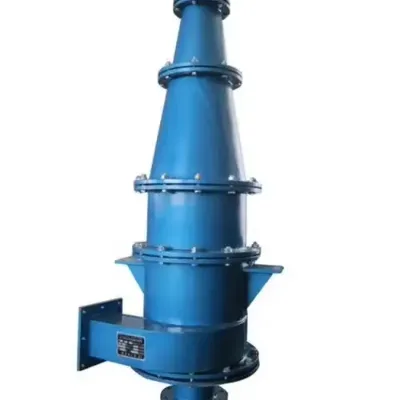
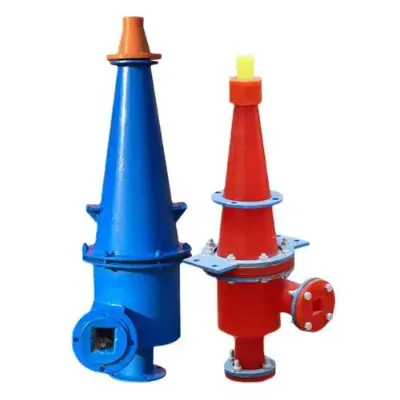
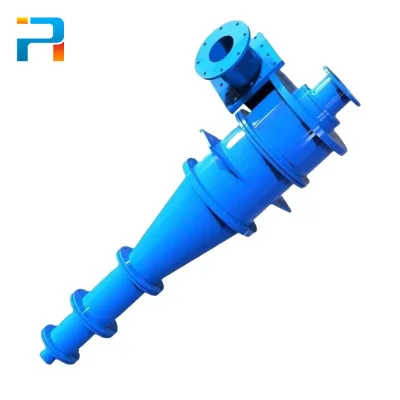
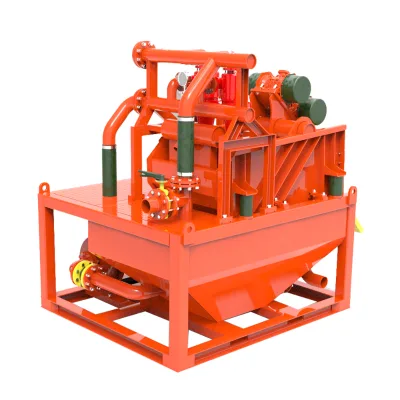
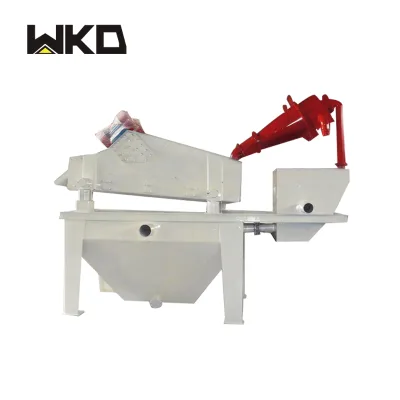
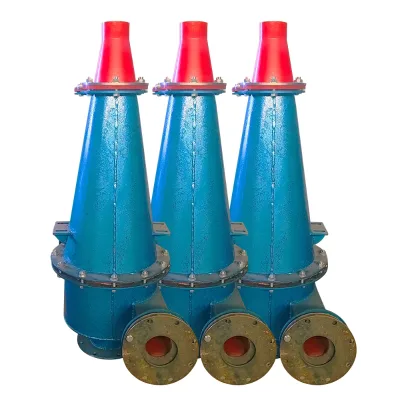
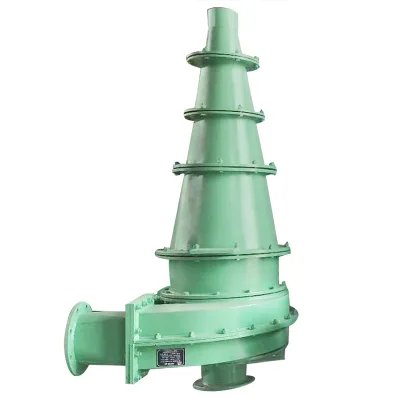
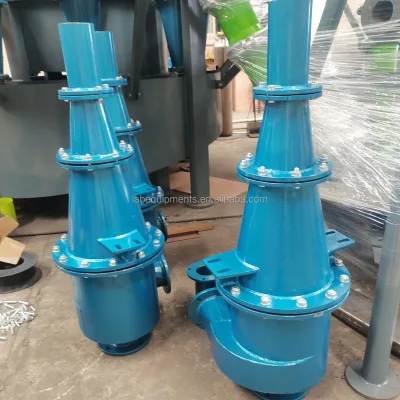
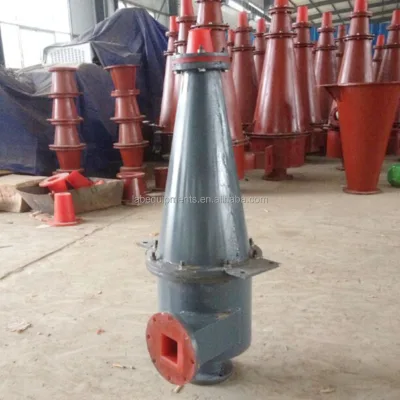
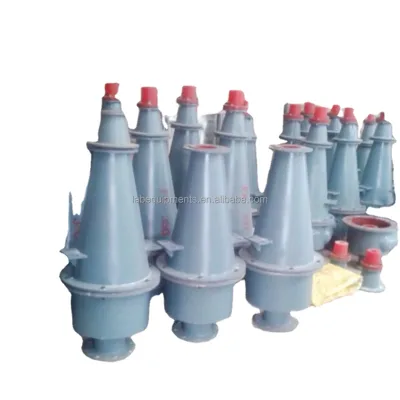
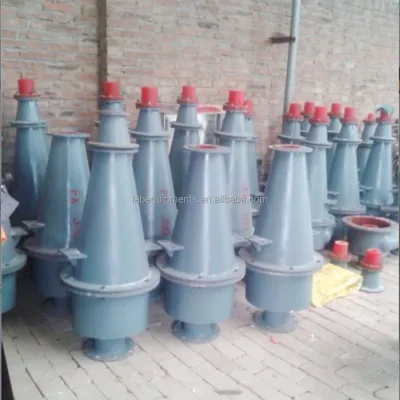
The current market landscape for fine sand recovery hydraulic cyclones features a diverse array of products, primarily categorized by their model series and application focus. Listings frequently highlight the FX Series Cyclone, which encompasses models ranging from FX-10 to FX-840, indicating a broad spectrum of capacities suitable for various industrial mining applications. These units are often described as gravity separators or flotation separators, reflecting their role in enhancing the efficiency of mineral separation processes by leveraging centrifugal force to isolate fine sand particles from the slurry.
Observed product attributes reveal significant variation in material composition and customization options. Many units are constructed from carbon steel with oil-resistant features, ensuring durability in harsh industrial environments. Buyers will notice that customization is widely available, allowing for tailored solutions that meet specific operational needs. The product names often include keywords like "Hydrocyclone" or "Fine Sand Recovery Machine," signaling their primary function in recovering valuable fine materials that might otherwise be lost in standard processing workflows.
Technical Specifications to Verify
When evaluating technical specifications, the diameter of the cyclone is a primary determinant of its separation efficiency and capacity. Available models range from 75mm to 710mm in diameter, allowing buyers to select a unit that precisely matches their required throughput and particle size distribution. It is essential to verify the feed pressure requirements, which typically fall between 0.04MPa and 0.4MPa, to ensure compatibility with your existing pump systems and slurry preparation infrastructure.
Processing power and motor type are also critical factors that influence operational performance. Units often feature AC motors and offer processing powers ranging from 5 to 500 cubic meters per hour, catering to both small-scale and large-scale industrial operations. Buyers should confirm the weight and packaging dimensions, as these affect logistics and installation planning. For instance, single gross weights can vary significantly, from 85kg to over 460kg, depending on the model and construction materials used.
Compliance and Safety Documentation
Compliance with international standards is a fundamental requirement for industrial machinery, ensuring that equipment meets safety and quality benchmarks. Many suppliers indicate that their products hold CE and ISO9001 certifications, which are critical for demonstrating adherence to rigorous manufacturing and safety protocols. Buyers must request valid certification documents to verify that the equipment has been tested and approved for operation in their specific jurisdiction, particularly if importing from regions like Shanxi, Taiyuan, or Zhengzhou, Henan.
Safety documentation should also include detailed operational manuals and maintenance guidelines provided by the supplier. These documents are essential for training staff on the correct operation and troubleshooting of the hydraulic cyclones. Additionally, buyers should inquire about the warranty terms, which are commonly offered for one year, to ensure that any manufacturing defects or early failures are addressed without additional cost. Clear warranty policies provide a layer of financial protection and confidence in the product's longevity.
Cost Drivers and Commercial Terms
The cost of fine sand recovery hydraulic cyclones is influenced by several factors, including the material of construction, customization level, and the complexity of the model. Prices in the observed market range widely, reflecting the diversity of specifications and capacities available. Buyers should expect to encounter a broad price spectrum, which necessitates a detailed comparison of features and performance claims to determine the true value of each offering.
Commercial terms such as minimum order quantity (MOQ) and packaging requirements also impact the total cost of acquisition. MOQs are typically low, ranging from 1 to 5 units, making it feasible for buyers to test specific models before committing to larger orders. Packaging is often specified as wooden boxes or non-fumigation plywood cases, which must be considered when calculating shipping and handling costs. Understanding these commercial variables helps in budgeting accurately and negotiating favorable terms with suppliers.
Supplier Qualification and Quality Control
Supplier qualification is a critical step in the procurement process, ensuring that the vendor has the capability to deliver high-quality equipment consistently. Buyers should verify the supplier's location and manufacturing capabilities, as many providers are based in industrial hubs like Hebei, China, or Shanxi, Taiyuan. These regions are known for their mining equipment manufacturing expertise, but due diligence is necessary to confirm the supplier's reputation and reliability.
Quality control measures should be explicitly discussed with potential suppliers, including their testing procedures and quality assurance protocols. Buyers should inquire about the availability of engineers for overseas service, as this indicates a commitment to long-term customer support. Additionally, verifying the supplier's ability to provide customized solutions and handle specific packaging requirements can serve as an indicator of their operational flexibility and customer-centric approach.
Long-Term Procurement Checks
Long-term procurement success depends on establishing a robust relationship with suppliers who can provide consistent support and spare parts availability. Buyers should assess the supplier's after-sales service capabilities, including their responsiveness to technical inquiries and their ability to provide timely maintenance support. A reliable supplier will offer comprehensive training and documentation to ensure that your team can operate and maintain the equipment effectively over its lifespan.
Regular performance reviews and feedback loops with suppliers are essential for continuous improvement and optimization of your procurement strategy. By monitoring the performance of the installed cyclones and comparing it against initial specifications, buyers can identify areas for improvement and negotiate better terms for future orders. Maintaining open communication with suppliers ensures that any issues are addressed promptly, minimizing downtime and maximizing the efficiency of your fine sand recovery operations.
FAQs
What is the processing capacity range for FX Series Cyclones?
The FX Series Cyclone offers a processing power range of 5 to 500 cubic meters per hour. This capacity supports various industrial applications, particularly in mining environments. The system utilizes a feed pressure between 0.04 and 0.4 MPa to ensure efficient separation. These specifications allow for flexible deployment across different operational scales and throughput requirements.
Can the Fine Sand Recovery Hydraulic Cyclone be customized for specific needs?
Yes, customization is available for these units to meet specific operational requirements. The product model ranges from FX-10 to FX-840, allowing for tailored diameters between 75 and 710 mm. Buyers can request specific configurations, including customized standards and packaging options. This flexibility ensures the equipment aligns precisely with unique industrial processing demands and site constraints.
What certifications do these gravity separators typically hold?
These units typically hold CE and ISO9001 certifications, ensuring compliance with international quality and safety standards. The products are classified as new condition and feature oil-resistant materials. Such certifications provide assurance regarding manufacturing quality and operational safety. Buyers can rely on these validated standards when integrating the equipment into their existing industrial workflows and compliance frameworks.
How is the equipment packaged for international shipping?
The equipment is packaged in wooden boxes, non-fumigation plywood cases, or standard mining machine packing. Specific dimensions vary by model, with single package sizes ranging from 43x36x120 cm to 80x60x50 cm. Gross weights range from 85 kg to 460 kg depending on the unit. This robust packaging protects the machinery during transit and facilitates efficient handling at the destination.
What after-sales service is provided for these mining machines?
Engineers are available to service machinery overseas, providing direct technical support. The products come with a one-year warranty to cover initial operational periods. This service model ensures that buyers receive assistance for installation, maintenance, and troubleshooting. The availability of expert support helps minimize downtime and maintains the long-term efficiency of the fine sand recovery systems in demanding mining applications.