Source Fire Resistant Incline Screw Conveyor for Grain, Chemical, and Power Plant
Find a Fire Resistant Incline Screw Conveyor from 30 verified listings. Compare stainless steel models with varying capacities and inclinations for grain transport, chemical industry, and power plant applications. Review specifications and request quotes from suppliers in China; compare the available evidence and request quotations based on your requirements.
Key considerations
Products List


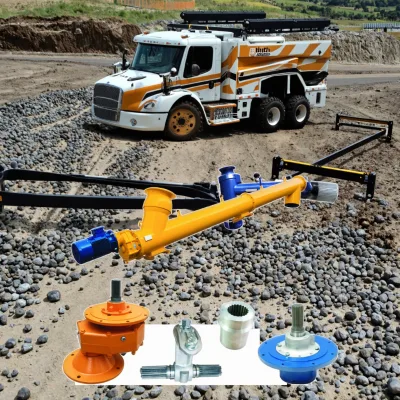


Shaftless Inclined Fire Resistant Agricultural Flexible Screw Conveyors
$2000.00 - $5000.00
MOQ: 1 Sets


Heavy Duty Screw Conveyor for Cement Powder Transfer
$800.00 - $1000.00
MOQ: 1 Pieces
Botou City Zecheng Environmental Protection Machinery Equipment Co., Ltd


High Performance Industrial U Shape Screw Conveyor
$800.00 - $1000.00
MOQ: 1 Pieces
Botou City Zecheng Environmental Protection Machinery Equipment Co., Ltd


Huaxun Screw Conveyor with 2500 Ton/Day Capacity, Quality From China
$2000.00 - $30000.00
MOQ: 1 Pieces

High Efficiency Huaxun Screw Conveyor, 2500 Ton/Day Capacity, China
$2000.00 - $30000.00
MOQ: 1 Pieces

Premium Huaxun Screw Conveyor, 2500 Ton/Day, Originating From China
$2000.00 - $30000.00
MOQ: 1 Pieces


Comprehensive Sourcing Guide
Fire Resistant Incline Screw Conveyor Sourcing Guide
Procuring a Fire Resistant Incline Screw Conveyor requires careful alignment of material properties with operational demands. The core keyword highlights two critical features: resistance to ignition sources and the ability to transport bulk materials at an angle. Buyers must verify that the stainless steel construction meets specific thermal and chemical resistance standards. This ensures the equipment remains durable in harsh environments such as power plants, chemical industries, and grain transport facilities.
The observed market signals indicate a wide range of models, from TDLG series inclining conveyors to LSY screw conveyors with capacities up to 120t/H. These units often feature gear motors and adjustable inclination angles between 0-60 degrees. Understanding the specific model number, such as TDLG-5 or LSY160, is essential for matching the conveyor’s structural design to your site’s spatial constraints and throughput requirements.
Product Scope and Observed Listing Signals
The current market offers a diverse array of screw and roller conveyors designed for inclined transport. Listings frequently highlight stainless steel construction, which provides inherent fire and heat resistance alongside oil resistance. This material choice is particularly relevant for applications involving chemical industries or grain transport, where contamination and fire hazards are significant concerns. Buyers should note that customization is widely available, allowing for tailored solutions that fit unique facility layouts.
Observed specifications reveal a variety of capacity standards, ranging from 2CBM/H to 8m3/h, with some models supporting up to 120t/H. The product origin is predominantly China, with notable manufacturing hubs in Shanghai and Henan. These regions are known for producing robust industrial equipment, including models like the TFD-2 and Screw-Conveyor series. Buyers should review the specific prod_model to ensure the capacity and structural type match their operational volume and material characteristics.
Technical Specifications to Verify
When evaluating technical specifications, the inclination angle and maximum length are paramount for incline screw conveyors. The observed data indicates an inclination range of 0-60 degrees, which allows for flexible installation in multi-level facilities. Buyers must verify the max length, which can extend up to 35m, to ensure the conveyor can span the required distance without excessive sagging or material rollback. The screw diameter, often specified as per the model, directly impacts the throughput and pressure within the tube.
Motor selection is another critical technical factor, with gear motors being a common choice for their torque and reliability. The screw rotation speed should be matched to the desired capacity, which varies by model. Additionally, the structure type, whether inclining or roller, must align with the material’s flow properties. Buyers should confirm the installation type, such as inclined installation, to ensure proper support and alignment during setup.
Compliance and Safety Documentation
Compliance with international standards is essential for ensuring the safety and reliability of fire resistant incline screw conveyors. Many suppliers provide certifications such as CE, ISO9001, and SGS, which indicate adherence to quality management and safety protocols. Buyers should request these documents to verify that the manufacturing process meets recognized industry benchmarks. The presence of these certifications often correlates with better quality control and consistent product performance.
Safety features, particularly fire resistance, must be documented through material test reports and design specifications. The stainless steel construction should be verified for its specific fire-resistant properties, ensuring it can withstand high temperatures without degrading. Buyers should also check for video outgoing-inspection services, which provide visual evidence of the product’s condition before shipment. This step helps mitigate risks associated with receiving non-compliant or damaged equipment.
Cost Drivers and Commercial Terms
Cost drivers for incline screw conveyors include material grade, capacity, and customization level. Stainless steel construction and fire-resistant features typically increase the base price compared to standard carbon steel alternatives. The observed price range of 400-30000 USD reflects variations in model complexity, capacity, and included accessories. Buyers should analyze the total cost of ownership, considering energy-saving features and warranty periods, which can range from 1 to 2 years.
Commercial terms such as MOQ and packing methods also influence procurement decisions. The observed MOQ range of 1-1100 units suggests flexibility for both small and large orders. Packing is typically done in wooden cases or bulk, depending on the customer’s request. Buyers should negotiate clear terms regarding shipping, installation support, and after-sales service to avoid hidden costs. Understanding these variables helps in budgeting accurately and selecting the most cost-effective solution.
Supplier Qualification and Quality Control
Supplier qualification involves verifying the manufacturer’s location, brand reputation, and production capabilities. Many suppliers are based in Shanghai or Henan, China, with brands like TONGXING offering specialized conveyor solutions. Buyers should assess the supplier’s experience in producing fire resistant and heat resistant equipment. Checking for video outgoing-inspection services is a practical way to verify quality control processes before finalizing the purchase.
Quality control measures should include rigorous testing of material properties and structural integrity. Buyers should request detailed specifications for the stainless steel grade and fire-resistant coatings. Additionally, verifying the supplier’s ability to provide customized solutions is crucial for meeting specific operational needs. Ensuring that the supplier has a robust warranty policy, typically 1-2 years, provides an additional layer of protection against potential defects or performance issues.
Long-Term Procurement Checks
Long-term procurement checks focus on the durability and maintainability of the incline screw conveyor. Buyers should evaluate the ease of replacing wear parts, such as screws and bearings, to minimize downtime. The energy-saving features of the motor system should be monitored over time to ensure consistent performance. Regular maintenance schedules should be established to inspect the fire-resistant coatings and structural components for signs of wear or damage.
Supplier support and availability of spare parts are critical for long-term operational success. Buyers should confirm the supplier’s ability to provide technical support and replacement parts for at least 5-10 years. Additionally, staying updated on industry standards and safety regulations ensures that the conveyor remains compliant throughout its lifecycle. Proactive engagement with the supplier can help address any emerging issues and optimize the conveyor’s performance over time.
FAQs
What materials are used for fire resistant incline screw conveyors?
Stainless steel is the primary material used for these conveyors to ensure durability and safety. The product features fire resistance, heat resistance, and oil resistance to handle demanding industrial environments effectively.
Can I customize the specifications for my Fire Resistant Incline Screw Conveyor?
Yes, customization is available to meet specific operational needs. Buyers can request tailored dimensions and capacities, with options for bulk or wooden case packing depending on the shipping requirements.
Which certifications do Fire Resistant Incline Screw Conveyor manufacturers hold?
Manufacturers typically hold CE, ISO9001, and SGS certifications to ensure quality and safety standards. These credentials verify that the equipment meets international requirements for industrial machinery used in power plants and chemical industries.
How long is the warranty period for fire resistant incline screw conveyors?
The warranty period generally ranges from one to two years depending on the specific model and supplier terms. This coverage ensures protection against manufacturing defects and provides peace of mind for industrial buyers.
What is the capacity range for Fire Resistant Incline Screw Conveyor models?
Capacity varies by model, with options ranging from 2 cubic meters per hour up to 120 tons per hour. Specific models like LSY series offer capacities between 25 and 120 tons per hour for heavy-duty transport.
Where are fire resistant incline screw conveyors manufactured?
These conveyors are primarily manufactured in China, with origins in Shanghai and Henan provinces. The production facilities ensure compliance with international standards while offering competitive pricing for global export markets.
Can fire resistant incline screw conveyors be used in power plants?
Yes, these conveyors are specifically designed for applications in power plants, mining transport, and chemical industries. Their robust construction handles grain transport and other bulk materials efficiently under high-temperature conditions.