Source Commercial Inflatable Gladiator Arena for Parks
Find and compare 30 Commercial Inflatable Gladiator Arena options for amusement parks, community events, and training facilities. Evaluate specifications like PVC material, blower inclusion, and CE certification to select the right setup for your venue; compare the available evidence and request quotations based on your requirements.
Key considerations
Products List


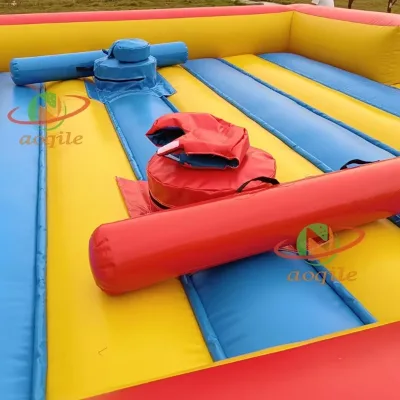
2023 New Fighting Sports Boxing Ring Game Inflatable Gladiator Joust Arena
$500.00 - $2000.00
MOQ: 1 Pieces




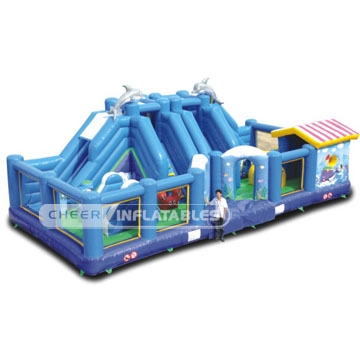

Balloon Commercial Jump House Bouncer Inflatable Playing Arena for Outdoor Party
$459.00 - $799.00
MOQ: 1 Pieces


Giant Inflatable Amusement Park Rides Equipment for Outdoor Entertainment Events
$1099.00 - $3155.00
MOQ: 1 Pieces


Giant Commercial Inflatable Indoor Outdoors Theme Park Inflatable Amusement Playground
$2980.00 - $3680.00
MOQ: 1 Pieces


Customized Floating Inflatable Water Sports Arena Aqua Park for Wholesale
$19001.47 - $19623.24
MOQ: 1 Pieces
Comprehensive Sourcing Guide
Commercial Inflatable Gladiator Arena Sourcing Guide
Procurement of commercial inflatable gladiator arenas requires careful evaluation of the structural integrity and material durability, as these units are designed for high-impact physical activities in public venues. The observed market data indicates that suppliers often utilize high-duty commercial PVC vinyl or heavy-duty tarpaulin to ensure the structure can withstand repeated collisions and dynamic movement. Buyers must verify that the fabric thickness meets specific operational demands, with observed listings suggesting a standard thickness of 0.55mm for critical load-bearing sections.
The functional scope of these arenas extends beyond simple play, often incorporating features like tear resistance and corrosion protection to maintain safety in varied environmental conditions. While some listings highlight specific models like the AU-S51 or cxw-28, the core requirement remains the ability to support multiple users simultaneously without structural failure. Sourcing teams should prioritize units that explicitly state a warranty of one year and include essential accessories such as repair kits, ensuring that operational downtime is minimized through immediate on-site maintenance capabilities.
Product Scope and Observed Listing Signals
The product landscape for commercial inflatable gladiator arenas reveals a diverse range of configurations, from standard obstacle courses to specialized training facilities suitable for adults and specific age groups. Observed listings indicate that these units are frequently marketed for use in parks, amusement centers, and community spaces, with some models specifically tailored for training purposes or large-scale entertainment projects. Buyers should note that while some products are designed for general amusement, others target specific demographics, such as the 12-15-year-old age bracket or adult-only competitive events.
Listing signals also highlight the importance of customization, as many suppliers offer free 3D design services and allow for tailored dimensions to fit specific venue layouts. The observed data shows that size and color are often customizable, with standard dimensions ranging from 90x60x60 cm to larger configurations, though exact capacity limits must be verified per unit. Additionally, the inclusion of digital printing capabilities allows operators to brand the arena with logos or thematic graphics, which is a critical factor for commercial operators seeking to enhance their venue's visual appeal and brand identity.
Technical Specifications to Verify
Technical verification must begin with the blower system, as the inclusion of a blower is a non-negotiable requirement for the inflation and stability of the arena. Buyers should confirm that the power requirements align with local electrical standards, with observed listings specifying 110V or 220V compatibility to ensure seamless integration into various venue power grids. The weight of the unit is another critical specification, with observed ranges indicating a total weight between 150 and 199 kilograms, which impacts logistics planning and the need for specialized transport equipment.
Material composition and structural standards are equally vital, with high-duty commercial PVC vinyl being the preferred material for its durability and safety profile. Buyers must verify that the allowable passenger count and maximum capacity, which can exceed 500kg in some configurations, are clearly defined to prevent overloading. Furthermore, the packing method, whether in PVC bags, cartons, or export cartons, must be assessed to ensure the product arrives without damage, and the condition of the unit should be confirmed as new to guarantee optimal performance from the first day of operation.
Compliance and Safety Documentation
Safety compliance is paramount when sourcing commercial inflatables, and buyers must demand documentation proving adherence to recognized safety standards such as ASTM, CE, and EN certifications. The observed data confirms that many suppliers provide CE certification, which is essential for market entry in many regions, but buyers should not assume all listed products meet these rigorous standards without explicit verification. The presence of a "Non-Toxic/Eco-Friendly/Safety" feature claim should be backed by third-party test reports to ensure the materials do not pose health risks to users, particularly children.
Documentation regarding the warranty and liability coverage is also a critical component of the safety compliance package. A standard one-year warranty is commonly observed, but buyers should scrutinize the terms to understand what specific failures are covered, such as seam ruptures or blower malfunctions. Additionally, the inclusion of repair kits in the product package serves as a primary safety measure, allowing operators to address minor damages immediately. Buyers must ensure that the supplier provides clear instructions for the use of these kits and that the materials used in the repair process match the original high-duty specifications.
Cost Drivers and Commercial Terms
The cost of a Commercial Inflatable Gladiator Arena is driven primarily by the complexity of the design, the quality of the materials used, and the level of customization required. While observed price ranges vary significantly from approximately $51.77 to $100,000, this wide spectrum reflects differences in size, feature sets, and the inclusion of advanced elements like digital printing or specialized obstacle courses. Buyers should be wary of low-cost options that may compromise on material thickness or blower quality, as these factors directly impact the longevity and safety of the unit.
Commercial terms such as Minimum Order Quantity (MOQ) and lead times are also significant cost drivers, with observed MOQs ranging from 1 to 50 units depending on the supplier's production capacity. Customization requests, such as specific colors or dimensions, often incur additional fees and may extend the lead time beyond standard production schedules. Buyers must negotiate clear terms regarding shipping, which can vary based on the packing method, and ensure that the final price includes all necessary accessories like repair kits and blower units to avoid unexpected costs upon delivery.
Supplier Qualification and Quality Control
Supplier qualification requires a thorough vetting process that goes beyond basic product listings to assess the manufacturer's production capabilities and quality control protocols. Buyers should verify the supplier's origin, with many observed listings indicating production in Guangdong, China, a region known for its manufacturing expertise but also requiring strict oversight to ensure consistency. The acceptance of OEM and ODM services suggests that suppliers are capable of custom manufacturing, but buyers must confirm that the supplier has a proven track record of delivering units that meet the specified technical and safety standards.
Quality control measures should be embedded in the procurement contract, requiring pre-shipment inspections to verify that the final product matches the agreed-upon specifications. Buyers should request evidence of the production process, including material testing results and assembly checks, to ensure that the high-duty commercial PVC vinyl or tarpaulin used meets the required durability standards. Additionally, the supplier should provide a clear protocol for handling defects or damages during transit, ensuring that the buyer is not left with a non-functional unit that fails to meet the operational requirements of the venue.
Long-Term Procurement Checks
Long-term procurement success depends on establishing a reliable supply chain that can support ongoing maintenance, repairs, and potential future expansions of the inflatable arena fleet. Buyers should prioritize suppliers who offer comprehensive after-sales support, including the availability of replacement parts and technical assistance for troubleshooting blower or structural issues. The observed inclusion of repair kits is a positive indicator, but buyers must ensure that the supplier can provide additional components if the initial kit is insufficient for the scale of wear and tear expected in a commercial environment.
Regular audits of the supplier's performance and product consistency are essential to maintain high operational standards over time. Buyers should monitor the supplier's ability to meet delivery timelines and maintain the quality of materials across multiple orders, as inconsistencies can lead to safety hazards and increased downtime. By maintaining a close relationship with the supplier and establishing clear communication channels, buyers can ensure that their commercial inflatable gladiator arenas remain safe, functional, and compliant with evolving industry standards for years to come.
FAQs
What certifications are available for Commercial Inflatable Gladiator Arena units?
Commercial Inflatable Gladiator Arena units typically hold CE and ASTM certifications to ensure safety and compliance with international standards. These certifications verify that the materials and construction meet rigorous quality requirements. Buyers should request valid documentation from suppliers to confirm that the specific model has been tested and approved for public use in amusement parks and community events.
Can the size and design of the inflatable arena be customized?
Yes, the size and design of the inflatable arena can be fully customized to fit specific venue requirements. Manufacturers offer free 3D design services to visualize the final product before production. The standard dimensions can be adjusted, and digital printing allows for unique branding or graphics. This flexibility ensures the inflatable structure integrates seamlessly into any park or commercial space.
What material is used to construct the Commercial Inflatable Gladiator Arena?
The arena is constructed from high-duty commercial PVC vinyl or heavy-duty tarpaulin, providing durability and tear resistance. The fabric thickness is typically around 0.55mm, ensuring it withstands intense physical activity. This material is non-toxic and eco-friendly, making it safe for users of various ages. The robust construction supports high capacity and long-term use in commercial settings.
How much does a Commercial Inflatable Gladiator Arena cost?
The price for a Commercial Inflatable Gladiator Arena ranges from approximately 51.77 to 100,000 USD, depending on size and customization. Factors influencing cost include material thickness, blower inclusion, and specific design requirements. Buyers should request detailed quotes based on their desired specifications. Minimum order quantities vary, allowing for flexible procurement strategies for different business scales.
What accessories are included with the Commercial Inflatable Gladiator Arena?
Included accessories typically feature repair kits and high-power blowers to ensure immediate setup and maintenance. The blower is essential for inflating the structure and maintaining pressure during use. Repair kits allow for quick fixes to minor damages, extending the product lifespan. Some units may also come with specific packing materials like PVC bags or export cartons for safe shipping.
Where are commercial inflatable gladiator arenas typically manufactured?
These arenas are primarily manufactured in Guangdong, China, a major hub for inflatable product production. Suppliers in this region offer competitive pricing and extensive customization capabilities. The manufacturing base supports various models, including specific series like AU-S51 and cxw-28. Buyers can source directly from these factories to ensure quality control and efficient logistics for global distribution.