Source Professional Nail Art Brush for salons, DIY, and artists
Explore 30 listings for the Professional Nail Art Brush featuring varied handle materials, brush hardness, and customization options. Buyers can compare specifications like nylon hair, plastic or metal handles, and packaging types to find suitable tools for professional nail salons and DIY projects.
Key considerations
Products List


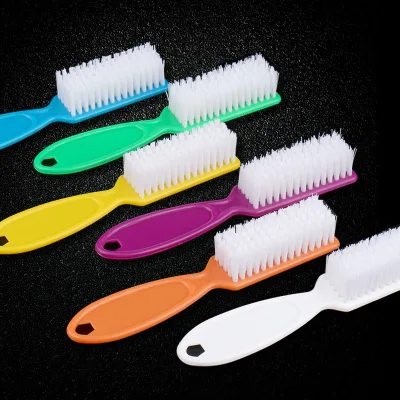

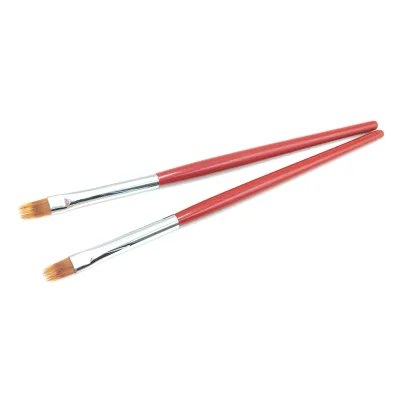
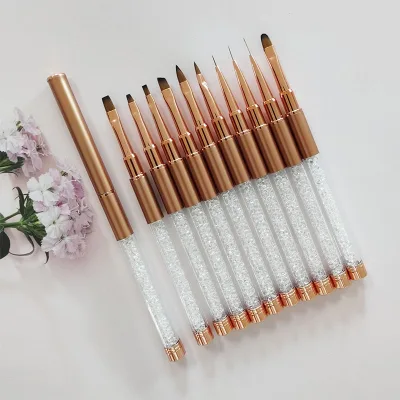
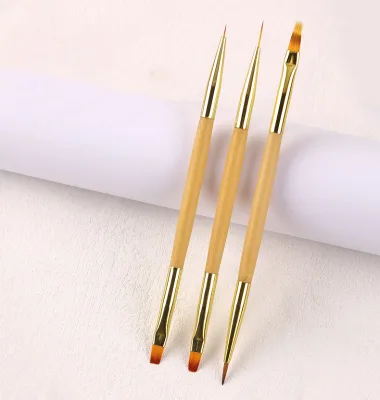


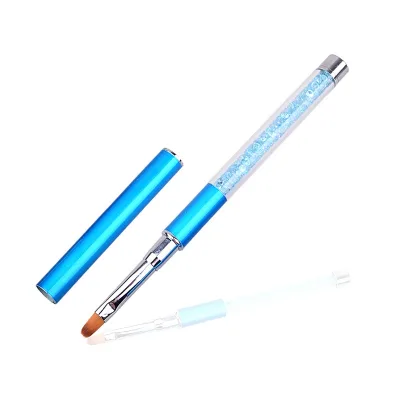
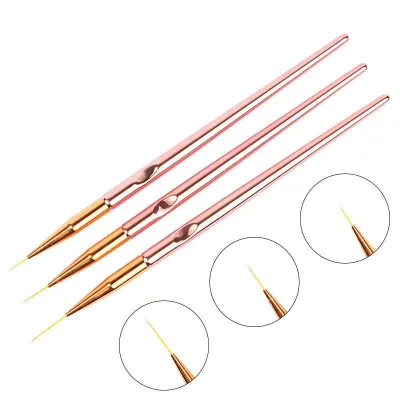
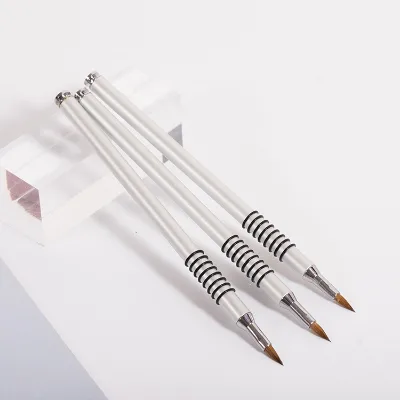
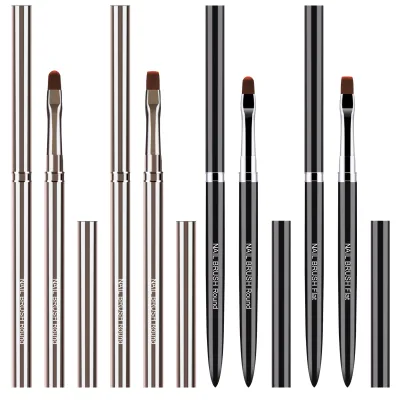
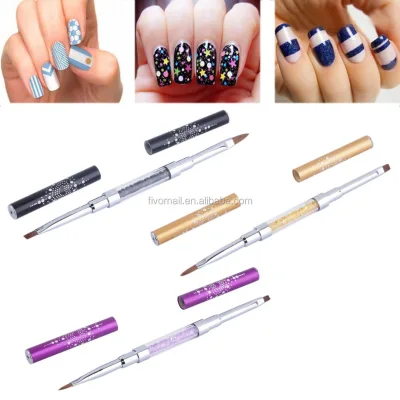


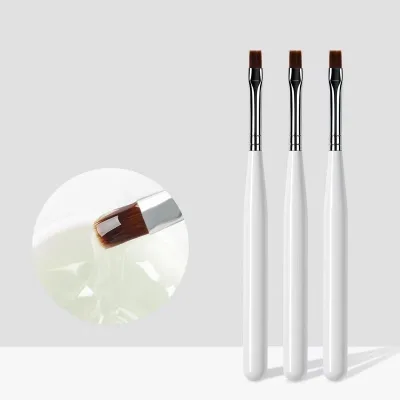
Manicure Painting Phototherapy Pen Round Head Nail Gel Painting Pen Uv Gel Brush
$0.04 - $0.12
MOQ: 3 Minimum


Comprehensive Sourcing Guide
Strategic Sourcing Guide for Professional Nail Art Brushes
Navigating the global market for professional nail art brushes requires a disciplined approach that balances aesthetic requirements with rigorous technical specifications. The core keyword "Professional Nail Art Brush" encompasses a diverse range of products, from single-use liners to comprehensive tool sets designed for salon environments. Buyers must distinguish between general utility and professional-grade performance, as the latter demands specific material compositions and manufacturing standards. This guide outlines the critical factors for sourcing these tools effectively, relying on verified product attributes and established industry practices to mitigate procurement risks.
Technical Specifications and Material Composition
The foundation of a high-quality nail art brush lies in its material composition and structural design. Analysis of available product data reveals that the bristle material is predominantly Nylon or Nylon Hair. This synthetic fiber is favored for its durability, chemical resistance, and ability to hold liquid mediums without fraying. The hardness of the bristles varies significantly, with observed specifications ranging from "Soft Brush" to "Medium Hardness." This variation is not arbitrary; soft brushes are typically utilized for delicate gel application and French tip designs, while medium hardness is preferred for acrylic work and detailed liner tasks.
The handle material is another critical differentiator. The market offers options in Plastic, Metal, and Wood. Plastic handles are common in entry-level or disposable sets, offering cost efficiency and lightweight handling. Metal handles, often paired with crimped ferrules, provide the rigidity and balance required for professional salon use, reducing hand fatigue during long sessions. Wooden handles are also present, offering a traditional aesthetic and a comfortable grip, though they may require more maintenance to prevent warping.
Ferrule construction is essential for bristle retention. The data indicates a "Crimped" ferrule as a standard feature. A properly crimped ferrule ensures that the bristles remain securely attached to the handle, preventing shedding during use. The brush shape is equally important, with "Liner" being a specific shape noted in the specifications. Liner brushes are designed for fine lines and intricate detailing, a necessity for professional nail artistry. Buyers should verify that the brush shape matches the intended application, whether it be for general manicure services or specialized artistic designs.
Standardization and Product Configuration
Professional procurement often involves deciding between single units and standardized sets. The product data highlights several configuration standards, including "single," "full set," and specific numerical ranges like "4#-12#." These designations refer to the variety of brush sizes included in a package. A "full set" typically offers a comprehensive range of sizes to handle diverse tasks, from broad strokes to fine detailing. Conversely, a "single" unit allows for targeted replacement or specific task execution.
Packaging standards also vary, influencing both logistics and product protection. Options observed include "Carton," "Cartons," "PVC Tube," and "Set." The choice of packaging impacts the Minimum Order Quantity (MOQ) and shipping efficiency. For instance, a "PVC Tube" is ideal for protecting individual brushes during transit, whereas "Cartons" are necessary for bulk shipping of larger quantities. Some listings specify a packing density, such as "720pcs/ctn," which is vital for calculating freight costs and warehouse space requirements.
The standardization of product models, such as "LB-04" or "HB-2281," indicates that manufacturers produce distinct SKUs for different market segments. Buyers should cross-reference these model numbers with their specific technical requirements. Additionally, the "prod_standard" field sometimes lists "gold color" or specific dimensions like "583329CM," which likely refers to the dimensions of the master carton rather than the brush itself. Understanding these distinctions prevents confusion between product specifications and logistical data.
Cost Drivers and Pricing Dynamics
The pricing landscape for professional nail art brushes is influenced by a complex interplay of materials, customization, and order volume. The observed price range in the market spans from $0.04 to $21.39 USD. This wide disparity reflects the difference between basic, single-brush items and premium, multi-piece professional sets. The lower end of the spectrum typically corresponds to single units with plastic handles and standard nylon bristles, often sold in high-volume bulk. The higher end includes sets with metal handles, specialized bristle blends, and custom packaging.
Minimum Order Quantity (MOQ) is a primary driver of unit cost. Data indicates an MOQ range from 1 to 2000 units. A low MOQ of 1 or 10 sets allows for sample testing and small-batch procurement but results in a higher per-unit cost. Conversely, an MOQ of 72 pieces or 720 pieces per carton significantly reduces the unit price but requires substantial upfront capital and storage capacity. Buyers must balance their cash flow constraints against the economies of scale offered by larger orders.
Customization is a significant cost factor. The availability of "Customization" and "OEM" (Original Equipment Manufacturer) services allows buyers to brand products with their own logos or specific color schemes. While this adds value to the final product, it often increases the MOQ and may extend lead times. The "brand name" field shows both specific names like "FaNi" and generic "OEM" designations, indicating that buyers can source either branded goods or private-label products. The decision to customize should be weighed against the projected sales volume to ensure a positive return on investment.
Compliance, Certification, and Safety Verification
While the supplied product data does not explicitly confirm certification status for every listing, the industry context necessitates rigorous verification of safety and compliance. Professional nail tools are often used in close proximity to the human body and may come into contact with skin or cuticles. Therefore, buyers must verify adherence to relevant safety standards. Although specific certifications like CE, EN 71, ASTM D4236, and REACH are mentioned in background knowledge, they cannot be assumed to apply to every product without explicit documentation from the supplier.
Buyers should request test reports or certificates of compliance from potential suppliers. For products intended for the European market, CE marking and REACH compliance are critical to ensure that materials do not contain harmful substances. In the United States, ASTM D4236 is a standard for art materials, ensuring that products are non-toxic. The absence of these certifications in a product listing should trigger a request for verification rather than an assumption of non-compliance.
Furthermore, the origin of the product plays a role in compliance. The data indicates origins in "China," "Cn," "Guangdong, China," and "Shanghai China." While these regions are major manufacturing hubs, buyers must ensure that the specific factory adheres to international labor and environmental standards. Verifying the "place of origin" helps in assessing the supply chain's transparency and the likelihood of regulatory adherence.
Supplier Evaluation and Quality Control
Evaluating suppliers requires a focus on consistency, reliability, and quality control mechanisms. The product data shows that "Sample" availability is a common feature, with some suppliers offering samples within 1-2 days. This capability is crucial for buyers to physically inspect the product before committing to a large order. A supplier that readily provides samples demonstrates confidence in their product quality and a willingness to engage in a transparent procurement process.
Quality control should be a central part of the supplier evaluation. Buyers must assess the supplier's ability to maintain consistency in bristle hardness, handle finish, and ferrule crimping. The observation of "Random color" in some listings suggests that color consistency may not be guaranteed unless specified. For professional applications, color consistency is often important for brand identity and inventory management. Therefore, buyers should explicitly request color samples or specify color requirements to avoid receiving "Random Color" items when a specific shade is needed.
The "Condition" of the product is listed as "New," which is a baseline expectation. However, buyers should also verify the packaging integrity. The "Single gross weight" of 0.015 kg indicates lightweight products, but the "Single package size" of 15X3X2.5 cm suggests that individual packaging adds volume. Ensuring that the packaging protects the brushes during shipping is essential to prevent damage before the product reaches the customer.
Long-Term Procurement and Application Strategy
The long-term success of a nail art brush procurement strategy depends on understanding the specific applications and the lifecycle of the product. The data lists applications ranging from "Professional Nail Salon" to "Diy" and general "Nail" use. Professional salons require brushes that can withstand frequent use and harsh chemicals, necessitating higher durability and specific hardness levels. DIY users may prioritize ease of use and lower cost over extreme durability.
The "Style" of the brushes, noted as "Classical," suggests a timeless design that may appeal to a broad market. However, trends in nail art evolve rapidly, and buyers should consider whether the supplier can adapt to new styles or if they are limited to classical designs. The "Feature" of being "Soft" is highlighted, which is a key selling point for certain applications. Buyers should align their product selection with the specific needs of their target customer base.
Sourcing from "Guangdong, China" or "Shanghai China" offers access to established manufacturing clusters. These regions have mature supply chains, which can facilitate faster lead times and better quality control. However, buyers should remain vigilant about lead times, as they are not explicitly provided in the data. Establishing clear communication regarding production schedules and delivery timelines is essential to avoid disruptions in the supply chain.
In conclusion, sourcing professional nail art brushes requires a meticulous approach that integrates technical specifications, cost analysis, and compliance verification. By focusing on material quality, standardization, and supplier reliability, buyers can build a robust supply chain that meets the demands of both professional salons and DIY enthusiasts. The wide range of options available, from single units to full sets, allows for flexible procurement strategies that can adapt to varying market needs. Ultimately, the success of the procurement process hinges on the buyer's ability to verify claims, request necessary documentation, and maintain a clear understanding of the product's intended application.
FAQs
What materials are used for Professional Nail Art Brush bristles?
The bristles are predominantly made of Nylon or Nylon Hair. This synthetic fiber is chosen for its durability and ability to hold liquid mediums without fraying during detailed nail art tasks.
Which handle materials are available for these brushes?
Handles are available in Plastic, Metal, and Wood. Plastic offers cost efficiency, metal provides rigidity for professional salon use, and wood offers a traditional aesthetic with a comfortable grip.
Can buyers request customization for these nail art brushes?
Yes, customization is available for these products. Buyers can often request specific branding or color schemes, though this may affect the minimum order quantity and lead time for production.
What is the typical minimum order quantity for these brushes?
The minimum order quantity ranges from 1 to 2000 units depending on the supplier. Lower MOQs allow for sample testing, while higher volumes like 72 pieces reduce the per-unit cost significantly.
How are these brushes typically packaged for shipping?
Packaging options include Cartons, PVC Tubes, and Sets. Bulk shipments often use cartons with densities like 720 pieces per carton, while individual protection may involve PVC tubes or specific set configurations.
Where are these professional nail art brushes manufactured?
These brushes are manufactured in China, specifically in regions like Guangdong and Shanghai. The origin is listed as Cn or China, indicating established manufacturing hubs for these tools.
What brush hardness levels are available for different applications?
Available hardness levels include Soft Brush and Medium Hardness. Soft brushes are ideal for delicate gel application, while medium hardness is preferred for acrylic work and detailed liner tasks.