Source Fire Retardant XPS Board for Wall Insulation and Roofing
Find 19 Fire Retardant XPS Board options with varying thermal conductivity and compressive strength. Buyers can compare specifications for interior wall insulation, external wall systems, and underfloor heating applications from suppliers in China.
Key considerations
Products List


$35.00 - $55.00
MOQ: 100 Square Meters


$3.00 - $15.00
MOQ: 1000 Pieces
Zhangjiagang Shenggang Enviroment Fire-Proof Construction Material Co., Ltd.


Comprehensive Sourcing Guide
Strategic Sourcing Guide for Fire Retardant XPS Board Procurement
Understanding the Technical Landscape of XPS Insulation
Extruded Polystyrene (XPS) boards represent a critical category in modern construction insulation, offering a unique balance of thermal efficiency, moisture resistance, and structural integrity. When sourcing fire retardant XPS boards, buyers must first distinguish between the various physical and chemical properties that define product performance. The core material is polystyrene, processed through an extrusion method that creates a closed-cell structure. This structure is fundamental to the material's ability to resist water absorption and maintain thermal stability over time.
A primary technical observation in the current market is the variation in thermal conductivity values. While some product listings indicate a thermal conductivity of 0.028 W/(m·K), others present figures around 0.035. This discrepancy suggests that buyers cannot assume a single performance metric applies to all available inventory. The thermal performance is heavily influenced by the density of the board, which typically ranges from 35 to 65 kg/m³. Higher density generally correlates with improved compressive strength, a critical factor for applications involving load-bearing requirements.
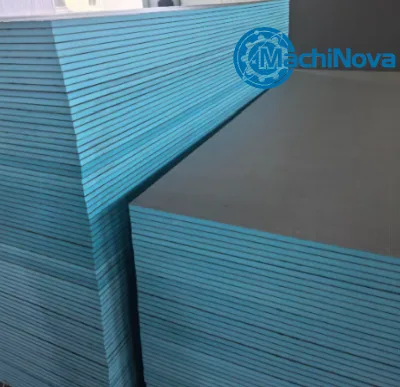
The physical dimensions of the boards also vary significantly across suppliers. Standard model specifications observed include dimensions such as 1800mm by 600mm with thicknesses ranging from 10mm to 150mm. Other listings reference standard panel sizes like 1220mm by 2440mm or 915mm by 1800mm. The shape is predominantly rectangular or square, though some specialized forms may exist. The surface treatment is typically plain, but finishes can range from glossy to textured depending on the specific manufacturing process. Color variations are common, with white, blue, pink, and green being frequently observed options, often serving as visual indicators of specific product lines or density grades rather than performance differences.
Compliance and Fire Safety Verification Protocols
Fire safety is the paramount concern when specifying fire retardant XPS boards for building projects. The combustion performance of these materials is a non-negotiable attribute in most jurisdictions. Market data indicates that many suppliers classify their XPS boards under the Lv.B1 standard, which denotes a specific level of fire resistance. However, buyers must exercise extreme caution, as this classification is not universal across all listings. Some product descriptions simply state "Fire Retardant" without providing a specific numerical grade or referencing a recognized testing standard.
To ensure compliance, procurement teams must verify the specific fire rating against local building codes. The term "Refractoriness" is often used in product attributes, but it requires clarification regarding the specific test method employed. Buyers should demand third-party test reports that explicitly state the combustion performance level, such as Lv.B1, rather than relying on generic marketing terms. The presence of a "Customizable" standard attribute suggests that suppliers may offer different fire ratings based on specific client requirements, but this must be validated before any order is placed.
Certification status is another area requiring rigorous verification. While some background information mentions CE certification, this should not be assumed as a standard feature for all products. The actual product data shows certifications listed as "ISOCustomized:Customized," indicating that specific approvals may be tailored to the buyer's project needs. Buyers must explicitly request valid, up-to-date certification documents that correspond to the specific batch of materials being purchased. Relying on a supplier's general claim of compliance without verifying the specific certificate for the ordered product introduces significant risk.
Cost Drivers and Pricing Structure Analysis
The pricing of fire retardant XPS boards is influenced by a complex interplay of raw material costs, manufacturing complexity, and logistical factors. The observed price range in the market spans from 1 to 60 USD, a wide variance that reflects differences in density, thickness, fire rating, and order volume. It is crucial for buyers to understand that the lowest price point often corresponds to lower density boards with standard fire ratings, while higher prices reflect enhanced performance characteristics.
Minimum Order Quantity (MOQ) is a significant cost driver in the XPS market. The observed MOQ range extends from 30 units to 1000 units. For smaller projects, the high MOQ of 1000 units can create a barrier to entry, potentially inflating the effective unit cost due to storage and handling requirements. Conversely, buyers meeting the lower MOQ thresholds of 30 units may face higher per-unit pricing due to the lack of economies of scale.
Packaging methods also impact the final landed cost. Suppliers utilize various packing strategies, including Full Container Load (FCL), carton, bag, tray, and wooden pallet configurations. The choice of packaging affects the volume efficiency of shipping and the potential for damage during transit. For instance, "Full Container Load Packing" is optimized for large-scale logistics, whereas "Carton/Bag/Tray" options are more suitable for smaller, fragmented shipments. Buyers should calculate the total cost of ownership, including packaging waste and shipping efficiency, rather than focusing solely on the base unit price.
Application Scope and Installation Considerations
The versatility of fire retardant XPS boards allows for their use in a wide array of construction scenarios. The primary application scenarios identified include underfloor heating and insulation, interior wall insulation, external wall insulation, and balcony insulation. The material's ability to withstand usage temperatures ranging from -50°C to 50°C makes it suitable for diverse climatic conditions. The closed-cell rate, often exceeding 99%, ensures that the boards maintain their insulating properties even in high-moisture environments, a critical feature for below-grade applications.
The compressive strength of the boards is a key determinant for their suitability in specific applications. Typical compressive strength values range from 150 to 500 kPa, with some specific listings noting a lower threshold of 30 kPa. For underfloor heating systems or external wall insulation where structural loads are present, boards with higher compressive strength (220-500 kPa) are generally required to prevent deformation. Lower strength boards may be appropriate for interior wall applications where load-bearing capacity is less critical.
Installation considerations also include the UV protection capabilities of the boards. Some product attributes highlight "UV Protected" features, which are essential for applications where the insulation may be exposed to sunlight during construction or in specific architectural designs. However, for most standard external wall insulation systems, the boards are typically covered by a finish coat or cladding, rendering UV protection less critical. Buyers must align the product's physical attributes with the specific installation requirements of their project to avoid performance failures.
Supplier Evaluation and Geographic Sourcing
Evaluating suppliers for XPS board procurement requires a focus on geographic origin and production capabilities. The observed product origins include Hunan, Hangzhou, Guangdong, and general Mainland China locations. Each region may have different supply chain efficiencies and quality control standards. For instance, suppliers in Guangdong are known for their manufacturing density, while those in Hunan or Hangzhou may offer specialized production lines.
The ability to customize is a vital attribute when selecting a supplier. Many listings indicate that the product standard, model, and certification are customizable. This flexibility allows buyers to tailor the XPS boards to specific project requirements, such as unique dimensions, specific fire ratings, or custom packaging. However, customization often leads to longer lead times and higher costs. Buyers should assess the supplier's capacity to handle custom orders without compromising on quality or delivery schedules.
Supplier reliability is further indicated by their packaging and shipping capabilities. Options such as "in Pallet, 20gp or 40 Gp container" suggest that the supplier has experience with international logistics. Buyers should verify the supplier's ability to provide secure packaging that minimizes damage during transit, especially for large container loads. The presence of "Wooden Pallet" packaging is a standard practice for heavy insulation boards, but the quality of the pallets should be verified to ensure they meet international shipping standards.
Quality Control and Long-Term Procurement Strategy
Implementing a robust quality control (QC) strategy is essential for mitigating risks associated with XPS board procurement. Buyers should establish clear acceptance criteria based on the technical specifications provided in the product data. Key QC checkpoints include verifying the thermal conductivity, compressive strength, and closed-cell rate against the agreed-upon specifications. Given the variation in observed values, such as thermal conductivity ranging from 0.028 to 0.035, buyers must specify the exact target value in their purchase orders.
Long-term procurement considerations involve building a relationship with suppliers who can provide consistent quality over time. The "Customizable" nature of the product standard suggests that suppliers are willing to adapt to changing requirements, but this requires clear communication and documentation. Buyers should request sample batches for testing before committing to large orders, ensuring that the fire retardant properties and physical dimensions meet the project's needs.
Additionally, buyers should consider the environmental impact of their procurement choices. Some product attributes mention "Environmental" features, which may refer to the recyclability of the polystyrene material or the manufacturing process. While specific environmental certifications are not universally listed, buyers can inquire about the supplier's sustainability practices as part of their long-term strategy.
Conclusion
Sourcing fire retardant XPS boards requires a meticulous approach that balances technical specifications, compliance requirements, and cost considerations. The market offers a diverse range of products with varying thermal conductivities, compressive strengths, and fire ratings. Buyers must navigate these variations by demanding specific test data and certifications rather than relying on general claims. By understanding the cost drivers, application requirements, and supplier capabilities, procurement teams can secure high-quality insulation materials that meet the rigorous demands of modern construction projects. The key to success lies in detailed verification, clear communication, and a commitment to quality control throughout the procurement process.
FAQs
What fire rating does the Fire Retardant XPS Board have?
The product typically achieves a Lv.B1 combustion performance rating. This classification indicates a specific level of fire resistance, though buyers should verify third-party test reports to confirm compliance with local building codes before ordering.
How does the thermal conductivity of the board affect performance?
Thermal conductivity values vary between 0.028 and 0.035 W/(m·K) depending on the specific product listing. Buyers must specify the exact target value in purchase orders, as performance is influenced by the board density ranging from 35 to 65 kg/m³.
Which dimensions are available for the Fire Retardant XPS Board?
Standard model specifications include sizes like 1800mm by 600mm with thicknesses from 10mm to 150mm. Other listings reference panel sizes such as 1220mm by 2440mm or 915mm by 1800mm, with customization available for unique project requirements.
Can the product standard be customized for specific projects?
Yes, the product standard is customizable to meet specific client needs. Suppliers may offer different fire ratings or dimensions based on requirements, but buyers must validate these customizations with valid certification documents before placing an order.
What is the minimum order quantity for Fire Retardant XPS Board?
The observed minimum order quantity ranges from 30 units to 1000 units depending on the supplier. Lower MOQs may result in higher per-unit pricing, while larger orders benefit from economies of scale and optimized shipping configurations.
Where are the Fire Retardant XPS Board manufacturers located?
Manufacturers are located in regions such as Hunan, Hangzhou, Guangdong, and other parts of Mainland China. Each region offers different supply chain efficiencies, and buyers should verify the specific origin to assess quality control standards and logistics capabilities.