Source Fire Water Cannon for Industrial, Marine, and Construction
Explore 30 listings for Fire Water Cannon units with varying flow rates, reach, and operating modes. Buyers can compare specifications including working pressure, turning angles, and material options from suppliers in China.
Key considerations
Products List


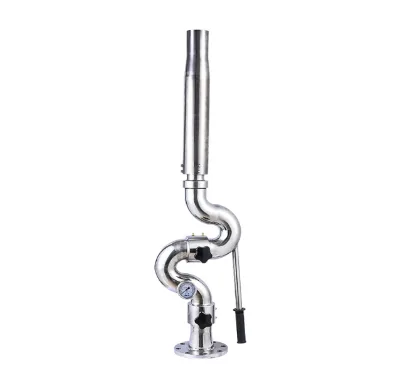


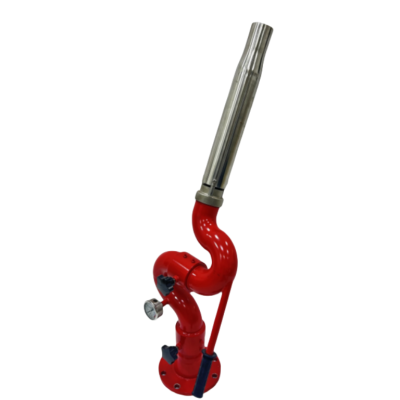
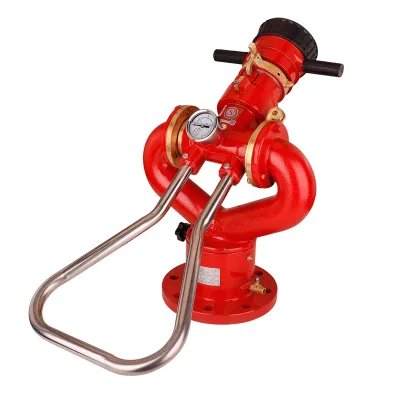
Comprehensive Sourcing Guide
Strategic Sourcing Guide for Fire Water Cannons
Understanding Technical Specifications and Performance Metrics
When sourcing fire water cannons, buyers must first establish a clear understanding of the technical parameters that define operational effectiveness. The core functionality of these devices relies on precise flow rates, pressure handling, and projection capabilities. Based on observed market data, fire water cannons typically operate within a flow rate range of 20 liters per second (L/s) to 80 L/s, with specific models capable of delivering 10 L/s or 20 L/s for smaller applications. The working pressure is a critical variable, with common operational ranges observed between 0.8 MPa and 1.2 MPa, while other high-performance units are rated for 6 Bar or 8 Bar.
The projection range is often the primary differentiator in procurement decisions. Units are frequently observed with jetting ranges extending from above 48 meters up to 80 meters, with specific maximum reach capabilities noted at 53 meters and protection radii up to 50 meters. The versatility of the cannon is determined by its turning angles. Standard specifications include a horizontal turning angle of 0 to 360 degrees, allowing for full circular coverage. Vertical movement varies, with some models offering an up-down turning angle of -70 to 70 degrees, while others provide a vertical range from -90 degrees to +30 degrees.
Material composition is another essential technical factor. The body of the cannon is constructed from durable materials such as ductile iron, aluminum alloy, or stainless steel. The choice of material impacts the weight, corrosion resistance, and suitability for specific environments, such as coastal areas or industrial zones. Connection standards are equally important; inlet sizes are commonly specified as 2-inch BS flanges, 2.5-inch BS flanges, or flange connection diameters of 3 inches (80mm) and 4 inches (100mm). Buyers should verify that the flange standard aligns with local infrastructure, as observed standards include ANSI and BS specifications.
Compliance, Certification, and Regulatory Standards
Ensuring that fire water cannons meet international and local regulatory requirements is a non-negotiable step in the procurement process. The market data indicates that reputable manufacturers often provide products with specific certifications, including CE, CCCF, CNAS, and ILAC-MRA. These certifications serve as evidence that the product has undergone rigorous testing for safety and performance. While general background knowledge suggests ISO9001 is a common quality standard, buyers must verify the specific certification status of the supplier's current production lines rather than assuming compliance based on general industry practices.
The standards governing the physical dimensions and connection interfaces are equally critical. Observed product standards reference specific model series such as PSKD8/20W through PSKD8/60W, as well as ZDMS0.9/30S-LZII and ZDMS0.8/20S-LZII. These model numbers often correlate with specific flow rates and pressure ratings. Furthermore, the physical standards for the units, such as flange dimensions, are strictly defined, with observed standards including DN50 (2 inches) down to DN10 (4 inches) and specific 3-inch (DN80) configurations.
Buyers must also consider the applicable medium for which the cannon is designed. Most units are engineered to handle water and foam mixtures, which requires specific material compatibility and internal flow dynamics. The operating mode is another compliance factor; systems are available in manual or electric configurations. Electric models often require specific power supplies, such as DC24 V, which must be integrated into the facility's electrical infrastructure. Verifying that the product documentation explicitly lists these certifications and standards is essential for regulatory approval and insurance validation.
Cost Drivers and Pricing Structures
The pricing of fire water cannons is influenced by a complex interplay of technical specifications, material costs, and customization requirements. The observed price range in the market spans from 1 USD to 5735 USD, reflecting the vast difference between basic manual units and advanced automatic monitoring systems. Several key factors drive these costs. First, the material composition significantly impacts the price; units constructed from stainless steel or specialized aluminum alloys typically command a higher price point than those made from standard ductile iron.
Second, the level of automation and control systems adds substantial cost. Automatic monitor systems with electric actuation and remote control capabilities are more expensive than manual variants. The inclusion of specific features, such as a targeting time of less than 60 seconds or a wider vertical range, also contributes to the final price. Third, the flow rate and pressure rating are direct cost drivers. High-flow units capable of 80 L/s at 8 Bar require more robust engineering and larger materials, resulting in higher costs compared to lower-flow models.
Customization is another significant cost factor. The market data confirms that customization is available for these products. Buyers requesting specific modifications to the standard export packing, unique flange sizes, or specialized material finishes will incur additional charges. The minimum order quantity (MOQ) also plays a role in unit pricing, with observed ranges from 1 to 50 units. While smaller orders may have a higher per-unit cost, bulk purchasing can often negotiate better rates. Packaging requirements, such as wooden cases versus standard export packages or cartons, can also influence the total landed cost, particularly for international shipping.
Typical Applications and Operational Environments
Fire water cannons are versatile tools deployed across a wide spectrum of industrial and public safety applications. Their ability to deliver high volumes of water or foam over long distances makes them ideal for large-scale fire suppression scenarios. The observed flow rates of 20 to 80 L/s and jetting ranges up to 80 meters are particularly suited for protecting large storage facilities, such as petrochemical plants, oil refineries, and bulk liquid storage tanks. In these environments, the rapid deployment of water or foam is critical to controlling fires before they spread.
The automatic monitoring capabilities of certain models, such as the ZDMS series, make them suitable for unmanned or remote locations. These systems can be integrated into fire detection networks to respond automatically to thermal or smoke triggers. The 360-degree horizontal range ensures that the cannon can cover all potential fire vectors without blind spots. This is particularly valuable in open yards, shipyards, and airport hangars where fires can originate from multiple directions.
For smaller scale applications, the lower flow rate models (e.g., 10 L/s or 20 L/s) are effective for municipal fire stations, industrial workshops, and warehouse facilities. The manual operation mode provides a reliable backup in situations where power systems may fail. The durability of the materials, such as ductile iron and stainless steel, ensures that these units can withstand harsh environmental conditions, including exposure to saltwater in coastal regions or corrosive chemicals in industrial plants. The specific model PSKD8/20W-CA and similar variants are often selected for their balance of performance and reliability in diverse operational settings.
Supplier Evaluation and Origin Verification
When evaluating potential suppliers for fire water cannons, buyers must prioritize transparency regarding the product's origin and manufacturing capabilities. The market data indicates that products originate from China, with specific mentions of Quanzhou, Fujian, and general Fujian province locations. While these regions are known for manufacturing, buyers should verify the specific factory location and production capacity of the supplier. A supplier's ability to provide detailed origin documentation is a key indicator of their legitimacy and adherence to export regulations.
Supplier evaluation should also focus on the consistency of product specifications. The observed data shows a variety of models, including PS/PL/PSKD series and ZDMS series. A reliable supplier should be able to provide a comprehensive catalog that clearly distinguishes between these models and their respective specifications. Buyers should request detailed technical datasheets that confirm the flow rates, pressure ratings, and material compositions match the advertised claims. The presence of standard certifications like CE and CCCF should be verified through valid certificates of conformity.
Packaging standards are another indicator of supplier professionalism. The data shows various packaging types, including standard export packing, wooden cases, boxes, and cartons. A supplier that offers robust packaging options, such as wooden cases for heavy-duty units, demonstrates a commitment to protecting the product during transit. Additionally, the availability of customization services suggests a flexible manufacturing process capable of meeting specific buyer requirements. Buyers should assess the supplier's response time and their willingness to provide samples or third-party inspection reports before finalizing a contract.
Quality Control and Long-Term Procurement Considerations
Implementing a robust quality control (QC) strategy is essential for ensuring the reliability of fire water cannons. Given the critical nature of these devices in emergency situations, buyers should insist on pre-shipment inspections that verify flow rates, pressure ratings, and mechanical movement. The observed specifications, such as a targeting time of ≤60 seconds and a working pressure of 0.8-1.2 MPa, must be validated through actual testing. Third-party inspection agencies can be engaged to perform hydrostatic pressure tests and functional checks on the turning mechanisms.
Long-term procurement considerations extend beyond the initial purchase to include maintenance, spare parts availability, and lifecycle management. Buyers should evaluate the supplier's after-sales support, including the availability of replacement parts for seals, nozzles, and actuators. The standard export packing and specific model designs should facilitate easy maintenance and repair. Furthermore, the durability of the materials, such as aluminum alloy and stainless steel, should be assessed for their resistance to corrosion and wear over time.
Lead times and production capacity are also critical factors for long-term planning. While specific lead times are not provided in the data, buyers should negotiate clear delivery schedules that account for manufacturing, testing, and shipping. The MOQ range of 1 to 50 units suggests flexibility, but buyers should ensure that the supplier can scale production to meet future demand without compromising quality. Finally, buyers should consider the total cost of ownership, including energy consumption for electric models and the cost of consumables like foam concentrate, to make a financially sound procurement decision.
Comparative Analysis of Key Product Attributes
To facilitate informed decision-making, the following table summarizes the key technical attributes observed in the market for fire water cannons. This comparison highlights the variability in specifications and helps buyers identify the most suitable units for their specific needs.
| Attribute | Observed Range / Options | Typical Application Context |
|---|---|---|
| Flow Rate | 10 L/s to 80 L/s (e.g., 20L/s, 60L/s, 1200 lpm) | Small warehouses to large petrochemical plants |
| Working Pressure | 0.8-1.2 MPa, 6 Bar, 8 Bar | High-pressure industrial systems |
| Jetting Range | 48m to 80m (Max reach 53m) | Large open yards, tank farms |
| Horizontal Angle | 0° to 360° | Full coverage monitoring |
| Vertical Angle | -70° to 70° or -90° to +30° | Overhead fires or ground-level suppression |
| Body Material | Ductile Iron, Aluminum Alloy, Stainless Steel | Corrosive environments, heavy-duty use |
| Inlet Size | 2" BS, 2.5" BS, 3" (80mm), 4" (100mm) | Compatibility with existing piping |
| Operating Mode | Manual, Electric (DC24 V) | Remote automation or manual backup |
| Certifications | CE, CCCF, CNAS, ILAC-MRA | Regulatory compliance and safety |
| Origin | China (Fujian, Quanzhou) | Global supply chain sourcing |
This comparative analysis underscores the importance of matching specific technical requirements with the capabilities of the available products. By carefully reviewing these attributes, buyers can select fire water cannons that offer the optimal balance of performance, reliability, and cost-effectiveness for their unique operational environments.
FAQs
What certifications do fire water cannons typically hold?
Products commonly hold CE, CCCF, CNAS, and ILAC-MRA certifications. These verify safety and performance standards required for international procurement and regulatory compliance in various regions.
Which flow rates are available for these fire water cannons?
Flow rates range from 20 liters per second up to 80 liters per second. Specific models offer lower capacities like 10 or 20 liters per second for smaller applications.
Can buyers request customization for these fire water cannons?
Yes, customization is available for specific buyer requirements. This may include modifications to packing, flange sizes, or material finishes to suit unique operational environments.
What materials are used for the body of these cannons?
The body is constructed from ductile iron, aluminum alloy, or stainless steel. These materials ensure durability and resistance to corrosion in harsh industrial or coastal environments.
How far can the jetting range of these cannons extend?
Jetting ranges extend from above 48 meters up to 80 meters. Specific models achieve maximum reaches of 53 meters or protection radii up to 50 meters.
What is the working pressure range for these units?
Working pressure typically ranges from 0.8 to 1.2 MPa. Some high-performance units are rated for 6 Bar or 8 Bar depending on the specific model configuration.