Source Fireplace Tools for Indoor Stoves, Outdoor Heaters, and Classic Decor
Compare 30 Fireplace Tools including wood stoves and side seal irons with stainless steel handles and cast iron bodies. Buyers can evaluate models like VDTS103 and VDFR503 for indoor or outdoor use with options for customization and international standard packaging.
Key considerations
Products List


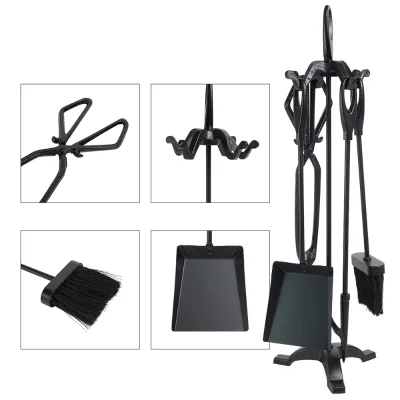
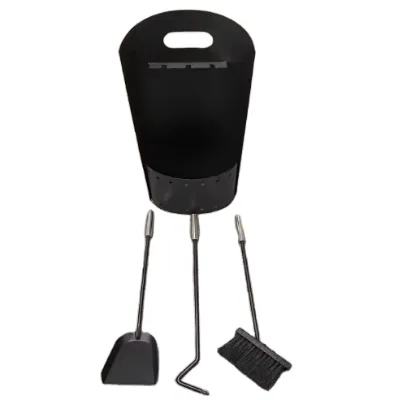
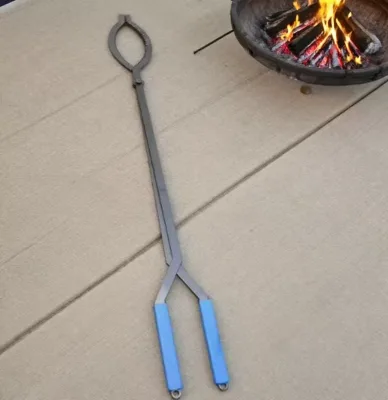
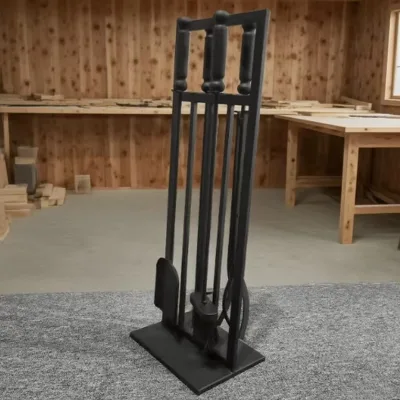
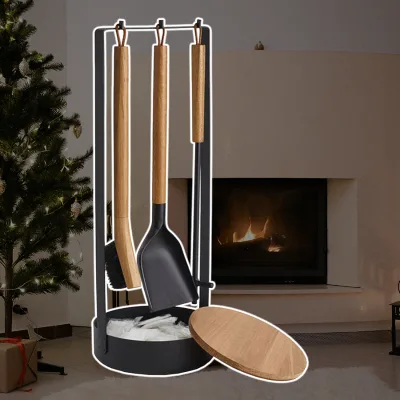
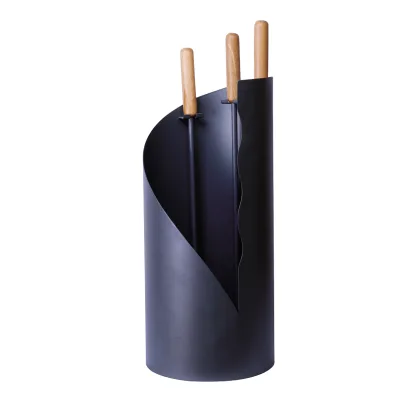
Fireplace Accessories Tools Holder with Handles Tools for Indoor Fireplace
$11.00 - $12.00
MOQ: 4 Pieces


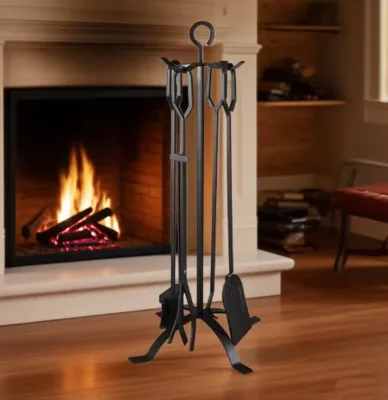
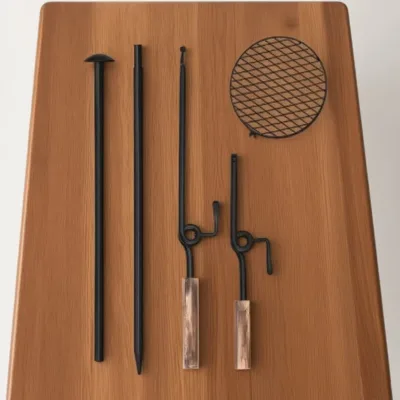
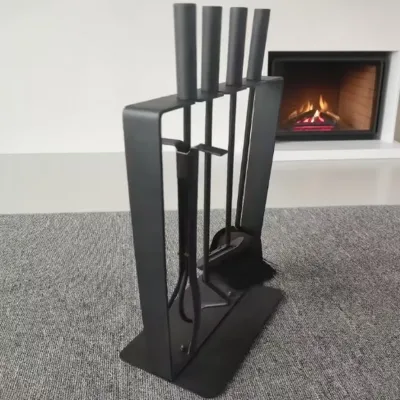
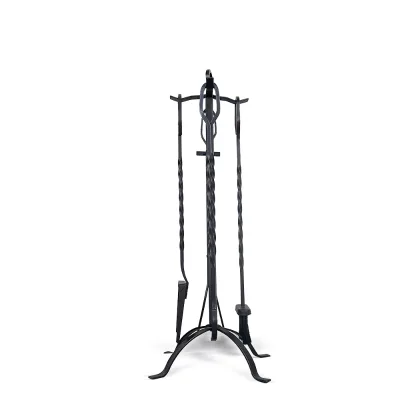



Comprehensive Sourcing Guide
Fireplace Tools Sourcing Guide
Sourcing Fireplace Tools requires a careful balance between aesthetic integration and functional durability, as these items serve as both essential utility equipment and prominent decorative elements in residential and commercial interiors. The market offers a diverse array of configurations, ranging from classic freestanding sets to modern insert-compatible accessories, each demanding specific verification steps to ensure they meet the end-user’s spatial and stylistic requirements. Buyers must navigate a landscape where materials vary significantly, including stainless steel, cast iron, and painted metal, each offering distinct advantages in terms of weight, corrosion resistance, and visual appeal. Understanding these material distinctions is critical for selecting products that will withstand repeated use and maintain their finish over time, particularly in environments where heat and ash exposure are common.
The procurement process is further complicated by the wide range of customization options available from manufacturers, particularly those based in major manufacturing hubs like Shenzhen, China. Buyers can often request tailored finishes, such as powder-coated finials or specific color palettes like black, to align with interior design schemes. However, this flexibility introduces complexity in quality control, as custom orders may have different lead times and minimum order quantities compared to standard stock items. It is essential for procurement teams to establish clear communication channels regarding design specifications early in the engagement to avoid discrepancies between the ordered product and the final delivered goods, ensuring that the aesthetic and functional expectations are met without compromising on safety or structural integrity.
Product Scope and Observed Listing Signals
The current market landscape for Fireplace Tools reveals a broad spectrum of product types, including wood fireplaces, stoves, and specialized side seal iron components, indicating that suppliers often offer integrated solutions rather than isolated tool sets. Observed listings highlight a significant variation in installation types, with options ranging from freestanding units to insert configurations, suggesting that buyers must carefully assess the compatibility of tools with their existing fireplace infrastructure. For instance, certain models are designed specifically for indoor use, while others support both indoor and outdoor applications, a distinction that directly impacts material selection and protective coatings. The presence of features such as adjustable thermostats or remote control capabilities in some listings further diversifies the scope, although many traditional tool sets remain manual and mechanically simple, focusing on robust construction rather than electronic integration.
Material composition is a primary signal in evaluating product quality, with stainless steel and cast iron being the most frequently cited materials for handles and structural components. Stainless steel handles are often highlighted for their durability and resistance to heat, while cast iron bodies provide the necessary weight and stability for heavy-duty use. Additionally, surface treatments such as painting and powder coating are common, serving both aesthetic and protective functions against rust and wear. Buyers should note that while some products are described with professional-level quality grades, the actual performance can vary based on the specific manufacturing processes employed. The observed price range, spanning from affordable basic sets to high-end custom pieces, reflects these material and craftsmanship differences, requiring buyers to align their budget with the desired level of durability and design sophistication.
Technical Specifications to Verify
When evaluating Fireplace Tools, verifying the physical dimensions and weight specifications is crucial to ensure proper fit and functionality within the intended space. Listings often provide specific height measurements, such as 62cm or 74cm, and weight indicators like 3.4kg or 4kg, which help buyers assess the sturdiness and maneuverability of the tools. For example, a heavier tool set may offer greater stability and longevity but could be more difficult to move or store, while lighter options might be more convenient but potentially less durable. Buyers should cross-reference these specifications with their fireplace opening dimensions and storage constraints to avoid purchasing items that are either too large to fit comfortably or too small to be effective. Additionally, the inclusion of features like overheating protection, whether present or absent, should be verified against safety standards, especially for tools used in high-temperature environments.
The structural integrity and finish of the tools are equally important technical aspects that require close inspection. Specifications such as the use of stainless steel for handles and metal standards for construction indicate a focus on strength and resistance to deformation. However, buyers must verify the quality of the powder coating on finials and other decorative elements, as poor application can lead to chipping or peeling over time. The type of installation, whether freestanding or insert, also dictates the necessary technical features, such as the need for specific mounting hardware or compatibility with existing fireplace inserts. Furthermore, the presence or absence of automatic thermostats and remote controls should be confirmed, as these features can significantly impact the ease of use and energy efficiency of the fireplace system. Ensuring that all technical specifications align with the buyer’s operational requirements is essential for a successful procurement outcome.
Compliance and Safety Documentation
Compliance with international safety and environmental standards is a non-negotiable aspect of sourcing Fireplace Tools, particularly given the potential hazards associated with heat, fire, and material toxicity. Certifications such as RoHS and CE are frequently cited in product listings, indicating that the items meet specific European and global standards for restricted hazardous substances and general product safety. Buyers must request and verify these certification documents to ensure that the materials used, including paints and coatings, do not contain harmful levels of lead, mercury, or other toxic substances. This is especially important for products intended for indoor use, where air quality and long-term exposure to materials are significant health considerations. The presence of ISO certification further suggests that the manufacturer adheres to established quality management systems, providing an additional layer of assurance regarding production consistency and reliability.
Safety features such as overheating protection, whether automatic or manual, play a critical role in preventing accidents and ensuring the longevity of the fireplace system. Buyers should inquire about the specific mechanisms employed for heat management and verify that these features are tested and certified according to relevant standards. For products that include electronic components, such as remote controls or thermostats, additional electrical safety certifications may be required. It is also important to verify that the packaging meets international standards, as improper packaging can lead to damage during transit, potentially compromising the safety and functionality of the tools. By prioritizing compliance and safety documentation, buyers can mitigate risks and ensure that the purchased products are safe for use in residential and commercial settings.
Cost Drivers and Commercial Terms
The cost of Fireplace Tools is influenced by a variety of factors, including material quality, customization options, and order volume. Stainless steel and cast iron components typically command higher prices due to their durability and aesthetic appeal, while basic steel or painted metal options may be more cost-effective. Customization, such as specific color finishes or tailored dimensions, often incurs additional charges and may increase the minimum order quantity (MOQ), which can range from 1 to 2000 units depending on the supplier and product complexity. Buyers should carefully evaluate the trade-off between customization and cost, considering whether the aesthetic benefits justify the potential increase in price and lead time. Additionally, the type of packaging, whether standard cartons or specialized box packaging, can impact shipping costs and overall logistics expenses.
Commercial terms, including payment methods, shipping arrangements, and lead times, are critical components of the procurement process that can affect the total cost of ownership. Suppliers may offer different shipping options, such as air or sea freight, each with distinct cost and time implications. Sea freight is generally more economical for large orders but involves longer transit times, while air freight offers speed at a higher cost. Buyers should negotiate clear terms regarding delivery schedules and responsibility for customs clearance to avoid unexpected delays or fees. Furthermore, understanding the supplier’s return and warranty policies is essential, as it provides a safety net in case the products do not meet the specified quality standards. By carefully managing these commercial terms, buyers can optimize their procurement strategy and achieve better value for their investment.
Supplier Qualification and Quality Control
Selecting a reliable supplier is paramount to ensuring the quality and consistency of Fireplace Tools, particularly when dealing with international manufacturers. Buyers should conduct thorough due diligence to verify the supplier’s production capabilities, quality control processes, and track record in the industry. This includes reviewing their certifications, such as ISO and CE, and assessing their ability to meet specific customization requirements. Suppliers based in manufacturing hubs like Shenzhen, China, often have access to advanced production technologies and skilled labor, but buyers must ensure that these advantages are leveraged to maintain high quality standards. Requesting samples before placing large orders is a prudent step to evaluate the actual product quality, including the finish, weight, and functionality of the tools.
Quality control measures should be integrated into the procurement process to minimize the risk of receiving defective or non-compliant products. Buyers should establish clear quality specifications and inspection criteria, covering aspects such as material thickness, surface finish, and structural integrity. Implementing third-party inspection services can provide an objective assessment of the products before shipment, ensuring that they meet the agreed-upon standards. Additionally, maintaining open communication with the supplier regarding any issues or concerns can facilitate timely resolutions and prevent future problems. By prioritizing supplier qualification and rigorous quality control, buyers can build a robust supply chain that delivers consistent, high-quality Fireplace Tools.
Long-Term Procurement Checks
Long-term procurement success depends on establishing ongoing relationships with suppliers and continuously monitoring product performance and market trends. Buyers should regularly review supplier performance metrics, including delivery times, product quality, and responsiveness to issues, to identify areas for improvement. This ongoing evaluation helps ensure that the supplier remains aligned with the buyer’s evolving needs and maintains high standards of service. Additionally, staying informed about industry developments, such as new materials, designs, or safety regulations, allows buyers to make proactive adjustments to their sourcing strategies. This proactive approach enables buyers to capitalize on emerging opportunities and mitigate potential risks, ensuring that their fireplace tool offerings remain competitive and relevant.
Sustainability and ethical sourcing practices are increasingly important considerations in long-term procurement strategies. Buyers should assess their suppliers’ commitment to environmental responsibility, including the use of sustainable materials and eco-friendly manufacturing processes. This not only aligns with growing consumer demand for sustainable products but also helps mitigate regulatory and reputational risks. By integrating sustainability into their procurement criteria, buyers can enhance their brand image and contribute to a more responsible supply chain. Furthermore, fostering strong relationships with suppliers through regular communication and collaboration can lead to mutual benefits, such as improved product innovation and cost efficiencies. Ultimately, a strategic and forward-thinking approach to procurement ensures long-term success and resilience in the marketplace.
FAQs
What materials are used for Fireplace Tools?
The products are constructed from stainless steel, steel, and cast iron. These materials ensure durability and professional-level quality for indoor and outdoor usage scenarios.
Can I customize the Fireplace Tools design?
Customization is available for these Fireplace Tools. Buyers can request specific styles or modifications, and OEM services are acceptable for tailored production needs.
Which certifications do the Fireplace Tools have?
The products hold RoHS, CE, and ISO certifications. These standards confirm compliance with safety and environmental regulations for international trade and distribution channels.
How are the Fireplace Tools packaged for shipping?
Packaging includes cartons, boxes with inner boxes, and international standard containers. Options like air or sea freight are available for bulk orders of four pieces per carton.
What is the origin of these Fireplace Tools?
The products originate from China, specifically Shenzhen. This location supports efficient manufacturing and export logistics for global buyers seeking reliable supply chain partners.
Are the Fireplace Tools suitable for indoor use?
Yes, the tools are designed for indoor installation as freestanding units or inserts. Some models also support outdoor usage, providing versatility for different heating environments.