Source PVC Tarpaulin Cutting Machine for Tents, Truck Covers, Fabric
Compare 30 PVC tarpaulin cutting machines with features like air cooling, semi-automatic control, and high-frequency operation. These units support applications in tent making, truck covers, and fabric processing with customizable working sizes and stable performance.
Key considerations
Products List


Hty Automatic CNC PVC Tarpaulin Cutting Machine for Waterproof Fabric
$9800.00 - $15000.00
MOQ: 1 Sets


PVC Waterproof Tarpaulin Cutting with High Speed Oscillating Cutting Machine
$11000.00 - $15000.00
MOQ: 1 Pieces


Hot Sale Flexible Roll Waterproof PVC Tarpaulin Oscillating Knide CNC Cutting Machine
$11500.00 - $18500.00
MOQ: 1 Pieces


High Precision PVC Tarpaulin Roll Cutting Machine for Fabric and Leather
$4500.00 - $4800.00
MOQ: 1 Sets


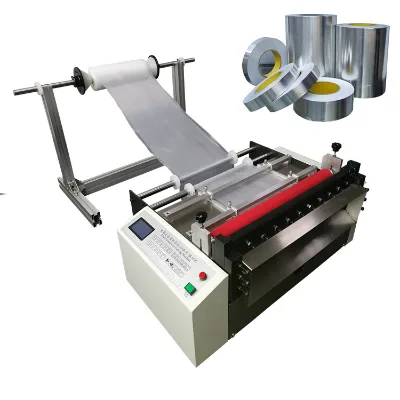


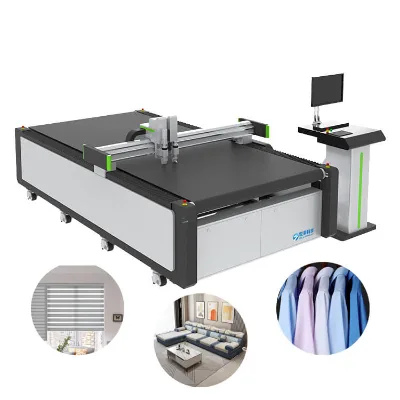

High Efficiency Automatic PVC Tarpaulin Film Plastic Roll Rewinding Machine
$8000.00 - $10000.00
MOQ: 1 Sets


Comprehensive Sourcing Guide
Strategic Sourcing Guide for PVC Tarpaulin Cutting Machines
Understanding Core Machine Specifications and Capabilities
When sourcing a PVC Tarpaulin Cutting Machine, the primary objective is to identify equipment that aligns with the specific mechanical and operational requirements of high-volume fabric processing. The market offers a diverse range of units, but the most relevant configurations for this application typically feature high-frequency welding capabilities or precision cutting mechanisms. Based on observed product attributes, buyers should prioritize machines that offer a frequency range classified as "High Frequency," which is essential for effectively processing materials like PVC, fabric, leather, and paper.
The control architecture of the machine is a critical differentiator. Available data indicates a split between "Semi-Automatic" and "Automatic" control modes. For facilities aiming for maximum throughput, an "Automatic" system paired with "PC" control mode is often preferred. This configuration allows for complex pattern processing and offline operation via network ports and USB ports, supporting software formats such as DXF and PLT. The machine's physical dimensions are substantial; observed specifications include a machine dimension of 230047501490 mm, indicating a need for significant floor space and robust facility infrastructure.
Cooling and power systems also play a vital role in operational stability. The equipment typically utilizes "Air Cooling" to maintain thermal efficiency during extended cycles. While some units are described as having "Pneumatic" power, the broader category often relies on an "Electric" power source with "Alternating Current." Buyers must verify the specific power requirements against their facility's electrical capacity. The cutting speed is another key performance metric, with observed ranges reaching up to 1800mm/s. This speed, combined with a cutting accuracy of ±0.1mm, ensures that the final product meets tight tolerances required for applications like tent making and truck covers.
Compliance, Certification, and Safety Standards
Navigating the regulatory landscape is essential for international procurement. The supply chain for PVC cutting machines and associated materials often references specific certifications to ensure safety and quality. In the observed market data, "CE" certification appears frequently as a standard compliance marker for the machinery itself. This indicates that the equipment meets European Union safety, health, and environmental protection requirements. However, buyers should treat this as an observation of available listings rather than a universal guarantee for every unit, and must request valid certification documents directly from the supplier before finalizing a purchase.
Beyond the machinery, the materials processed, such as PVC tarpaulin, often carry their own set of standards. The data suggests that suppliers may provide products certified under "ISO:9001:2002," which pertains to quality management systems. While this certification is listed in the context of the material properties, it is a strong indicator of a supplier's commitment to consistent manufacturing processes. Buyers should verify if the ISO certification applies to the machine manufacturer, the material producer, or both. Additionally, the origin of the products is frequently noted as "Shenzhen China" or generally "China," which is a major manufacturing hub. Understanding the specific origin helps in assessing logistics costs and potential trade regulations.
Safety features are also embedded in the machine design. The "Water Resistant," "Water Proof," "Fireproof," "Anti-UV," and "Anti-Mildew" attributes listed in the context often refer to the durability of the tarpaulin material being cut, but they imply that the machine is designed to handle materials with these specific environmental resistances. The machine's condition is typically listed as "New," and a "3-year" warranty is a common offering, providing a baseline for after-sales support. Buyers must confirm that the warranty covers critical components like the cutting head, control board, and motor, and clarify the terms for international service.
Cost Drivers and Pricing Dynamics
The pricing structure for PVC tarpaulin cutting machines is highly variable, reflecting the complexity of the technology and the scale of the operation. Observed price ranges in the market span from $0.40 to $250,000 USD. This vast disparity is not indicative of a single product line but rather encompasses everything from small, manual or semi-automatic units to fully automated, industrial-grade systems with advanced PC control and large working envelopes. The lower end of the spectrum likely represents entry-level or smaller capacity machines, while the upper end corresponds to high-frequency, large-format units capable of handling massive sheets of material with minimal human intervention.
Several factors drive these costs. The "Control" mode is a primary determinant; "Automatic" systems with "PC" interfaces and network capabilities command a premium over "Semi-Automatic" or manual units. The "Effective Working Size" is another significant cost driver. While some models offer customizable sizes, standard large-format machines with dimensions like 230047501490 mm require more raw materials, advanced engineering, and larger shipping containers, all of which increase the final price. The "Cutting Speed" and "Accuracy" also influence cost; machines capable of 1800mm/s with ±0.1mm precision utilize higher-grade components and more sophisticated software.
The "Minimum Order Quantity" (MOQ) is another critical financial consideration. The observed MOQ range spans from 1 to 3000 units. For a single facility purchasing one machine, an MOQ of 1 is standard. However, if a buyer is sourcing for a distribution network or a large consortium, they may encounter higher MOQs that could affect the unit price through volume discounts. The "Delivery Time" is described as "Fast" in the provided data, which can reduce inventory holding costs but may come with a premium for expedited shipping. Buyers should also factor in the "prod_packing" costs, as machines are typically shipped in "Wooden Case for Export" or "Wooden Pagkeg" to prevent damage during transit, a cost that is often separate from the machine price.
Typical Applications and Material Compatibility
The versatility of PVC tarpaulin cutting machines makes them suitable for a wide array of industrial applications. The primary use case identified is "PVC Welding Machine for Tent Making," highlighting the machine's role in the fabrication of temporary and semi-permanent structures. These machines are equally critical in the production of "Truck Cover and Tent" applications, where precision cutting is necessary to ensure a perfect fit and weather resistance. The ability to cut "Fabric, Leather, and Paper" alongside PVC expands the utility of these machines to other sectors, such as automotive interiors, signage, and packaging.
The material properties of the PVC tarpaulin itself dictate the machine's requirements. The observed data lists densities of 300d, 500d, and 1000d, referring to the denier of the yarn. The yarn structure is described as "300500," "500500," and "1000*1000," indicating the weave pattern and thickness. The "Gram Weight" ranges from 400 to 1200 GSM, which directly impacts the cutting force and speed required. A machine designed for 400 GSM material may struggle with 1200 GSM heavy-duty tarpaulin without adjustments to the cutting parameters or blade pressure. The "Structure" is noted as "Fabric Form," and the "Pattern" is typically "Plain," though custom patterns can be loaded via the supported software formats.
The "Fixed Material Method" is another crucial aspect of the application. The data specifies a "Vacuum Pump Adsorption" system, which is essential for holding the tarpaulin flat during the cutting process. This prevents material shifting, which is critical for maintaining the ±0.1mm cutting accuracy. Without a robust vacuum system, the tension on the material could lead to jagged edges or misaligned cuts, rendering the material unusable for high-stakes applications like waterproof tents or truck covers. The "Width" of the material, ranging from 1.5 to 5 meters, further necessitates a machine with a sufficiently large working area to accommodate full-width cuts without the need for multiple passes.
Supplier Evaluation and Operational Reliability
Selecting the right supplier requires a rigorous evaluation of their technical capabilities and operational history. The "Type" of machine is consistently identified as "Plastic Welders" or cutting systems, and the "Style" is often "Vertical." Buyers should verify that the supplier has a proven track record in manufacturing these specific types of machines. The "Condition" is listed as "New," but buyers must ensure that the machine is not a refurbished unit mislabeled as new. The "Warranty" period of 3 years is a strong indicator of supplier confidence, but the terms must be clearly defined, including what constitutes a valid claim and the response time for technical support.
The "Supports Software Formats" capability is a key differentiator. Machines that support "Dxf/Plt and Other Formats" offer greater flexibility for designers and engineers. Buyers should test the software compatibility with their existing design tools to ensure a seamless workflow. The "Transport Interface," including "Network Port" and "USB Port," allows for "Offline" operation, which is vital for facilities with limited internet connectivity or high-security requirements. The "Control Mode" being "PC" based suggests that the machine relies on a computer interface, which requires the buyer to have the necessary IT infrastructure and technical expertise to manage the system.
Reliability is paramount in a manufacturing environment. The "Function" is described as "Stable," and the "Performance" as "Reliable." These are observations that should be validated through customer references or trial runs. The "Operating" experience is noted as "Easy," but this is subjective and depends on the training provided by the supplier. Buyers should inquire about the availability of training materials, user manuals, and on-site installation services. The "prod_origin" being "Shenzhen China" or "China" suggests a mature supply chain, but buyers should verify the specific factory location to assess logistics and potential trade barriers.
Long-Term Procurement and Quality Assurance
Long-term success with PVC tarpaulin cutting machines depends on effective quality control and maintenance strategies. The "Cutting Accuracy" of ±0.1mm must be maintained over time, which requires regular calibration and blade maintenance. The "Cutting Speed" of 0-1800mm/s should be monitored to ensure it does not degrade due to wear and tear. Buyers should establish a preventive maintenance schedule that includes checking the "Vacuum Pump Adsorption" system for leaks and ensuring the "Air Cooling" system is free of dust and debris.
The "prod_packing" of "Wooden Case for Export" or "Wooden Pagkeg" is designed to protect the machine during shipping, but it also indicates the robustness of the unit. Upon receipt, buyers should conduct a thorough inspection to ensure no damage occurred during transit. The "Certification" of "CE" and "ISO:9001:2002" should be reviewed periodically to ensure continued compliance, especially if the machine is used in regulated markets. The "Warranty" of 3 years provides a safety net, but buyers should consider purchasing extended service contracts for critical components.
Finally, the "Application" of the machine in "Truck Cover and Tent" manufacturing requires a high level of consistency. Any deviation in the cutting process can lead to material waste and customer dissatisfaction. Buyers should implement a quality assurance protocol that includes regular sampling and testing of the cut edges. The "Feature" of the material, such as "Water Resistant" and "Fireproof," must be preserved by the cutting process, meaning the machine should not introduce heat damage or fraying that compromises these properties. By focusing on these long-term considerations, buyers can ensure that their investment in PVC tarpaulin cutting machines delivers sustained value and operational efficiency.
Comparative Analysis of Machine Attributes
To assist in decision-making, the following table summarizes key attributes observed in the market data, highlighting the variations buyers may encounter.
| Attribute Category | Observed Specification A | Observed Specification B | Procurement Consideration |
|---|---|---|---|
| Control Mode | Semi-Automatic | Automatic (PC Control) | Automatic offers higher speed and precision; Semi-Automatic may be more cost-effective for lower volumes. |
| Power Source | Pneumatic | Electric (Alternating Current) | Verify facility power compatibility; Electric is standard for most industrial setups. |
| Cooling Method | Air Cooling | (Implied Standard) | Air cooling is standard; ensure adequate ventilation in the workspace. |
| Cutting Accuracy | ±0.1mm | (Standard for High-End) | Critical for tent and truck cover applications; verify with test cuts. |
| Cutting Speed | 0-1800mm/s | (Variable) | Higher speeds increase throughput but may require more maintenance. |
| Material Width | 1.5-5m | (Customizable) | Ensure the machine's working size matches the maximum material width. |
| Certification | CE | ISO:9001:2002 (Material) | Verify machine CE certification; ISO often applies to the material or factory. |
| Warranty | 3-year | (Variable) | Confirm coverage details for international shipping and local service. |
| Packing | Wooden Case for Export | Wooden Pagkeg | Ensure packing is sufficient for long-distance international shipping. |
| Origin | Shenzhen China | China | Origin affects logistics costs and lead times; verify specific factory location. |
This comparative overview underscores the importance of matching specific machine attributes to the buyer's operational needs. By carefully evaluating these factors, procurement teams can select a PVC Tarpaulin Cutting Machine that delivers the required performance, reliability, and cost-efficiency for their specific manufacturing environment.
FAQs
What control modes are available for PVC tarpaulin cutting machines?
Machines are available in both semi-automatic and automatic control modes. Automatic systems often feature PC control for complex pattern processing via DXF or PLT formats, while semi-automatic units offer simpler operation for basic cutting tasks.
Which certifications do these machines typically hold?
Many units carry CE certification to meet European safety standards. Some suppliers also provide ISO 9001:2002 certification for quality management systems, though buyers should verify specific documents directly from the manufacturer before purchase.
How fast can these machines cut PVC tarpaulin material?
Cutting speeds can reach up to 1800mm per second with an accuracy of plus or minus 0.1mm. This high speed and precision are essential for applications like tent making and truck cover fabrication requiring tight tolerances.
Can the machine operate offline without internet connection?
Yes, the equipment supports offline operation through network ports and USB ports. This allows users to load designs directly from local storage without needing a constant internet connection for the cutting process to function.
What is the standard warranty period for these units?
A 3-year warranty is commonly offered for new machines. This coverage typically includes critical components, but buyers must confirm specific terms regarding technical support and international service availability with the supplier.
How is the material secured during the cutting process?
The system uses a vacuum pump adsorption method to hold the material flat. This prevents shifting and ensures the high cutting accuracy required for large sheets of PVC tarpaulin ranging from 1.5 to 5 meters in width.