Source Fixed Gear City Bike for Commuting, Fitness, and Urban Riding
Explore 30 Fixed Gear City Bike options featuring steel frames, V-brakes, and 26-inch wheels. Compare specifications like wheel size, material, and customization to find the right model for your needs; compare the available evidence and request quotations based on your requirements.
Key considerations
Products List


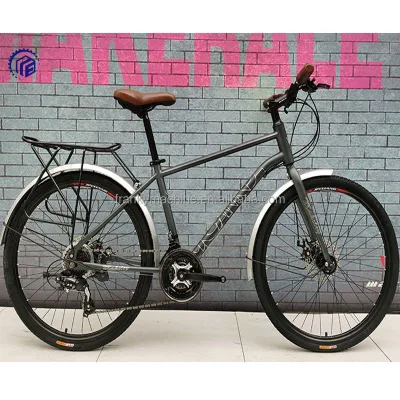


$150.00
MOQ: 1 Pieces

Comprehensive Sourcing Guide
Fixed Gear City Bike Sourcing Guide
Procuring fixed gear city bikes requires distinguishing between true single-speed track frames and versatile urban hybrids that mimic the aesthetic. The observed market data indicates a mix of standard bicycles and track-specific models, with wheel diameters ranging from 20 to 28 inches. Buyers must carefully verify whether a listed "fixed gear" unit includes a rear derailleur or is a true single-speed configuration, as the presence of a derailleur set fundamentally changes the bike's mechanical behavior and intended use case.
Commercial listings often present conflicting specifications regarding frame materials and folding capabilities. While some units feature steel frames with leather saddle shells, others utilize imitation leather and aluminum alloy rims. The variation in packing standards, such as 85% SKD configurations versus full carton packing, suggests different logistical strategies among suppliers. Sourcing teams must align their specific operational needs with these distinct product attributes to avoid receiving a track bike when a city commuter model was required.
Product Scope and Observed Listing Signals
The available inventory demonstrates a wide spectrum of customization options, with colors ranging from standard black and white to vibrant pink and orange, or even OEM-specific branding. This flexibility allows buyers to target diverse demographic segments, including men, women, and all ages, though some specific models are explicitly marketed toward male users only. The presence of both folded and unfolded states in the data highlights a critical need to verify the actual physical configuration, as some listings claim foldability while others explicitly state the frame is not foldable.
Price points observed in the market span from approximately 15.8 to 150 USD, reflecting significant variance in component quality and assembly levels. The minimum order quantities fluctuate drastically, with some suppliers requiring as few as one unit while others demand bulk orders of up to 1,000 pieces. This disparity necessitates a clear definition of procurement volume before engaging with suppliers, as the economic viability of a deal often hinges on meeting specific MOQ thresholds that vary by model and production capacity.
Technical Specifications to Verify
Wheel diameter is a primary differentiator in this category, with observed models featuring 26-inch, 27-inch, and 28-inch rims alongside smaller 20-inch variants. Buyers must confirm the exact wheel size to ensure compatibility with intended riding environments, as larger wheels generally offer better stability for city commuting while smaller wheels may suit specific urban maneuvering needs. The frame material is consistently noted as steel in several listings, which provides durability but adds weight, with net weights ranging from 14.4 kg to 15.5 kg depending on the specific model and component selection.
Braking systems and drivetrain configurations require rigorous verification to match safety and performance expectations. The data shows a split between V-brake and disc brake options, with some models explicitly lacking a derailleur set while others include a rear derailleur. Additionally, handlebar materials vary, with plastic noted in specific instances, which may impact long-term comfort and durability. Ensuring the selected model matches the required braking power and gear configuration is essential for operational safety and rider satisfaction.
Compliance and Safety Documentation
Certification status is a critical factor in international procurement, with CE certification explicitly mentioned for certain bicycle models in the supply chain. This certification indicates compliance with European safety standards, which is often a prerequisite for importing into regulated markets. Buyers should request valid test reports and certificates of conformity to verify that the specific batch of bicycles meets the necessary regulatory requirements for the destination country, rather than relying on general supplier claims.
Quality management systems also play a vital role in ensuring consistent product safety and reliability. Some suppliers reference ISO9001 and SGS standards as part of their production framework, suggesting a structured approach to quality control. However, these standards should be treated as observations of the supplier's claimed capabilities rather than guaranteed attributes of every unit. Procurement teams must verify that the specific production line for their order adheres to these documented standards to mitigate the risk of receiving non-compliant goods.
Cost Drivers and Commercial Terms
The total landed cost is heavily influenced by packing configurations and shipping logistics, with 85% SKD (Semi-Knocked Down) packing being a common method to reduce volume and freight expenses. This approach requires the buyer to have local assembly capabilities or to factor in labor costs for final assembly upon arrival. In contrast, fully packed units in 1PCS/CTN configurations may incur higher shipping costs but reduce the complexity and risk associated with on-site assembly errors.
Warranty terms and supplier reliability are key components of the commercial agreement, with some listings offering a five-year warranty period. This extended coverage suggests a high level of confidence in the product's durability but requires clear definitions of what constitutes a defect versus normal wear and tear. Buyers must negotiate specific terms regarding spare parts availability and response times for warranty claims to ensure long-term support aligns with the operational lifespan of the bicycle fleet.
Supplier Qualification and Quality Control
Geographic concentration of suppliers in Xingtai City, Hebei Province, China, indicates a specialized manufacturing hub for this category of bicycles. This clustering can offer logistical advantages through established supply chains but also requires due diligence to ensure the specific factory has the capacity to meet order volumes and quality expectations. Buyers should verify the production facility's ability to handle their specific order size, as MOQs can range from 50 to 1,000 pieces depending on the model and customization level.
Quality control protocols must be established before production begins to prevent defects in critical components like the frame, saddle, and braking systems. The variation in saddle shell materials, from genuine leather to imitation leather, highlights the need for strict material verification against the agreed-upon specifications. Implementing pre-shipment inspections that focus on structural integrity, finish quality, and functional testing of the derailleur and brake systems is essential to maintain brand reputation and customer satisfaction.
Long-Term Procurement Checks
Sustainability and after-sales support are critical considerations for maintaining a reliable supply chain over multiple years. Buyers should assess the supplier's ability to provide consistent replacement parts, such as specific derailleur sets or brake components, to ensure the fleet remains operational without significant downtime. The availability of OEM color options and customization services should also be evaluated to determine if the supplier can adapt to changing market trends and branding requirements over time.
Regular performance reviews of the supplied bicycles are necessary to identify any recurring quality issues or design flaws that may emerge after extended use. Monitoring the actual performance of the steel frames and aluminum rims in real-world conditions will provide valuable data for future procurement decisions. Establishing a feedback loop with end-users and maintenance teams can help refine specifications and ensure that future orders continue to meet the evolving needs of the target market.
FAQs
How is a Fixed Gear City Bike packed for shipping?
Most listings describe 85% SKD packing with one piece per carton, so handlebars and pedals are partially removed to reduce volume. Typical carton dimensions for city bike models are around 132 by 19 by 71 cm, while folding models use roughly 127 by 19 by 50 cm. Confirm exact packing details with the supplier before ordering.
What wheel sizes are available for fixed gear city bikes?
Listings on this page cover 20, 26, 27, and 28 inch wheel diameters, so buyers can match wheel size to rider height and intended use. Smaller 20 inch wheels suit compact or folding styles, while 26 to 28 inch wheels fit standard city riding. Verify the exact size for each model with the supplier.
Which frame materials are used for these fixed gear city bikes?
The listed models use steel frames, a common choice for city and track bicycles because it balances strength with manageable cost. Rims are aluminum or alloy, which keeps rotating weight lower than steel rims. Buyers who need lighter frames should discuss alternative materials and pricing directly with manufacturers during sourcing.
Can I order fixed gear city bikes in custom colors?
Yes, customization is available on the listed products. Standard color options include black, white, pink, and orange on some models, and others list black, purple, gray, blue, red, or pink as OEM choices. Custom color requirements are usually arranged with the supplier before production, so confirm minimum quantities and lead times for OEM orders.
What is the typical minimum order quantity for fixed gear city bikes?
Minimum order quantities vary by listing, with observed values ranging from 1 to 350 pieces and some models stating 50 pieces while others require 1000 pieces. MOQ often depends on customization level and packaging type. Ask each manufacturer for its current MOQ policy before requesting a formal quotation.
Do these fixed gear city bikes come with brakes and gears?
Configurations differ across models. Some listings specify V brakes, while others use disc brakes, and drivetrain setups range from a rear derailleur with 7 speeds to models without a derailleur set, which suits fixed gear riding. Check the brake type and speed specification for each model to match your market requirements.
What warranty and certifications apply to these city bikes?
Listings state CE certification and a warranty of up to 5 years on some models, and production standards referenced include ISO9001 and SGS. Warranty terms and covered components vary by manufacturer, so review the specific warranty scope in writing. Request certificate copies during supplier verification before placing an order.
How much do these fixed gear city bikes weigh?
Listed net weights include about 14.4 kg and 15.5 kg, with corresponding gross weights of 16.4 kg and 18.4 kg depending on the model and packaging. Steel frames add weight compared with aluminum, so consider shipping costs based on gross weight per carton. Confirm the exact weight for your chosen model with the supplier.