Source Fixed Pet Dog Urinal for Indoor Training, Outdoor Use, and Travel
Explore 30 listings for a Fixed Pet Dog Urinal designed for indoor training, outdoor use, and travel. Buyers can compare plastic models with eco-friendly features, varying sizes, and different colors to find the right fit for dogs.
Key considerations
Products List
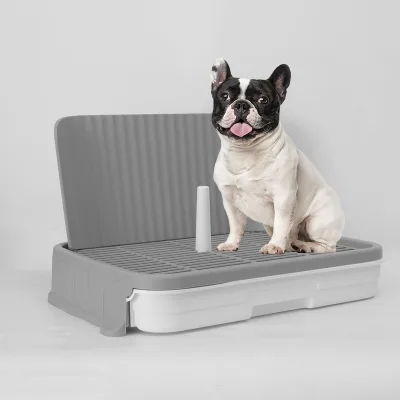
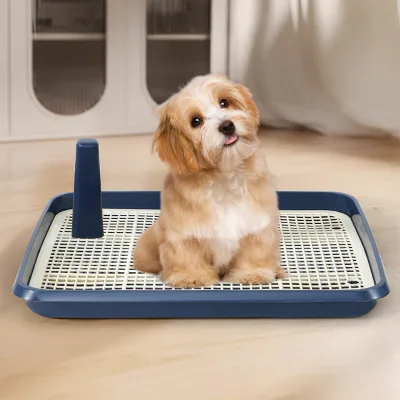
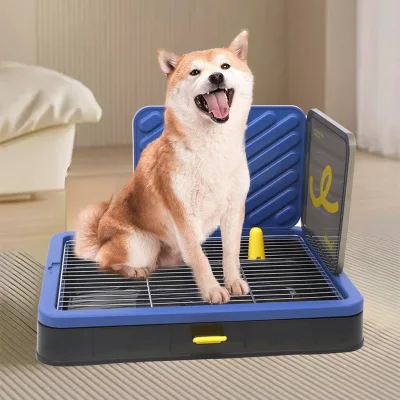
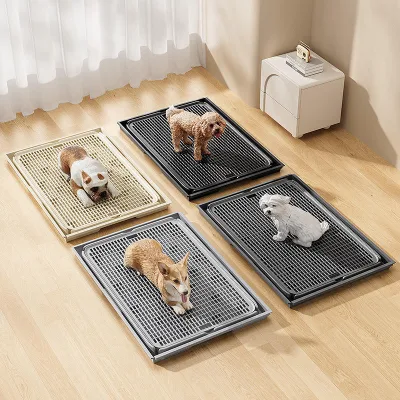
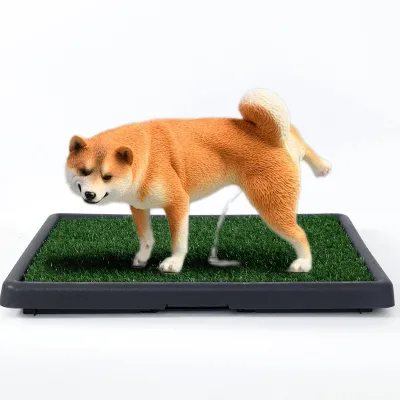
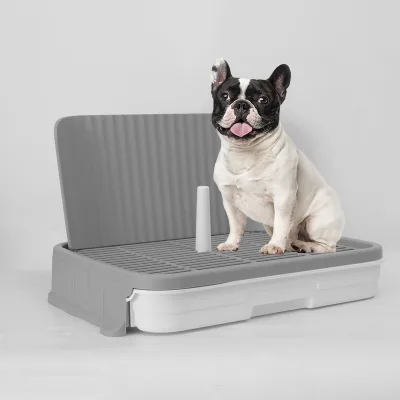
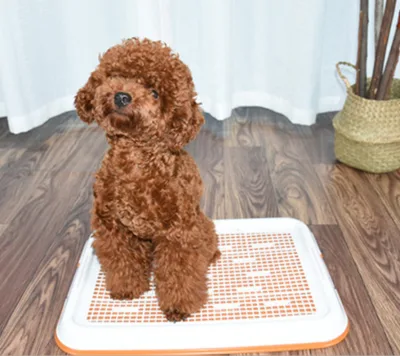


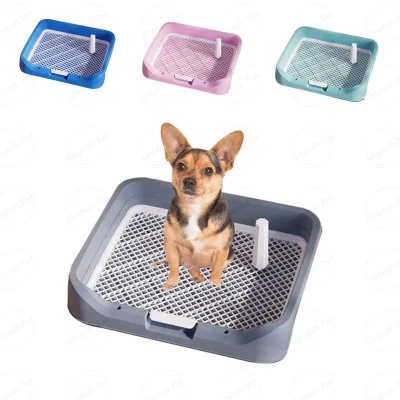


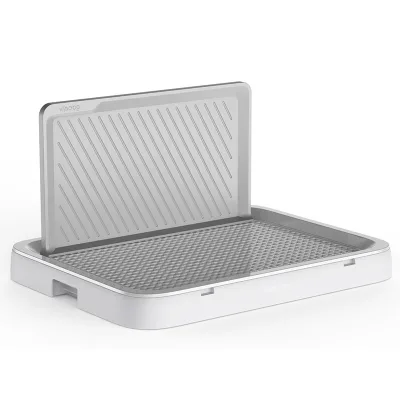
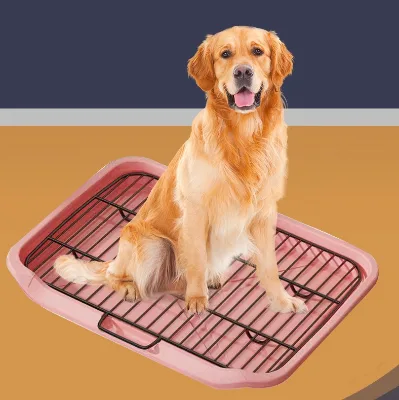

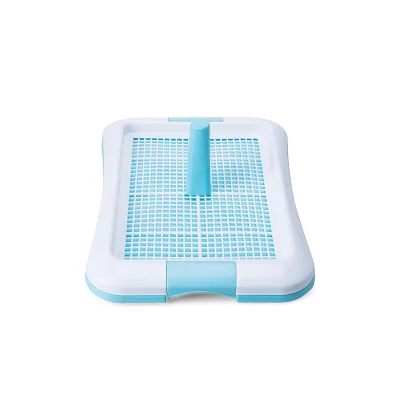
Comprehensive Sourcing Guide
Strategic Sourcing Guide for Fixed Pet Dog Urinals
The global demand for specialized pet care infrastructure has driven a significant expansion in the market for fixed pet dog urinals. These units are engineered to provide hygienic, durable, and space-efficient solutions for both residential and commercial environments. For procurement professionals, navigating this sector requires a rigorous understanding of material science, manufacturing origins, and the specific operational constraints of the supply chain. This guide synthesizes available market data to provide a disciplined framework for sourcing fixed pet dog urinals, focusing on verified product attributes and logical procurement strategies without relying on unverified commercial claims.
Technical Specifications and Material Composition
The foundational aspect of sourcing a Fixed Pet Dog Urinal lies in the precise definition of technical specifications. The primary material observed in the current market landscape is plastic. This choice of material offers a balance between durability, resistance to chemical cleaning agents, and cost-effectiveness. The structural integrity of these units is critical, as they must withstand repeated use and exposure to various weather conditions if placed outdoors.
Dimensions and capacity vary significantly across different product lines, necessitating a careful review of the single package size and internal volume. Data indicates that single package dimensions can range from compact units measuring approximately 50x25x35 cm to larger configurations reaching 60x48x16 cm. The internal space capacity is another vital metric, with some units offering an inner space of 100 liters, which is essential for high-traffic areas or larger breeds. The physical weight of the units also varies, with observed gross weights ranging from 1.500 kg to 2.000 kg, and specific product weights noted as 625g or 1320g depending on the model size.
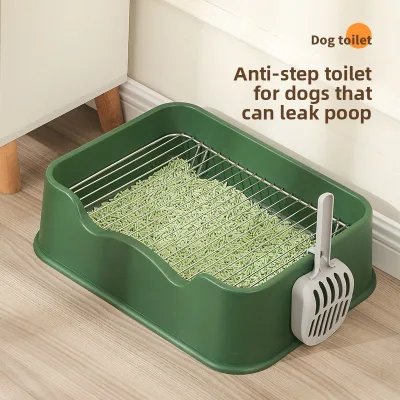
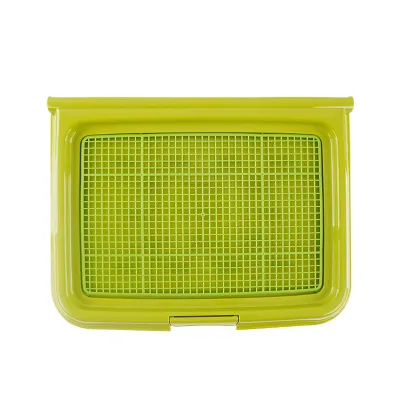
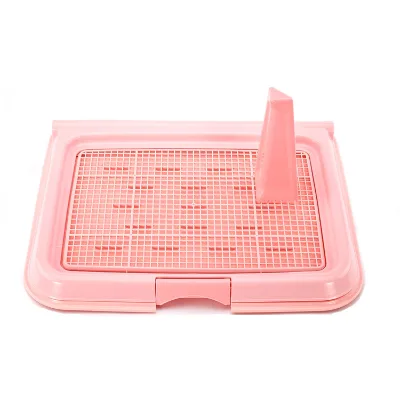
Color and style are not merely aesthetic choices but functional considerations for integration into existing environments. Available color options include white, yellow, orange, purple, dark green, and grey. The style of the units generally falls into two categories: classics and modern. The shape is predominantly square, designed to maximize floor space utilization. Furthermore, the size specifications often include specific measurements such as 18mm and 15mm for certain components, or general sizing categories like S and L, which must be matched to the target animal's size.
Manufacturing Origins and Supply Chain Geography
Understanding the geographic origin of the product is essential for logistics planning and supply chain risk management. The manufacturing base for these products is concentrated in specific provinces within China. Verified data points to production facilities located in Zhejiang, Shandong, and Jiangsu provinces. Each of these regions may offer different advantages regarding supply chain maturity, labor costs, and logistics infrastructure.
The place of origin directly influences the shipping lead times and freight costs. Buyers must account for the fact that different suppliers may be located in different provinces, potentially complicating consolidation if sourcing from multiple vendors. The single package size and gross weight data provided earlier are critical for calculating freight volumes. For instance, a unit with a single package size of 60x48x16 cm and a gross weight of 1.500 kg will have different volumetric weight implications compared to a unit measuring 50x25x35 cm.
Compliance, Certification, and Safety Standards
In the realm of pet products, compliance and safety are paramount, particularly when the product is intended for direct contact with animals or is used in public spaces. While specific certification names are not universally standardized in the provided data, buyers must verify that the plastic materials used meet relevant safety standards for pet products. The material must be non-toxic and resistant to degradation from pet waste and cleaning chemicals.
The "Eco-friendly" and "Washable" features observed in the product attributes suggest a focus on sustainability and hygiene. However, these claims require verification through independent testing or supplier-provided documentation. Buyers should inquire about the specific type of plastic used (e.g., HDPE, PP) and request material safety data sheets (MSDS) to ensure the product does not leach harmful substances. Additionally, the "Easy Clean" feature implies a design that minimizes bacterial growth, which is a critical compliance factor for health and sanitation regulations in commercial settings.
Cost Drivers and Pricing Dynamics
The pricing of fixed pet dog urinals is influenced by a complex interplay of factors, including material costs, manufacturing complexity, and order volume. The observed listed price range in the market spans from 1.37 USD to 600 USD. This wide disparity indicates a highly segmented market with products ranging from simple, small-scale units to large, commercial-grade installations.
The Minimum Order Quantity (MOQ) is a significant cost driver. The data shows MOQs ranging from 10 pieces to 1000 pieces, with specific instances of 50, 100, and 500 pieces. Buyers must align their order volume with the supplier's MOQ to optimize unit costs. Smaller MOQs, such as 10 or 50 pieces, may result in higher per-unit costs but offer flexibility for testing the market or for smaller retailers. Conversely, larger orders of 500 or 1000 pieces typically unlock lower price points but require significant capital outlay and storage capacity.
Typical Applications and Functional Requirements
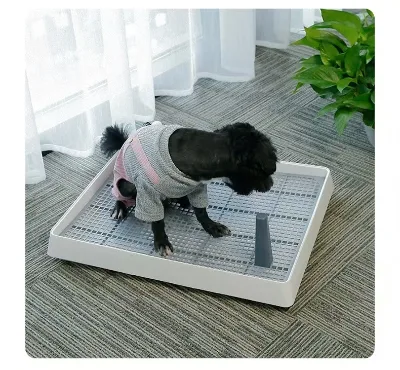
The functional requirements of a Fixed Pet Dog Urinal dictate its application. The primary application is for dogs, as indicated by the "Applicable Pet" attribute. However, some units are designed to be suitable for a broader range of animals, including cats and other pets. The intended usage scenarios vary from pet travel to permanent outdoor installation.
For pet travel, the product must be portable and lightweight, with features like "Pet Transportation" functionality. These units often have a smaller footprint and may include handles or folding mechanisms. In contrast, fixed urinals for residential or commercial use prioritize stability and capacity. The "Dog Toilet" and "Pet Travel Outdoor" classifications highlight the dual nature of the market. Buyers must determine whether the primary use case is for a stationary location or for mobility, as this will influence the choice of material thickness, base design, and overall weight.
Supplier Evaluation and Quality Control Protocols
Evaluating suppliers for fixed pet dog urinals requires a multi-faceted approach. The brand names observed, such as "keevii," "Bonnie," and "innopack," represent different market players, but buyers should not rely solely on brand recognition. Instead, the focus should be on the supplier's ability to consistently meet the technical specifications.
Quality control should begin with a review of the product's physical attributes. Buyers must verify that the plastic material is uniform, free of defects, and that the dimensions match the stated specifications. The "Single gross weight" and "Single package size" are key metrics for verifying that the product matches the description. Additionally, the "Charging Time" attribute, noted as 5-8 hours for certain models, suggests that some units may have electronic components or specific drying mechanisms, which requires a separate quality check for electrical safety and battery longevity.
Suppliers should be evaluated on their ability to provide consistent quality across batches. The "Standard Package" attribute implies a baseline for packaging, but buyers should verify that the packaging protects the product during transit, especially given the varying weights and sizes. A robust quality control process should include visual inspections for color consistency (White, Yellow, Orange, Purple, Dark Green, Grey) and structural integrity.
Long-Term Procurement Considerations
Long-term procurement success depends on establishing a sustainable relationship with suppliers who can scale with demand. The "Fragrance" attribute, specifically "Fruit Scent," indicates that some products may include integrated odor-control features. Buyers should consider the longevity of these features and the cost of refills or replacements over the product's lifecycle.
The "Style" and "Color" options allow for customization, which can be a competitive advantage for buyers targeting specific market segments. However, maintaining a consistent supply of specific colors and styles requires clear communication with the supplier. The "Model Number" variations, such as "4903" or "other," highlight the need for precise ordering to avoid receiving incorrect specifications.
Furthermore, the "Type" classification, ranging from "Pet cleaning & grooming products" to "Pet Travel Outdoor," suggests that the product line may be part of a broader ecosystem. Buyers should consider the compatibility of these urinals with other pet care products they may source. The "Usage" attribute, such as "Pet Travel," also points to the need for products that can withstand the rigors of transportation and varying environmental conditions.
In conclusion, sourcing fixed pet dog urinals requires a meticulous approach to verifying technical specifications, understanding supply chain geography, and evaluating supplier capabilities. By focusing on the observed data points regarding material, dimensions, and origin, buyers can make informed decisions that balance cost, quality, and functionality. The wide range of prices and MOQs offers flexibility, but it also demands a strategic approach to order management and quality assurance. Ultimately, the goal is to secure a reliable supply of high-quality pet infrastructure that meets the specific needs of the end-user while maintaining operational efficiency.
FAQs
What materials are used for fixed pet dog urinals?
The primary material observed in the market is plastic, offering durability and chemical resistance. This choice balances cost-effectiveness with the need to withstand repeated use and exposure to weather conditions if placed outdoors.
Which locations manufacture these pet toilet units?
Manufacturing is concentrated in specific Chinese provinces including Zhejiang, Shandong, and Jiangsu. Buyers must account for these different origins as they influence shipping lead times and freight costs for consolidation.
How does the minimum order quantity affect pricing?
MOQs range from 10 to 1000 pieces, directly impacting unit costs. Smaller orders like 10 or 50 pieces may have higher per-unit prices, while larger orders of 500 or 1000 pieces typically unlock lower price points.
What are the typical dimensions and weight of these units?
Single package sizes vary from 50x25x35 cm to 60x48x16 cm with gross weights between 1.500 kg and 2.000 kg. Some models also list specific weights like 625g or 1320g depending on the size category.
Can these urinals be used for pet travel?
Yes, some units are designed for pet travel with features like pet transportation functionality. These portable models often have a smaller footprint and may include handles, distinct from fixed units prioritizing stability and capacity.
What color options are available for these products?
Available colors include white, yellow, orange, purple, dark green, and grey. These options allow for customization to match specific environments, though maintaining consistent supply of specific colors requires clear communication with suppliers.