Source Fixed Plastic Console Cover for Electronics, Cars, and Appliances
Find and compare 30 Fixed Plastic Console Cover options tailored for electronic, automotive, and household appliance applications. These injection-molded parts offer customizable sizes, colors, and materials to meet specific design requirements.
Key considerations
Products List

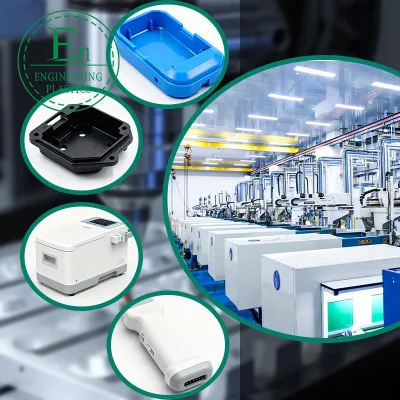


Comprehensive Sourcing Guide
Fixed Plastic Console Cover Sourcing Guide
Sourcing fixed plastic console covers requires a nuanced understanding of the intersection between injection molding precision and protective functionality. These components serve as critical barriers in industrial, automotive, and electronic environments, shielding sensitive internal mechanisms from dust, moisture, and physical impact. The procurement process must balance aesthetic customization with rigorous technical performance, ensuring that the final assembly meets both operational durability and brand identity requirements. Buyers must navigate a market where materials, tolerances, and surface treatments vary significantly based on the specific application context, whether it involves CNC machine guideways, automotive interiors, or household appliance housings.
The supply chain for these components is heavily concentrated in manufacturing hubs such as Ningbo and Guangdong in China, where specialized tooling and high-volume production capabilities are readily available. Procurement teams should recognize that "fixed" implies a permanent or semi-permanent installation method, often requiring precise mounting points and structural integrity that differ from removable covers. This distinction affects everything from mold design to quality control protocols. Understanding the specific shaping mode, typically injection molding, and the associated tooling standards is essential for managing lead times and ensuring that the produced parts align with the intended assembly line processes.
Product Scope and Observed Listing Signals
The market for fixed plastic console covers exhibits a wide range of customization options, with suppliers offering any size and any color to meet specific design constraints. Observed listings indicate that product models such as YB-PLASTIC and bellow cover variants are common, suggesting a versatility in form factor that ranges from rigid structural panels to flexible accordion-style protective covers. The application scope extends across multiple industries, including electronics, automotive, and household appliances, with specific mentions of use in CNC machine guideways and SMT production lines. This diversity means that buyers must clearly define their environmental requirements, such as whether the cover needs to be waterproof or provide specific guide rail protection, to filter the appropriate supplier offerings.
Material selection is a primary differentiator in this category, with suppliers stating that all materials can be customized to suit specific performance needs. Common mold materials include P20, 718, 738H, NAK80, and S136, which influence the surface finish and longevity of the tooling rather than the final product itself. The final product material is often plastic, with options for customized colors and surface treatments like polishing, painting, or texturing. Buyers should note that while some listings specify black color or PVC and iron connecting plates, the general trend is toward fully customizable material compositions, allowing for the integration of specific polymers that offer enhanced chemical resistance or thermal stability for industrial environments.
Technical Specifications to Verify
Tolerance and dimensional accuracy are critical for fixed console covers, particularly when they interface with moving parts or require precise mounting. Suppliers often cite tolerances of +/-0.01mm or OEM-specific standards, which must be verified against the engineering drawings provided. The drawing formats accepted typically include 2D files in PDF or CAD formats, as well as 3D files in IGES or STEP formats. Buyers must ensure that their design team provides these files in the correct format to avoid misinterpretation during the mold design phase. Additionally, the cavity configuration, whether single or multi-cavity, directly impacts production speed and cost, so specifying the required output volume is essential for accurate quoting and lead time estimation.
The structural integrity and installation method of the cover must align with the application's mechanical demands. For instance, covers used in CNC machine guideways may require flexible accordion styles to accommodate movement, while those for electronic enclosures might need fixed, rigid structures. The connecting plate material, such as 0.8mm PVC or iron plate, should be specified to ensure compatibility with the mounting system. Furthermore, the mold life, which can range from 50,000 to 500,000 shots, is a key indicator of the tooling quality and the expected durability of the production run. Buyers should verify the mold base standards, such as SD, LKM, or HASCO, to ensure that the tooling is compatible with their manufacturing partners or future maintenance needs.
Compliance and Safety Documentation
Certification requirements vary significantly depending on the end-use industry, with some suppliers offering CE and ISO 9001 certifications as standard or customizable options. For electronic and automotive applications, compliance with specific regional safety and environmental regulations is mandatory. Buyers must verify that the supplier can provide the necessary documentation for the specific materials used, particularly if the console cover is intended for food processing or medical applications, as indicated in some product specifications. The absence of explicit certification details in general listings means that buyers should proactively request proof of compliance for their specific market, rather than assuming that standard certifications cover all regulatory requirements.
Safety and performance documentation should also include material safety data sheets (MSDS) and test reports for properties such as flame retardancy, UV resistance, and chemical compatibility. Since the product is described as waterproof in some contexts, verification of IP ratings or specific water ingress test results is advisable for outdoor or high-humidity applications. Buyers should ensure that the supplier conducts routine quality checks and can provide batch-specific test data. This documentation is crucial for internal audits and for demonstrating due diligence to downstream customers or regulatory bodies, especially when the console cover is a critical safety component in industrial machinery or automotive systems.
Cost Drivers and Commercial Terms
The cost of fixed plastic console covers is influenced by several factors, including the complexity of the mold design, the choice of raw materials, and the order quantity. The observed minimum order quantity (MOQ) ranges from 1 to 100,000 units, indicating that suppliers are flexible enough to accommodate both prototyping and high-volume production runs. However, lower MOQs typically come with higher per-unit costs due to the amortization of mold setup and initial tooling expenses. Buyers should negotiate clearly on whether the mold cost is included in the unit price or charged separately, as this affects the total cost of ownership, especially for long-term production contracts.
Packaging and logistics also play a significant role in the overall cost structure. Products are typically packed in export packing or carton boxes, with single package sizes often standardized to 1x1x1 cm for small components. Buyers should consider the weight and volume of the shipment, as the single gross weight is listed as 1.000 kg, which may vary based on the actual size and material density of the console cover. Incoterms, lead times, and payment terms should be explicitly agreed upon to avoid hidden costs. Additionally, buyers should inquire about the cost of revisions or design changes, as these can incur additional tooling or engineering fees that impact the project budget.
Supplier Qualification and Quality Control
Evaluating supplier capability requires a focus on their engineering expertise and quality management systems. Suppliers should demonstrate proficiency in handling various drawing formats and providing accurate feedback on design for manufacturability (DFM). The ability to produce samples, often available upon consultation with customer service, is a critical step in verifying the supplier's quality before committing to full production. Buyers should request these samples to check for fit, finish, and material properties, ensuring that the product meets the specified tolerances and aesthetic requirements. A robust supplier will also provide a clear quality control plan, including inspection points during production and final random inspection (FRI) protocols.
Long-term partnership potential should be assessed based on the supplier's responsiveness, technical support, and consistency in delivery. Suppliers located in Ningbo and Guangdong are known for their manufacturing efficiency, but buyers should verify their capacity to handle large orders without compromising quality. It is advisable to conduct on-site audits or third-party inspections to evaluate the factory's production environment, equipment maintenance, and employee training. Additionally, buyers should check the supplier's track record in handling customized orders, as the ability to adapt to specific design changes and material requests is a key indicator of their flexibility and commitment to customer satisfaction.
Long-Term Procurement Checks
Sustaining a successful procurement relationship involves regular performance reviews and continuous improvement initiatives. Buyers should monitor key performance indicators (KPIs) such as on-time delivery, defect rates, and responsiveness to issues. Regular communication with the supplier regarding production updates and any changes in design or material requirements is essential to prevent misunderstandings and ensure that the final product aligns with evolving business needs. Establishing a clear channel for feedback and issue resolution helps in maintaining a collaborative relationship and addressing any quality concerns promptly.
As market conditions and regulatory requirements change, buyers must stay informed about updates in material standards and environmental regulations. This includes monitoring any changes in the supplier's certification status or material sourcing practices. Periodic re-evaluation of the supplier's cost structure and quality performance ensures that the procurement strategy remains competitive and effective. Additionally, buyers should consider diversifying their supplier base to mitigate risks associated with supply chain disruptions. By maintaining a proactive approach to supplier management, buyers can ensure a steady supply of high-quality fixed plastic console covers that support their operational and strategic goals.
FAQs
Can I customize the size and color of the plastic console cover?
Yes, you can customize both the size and color to meet your specific requirements. The product supports any size and customized colors, allowing for flexible design options to match your application needs.
What materials are used for the injection molding process?
The product utilizes various materials including P20, 718, 738H, NAK80, and S136 for the mold, while the final product material can be customized to all types. This ensures durability and suitability for electronic, car, and household appliance applications.
What is the expected lifespan of the injection mold?
The injection mold is designed for a lifespan between 50,000 and 500,000 shots. This range depends on the specific material selection and usage conditions, ensuring long-term reliability for mass production runs.
Which certifications does the manufacturer hold for these parts?
The manufacturer holds CE and ISO 9001 certifications for their production processes. These standards ensure quality management and compliance with international safety and performance requirements for industrial and consumer applications.
How is the product packed for export shipping?
The product is packed using export packing standards to ensure safe transit. For specific items like bellow covers, carton boxes are used, while general injection parts utilize standard export packaging to prevent damage during shipping.
What is the tolerance level for the molded plastic parts?
The tolerance level is maintained at +/-0.01mm or can be adjusted for OEM requirements. This precision ensures that the parts fit correctly in CNC machine guideways and other sensitive electronic or automotive assemblies.
Can I get a free sample before placing a large order?
Yes, free samples are available upon consultation with customer service. This allows you to verify the quality and specifications before committing to a larger purchase order for your specific project needs.