Source Flame Retardant Miners Work Clothes for Safety
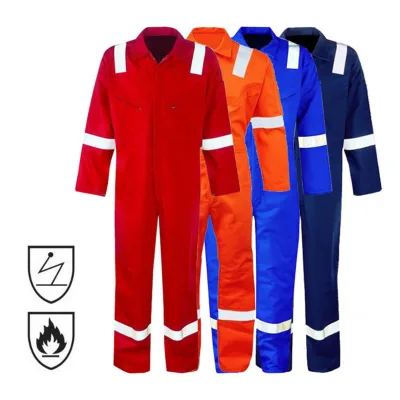
Find and compare 30 Flame Retardant Miners Work Clothes options featuring thermal insulation, wearproof construction, and high-visibility designs. Evaluate specifications from suppliers in China to select durable protective gear for mining, oil & gas, and industrial applications.
Key considerations
Products List


Flame Retardant Safety Workwear Fabric for Industrial Protective Clothing
$2.90 - $5.60
MOQ: 3000 Meters


Fire Safety Protection Fireproof Work Wear Flame Resistant Clothing for Men
$27.80 - $29.80
MOQ: 500 pieces


Fire Safety Clothing Safety Workwear Uniform Flame Retardant Clothing Mine Safety Clothing
$10.00 - $12.00
MOQ: 2000 Pieces
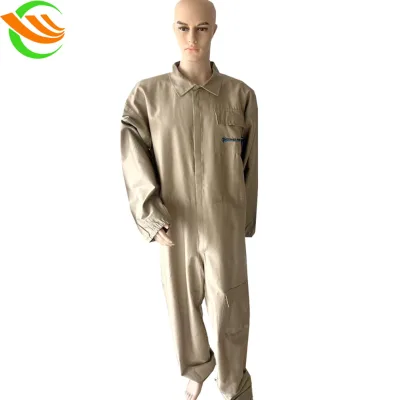
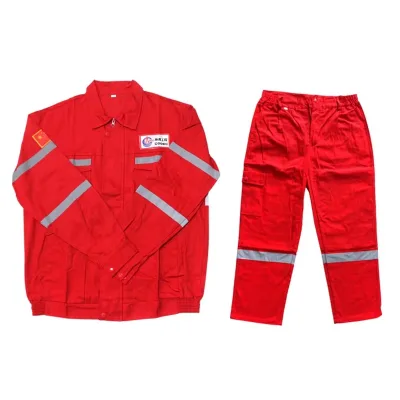
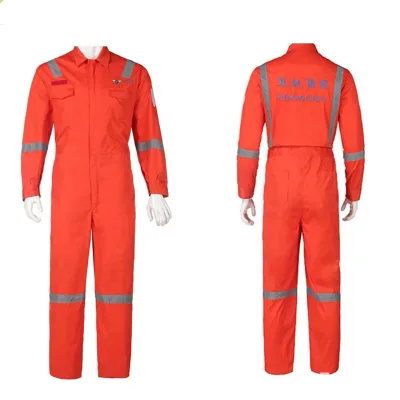
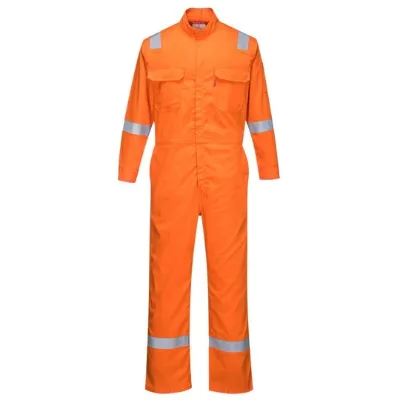




Comprehensive Sourcing Guide
Flame Retardant Miners Work Clothes Sourcing Guide
Procuring Flame Retardant Miners Work Clothes requires a disciplined approach that balances immediate safety compliance with long-term durability and comfort. The mining environment presents unique hazards, including exposure to open flames, radiant heat, and abrasive materials, making the selection of appropriate personal protective equipment (PPE) critical for workforce protection. Buyers must navigate a complex landscape of technical specifications, regional standards, and supplier capabilities to ensure that the garments not only meet regulatory requirements but also perform reliably under harsh operational conditions. This guide provides a structured framework for evaluating suppliers, verifying technical attributes, and establishing robust commercial terms for flame-resistant mining apparel.
The sourcing process begins with a clear definition of the operational environment and the specific hazards workers will encounter. Whether the application involves underground coal mining, surface excavation, or associated industrial support services, the clothing must offer comprehensive protection without compromising worker mobility or thermal comfort. By focusing on evidence-based verification of material composition, construction quality, and certification status, procurement teams can mitigate risk and ensure that the final product delivers on its safety promises. This guide outlines the essential steps for validating supplier claims, interpreting technical data, and negotiating terms that protect both the buyer and the end-user.
Product Scope and Observed Listing Signals
The current market for Flame Retardant Miners Work Clothes exhibits a wide range of product configurations, with observed listing prices ranging from $2.55 to $29.80 USD. This significant price variance often reflects differences in material quality, construction complexity, and the extent of customization offered by suppliers. Buyers should interpret these price points as indicative of varying tiers of quality and service rather than absolute value judgments. A lower price point may correspond to basic cotton blends or simpler designs, while higher prices often correlate with advanced fabric technologies, enhanced durability features, and comprehensive certification packages. Understanding this spectrum helps buyers align their budget with their specific safety and performance requirements.
Minimum Order Quantities (MOQs) in this category typically range from 1 to 3,000 units, reflecting the diverse needs of different buyers, from small contractors to large mining enterprises. Suppliers often offer customization options, including custom logos, specific sizes, and tailored design features, which can influence both the MOQ and the final cost. The observed product attributes highlight key functional requirements such as thermal insulation, flame retardancy, wear resistance, and anti-radiant heat protection. These features are essential for mining applications where workers are exposed to multiple hazards simultaneously. Buyers should prioritize suppliers who clearly articulate how their products meet these specific functional needs through verifiable material and construction choices.
Technical Specifications to Verify
Material composition is a primary technical specification that directly impacts the performance and longevity of Flame Retardant Miners Work Clothes. Observed data indicates that products are commonly made from cotton or cotton/spandex blends, with weights ranging from 9 to 250 GSM. The inclusion of spandex suggests a focus on flexibility and comfort, which is crucial for workers performing physically demanding tasks. Buyers should verify the exact percentage of spandex and the quality of the cotton used, as these factors influence breathability, shrinkage, and overall durability. Additionally, the fabric width is typically observed at 57/58 inches, which is standard for garment manufacturing, but buyers should confirm that this width aligns with their pattern cutting and efficiency goals.
Construction details and design features are equally important for ensuring effective protection and usability in the field. Common design elements include long sleeves, zipper fronts with flaps, and multiple functional pockets, which provide both safety and convenience. The closure type, often a zipper front with a protective flap, is critical for preventing sparks or embers from entering the garment. Buyers should also verify the care instructions, which typically include machine wash, hand wash, and dry clean options, while advising against bleaching to maintain flame retardant properties. The presence of features like penetration printing and twill patterns may affect the fabric's integrity and should be evaluated for their impact on long-term performance and maintenance requirements.
Compliance and Safety Documentation
Certification and standard compliance are non-negotiable aspects of sourcing Flame Retardant Miners Work Clothes. Observed certifications include CE and ISO, which indicate adherence to European and international quality management standards. However, buyers must go beyond these general certifications to verify compliance with specific safety standards relevant to their region and industry. Standards such as EN, NFPA, and AS 4824 are frequently referenced, with thermal protection levels specified as Class A in some contexts. Buyers should request detailed test reports and certification documents from suppliers to confirm that the products meet the exact standards required for their operational environment, rather than relying on general claims.
The distinction between general safety certifications and specific performance standards is crucial for ensuring adequate protection. For instance, while CE marking indicates conformity with health, safety, and environmental protection standards for products sold within the European Economic Area, it does not automatically guarantee compliance with mining-specific regulations. Buyers should verify whether the products meet standards such as EN 469 for protective clothing against heat and flame or EN 15384 for protective clothing for firefighters, if applicable to their mining operations. Understanding the hierarchy of standards and the specific requirements of each helps buyers make informed decisions that prioritize worker safety and regulatory compliance.
Cost Drivers and Commercial Terms
Several factors influence the total cost of Flame Retardant Miners Work Clothes, including material costs, labor, customization, and logistics. The observed price range of $2.55 to $29.80 USD reflects these variables, with higher prices often associated with advanced materials, complex designs, and comprehensive certification packages. Buyers should analyze the cost breakdown to understand what drives the price, such as the type of cotton, the inclusion of spandex, or the complexity of the pocket and closure systems. Additionally, customization options like custom logos and specific sizes can add to the cost, so buyers should evaluate the necessity and value of these features against their budget constraints.
Commercial terms, including payment methods, shipping arrangements, and warranty policies, also play a significant role in the overall procurement cost. Suppliers may offer different packing options, such as poly bags or cartons, which can affect shipping efficiency and costs. Buyers should negotiate clear terms regarding quality assurance, returns, and replacements to mitigate the risk of receiving non-conforming products. Understanding the supplier's production capacity and lead times is also essential for planning inventory and ensuring timely delivery. By focusing on total cost of ownership rather than just the unit price, buyers can make more strategic procurement decisions that balance cost and quality.
Supplier Qualification and Quality Control
Supplier qualification is a critical step in ensuring the reliability and consistency of Flame Retardant Miners Work Clothes. Buyers should conduct thorough due diligence on potential suppliers, including verifying their business licenses, production capabilities, and quality management systems. The observed product origins, such as Wuhan and Hubei in China, provide some context, but buyers should not rely solely on location for quality assessment. Instead, they should request samples, conduct factory audits, and review past performance records to evaluate the supplier's ability to meet specific requirements. Suppliers who offer OEM/ODM services and accept custom orders may have more flexible production capabilities, but this should be balanced with their ability to maintain consistent quality.
Quality control measures should be integrated into the procurement process to ensure that the final products meet the agreed-upon specifications. Buyers should establish clear quality standards and inspection criteria, including checks for material composition, construction quality, and certification compliance. Regular quality audits and third-party inspections can help identify and address potential issues before shipment. Additionally, buyers should maintain open communication with suppliers to address any concerns or changes in requirements promptly. By implementing robust quality control processes, buyers can minimize the risk of receiving defective products and ensure that their workers are protected by reliable and effective flame retardant clothing.
Long-Term Procurement Checks
Long-term procurement success depends on continuous monitoring and evaluation of supplier performance and product quality. Buyers should establish key performance indicators (KPIs) to track metrics such as delivery times, defect rates, and customer satisfaction. Regular reviews of these metrics can help identify trends and areas for improvement, allowing buyers to address issues proactively. Additionally, buyers should stay informed about changes in safety standards and regulations that may impact the requirements for Flame Retardant Miners Work Clothes. By maintaining a proactive approach to compliance and quality, buyers can ensure that their procurement strategies remain effective and relevant over time.
Building strong relationships with suppliers is also essential for long-term procurement success. Open communication, mutual respect, and collaborative problem-solving can lead to better outcomes for both parties. Buyers should engage with suppliers to discuss future needs, potential improvements, and emerging technologies that could enhance product performance. By fostering a partnership-oriented approach, buyers can leverage supplier expertise and innovation to improve their procurement outcomes. Ultimately, a focus on continuous improvement and relationship management will help buyers achieve sustainable and cost-effective procurement of Flame Retardant Miners Work Clothes.
FAQs
What certifications do these Flame Retardant Miners Work Clothes have?
These garments hold CE and ISO certifications to ensure safety compliance. Some products also meet NFPA and EN standards for thermal protection. Buyers should verify specific certification documents for their regional requirements before placing orders.
Can I request a custom logo on these fire rescue suits?
Yes, custom logos are acceptable for these Flame Retardant Miners Work Clothes. Suppliers offer customization services to meet brand identification needs. This option allows companies to personalize protective gear while maintaining required safety features like flame resistance.
Which materials are used to make these industrial coveralls?
The primary material used is cotton, sometimes blended with spandex for flexibility. This fabric choice ensures breathability and comfort during long shifts. The material is selected for its durability and ability to withstand harsh industrial environments effectively.
How is the thermal protection level defined for these suits?
Thermal protection is rated at level A according to EN standards. This classification indicates the suit provides specific protection against radiant heat and flames. Buyers should confirm the exact standard applies to their specific workplace hazards.
What is the minimum order quantity for these protective garments?
The minimum order quantity ranges from 1 to 3000 units depending on the supplier. Flexible MOQs allow small businesses to test products while large enterprises can order in bulk. Specific MOQs vary by customization needs and fabric type selected.
Where are these Flame Retardant Miners Work Clothes manufactured?
Products originate from manufacturing locations in Wuhan and Hubei, China. These regions are known for textile production capabilities. Buyers can expect consistent quality from these established industrial hubs in China.
Can these coveralls be washed and maintained easily?
Yes, the garments are wash resistant and can be machine washed or hand washed. Care instructions also allow for dry cleaning but prohibit bleaching. This ensures the flame retardant properties remain intact after repeated cleaning cycles.