Source Flame Retardant Polyurethane Chair Surface for Schools, Hospitals, Offices
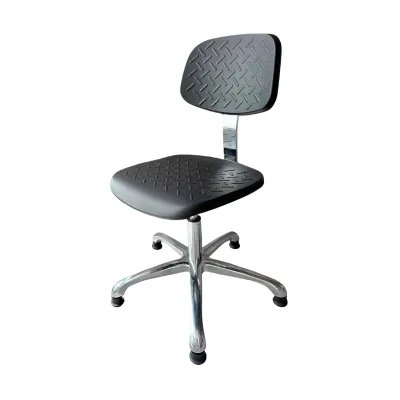
Compare 28 options for Flame Retardant Polyurethane Chair Surface designed for schools, hospitals, and offices. Buyers can review specifications like seat dimensions, base materials, and wheel types to find the right ergonomic seating solution; compare the available evidence and request quotations based on your requirements.
Updated
Key considerations
Products List

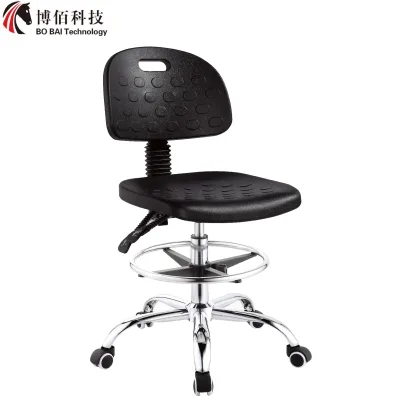
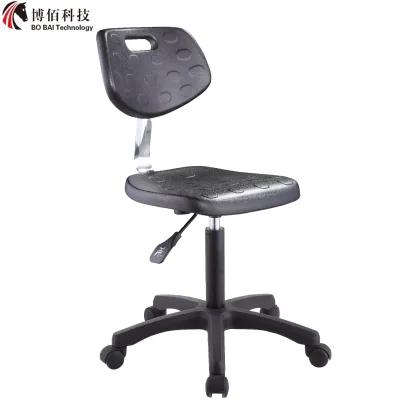
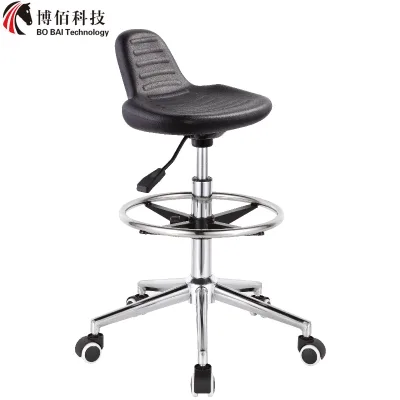
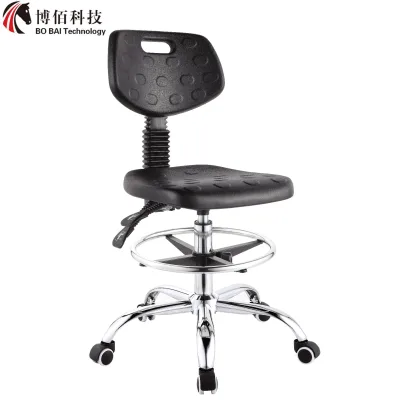


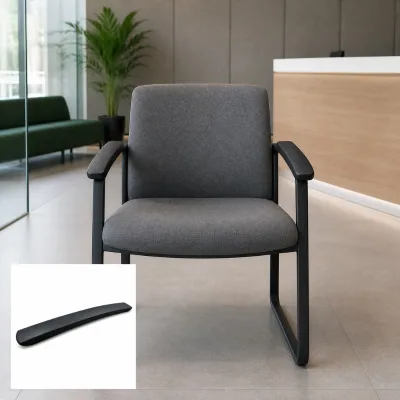
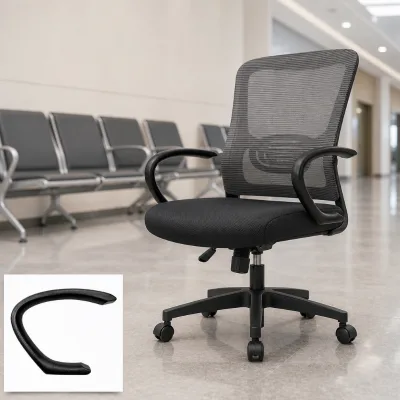
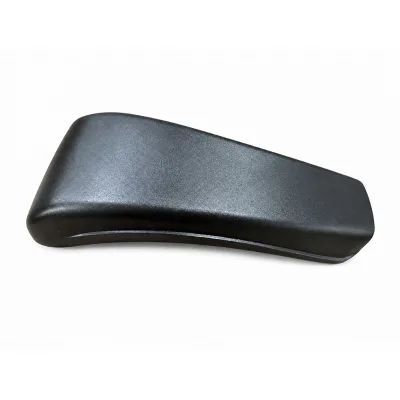
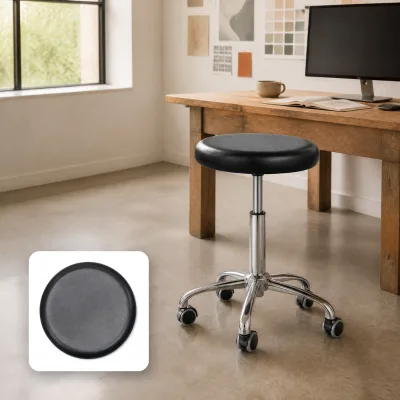
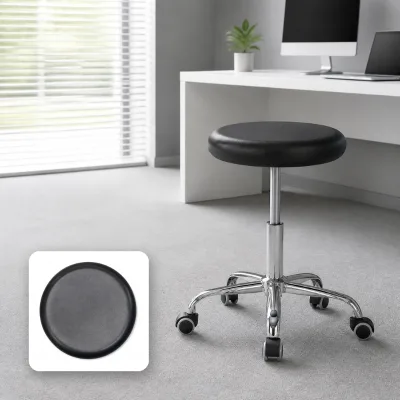
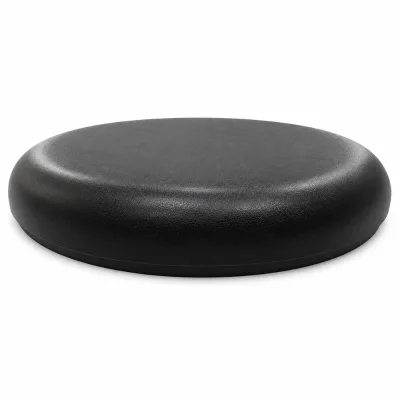
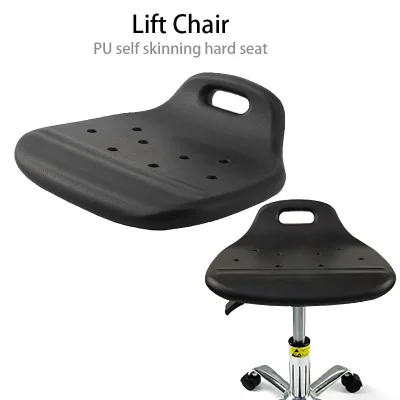
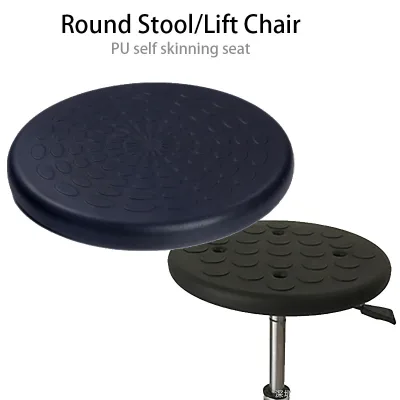
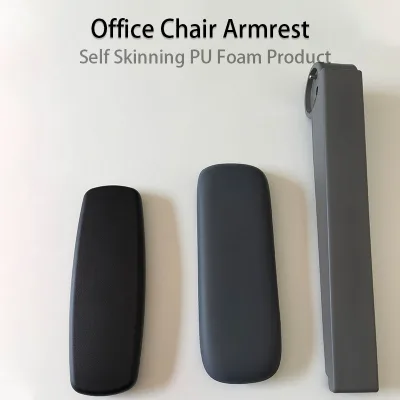


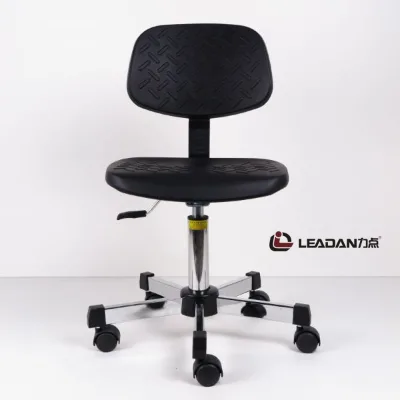
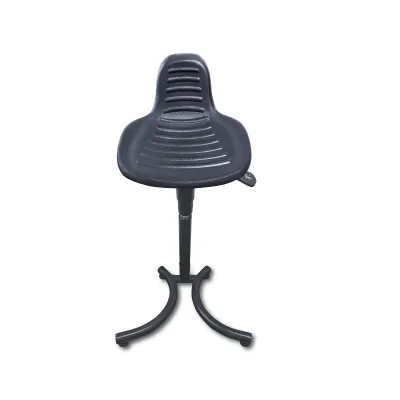
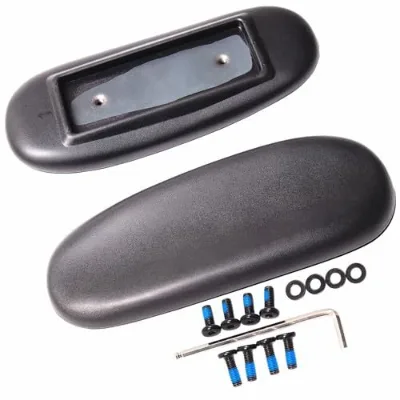



Comprehensive Sourcing Guide
Flame Retardant Polyurethane Chair Surface Sourcing Guide
Procuring chairs with flame retardant polyurethane surfaces requires a disciplined approach to material verification and supplier transparency. Buyers must distinguish between standard PU leather and specialized formulations that meet specific fire safety codes. The core challenge lies in ensuring that the surface material not only provides the desired aesthetic and durability but also adheres to regional fire regulations without compromising structural integrity. This guide outlines the critical steps for validating product claims and securing reliable supply chains.
Sourcing decisions should be driven by clear application requirements, such as hospital, office, or educational settings, where fire safety is paramount. The observed market offers various models with different base materials and wheel configurations, but the surface composition remains the primary differentiator for flame resistance. Buyers need to establish precise technical requirements before engaging with suppliers to avoid misalignment on material properties and performance expectations.
Product Scope and Observed Listing Signals
The current market landscape includes a diverse range of office and institutional chairs, with observed price points ranging from $2.05 to $103.08 USD. Minimum order quantities vary significantly, spanning from 2 to 200 units, indicating flexibility for both small-scale trials and large institutional deployments. These commercial signals suggest that buyers can negotiate terms based on volume, but the wide price disparity highlights the importance of verifying material quality and certification status before committing to large orders.
Product listings frequently highlight features such as cold-resistance, heat-resistance, and impact-resistance, which are critical for long-term durability in high-traffic environments. The observed models often include adjustable seat heights, nylon wheels, and stainless steel footrests, catering to ergonomic needs in schools, hospitals, and workshops. However, buyers must carefully cross-reference these general features with specific flame retardant claims, as not all listed products may possess the required fire safety certifications despite their robust physical attributes.
Technical Specifications to Verify
Technical verification begins with confirming the exact material composition of the chair surface. While some listings specify 100% polyurethane or synthetic leather, buyers must request detailed material data sheets to confirm the presence of flame retardant additives. The observed models vary in seat dimensions, such as 450x470mm or 380x410mm, and base materials, including die-cast chrome or nylon. These physical specifications influence the overall weight and stability, but the surface treatment is the key factor for fire safety compliance.
Buyers should also verify the anti-static resistivity, with observed values ranging from 10E6 to 10E9Ω, which is crucial for environments sensitive to electrostatic discharge. The single package sizes and gross weights, typically around 10.0 kg, provide logistical insights but do not guarantee fire performance. It is essential to request third-party test reports that specifically address the flame retardancy of the polyurethane surface, ensuring that the material meets the required standards for the intended application environment.
Compliance and Safety Documentation
Compliance with fire safety standards is non-negotiable for chairs used in public or commercial spaces. Buyers must insist on valid certification documents, such as ISO certification, which may indicate adherence to broader quality management systems, but specific fire ratings must be explicitly stated. The observed listings mention customization options, which can include tailored fire retardant treatments, but buyers must verify that these customizations do not void existing certifications or compromise material integrity.
Documentation should include detailed test results from accredited laboratories, specifying the burn rate, smoke density, and toxicity levels of the polyurethane surface. Buyers should not rely solely on supplier assertions but must request copies of the actual test reports. This due diligence ensures that the chairs meet local building codes and insurance requirements, particularly for applications in hospitals, schools, and office buildings where fire safety is strictly regulated.
Cost Drivers and Commercial Terms
Cost variations in flame retardant polyurethane chairs are driven by material quality, certification status, and order volume. The observed price range of $2.05 to $103.08 USD reflects differences in base materials, wheel types, and additional features like adjustable footrests. Buyers should analyze the cost breakdown to understand how much of the price is attributed to the flame retardant surface treatment versus structural components. Higher prices may correlate with superior fire ratings and more durable materials, but this must be validated through technical documentation.
Commercial terms, including payment methods and lead times, should be clearly defined in the purchase agreement. The observed minimum order quantities of 2 to 200 units allow for flexible purchasing, but buyers should negotiate for volume discounts if scaling up production. Additionally, after-sales services, such as online technical support, can reduce long-term maintenance costs. Buyers must ensure that warranty terms cover material degradation and fire performance issues, providing protection against premature failure or non-compliance.
Supplier Qualification and Quality Control
Supplier qualification requires a thorough assessment of manufacturing capabilities and quality control processes. Buyers should verify the supplier’s location, with many observed products originating from Dongguan, Guangdong, a hub for furniture manufacturing. It is crucial to confirm that the supplier has experience in producing flame retardant products and maintains consistent quality across batches. Requesting factory audits or third-party inspections can provide insights into their production standards and compliance with safety regulations.
Quality control measures should include regular testing of raw materials and finished products to ensure adherence to specified flame retardant levels. Buyers should establish clear acceptance criteria and inspection protocols before shipment. The observed customization options, such as color and base material, should be managed through strict change control processes to prevent deviations from approved specifications. Effective communication with the supplier regarding quality expectations is essential to avoid discrepancies in the final product.
Long-Term Procurement Checks
Long-term procurement success depends on continuous monitoring of supplier performance and product compliance. Buyers should conduct periodic audits and request updated certification documents to ensure ongoing adherence to fire safety standards. The dynamic nature of regulations means that initial compliance does not guarantee future conformity, making regular verification essential. Additionally, monitoring market trends and technological advancements in flame retardant materials can help buyers stay ahead of regulatory changes and improve product safety.
Building a resilient supply chain involves diversifying suppliers and maintaining strong relationships with key partners. Buyers should evaluate suppliers based on their responsiveness, quality consistency, and ability to meet changing requirements. The observed customization and OEM capabilities offer flexibility, but buyers must ensure that these services do not compromise quality or compliance. By implementing robust long-term checks, buyers can mitigate risks and ensure that their procurement strategy aligns with safety and performance goals.
FAQs
What material is used for the chair surface?
The chair surface is made from 100% Polyurethane or Synthetic Leather. This material provides a durable and comfortable seating experience. It is designed to withstand regular use in various environments. The surface is easy to clean and maintain. This ensures long-term usability for the furniture piece.
Can the chair surface be customized?
Yes, customization is available for the chair surface. Buyers can select from various colors including Black, Red, Pink, and Blue. The design style is industrial, fitting modern office or workshop settings. Customized standards are supported to meet specific project requirements. This flexibility allows for tailored aesthetic and functional solutions.
What certifications does the product have?
The product holds ISO certification. This indicates compliance with international quality management standards. Buyers can rely on this certification for quality assurance. It ensures consistent manufacturing processes and product reliability. This is crucial for procurement in regulated industries like healthcare or education.
What are the seat dimensions available?
Seat dimensions vary by model. One model features a 450*470mm seat, while another offers 380*410mm. A third option provides a 250*340mm seat. These sizes cater to different ergonomic needs. Buyers should select the dimension that best fits their space and user requirements.
Where is the product manufactured?
The product originates from Dongguan, Guangdong, China. This location is a known hub for manufacturing. Buyers can expect efficient logistics from this region. The place of origin is clearly stated for transparency. This helps in calculating shipping costs and lead times accurately.
What features does the chair offer?
The chair features seat up and down adjustment. It includes PA Nylon wheels, which are fixed or movable. The footrest is made of high-quality stainless steel. The base is die-cast chrome or nylon. These features enhance comfort and stability for the user.