Polymeric Isocyanate Polyol Sandwich Panels Suppliers and Manufacturers
Explore 26 verified suppliers offering Polymeric Isocyanate Polyol Sandwich Panels with customizable dimensions and fire ratings. Compare response times, lead times, and certifications like ISO9001 to select the right partner for your project needs today; review the available evidence before requesting comparable quotations from suitable candidates.
Updated
Suppliers List

Hangzhou Tedun Building Materials Co., Ltd.
- Verified by TUVRHEINLAND
- Combined
- China Zhejiang
- Lead time30 days
- Avg. response≤ 22h
Main productsStanding Seam Roofing Panel, Corrugated Steel Sheet, Floor Deck, Flat-Lock Roofing Sheets, Steel Roof Tile, Copper Roofing, Galvanized Zinc Sheets, Sandwich Panels, Interlocking Shingles Panel, Customized Roofing and Wall Sheets
Main marketsSouth America,Southeast Asia/ Mideast,Australia

Jiangsu Green Bio-Environmental Protection Technology Co., Ltd.
- Verified by TUVRHEINLAND
- Trading Company
- China Jiangsu
- Lead time30 days
- Avg. response≤ 2h
Main productsCold Room Panels, Cold Room Doors, Cold Closet, Refrigeration Units, Accessories, Fittings
Main marketsSouth America,Southeast Asia/ Mideast

Versatile Polyisocyanurate Sandwich Panels for Custom Building Solutions
$5.90 - $19.90
MOQ: 1000 Square Meters


Customizable Polyisocyanurate Sandwich Panels for Innovative Design Solutions
$5.90 - $19.90
MOQ: 100 Square Meters
Hebei Huiyue Light Steel Structure Co., Ltd.
- Verified by Intertek
- Manufacturer, Trading Company
- Lead time15 days
- Avg. response≤ 2h
Main productsPurification Panels, Color Steel Plate, C&Z Section Steel, Temporary Buildings, Frame Steel Structure
Main marketsDomestic Market(80%), North America(10%), Oceania(5%)
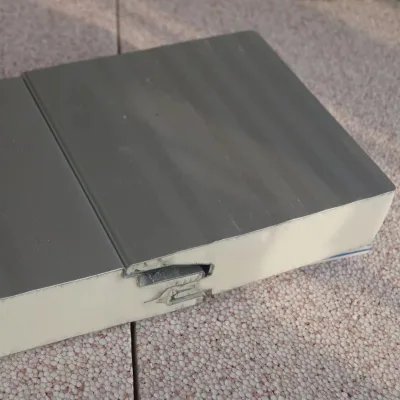
$5.21 - $6.99
MOQ: 200 meters
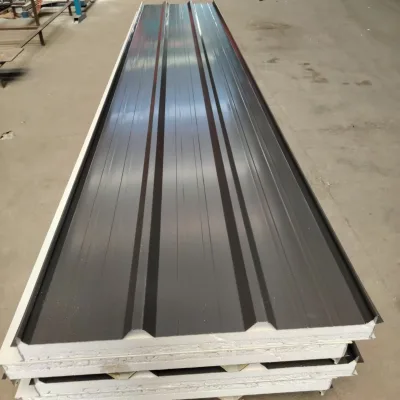
Chengdu Titanium-Zinc Technology Co., Ltd.
- Verified by SGS Group
- Trading Company
- Lead time25 days
- Avg. response≤ 3h
Main productsColor Coated Steel Plate, Zinc Aluminum Magnesium Plate, Profiled Steel Sheet, Perforated Plate, Metal Sandwich Panel
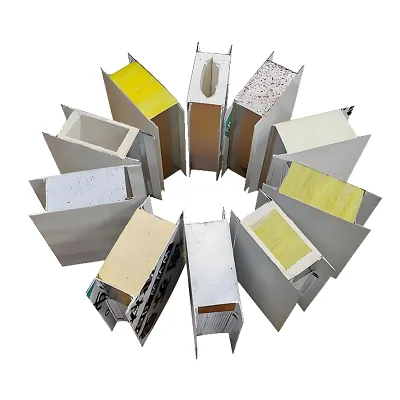
Polyurethane Sandwich Panels in Turkey Sandwich Panel Turkey and Transparent Sandwich Panels
$10.00 - $11.50
MOQ: 200 square
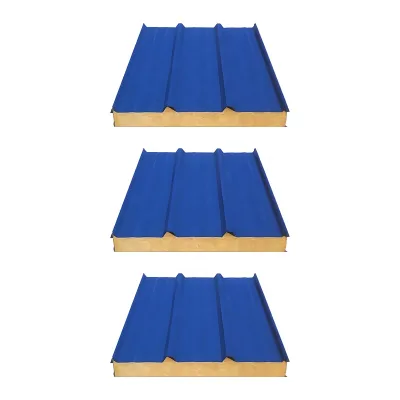
$8.6753 - $10.104
MOQ: 200 square
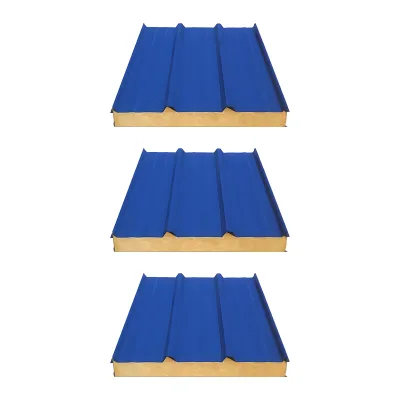
$8.6753 - $10.104
MOQ: 300 square
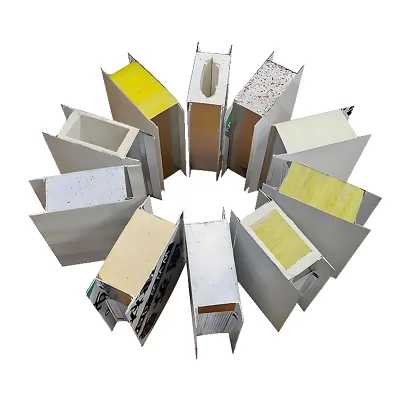
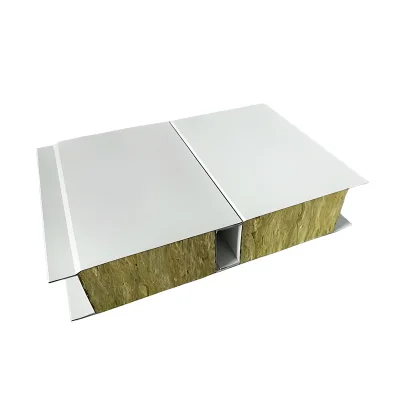
$11.2724 - $13.3219
MOQ: 200 square
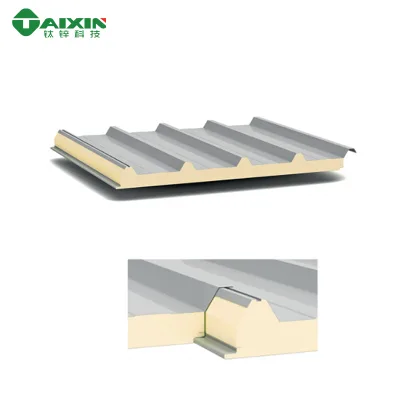
$10.00 - $11.50
MOQ: 300 square

Yantai Shunda Polyurethane Co., Ltd.
- Combined
- China Shandong
- Lead time15 days
- Avg. response≤ 16h
Main productsBlend Polyol, Flame Retardant, Polyether Polyol, Polyester Polyol, PU Catalyst, 141b, Tcpp, Tep, Mdi, Tdi
Main marketsSouth America,Africa,Southeast Asia/ Mideast,East Asia(Japan/ South Korea),Domestic,Europe,Australia,North America


Eco-Friendly Polyurethane Sandwich Panels Incorporating Rigid Foam Insulation
$1800.00 - $2500.00
MOQ: 200 kg


Henan Shunwei Refrigeration Tech Industry Co., Ltd.
- Verified by SGS Group
- Manufacturer, Trading Company
- Lead time0 days
- Avg. response≤ 3h
Main productsCold storage panel , Cold storage door, Refrigeration Unit, Cold storage facility, Cold Storage Evaporator
Main marketsNorth America(30%), Southeast Asia(15%), South Asia(15%)

Herence New Material Technology Co., Ltd
- Verified by CTI
- Combined
- China Jiangsu
- Lead time15 days
- Avg. response≤ 4h
Main productsFoam Glass, Rubber and Plastic Insulation Materials, Polyurethane Foam, Glass Wool, Polyisocyanurate Foam, Rock Wool, Support and Hanger, Prefabricated Parts Product, Spring Sheet, Ceramic Fiber
Main marketsDomestic

Polyisocyanurate Composite Sandwich Panel for High-Efficiency Insulation Needs
$10.00 - $100.00
MOQ: 100 Meters

Polyisocyanurate Foam Insulation Panels for Effective Cooling Systems
$10.00 - $100.00
MOQ: 100 Meters

Polyisocyanurate Composite Panels for Efficient Cooling Pipeline Insulation
$10.00 - $100.00
MOQ: 100 Meters

Premium Polyisocyanurate Wall Panels for Superior Thermal Performance
$10.00 - $100.00
MOQ: 100 Pieces

Xiamen Zhongjingtai Building Materials Co., Ltd.
- Verified by BV
- Trading Company,Manufacturer/Factory
- China Fujian
- Lead time38 days
- Avg. response≤ 5h
Main productsEPS Cement Sandwich Panel, Decorate Wall Panels, Fireproof Wall Panel, Paving Stone, Color Steel Sandwich Panel, Rockwool Sandwich Panel, Insulation Panel, Countertops, EPS Panel, WPC Panel
Main marketsSouth America,Eastern Europe,Mid East,North America,Southeast Asia,Eastern Asia,Oceania,Western Europe,Africa

Polyisocyanurate Rigid Foam Insulation Sandwich Wall Panel for Housing/Hotel/Warehouse/Factory
$15.50 - $19.90
MOQ: 300 Square Meters


Qinhuangdao Zhendi New Material Technology Co., Ltd.
- Trading Company
- Heibei, China
- Lead time15 days
- Avg. response≤ 3h
Main productsFRP Skylight Roofing Sheet,FRP Scattering Sheet,Opaque FRP Sheet for Cooling Tower,Decorative Embossed FRP Sheet,Gelcoat FRP Sheet for Truck Body
Main marketsWestern Europe(30.00%), Southeast Asia(15.00%), Domestic Market(10.00%), Oceania(10.00%), South Asia(10.00%), Eastern Europe(10.00%), Mid East(5.00%), North America(5.00%), South America(5.00%)
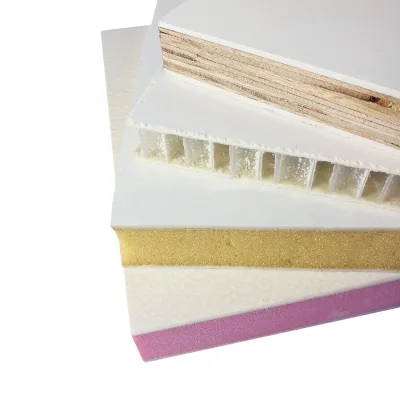
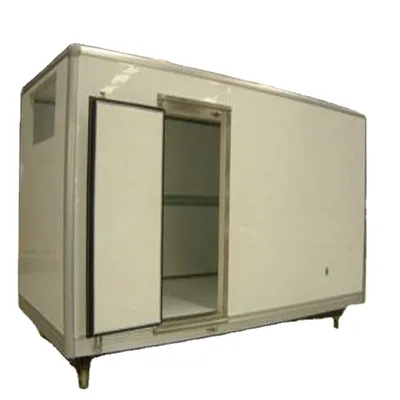
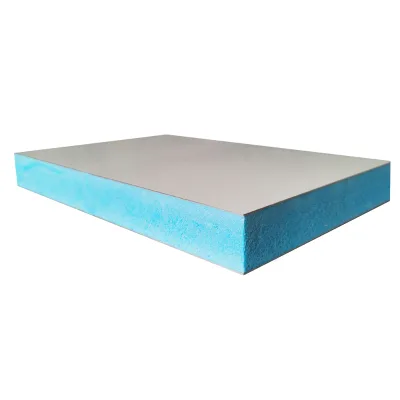
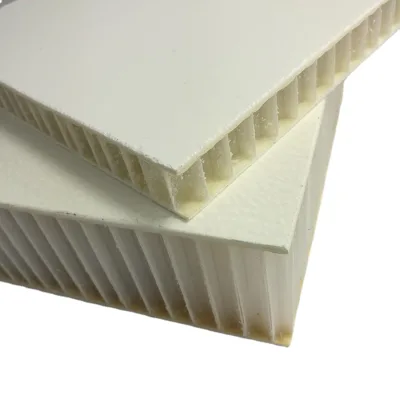
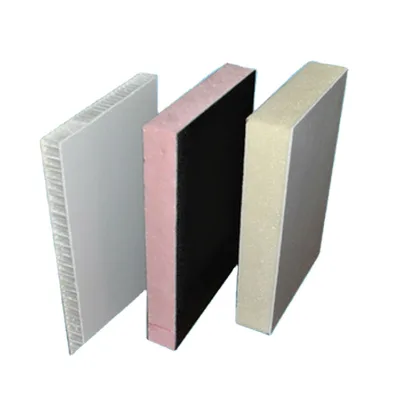
Fiberglass Panels for Hotel Exterior Partition Wall for Cover Sandwich Panel Application
$25.5472 - $35.7664
MOQ: 100 square
Chongqing Quanhui Technology Co., Ltd.
- Verified by Intertek
- Trading Company
- Lead time15 days
- Avg. response≤ 1h
Main productsContainer House, Sandwich Panel, Shipping Container, Insulation Board, Outdoor Gazebo
Main marketsNorth America(30%), Africa(20%), South America(10%)

Yanmian New Materials (Xuzhou) Co., Ltd.
- Verified by SGS
- Trading Company
- China Jiangsu
- Lead time15 days
- Avg. response≤ 4h
Main productsPU Sandwich Panel, PIR Sandwich Panel, Rock Wool Sandwich Panel, Glass Wool Sandwich Panel, Wall Sandwich Panel, Roof Sandwich Panel, Clean Room Panel, Cold Storage Room Panel, Metal Panel, PPGI Roof Sheet
Main marketsSouth America,Southeast Asia/ Mideast

Durable Polyurethane Sandwich Panel with Exceptional Insulation Properties
$7.00
MOQ: 500 Square Meters

Reliable Metal Sandwich Panel with Polyurethane Foam for Structural Integrity
$7.00
MOQ: 500 Square Meters


Handan Donghong Frp And Color Steel Manufacturing Co., Ltd.
- Manufacturer, Trading Company
- Hebei, China
- Lead time15 days
- Avg. response≤ 3h
Main productsfrp sheet,Sunshine sheet,clean panel,sandwich panels,Cleanroom wall panels
Main marketsAfrica(30.00%), Eastern Europe(30.00%), Mid East(30.00%), North America(10.00%)
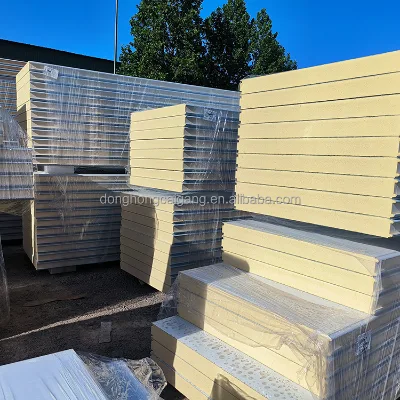
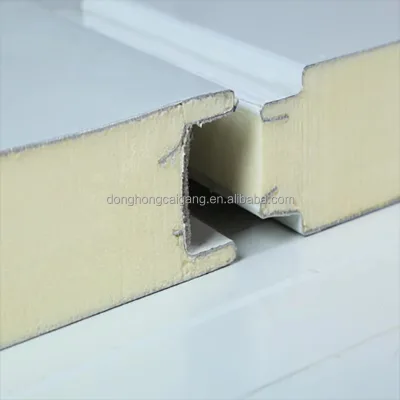
Polyurethane Sandwich Panel Building Exterior Wall Insulation Effect 30mm - 250mm
$10.2371 - $13.8335
MOQ: 100 square
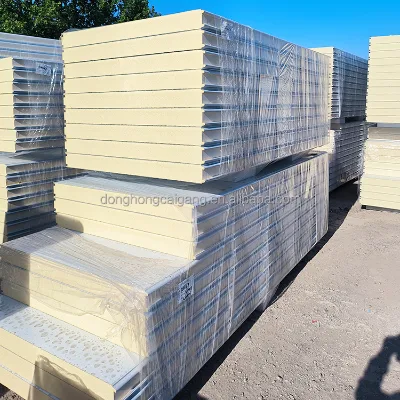
$10.2371 - $13.8335
MOQ: 100 square

Guangzhou Xincheng New Materials Co., Limited
- Combined
- China Guangdong
- Lead time23 days
- Avg. response≤ 13h
Main productsAir Filters, Sandwich Board, HEPA Filters, Sandwich Panel, Air Cleaner, Air Purifier, Container House
Main marketsAfrica,Southeast Asia/ Mideast,Australia

Polyurethane Sealing Rock Wool Structural Insulated Sandwich Panel
$13.50 - $20.80
MOQ: 100 Square Meters

PIR Board Polyurethane Foam Insulation Wall Panel Cold Storage panel
$5.00 - $9.00
MOQ: 1 Square Meters

50mm Foam Material Ththermal Insulation Board EPS Sandwich Panel
$5.90 - $12.00
MOQ: 200 Square Meters
Beijing Jinhuahengyuan Prefab Housing Co., Ltd.
- Verified by SGS Group
- Manufacturer, Trading Company
- Lead time30 days
- Avg. response≤ 2h
Main productsExpandable Container House, Foldable Container House, Flat Pack Container House, Detachable Container House, Space Capsule House
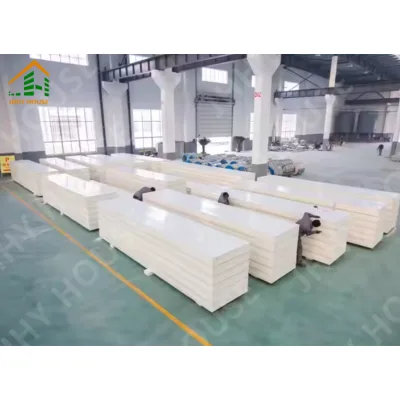
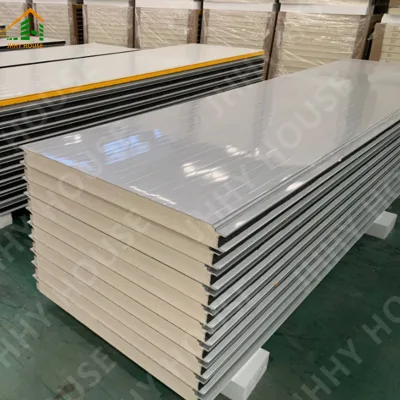
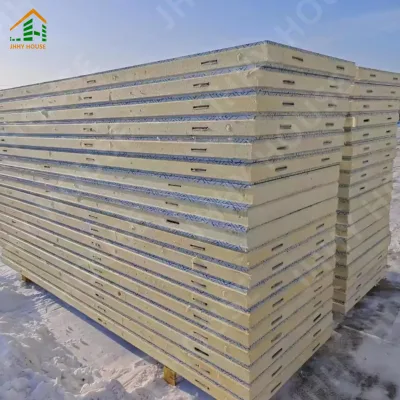
Hot Sales PU Polyurethanes Sandwich Wall Panel Heat Insulation Fireproof Material
$7.293 - $9.3769
MOQ: 100 square

SHANDONG LINGFAN TECHNOLOGY CO., LTD.
- Verified by SGS
- Trading Company
- China Shandong
- Lead time15 days
- Avg. response≤ 3h
Main productsBeverage Cooler, Walkin Cooling, Cold Room Storage, Meat Display Chiller, Feezer and Refrigerator, Supermarket Display Chiller, Islan Chest Freezer, Cold Cabinet Fridge
Main marketsSouth America,Africa,Southeast Asia/ Mideast,Europe


Insulation Wall Polyurethane Sandwich Panel Cool Room Cold Storage Panel
$5.00 - $25.00
MOQ: 100 Square Meters


Hebei Shengxiao Import and Export Trading Co., Ltd
- Verified by SGS
- Manufacturer
- China Hebei
- Lead time15 days
- Avg. response≤ 1h
Main productsPolyether Polyol, Blend Polyol, Rigid Polyol, PU Polyol


Low Density Foam Polyether Polyol Lightweight Building Insulation Panel
$1800.00 - $2200.00
MOQ: 1 Tons
Jinan Nobong New Materials Co., Ltd.
- Trading Company
- Shandong, China
- Lead time20 days
- Avg. response≤ 3h
Main productsmetal carved board,sandwich panels,wall panel,sip panels,rockwool sandwich panel
Main marketsNorth America(30.00%), Eastern Europe(15.00%), South Asia(10.00%), South America(10.00%), Oceania(10.00%), Mid East(10.00%), Southeast Asia(10.00%), Eastern Asia(5.00%)

Hangzhou Sukalp Trading Co., Ltd.
- Verified by TUVRHEINLAND
- Trading Company,Manufacturer/Factory
- China Zhejiang
- Lead time0 days
- Avg. response≤ 11h
Main productsPrepainted Steel Coil, Galvanized Steel Coil, Galvalume Steel Coil, Corrugated Steel Sheet, Metal Roofing/Wall Sheet, Sandwich Panel, Steel Strips, C & Z Purlin, Steel Pipes, Galvanized Steel Pipes

Zibo Jianda Building Material Co., Ltd.
- Verified by BV
- Trading Company
- China Shandong
- Lead time23 days
- Avg. response≤ 5h
Main productsSteel Warehouse, Ceramic Fiber Blanket, Ceramic Fiber
Main marketsSoutheast Asia/ Mideast,Domestic

Easy Installation and Fast Building Polyurethane/PU /EPS Wall Sandwich Panel
$6.80 - $14.90
MOQ: 300 Meters

High Quality PUR/PIR Foam Insulation Polyurethane Insulation Sandwich Panel
$6.80 - $14.90
MOQ: 300 Meters

High Density Professional Polyurethane /PU Sandwich Panel Construction Materials
$6.80 - $14.90
MOQ: 300 Meters
Dongguan Feixia Industry And Trade Co., Ltd.
- Verified by Intertek
- Manufacturer, Trading Company
- Lead time15 days
- Avg. response≤ 3h
Main productsCleanroom Door, Air Shower, Rolling Door, Sliding Door, FFU
Main marketsSoutheast Asia(50%), Eastern Europe(25%), Mid East(8%)

- Verified by BV
- Trading Company
- China Guangdong
- Lead time15 days
- Avg. response≤ 6h
Main productsPIR Sandwich Panels, Garage Door, Synthetic Resin Roof Tile, PUR Sandwich Panels, Rock Wool Sandwich Panels
Main marketsSouth America,Southeast Asia/ Mideast

Custom Polyurethane Waterproof Sandwich Panels for Internal and External Wall/Roof
$4.90 - $9.00
MOQ: 500 Square Meters

Hot Selling Thermal Insulation Polyester Rock Wool Sandwich Wall Panel
$4.90 - $9.00
MOQ: 500 Square Meters

$15.00 - $22.00
MOQ: 1000 Square Meters


Dong'E Dong Yuan Seven Technology Co., Ltd.
- Verified by Intertek
- Manufacturer, Trading Company
- Shandong, China
- Lead time0 days
- Avg. response≤ 2h
Main productsAluminum composite panel, Stone plastic flooring, Sandwich panel
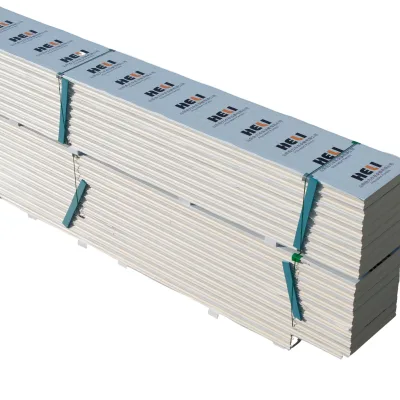
$8.80 - $9.80
MOQ: 1000 square
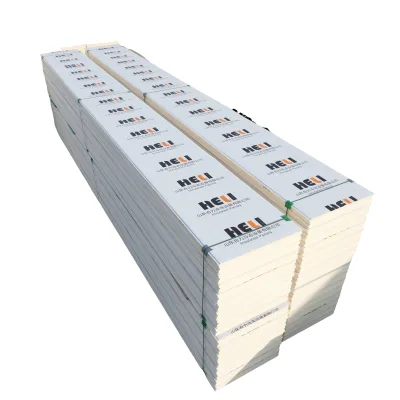
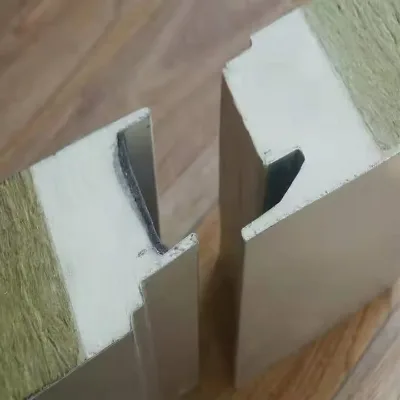
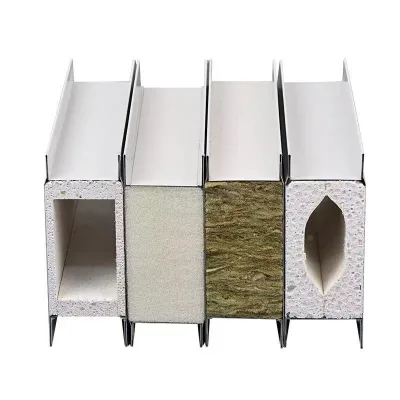

Jiangyin W. T Thermal Insulation Material Co., Ltd.
- Manufacturer/Factory
- China Jiangsu
- Lead time15 days
- Avg. response≤ 7h
Main productsAluminum Foil Fiberglass Cloth, Fiberglass Cloth, Aluminum Foil Tape, Phenolic Foam Air Duct Panel, Aluminum Foil Glass Cloth Lamination, Extruded Polystyrene, XPS Foam Board, PIR/PU Foam Air Duct Panel, Fiberglass Coating Silicone, Fiberglass Coated PU
Main marketsSouth America,Eastern Europe,Mid East,North America,Southeast Asia,Eastern Asia,Oceania,Western Europe,Africa


Sandwich Panels Waterproof Composite Foam Panels Pre Thermal Insulated Panel
$3.00 - $5.50
MOQ: 500 Square Meters

Fireproof and Waterproof Sandwich Thermal Foam Type Insulation Boards
$3.00 - $5.50
MOQ: 3000 Square Meters

Agm (tianjin) New Building Material Co., Ltd.
- Manufacturer, Trading Company
- Tianjin, China
- Lead time15 days
- Avg. response≤ 5h
Main productsThermo Siding,Thermo Roofing,WPC Decking,WPC Fence,WPC Wall Cladding
Main marketsDomestic Market(40.00%), Southeast Asia(30.00%), Mid East(20.00%), North America(10.00%)
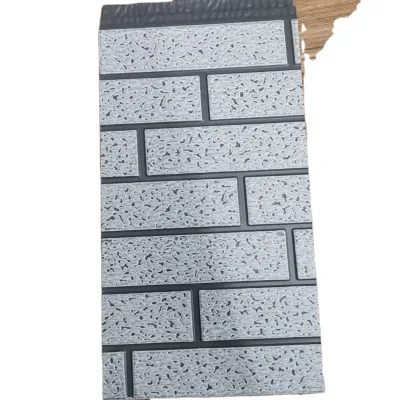
$4.19 - $4.35
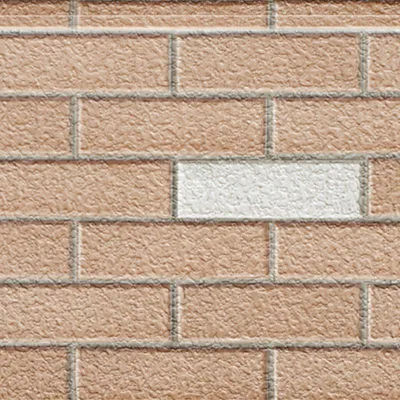
Best Selling Modern Design PU Foam Sandwich Panels for Hotels and Stylish in Turkey
$4.6406 - $7.0118
MOQ: 500 Minimum
Linyi Zhuo Zhu New Materials Co., Ltd.
- Verified by SGS Group
- Manufacturer, Trading Company
- Lead time30 days
- Avg. response≤ 2h
Main productsASA Roof Tile, Daylighting Tile, Metal Carving Board, Polycarbonate Panels, Polyester Sandwich Board
Huacheng Boyuan Hebei Building Materials Technology Co., Ltd.
- Manufacturer, Trading Company
- Hebei, China
- Lead time15 days
- Avg. response≤ 2h
Main productsPIR Cold storage panel,PU sandwich panel,Rock wool sandwich panel,Glass wool sandwich panel,Container room
Main marketsSouth America(30.00%), Oceania(20.00%), Eastern Europe(15.00%), North America(10.00%), Africa(10.00%), Southeast Asia(10.00%), Western Europe(5.00%)




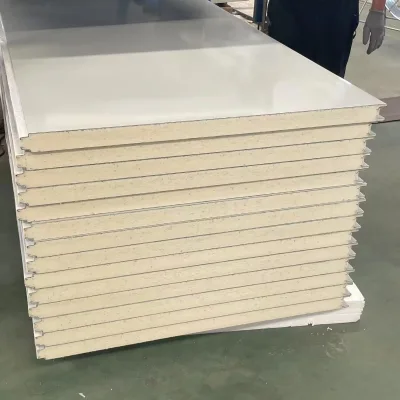
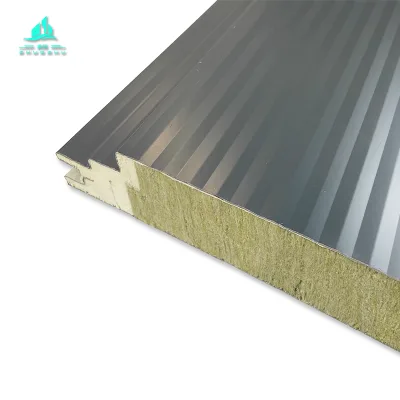
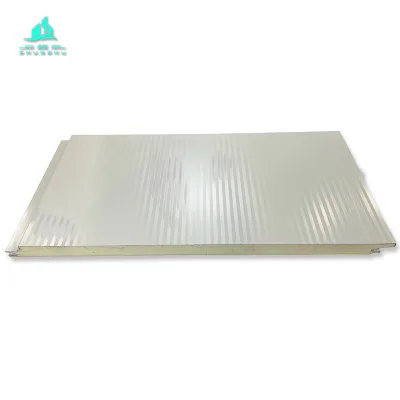
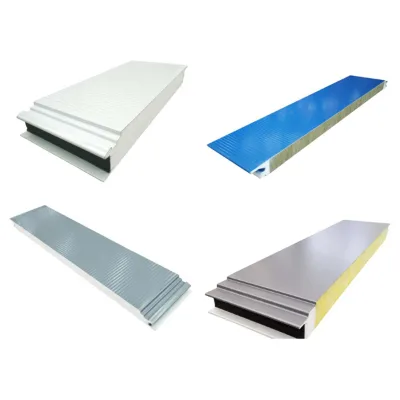
Comprehensive Sourcing Guide
Polymeric Isocyanate Polyol Sandwich Panels Supplier Concentration and Factory Types
The current supplier landscape for Polymeric Isocyanate Polyol Sandwich Panels reveals a diverse mix of manufacturing capabilities concentrated primarily in China. Evidence indicates that suppliers are located in regions such as Zhejiang, Jiangsu, and Hebei, with specific product origins noted in Hangzhou. These geographic clusters suggest established industrial zones where raw material access and logistical infrastructure support the production of insulated building materials. Buyers should recognize that these locations are not merely administrative labels but represent active manufacturing hubs where factory density influences supply chain efficiency. The presence of suppliers in multiple provinces allows for comparative assessment of regional production strengths, though buyers must verify specific factory locations rather than relying solely on provincial data.
Company types vary significantly across the available results, ranging from combined entities to pure trading companies and dedicated manufacturers. Some suppliers operate as combined firms, offering both OEM and ODM services alongside their own brands, which indicates a flexible production model capable of handling customized orders. Others are identified strictly as trading companies, which may impact direct communication with production lines and quality control processes. The distinction between a manufacturer and a trading company is critical for buyers seeking direct factory pricing or specific technical modifications. Understanding the company type helps in assessing the depth of technical support available, as manufacturers often provide more detailed engineering assistance for complex insulation requirements compared to general traders.
How to Verify Polymeric Isocyanate Polyol Sandwich Panels Suppliers
Verification of supplier credentials is a foundational step in mitigating procurement risk when sourcing Polymeric Isocyanate Polyol Sandwich Panels. Current data shows that some suppliers hold TUVRHEINLAND verification, while others have undergone Intertek checks, providing an external layer of trust regarding their business legitimacy. Additionally, system certifications such as ISO9001:2015 and ISO14001:2015 are explicitly listed for certain entities, indicating adherence to international quality and environmental management standards. Buyers should prioritize suppliers with these verifiable credentials, as they demonstrate a structured approach to production consistency and regulatory compliance. It is essential to request copies of these certificates and verify their validity through the issuing bodies, as displayed badges alone do not guarantee current operational status.
Beyond formal certifications, buyers should assess the supplier’s response time and capacity for customization as indicators of operational reliability. Response times in the current results vary, with some suppliers showing rapid engagement metrics while others have longer intervals, which can impact project timelines. The availability of customization options, such as specific panel thicknesses, widths, and core materials, is a key differentiator. Suppliers listing features like fireproof, lightweight, and environmental attributes should be asked for detailed test reports corresponding to these claims. Buyers must also verify the scope of the supplier’s main products to ensure they specialize in sandwich panels rather than offering them as a minor line item, which could affect their expertise and inventory depth.
What to Compare Across Polymeric Isocyanate Polyol Sandwich Panels Suppliers
When evaluating multiple suppliers, comparing lead times and minimum order quantities (MOQ) is crucial for aligning procurement with project schedules. Current data indicates lead times of 30 days for some suppliers and 15 days for others, highlighting significant variability in production speed. MOQs also differ, with some suppliers requiring as few as 100 units while others mandate 1000 or 300 units, which affects inventory management and cash flow. Buyers should match these constraints with their project scale, noting that lower MOQs may come with higher per-unit costs. Understanding these logistical parameters early in the selection process prevents delays and ensures that the supplier’s operational model fits the buyer’s volume requirements.
Price ranges and product specifications provide another layer for comparative analysis. Prices for sandwich panels in the current results range from approximately $1.00 to $19.90 per unit, depending on the product type, thickness, and customization level. Buyers should compare not just the base price but also the effective width and model numbers, such as Sandwich970 or PIR variants, to ensure technical compatibility. Features like fire rating, panel material, and warranty periods are also critical comparison points. Suppliers offering warranties of five years or more and specific fire ratings should be evaluated against their price points to determine overall value. This holistic comparison ensures that buyers select suppliers who offer the best balance of cost, quality, and service terms.
Common Polymeric Isocyanate Polyol Sandwich Panels Sourcing Risks
One significant risk in sourcing Polymeric Isocyanate Polyol Sandwich Panels is the potential mismatch between advertised specifications and actual product performance. Suppliers may list features such as fireproof or environmental attributes, but without independent test results, these claims remain unverified. Buyers must be cautious of generic product descriptions that lack specific technical data, such as exact thermal conductivity values or core density. The risk is compounded when suppliers are trading companies rather than manufacturers, as they may rely on secondary sources for technical information. To mitigate this, buyers should request detailed product datasheets and third-party test reports for fire resistance and insulation efficiency before committing to an order.
Another risk involves the variability in after-sales service and warranty enforcement. While some suppliers offer online technical support and warranties exceeding five years, the practical application of these services can vary. Buyers should clarify the scope of warranty coverage, including what constitutes damage versus manufacturing defects. Additionally, the risk of communication delays can impact project timelines, especially if the supplier has a slower response time. Buyers should establish clear communication protocols and define escalation paths for technical issues. Verifying the supplier’s capacity for graphic design and total project solutions is also important, as these capabilities indicate a higher level of support for complex installations.
Polymeric Isocyanate Polyol Sandwich Panels Regional Sourcing and Logistics
Sourcing from specific regions in China, such as Zhejiang, Jiangsu, and Hebei, offers logistical advantages due to established export infrastructure. Suppliers in Hangzhou, for instance, benefit from proximity to major ports, which can reduce shipping times and costs for international buyers. However, buyers must verify the exact factory location, as provincial data may not reflect the precise site of production. Logistics planning should account for the weight and volume of sandwich panels, which can be bulky and require careful packaging to prevent damage during transit. Suppliers listing customized packing options can help optimize container space, reducing overall freight expenses.
Regional sourcing also influences the availability of specific product types, such as cold room panels or purification panels. Suppliers in Jiangsu may specialize in cold room insulation, while those in Hebei might focus on general construction panels. Buyers should align their regional sourcing strategy with their specific product needs, leveraging the specialized expertise of different manufacturing clusters. Additionally, buyers should consider the impact of regional trade policies and tariffs on their total landed cost. Understanding the logistical nuances of each region allows buyers to negotiate better shipping terms and ensure timely delivery to their project sites.
Polymeric Isocyanate Polyol Sandwich Panels Commercial Terms and Order Planning
Commercial terms such as payment methods and escrow services play a vital role in securing transactions for Polymeric Isocyanate Polyol Sandwich Panels. Buyers should inquire about the availability of escrow services, which provide a secure payment mechanism until goods are received and verified. This protects buyers from fraud and ensures that suppliers fulfill their obligations before releasing funds. Additionally, buyers should clarify the terms for customized orders, including any additional costs for tooling or design changes. Suppliers offering ODM and OEM services should provide clear pricing structures for these customizations to avoid hidden fees.
Order planning must also consider the supplier’s capacity for handling large volumes and maintaining quality consistency. Suppliers with large factory areas and high employee counts may have the capacity to handle bulk orders efficiently. However, buyers should verify this capacity through site audits or third-party inspections if possible. Planning for lead times is essential, especially for projects with tight deadlines. Buyers should build buffer time into their schedules to account for potential production delays or shipping disruptions. By carefully planning commercial terms and order logistics, buyers can ensure a smooth procurement process and successful project completion.
FAQs
What is the typical lead time for sandwich panels?
Manufacturers in China generally require 15 to 30 days for production and shipping. This timeframe depends on order volume and customization needs. Some suppliers offer faster turnaround for standard items, while others may take longer for complex specifications. Buyers should confirm exact dates with the supplier before placing orders.
What certifications are available for these panels?
Common certifications include ISO9001, ISO14001, CE, and ISOCCC. These verify quality management and environmental standards. Specific fire ratings like Class 2 are also available for certain models. Buyers should request valid certificates to ensure compliance with local building codes and safety regulations for their specific project requirements.
What is the minimum order quantity for panels?
Minimum order quantities typically range from 100 to 1000 square meters. Lower MOQs are often available for standard products, while larger orders may be required for custom sizes. Suppliers in Zhejiang and Jiangsu may have different thresholds. Buyers should verify the specific MOQ with the supplier to avoid extra charges.
What is the price range for sandwich panels?
Prices generally range from $1.00 to $19.90 per square meter. Costs vary based on core material, thickness, and surface coating. Polyurethane and PIR panels have different price points. Buyers should request detailed quotes to understand how specific features and quantities affect the final cost for their project budget.
Where are these suppliers located?
Suppliers are primarily located in China, specifically in Zhejiang, Jiangsu, and Hebei provinces. Hangzhou is a common origin point for many manufacturers. These regions offer established supply chains for construction materials. Buyers can filter results by location to reduce shipping costs and improve logistics efficiency for their specific needs.
What response times can buyers expect?
Response times vary significantly, ranging from 1.47 to 21.41 hours. Faster responses often indicate more active trading companies or larger sales teams. Buyers should prioritize suppliers with quicker reply times for urgent projects. Checking recent activity helps ensure timely communication throughout the sourcing and production process.