Source Polymeric Isocyanate Polyol Sandwich Panels for Offices
Find 30 Polymeric Isocyanate Polyol Sandwich Panels from Chinese manufacturers. Compare options including EPS, PIR, and rock wool types with fire ratings and ISO9001 certification for office building applications; compare the available evidence and request quotations based on your requirements.
Updated
Key considerations
Products List

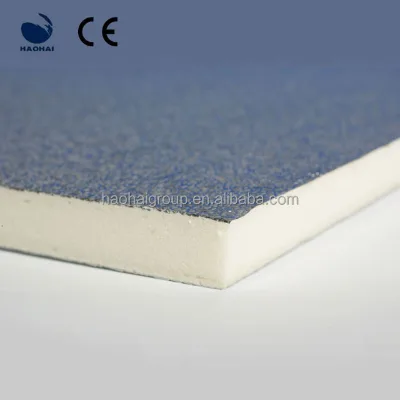
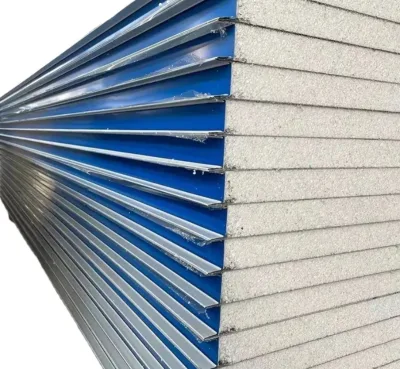
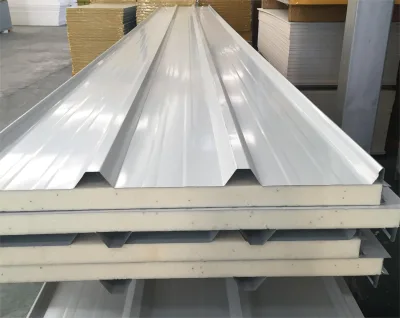
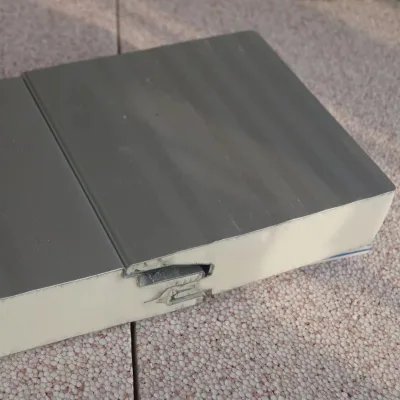
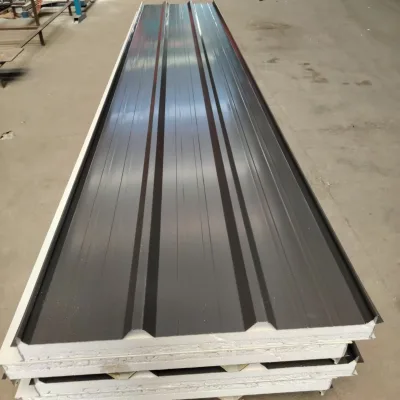
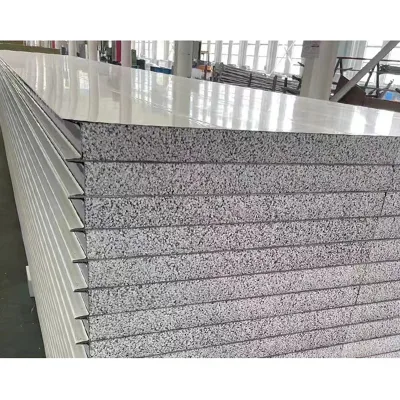
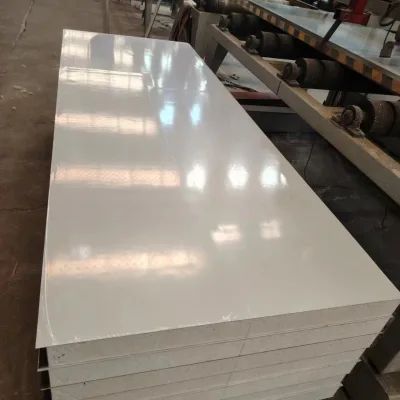

Versatile Polyisocyanurate Sandwich Panels for Custom Building Solutions
$5.90 - $19.90
MOQ: 1000 Square Meters
Jiangsu Green Bio-Environmental Protection Technology Co., Ltd.

Polyisocyanurate Core Cold Room Insulation Sandwich Panel
$5.90 - $19.90
MOQ: 1000 Square Meters
Jiangsu Green Bio-Environmental Protection Technology Co., Ltd.

Customizable Polyisocyanurate Sandwich Panels for Innovative Design Solutions
$5.90 - $19.90
MOQ: 100 Square Meters
Jiangsu Green Bio-Environmental Protection Technology Co., Ltd.
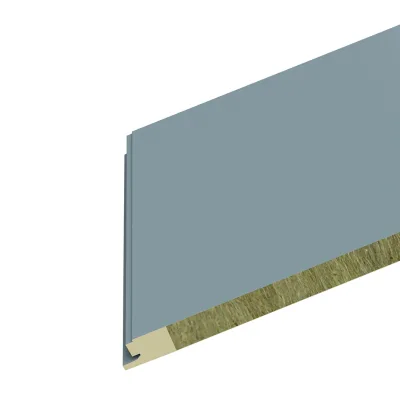
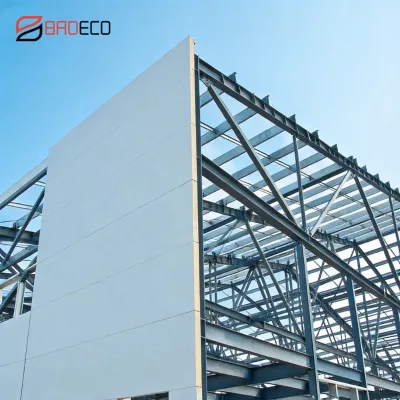

Polyisocyanurate Composite Sandwich Panel for High-Efficiency Insulation Needs
$10.00 - $100.00
MOQ: 100 Meters

Polyisocyanurate Foam Insulation Panels for Effective Cooling Systems
$10.00 - $100.00
MOQ: 100 Meters

Premium Polyisocyanurate Wall Panels for Superior Thermal Performance
$10.00 - $100.00
MOQ: 100 Pieces


Eco-Friendly Polyurethane Sandwich Panels Incorporating Rigid Foam Insulation
$1800.00 - $2500.00
MOQ: 200 kg


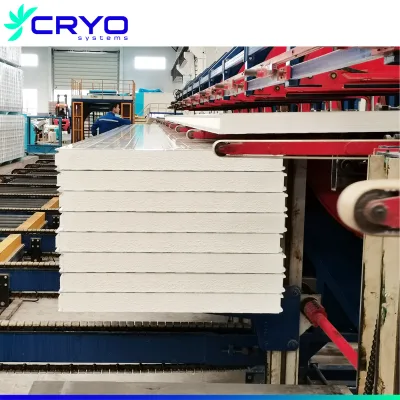
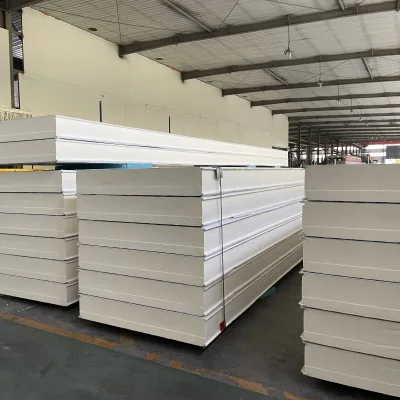
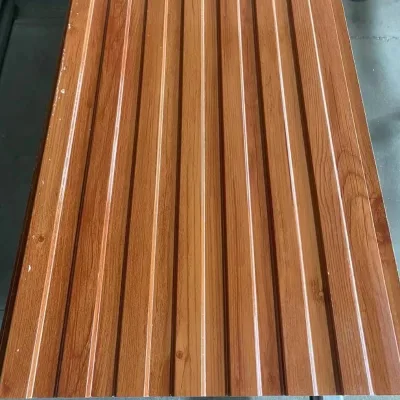


Comprehensive Sourcing Guide
Polymeric Isocyanate Polyol Sandwich Panels Sourcing Guide
Procuring Polymeric Isocyanate Polyol Sandwich Panels requires a disciplined approach to material verification and supplier alignment. These panels, often categorized under broader polyurethane or PIR sandwich panel listings, serve critical roles in modern construction where thermal efficiency and structural integrity are paramount. Buyers must navigate a market where terminology can overlap, ensuring that the specific core material matches the project’s fire safety and insulation requirements. The sourcing process begins with a clear definition of the panel’s intended use, whether for office buildings, outdoor applications, or specialized industrial facilities.
The global supply chain for these components is centered in manufacturing hubs such as Hangzhou and Hebei in China, where production capabilities are robust and diverse. Suppliers in these regions often offer customized solutions, including tailored widths and thicknesses to meet specific architectural designs. Understanding the origin of the product is essential for logistics planning, as ports like Shanghai serve as key dispatch points for international shipments. Buyers should prioritize suppliers who provide comprehensive project solutions, ensuring that the panels integrate seamlessly with other building systems and meet the overall design vision.
Product Scope and Observed Listing Signals
The product landscape for these panels is diverse, encompassing various core materials such as EPS, PIR, polyurethane, rock wool, and specialized options like siliceous rock and magnesium oxysulfide. Listings frequently highlight features such as being lightweight, fireproof, and environmentally friendly, which are critical for modern construction standards. The effective widths observed in the market typically range from 950mm to 1000mm, with model numbers like Sandwich970 or P-1150 indicating specific profile designs. Buyers should carefully review the type of panel listed, as the core material significantly impacts performance, cost, and suitability for different applications.
Customization is a prevalent feature in this sector, with suppliers offering tailored thicknesses such as 50mm, 75mm, 100mm, and 150mm to suit varying insulation needs. The ability to customize colors to specific RAL standards allows for greater aesthetic flexibility in building design. Additionally, the availability of graphic design and total project solution capabilities indicates that many suppliers are equipped to handle complex procurement requirements. Buyers should verify the specific material composition, as terms like "polymeric isocyanate polyol" may refer to the chemical basis of the polyurethane or PIR core, which differs from mineral-based cores like rock wool.
Technical Specifications to Verify
Technical verification is crucial to ensure that the panels meet the structural and thermal requirements of the project. Buyers must confirm the core material, as options range from polyurethane and PIR to rock wool and other specialized composites. The thickness of the panel directly influences its thermal resistance and structural strength, so it is essential to match the specified thickness with the project’s energy efficiency goals. Additionally, the effective width of the panel, often standardized at 950mm, 965mm, 970mm, or 1000mm, affects the installation process and the overall coverage area, making precise specification vital for accurate quantity ordering.
Fire rating is another critical technical attribute that must be verified, with some panels offering a fire rating of 2, which may correspond to specific safety standards. The material composition, including the use of steel facings and various core materials, determines the panel’s durability and resistance to environmental factors. Buyers should also consider the single gross weight and packaging details, such as 1*10 per package, to plan for efficient handling and storage on-site. Ensuring that the panel’s design style, whether modern or contemporary, aligns with the architectural intent is also important for aesthetic consistency.
Compliance and Safety Documentation
Compliance with international standards is a key requirement for sourcing sandwich panels, particularly for projects in regulated markets. Certifications such as ISO9001 and CE are commonly cited by suppliers, indicating adherence to quality management and European conformity standards. Buyers should request documentation to verify these certifications, ensuring that the manufacturing process meets recognized quality benchmarks. Additionally, standards like EN 14509 and EN 13501-1 are relevant for evaluating the performance and fire safety of building products, although specific compliance status should be confirmed with the supplier.
Safety documentation should also include details on the fire rating and material safety data sheets, which provide information on the chemical composition and handling requirements. The warranty period, which can range from more than 5 years to lifetime coverage, offers insight into the supplier’s confidence in their product’s durability. Buyers should ensure that the warranty terms are clearly defined and cover both material defects and performance issues. Verifying the after-sale service options, such as online technical support and return policies, is also essential for managing any potential issues that may arise during or after installation.
Cost Drivers and Commercial Terms
The cost of Polymeric Isocyanate Polyol Sandwich Panels is influenced by several factors, including the core material, thickness, and customization requirements. Prices in the market can vary significantly, ranging from low-cost options to premium products with specialized features. The minimum order quantity (MOQ) typically ranges from 1 to 1000 units, allowing for flexibility in procurement for both small and large projects. Buyers should consider the supply ability of the supplier, with some capable of producing up to 10,000 meters per day, which can impact lead times and project scheduling.
Commercial terms such as packaging details and port of dispatch are also important considerations for total cost of ownership. The packaging, often specified as 1*10 per package, affects the efficiency of loading and unloading at the destination. The port of dispatch, commonly Shanghai, influences shipping costs and transit times to various global destinations. Buyers should negotiate clear terms regarding payment, delivery, and liability to mitigate risks associated with international trade. Understanding the selling units and single item pricing helps in budgeting accurately and comparing offers from different suppliers.
Supplier Qualification and Quality Control
Supplier qualification is a critical step in ensuring the reliability and consistency of the sandwich panels supplied. Buyers should assess the supplier’s brand reputation, with names like Haohai and Huiyue appearing in the market, indicating established players in the industry. The supplier’s project solution capability, including graphic design and cross-category consolidation, suggests a level of service that can simplify the procurement process. Verifying the supplier’s production facilities and quality control processes is essential to ensure that the panels meet the specified technical and safety standards.
Quality control measures should include regular inspections and testing of the panels to verify their performance characteristics. Buyers should request samples for evaluation before placing large orders, allowing for a thorough assessment of the material quality and finish. The supplier’s ability to provide online technical support and other after-sale services is also an indicator of their commitment to customer satisfaction. Establishing a clear communication channel with the supplier ensures that any issues can be addressed promptly, minimizing disruptions to the project timeline.
Long-Term Procurement Checks
Long-term procurement checks involve monitoring the performance of the panels after installation to ensure they meet the expected standards. Buyers should track any issues related to durability, thermal performance, or fire safety, and compare them against the warranty terms provided by the supplier. Regular reviews of the supplier’s performance, including delivery times and product consistency, help in maintaining a reliable supply chain. This ongoing evaluation allows for adjustments in procurement strategies and strengthens the relationship with trusted suppliers.
Additionally, staying informed about changes in industry standards and regulations is crucial for ensuring continued compliance. Buyers should periodically verify that their suppliers maintain their certifications, such as ISO9001 and CE, and adhere to the latest safety and quality guidelines. Engaging in continuous dialogue with suppliers about new product developments and improvements can lead to better solutions for future projects. By maintaining a proactive approach to procurement, buyers can ensure that their buildings remain safe, efficient, and compliant with evolving industry requirements.
FAQs
What core materials are used in Polymeric Isocyanate Polyol Sandwich Panels?
These sandwich panels typically combine steel facings with insulating cores such as polyurethane, PIR, EPS, phenolic, rock wool, or XPS. The polymeric isocyanate polyol chemistry produces the rigid polyurethane or PIR foam core that provides thermal insulation. Listings on this page show metal panel materials with core options including rock wool, magnesium oxysulfide, and glassy magnesium, so buyers can select based on fire and insulation needs.
Can the panel thickness and size be customized for my project?
Yes, customization is available on the listed panels. Common thickness options include 50mm, 75mm, 100mm, and 150mm, with other customized thicknesses supported. Effective widths are commonly 950mm, 965mm, 970mm, 1000mm, or 1150mm, and model numbers such as P-1150 and 950/1150 reflect these sizes. Length, color in customized RAL colors, and overall dimensions can also be specified, so share project drawings when requesting quotes.
How do PIR panels differ from polyurethane sandwich panels?
Both use polymeric isocyanate polyol based foam chemistry, but PIR formulations have a higher isocyanate index, which generally gives better fire performance and higher temperature resistance than standard polyurethane. Polyurethane foam focuses more on thermal insulation value and cost efficiency. Panels on this page list both types together with EPS, phenolic, rock wool, and XIR related options, so confirm the fire rating requirements for your building application before choosing.
Which certifications should I verify before ordering these panels?
Listed products on this page reference ISO9001 and CE certification, which relate to quality management and product conformity. Ask each supplier for current certificate copies matching the exact panel type, thickness, and core material you plan to order. Also request fire rating documentation, since fire behavior depends on the core material and facing combination. Independent testing reports for thermal performance and mechanical strength are practical additions to request.
How are the sandwich panels packaged and shipped?
Packaging on listed products is described as 1*10 per package, with panels supplied as single items and customized package sizes supported. Dispatch is available through the port of Shanghai for panels originating from Hangzhou, China, while other listings originate from Hebei, China. Confirm packing configuration, container loading quantity, and protective wrapping with the supplier before shipment, since panel length and thickness affect how many units fit per container.
What is the production capacity and delivery expectation?
One listed product states a supply ability of 10000 meters per day, which indicates high-volume production capability for standard panel models. Actual lead times depend on customization level, order quantity, and destination port, so request a written production schedule with your purchase order. When comparing quotes, confirm whether quoted prices include packaging, loading, and documentation, and clarify after-sale support such as online technical support or return and replacement terms.
Which applications are these panels suitable for?
The listed panels are positioned for office building applications and outdoor use, with a modern or contemporary design style. Polyurethane and PIR cored panels suit roof and wall cladding where thermal insulation matters, while rock wool and magnesium based cores are chosen where fire performance is a priority. Effective widths of 950mm to 1150mm suit standard steel structure framing, and easy installation is cited as an advantage of the panel system.
Can I order a small quantity or sample before a bulk purchase?
Yes, minimum order quantities on this page range from 1 to 1000, so small trial orders or sample panels are possible from some listings. Ordering samples lets you verify panel thickness, facing steel quality, core density, and RAL color match before committing to volume. Keep in mind that customized sizes, colors, or core materials may carry different MOQs and pricing, so confirm these terms in writing with each supplier.