Source uv-curable epoxy acrylate resin for printing, woodworking, and adhesives
Compare 29 listings of uv-curable epoxy acrylate resin from verified Chinese suppliers. Buyers can evaluate specifications like viscosity, purity, and packaging options for printing, woodworking, and adhesive applications. Explore clear liquid resins with ISO9001:2005 certification available in various drum sizes and package weights for diverse industrial needs.
Updated
Key considerations
Products List






Comprehensive Sourcing Guide
UV-Curable Epoxy Acrylate Resin Sourcing Guide
Procuring UV-curable epoxy acrylate resin requires a disciplined approach to verifying material performance and supplier reliability. This guide synthesizes observed market data to help buyers navigate the complexities of sourcing synthetic resins for industrial applications. By focusing on verified attributes and commercial realities, purchasers can mitigate risks associated with inconsistent product quality and unclear supply chain terms.
The following sections provide a structured framework for evaluating potential suppliers and products. Each segment addresses critical decision points, from technical specification verification to long-term quality assurance. Buyers should use this information to develop robust procurement strategies that align with their specific manufacturing needs and regulatory requirements.
Product Scope and Observed Listing Signals
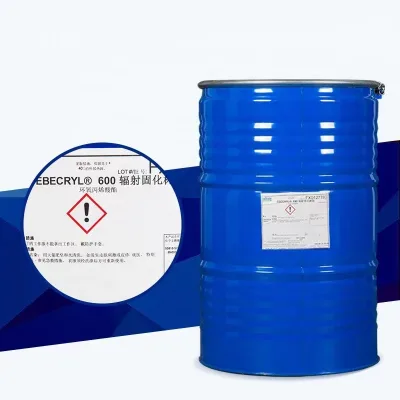
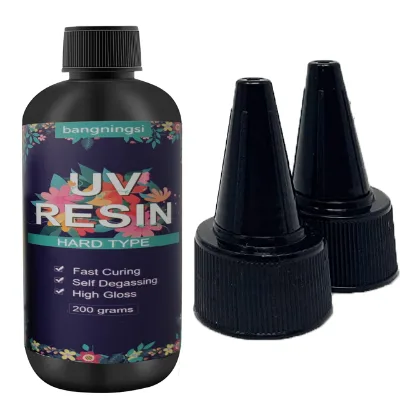
Market listings for UV-curable epoxy acrylate resin reveal a diverse range of product types, primarily categorized under synthetic resins and plastics. Observed product names include specific formulations like EBECRYL 600 and generic descriptors such as UV resin or acrylic polymer. These variations indicate that buyers must carefully distinguish between specialized epoxy acrylate systems and broader adhesive categories to ensure material compatibility with their curing processes.
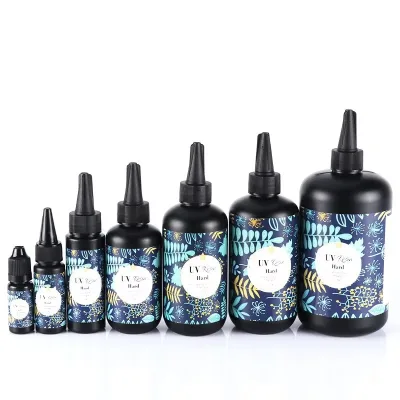
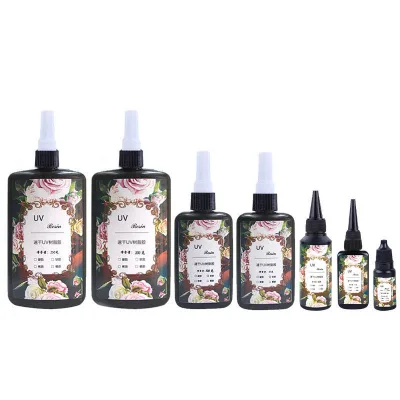
Packaging and unit specifications vary significantly across suppliers, reflecting different operational scales. Common packaging formats include steel barrels, drums, and buckets, with standard capacities ranging from 20KG to 200KG. Some listings offer smaller sample sizes like 10g to 1kg, facilitating initial testing. Buyers should note that single gross weights and package dimensions differ, impacting logistics planning and storage requirements for bulk procurement operations.
Technical Specifications to Verify
Technical verification is paramount when sourcing UV-curable resins, as performance depends on precise chemical properties. Key attributes to confirm include purity levels, which are often cited at 99%, and viscosity ranges that can span from 10,000 to 20,000 cP. Buyers must also verify the molecular principal chain structure, distinguishing between element organic polymers and carbon chain polymers, as this influences curing speed and final film properties.
Additional critical parameters include acid value, color Gardner scale readings, and efficient content percentages. For instance, some products list an acid value of 13 and a Gardner color of 1, indicating high clarity and low impurity. The main raw material is typically epoxy, but buyers should confirm the exact molecular formula and CAS number, such as 38891-59-7, to ensure traceability and consistency in their formulation processes.
Compliance and Safety Documentation
Regulatory compliance is a non-negotiable aspect of resin procurement, requiring thorough documentation review. Buyers should request certifications such as ISO9001:2005 to verify the supplier’s quality management systems. While some background data mentions ISO 9001 or REACH, these should be treated as general indicators rather than confirmed statuses for specific batches. Always demand current, valid certificates directly from the supplier to ensure adherence to international standards.
Safety data sheets (SDS) and EINECS numbers are essential for handling and regulatory reporting. The presence of an EINECS number, like 231-072-3, aids in chemical identification and regulatory compliance within specific jurisdictions. Buyers must ensure that all supplied documentation aligns with local environmental and safety regulations, particularly regarding the handling of epoxy-based materials and their potential impact on workplace safety.
Cost Drivers and Commercial Terms
Pricing for UV-curable epoxy acrylate resin is influenced by multiple factors, including packaging size, purity, and order volume. Observed price ranges in the market span from approximately 0.9 to 20.72 USD, reflecting significant variation based on product grade and supplier positioning. Buyers should analyze cost per unit weight rather than absolute price to accurately compare offerings from different manufacturers and assess true value.
Minimum order quantities (MOQ) and supply ability are critical commercial terms that affect procurement flexibility. MOQs can range from small quantities like 10 pieces to larger bulk orders of 1000 units. Suppliers may advertise supply abilities of up to 50,000 kilograms per week, indicating robust production capacity. Buyers should negotiate terms that balance inventory costs with supply security, considering lead times and port of dispatch options like Shenzhen or Shanghai.
Supplier Qualification and Quality Control
Evaluating supplier qualifications involves assessing their production capabilities and quality control measures. Buyers should verify the place of origin, with many suppliers located in Guangdong, China, a hub for chemical manufacturing. Customization availability is a key differentiator, allowing buyers to tailor resin properties to specific application needs. Suppliers offering customization should demonstrate clear processes for managing formulation changes and maintaining consistency.
Quality control protocols must be rigorously tested before large-scale adoption. Buyers should request samples to verify appearance, such as clear liquid consistency, and test curing performance under their specific UV equipment. Shelf life, often cited as 24 months, is a critical factor for inventory management. Establishing clear acceptance criteria for viscosity, color, and purity ensures that incoming materials meet the required standards for production efficiency and final product quality.
Long-Term Procurement Checks
Sustaining a reliable supply chain requires ongoing monitoring of supplier performance and product consistency. Buyers should implement regular audits of supplier quality systems and review certification renewals to ensure continuous compliance. Tracking batch-to-batch variations in key attributes like acid value and viscosity helps identify potential drifts in material quality that could impact manufacturing processes.
Long-term partnerships should be built on transparent communication and mutual growth. Buyers should engage suppliers in continuous improvement initiatives, leveraging their expertise in resin formulation to optimize performance. Regularly reviewing commercial terms, including pricing trends and supply ability, allows for proactive adjustments to procurement strategies. This disciplined approach ensures that the sourcing of UV-curable epoxy acrylate resin remains cost-effective, compliant, and aligned with evolving business needs.
FAQs
What is the purity of the EBECRYL 600 resin?
The EBECRYL 600 epoxy acrylate UV curable resin has a purity of 99%. This high-purity synthetic resin is designed for the printing industry and other applications requiring consistent chemical performance. It is supplied as a clear liquid with an efficient content of 100 percent, ensuring reliable curing results in various industrial processes.
How is the UV resin packaged for shipment?
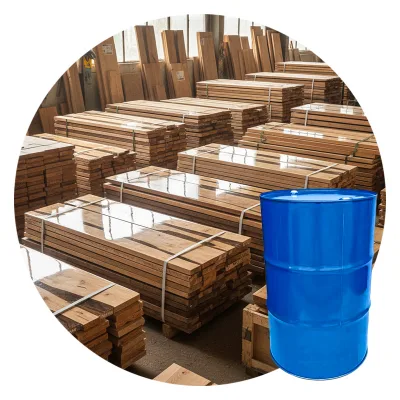
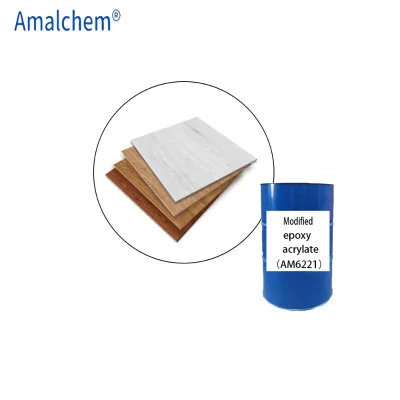
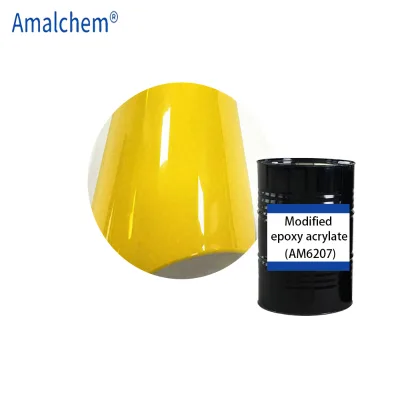
The product is packaged in 200kg steel barrels, with four barrels placed on each pallet. Alternative packaging options include drums and buckets, with standards ranging from 20kg to 200kg containers. This flexible packaging ensures safe transport and storage for the clear liquid resin, accommodating different logistical requirements for bulk industrial orders.
Can the resin be customized for specific needs?
Yes, customization is available for this UV curable resin. Buyers can request specific modifications to meet unique application requirements. The product supports various model numbers such as HE421S and CR90426, allowing for tailored solutions. This flexibility ensures that the resin can be adapted to different industrial processes and performance expectations.
What is the shelf life of the UV resin?
The UV resin has a shelf life of 24 months when stored properly. This duration ensures product stability and performance over time. The clear liquid maintains its viscosity and curing properties within this period. Buyers should follow recommended storage conditions to preserve the resin's quality and ensure optimal results when used in printing or adhesive applications.
Where is the UV resin manufactured?
The UV resin is manufactured in China, with specific origins noted in Guangdong. Products are dispatched from major ports including Shenzhen, Guangzhou, and Shanghai. This location facilitates efficient global shipping and logistics. The manufacturing base supports a supply ability of 50,000 kilograms per week, ensuring consistent availability for international buyers and large-scale industrial projects.
What certifications does the resin supplier hold?
The supplier holds ISO9001:2005 certification for quality management. This standard ensures consistent production processes and product reliability. The certification covers the manufacturing of synthetic resins and plastics, including the UV-Curable Epoxy Acrylate Resin. Buyers can rely on this quality assurance for industrial applications requiring standardized and verified chemical products for printing and adhesive uses.