Source Flat Feet Orthopedic Insoles for Running, Walking, and Work
Explore 30 listings of Flat Feet Orthopedic Insoles designed for arch support and comfort. Buyers can compare materials like EVA and PU, sizes ranging from S to L, and customization options from verified Chinese manufacturers offering OEM services.
Key considerations
Products List
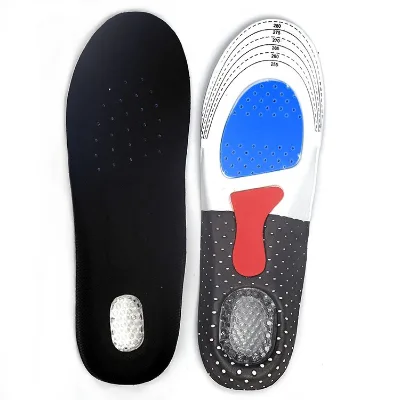
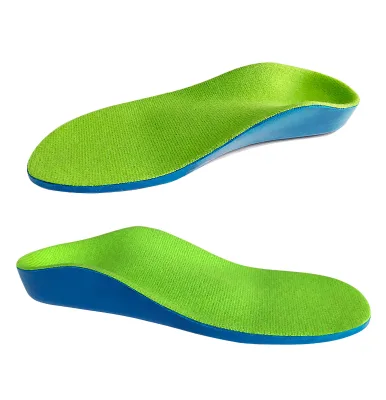


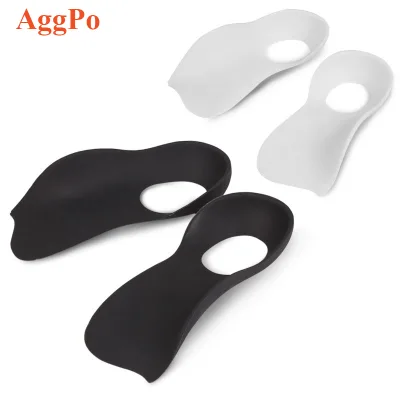
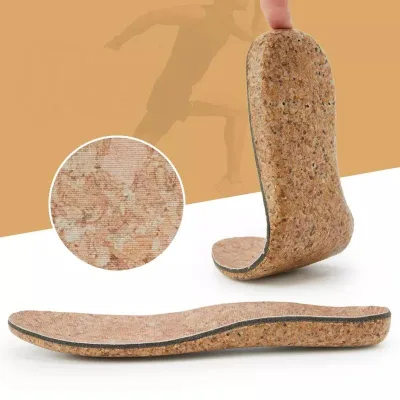
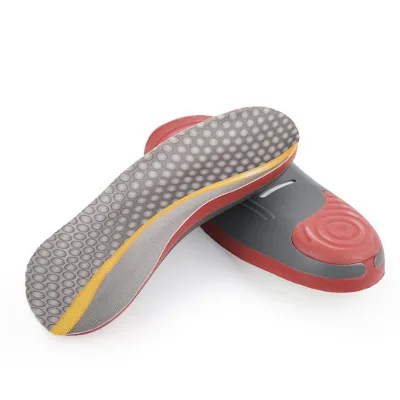
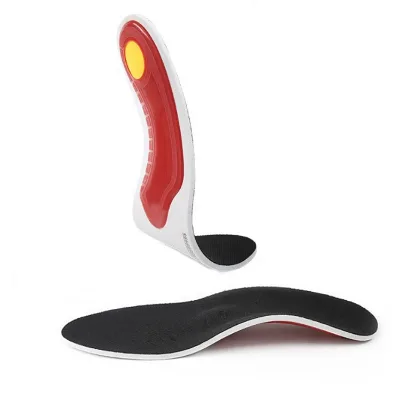


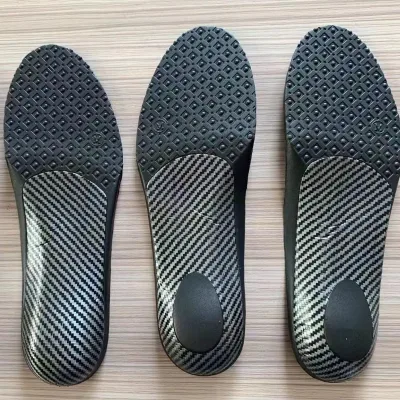
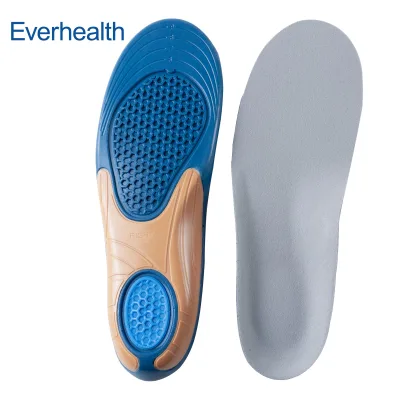
Comprehensive Sourcing Guide
Strategic Sourcing Guide for Flat Feet Orthopedic Insoles
Understanding Product Specifications and Material Composition
When sourcing orthopedic insoles specifically designed for flat feet, the primary objective is to identify products that offer structural integrity and targeted arch support. The market presents a variety of configurations, but the core technical specifications must align with biomechanical needs. Based on available product data, the most prevalent material used in these devices is Ethylene-Vinyl Acetate (EVA). This material is favored for its lightweight nature and shock-absorbing capabilities, which are critical for reducing impact on the feet during high-activity scenarios. However, alternative formulations exist, such as combinations of Polyurethane (PU) and velvet. The inclusion of velvet often suggests a focus on comfort and moisture management within the inner lining, while the PU component provides the necessary structural rigidity to maintain the arch shape over time.
Size specifications are equally critical in the procurement of flat feet insoles. The data indicates a diverse range of sizing standards, including specific centimeter measurements (14-25cm) and European shoe sizes (S: 35-40, L: 40-46). Some listings also provide granular sizing from 14cm up to 25cm, alongside specific EUR ranges like 39-41 and 42-44. Buyers must verify that the supplier's size chart correlates accurately with the end-user's footwear dimensions. The physical dimensions of the single package also vary, with observed sizes ranging from 26x7x4 cm to 30x12x5 cm, which impacts logistics planning and storage density. Furthermore, the gross weight per unit is a key factor for shipping cost calculations, with observed weights ranging from 0.070 kg to 0.100 kg per single package.
Compliance, Certification, and Regulatory Standards
For medical and orthopedic devices, compliance is not merely a formality but a prerequisite for market entry and liability protection. The supplied product information explicitly references CE and ISO certifications. These designations are vital indicators that the manufacturer adheres to specific European and international standards regarding quality management and product safety. When evaluating potential suppliers, buyers should request valid certificates of conformity for these standards. The presence of CE marking suggests compliance with the European Union's health, safety, and environmental protection standards, while ISO certification typically points to adherence to quality management systems (such as ISO 9001) or specific medical device standards.
It is important to note that while the data lists these certifications, the specific scope of the certification must be verified. Not all certifications cover the entire manufacturing process or every product variant. Buyers should ensure that the certification applies specifically to the orthopedic insole model being procured. Additionally, the product attributes list "Properties" as "Implant Materials & Artificial Organs" and "Type" as "Contact Artificial Organs." This classification implies that the product is intended for direct, prolonged contact with the human body, necessitating rigorous biocompatibility testing. Procurement teams must verify that the materials used, whether EVA, PU, or velvet, meet the relevant biocompatibility standards for skin contact. The absence of specific test data in the general listing means that buyers must request batch-specific test reports to confirm that the materials do not cause allergic reactions or skin irritation.
Cost Drivers and Pricing Structures
The pricing landscape for orthopedic insoles is influenced by several variables, including material quality, customization levels, and order volume. The observed price range in the market spans from $0.66 to $60 per unit. This significant variance reflects the difference between basic, non-customized insoles and premium, highly engineered orthotic solutions. The lower end of the spectrum likely corresponds to standard EVA or PU insoles with minimal customization, while the higher end may include advanced ergonomic designs, specialized materials, or extensive branding services.
Minimum Order Quantity (MOQ) is another critical cost driver. The data indicates an MOQ range of 1 to 2000 units, with a specific observation of 10 pairs as a common threshold. For buyers testing the market or requiring small batches for specific clinics, a low MOQ is advantageous. However, larger orders typically benefit from economies of scale, reducing the per-unit cost. The payment terms observed include TT (Telegraphic Transfer), PayPal, and Trade Assurance. Trade Assurance is particularly valuable for international procurement as it offers a layer of financial protection, ensuring that funds are only released upon satisfactory delivery of goods. Buyers should negotiate payment terms that align with their cash flow while mitigating risk, especially when dealing with suppliers from China, which is the primary place of origin for these products.
Typical Applications and Functional Attributes
Orthopedic insoles for flat feet serve multiple functional roles beyond simple cushioning. The primary function identified is "Arch support orthotic," which is essential for correcting overpronation and providing stability to the foot. These insoles are designed to distribute pressure evenly across the foot, reducing strain on the ankles, knees, and hips. The product attributes specify usage in both indoor and outdoor environments, indicating versatility for daily wear, sports, and occupational settings. The "Non-Tilted" and "Non-Folding" attributes suggest that these are rigid or semi-rigid structures intended to maintain their shape under load, rather than flexible inserts that might collapse under the weight of the user.
The target demographic includes unisex users, making these products suitable for a broad range of applications from pediatric orthotics to adult athletic support. The "Sports Insoles" and "Arch Supports" categorizations highlight their utility in high-impact activities where foot stability is paramount. For athletes, the shock absorption provided by EVA or PU materials can prevent injuries related to repetitive impact. In a medical context, these insoles are used as part of a conservative treatment plan for flat feet, helping to alleviate pain and improve gait mechanics. The "Customized Logo Accept" and "Do Custom Service" attributes indicate that these products can be tailored for specific brands or medical institutions, allowing for private labeling and integration into existing product lines.
Supplier Evaluation and Service Capabilities
Selecting the right supplier requires a thorough evaluation of their service capabilities and operational flexibility. The data highlights that suppliers offer OEM (Original Equipment Manufacturer) and ODM (Original Design Manufacturer) services. This means buyers can either have products manufactured to their exact specifications or leverage the supplier's existing designs with custom branding. The availability of "Customized Logo" and "Customized" services suggests a high degree of flexibility in branding and packaging. Buyers should assess the supplier's capacity to handle custom requests, including the ability to modify materials, sizes, and packaging to meet specific market requirements.
The sample time is a critical metric for supplier reliability, with an observed range of 3 to 7 working days. This indicates a responsive supply chain capable of delivering prototypes quickly for evaluation. However, buyers should clarify whether the sample time includes design approval or if it is purely for manufacturing. The "Sample: Provided" attribute confirms that suppliers are willing to send samples, which is essential for quality verification before committing to a large order. Additionally, the packaging options, ranging from polybags to export cartons or customized single packing, allow buyers to choose the most cost-effective and protective shipping method. The "Single gross weight" and "Single package size" data are crucial for calculating freight costs and determining the optimal shipping method, whether by air or sea.
Quality Control and Long-Term Procurement Considerations
Maintaining consistent quality is paramount when sourcing medical devices. The "Condition: New" attribute confirms that products are manufactured fresh, but buyers must implement a robust quality control (QC) protocol. This includes verifying the consistency of material composition, ensuring that the arch support dimensions match the design specifications, and checking for defects in the velvet or PU linings. The "Customized: Non-Customized" and "Customized: Customized" attributes suggest that buyers need to clearly define their requirements to avoid ambiguity in the final product. For custom orders, a pre-production sample approval process is essential to ensure that the final mass-produced items meet the agreed-upon standards.
Long-term procurement considerations involve building a sustainable relationship with the supplier. The "Service: OEM ODM" and "Service: ODM OEM Service" attributes indicate that suppliers are open to ongoing partnerships. Buyers should evaluate the supplier's ability to scale production as demand grows, ensuring that lead times and quality remain consistent. The "Payment Term: TT Paypal Trade Assurance" offers a secure framework for transactions, but buyers should also consider the supplier's financial stability and production capacity to avoid disruptions. Finally, the "Using Ambient: Indoor,Outdoor" specification requires that the insoles be durable enough to withstand various environmental conditions, including humidity and temperature changes. Regular audits and quality checks should be part of the long-term strategy to ensure that the products continue to meet the needs of end-users and regulatory requirements.
| Feature Category | Observed Specification | Procurement Consideration |
|---|---|---|
| Material | EVA, PU+velvet | Verify biocompatibility and durability for intended use. |
| Size Range | 14-25cm, EUR 35-46 | Ensure size chart matches target demographic footwear. |
| Certification | CE, ISO | Request valid certificates and scope of coverage. |
| MOQ | 1-2000, specifically 10 pairs | Negotiate based on volume to optimize unit cost. |
| Sample Time | 3-7 Working Days | Confirm if design approval is included in this timeline. |
| Packaging | Polybag, Export Carton, Custom | Select based on shipping cost and branding needs. |
| Service | OEM, ODM, Custom Logo | Define scope of customization clearly in contracts. |
| Origin | China | Factor in logistics, tariffs, and lead time variability. |
In conclusion, sourcing Flat Feet Orthopedic Insoles requires a meticulous approach that balances technical specifications, regulatory compliance, and supplier capabilities. By leveraging the observed data on materials, sizes, and certifications, buyers can make informed decisions that ensure product quality and market success. The flexibility offered by OEM and ODM services, combined with the availability of various material options, provides a robust foundation for developing a competitive product line. However, the ultimate success of the procurement strategy depends on rigorous quality control, clear communication of requirements, and the establishment of a reliable supply chain partnership.
FAQs
What materials are used for Flat Feet Orthopedic Insoles?
The primary materials observed are EVA and a combination of PU with velvet. EVA is favored for its lightweight shock absorption, while the PU and velvet mix offers structural rigidity and comfort. Buyers should verify biocompatibility for skin contact.
Which certifications are available for these orthopedic insoles?
Products are listed with CE and ISO certifications. These indicate compliance with European safety standards and international quality management systems. Buyers must request valid certificates to confirm the specific scope covers the orthopedic insole model being procured.
Can suppliers provide custom branding and packaging for orders?
Yes, suppliers offer OEM and ODM services with customized logo acceptance. Packaging options include polybags, export cartons, or customized single packing. Buyers should clearly define customization requirements to avoid ambiguity in the final product specifications.
How do I determine the correct size for flat feet insoles?
Sizes are available in centimeters ranging from 14 to 25cm and EUR sizes from 35 to 46. Some listings provide granular steps from 14cm up to 25cm. Buyers must verify that the supplier's size chart correlates accurately with the end-user's footwear dimensions.
What is the typical minimum order quantity for these insoles?
The observed MOQ range spans from 1 to 2000 units, with 10 pairs being a common threshold. Lower MOQs are suitable for market testing, while larger orders benefit from economies of scale. Buyers should negotiate based on volume to optimize unit costs.
How long does it take to receive samples from suppliers?
Sample time is typically 3 to 7 working days. This indicates a responsive supply chain capable of delivering prototypes quickly for evaluation. Buyers should clarify whether this timeline includes design approval or is purely for manufacturing the sample unit.
Which payment terms are accepted for sourcing these insoles?
Accepted payment terms include TT, PayPal, and Trade Assurance. Trade Assurance offers financial protection by ensuring funds are released only upon satisfactory delivery. Buyers should negotiate terms that align with their cash flow while mitigating risk during international procurement.