Source Flat UL Certified Speaker Wire for Audio Systems
Find 30 Flat UL Certified Speaker Wire options for home theater, studio monitoring, and DIY audio projects. Compare 2-core stranded copper conductors in 100m or 200m rolls with PVC insulation and RoHS compliance; compare the available evidence and request quotations based on your requirements.
Key considerations
Products List
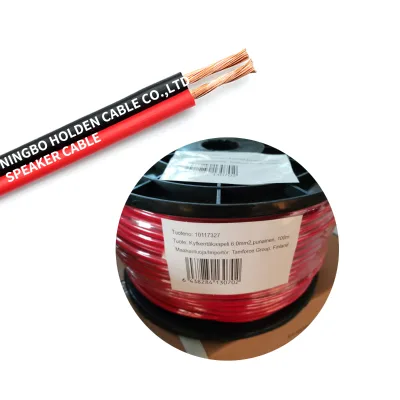
Flat Wired Computer Speakers Cable Speaker Wire Multi Core Audio Speaker Wire
$0.12 - $0.72
MOQ: 10000 Minimum


UL2468 2pin Speaker Wire 20 AWG 2 Conductors Black and Red-3 Flat Ribbon Wire
$0.03 - $0.35
MOQ: 305 Meters


Flexible UL2468 26AWG 2 Conductor Speaker Wire Tinned Copper Flat Cable Wire
$0.02 - $0.10
MOQ: 5000 Meters

Comprehensive Sourcing Guide
Flat UL Certified Speaker Wire Sourcing Guide
Buyers seeking Flat UL Certified Speaker Wire must first distinguish between general audio cables and those specifically engineered for in-wall or concealed installations. The observed market data indicates a strong presence of flat wire configurations designed for speaker applications, often featuring bare copper or CCA conductors within PVC insulation. While some listings explicitly mention HDMI or LAN applications, the core requirement for speaker wire sourcing remains the verification of conductor material and insulation integrity to ensure signal fidelity and safety compliance.
Procurement teams should prioritize suppliers who offer customization options for wire gauge and length, as the observed product range includes specific models like 14awg through 22awg and lengths up to 200 meters. The availability of flat wire shapes alongside round wire options suggests a diverse supply chain capable of meeting varied installation constraints. However, buyers must carefully cross-reference the "UL certified" claim against the actual certification documents provided, as the supplied facts list RoHS, CE, and ISO standards but do not universally confirm UL listing for every flat wire variant observed in the market.
Product Scope and Observed Listing Signals
The current market inventory for flat speaker wire reveals a mix of applications ranging from standard home audio setups to specialized security systems and underground installations. Listings frequently describe products with transparent or colored PVC jackets, often available in full transparent or one-side colored strip configurations. This variety allows buyers to select cables that match aesthetic requirements for visible runs while maintaining the necessary electrical properties for speaker connections in DVD players or local communication setups.
When evaluating product listings, buyers should note the significant variation in packing formats, which include 100m rolls, 200m rolls, and drum options up to 305 meters. The observed MOQs range widely from 30 units to 10,000 units, indicating that the supply chain accommodates both small-scale projects and large industrial deployments. It is critical to verify that the specific flat wire model selected matches the intended application, as some products are explicitly categorized for underground use or refractory environments, which may require different insulation properties than standard indoor speaker wiring.
Technical Specifications to Verify
Technical due diligence must begin with the conductor material, as the observed data highlights a split between bare copper wire and Copper Clad Aluminum (CCA) options. For high-fidelity audio applications, bare copper is generally preferred for its superior conductivity, whereas CCA may be suitable for shorter runs or cost-sensitive projects. Buyers should explicitly request the conductor type specification for each order, ensuring that stranded conductors are used to maintain flexibility in flat wire designs, which is essential for navigating corners and tight spaces during installation.
Insulation and jacket specifications are equally critical, with the market offering both full transparent and non-transparent PVC options. The presence of colored strips on some transparent jackets aids in identifying polarity, a vital feature for proper speaker wiring. Procurement teams must verify the wire gauge, as the observed models range from 14awg to 22awg, directly impacting the current carrying capacity and signal loss over distance. Confirming the exact material shape, whether flat or round, and the specific PVC formulation ensures the cable meets the mechanical and electrical demands of the intended installation environment.
Compliance and Safety Documentation
Safety compliance is paramount when sourcing speaker wire, particularly for installations that may be concealed within walls or ceilings. The observed product data lists multiple certifications including RoHS, CE, and ISO, which indicate adherence to environmental and quality management standards. However, buyers must specifically request documentation for UL certification if the project requires it, as the presence of other certifications does not automatically imply UL listing. Verifying the specific standard codes, such as ETL or SGS, provides additional assurance that the cable has undergone rigorous testing for fire safety and electrical performance.
Documentation review should also extend to the manufacturing origin and quality standards, with many suppliers based in Hangzhou, Zhejiang, China, adhering to ISO9001 protocols. Buyers should ensure that the supplier provides a Certificate of Conformity that explicitly lists the tested standards for the specific flat wire model being purchased. It is essential to confirm that the PVC cover material and conductor composition meet the safety requirements of the destination market, as regulations regarding flame retardancy and toxicity can vary significantly between regions.
Cost Drivers and Commercial Terms
Pricing for flat speaker wire is influenced heavily by the conductor material, with bare copper commands a premium over CCA alternatives. The observed price range of 0.02 to 70 USD reflects the diversity in wire gauges, lengths, and certification levels available in the market. Buyers should anticipate that higher gauge numbers (thinner wires) and specialized features like full transparency or specific color strips may affect the unit cost. Understanding these cost drivers helps in budgeting accurately, especially when balancing performance requirements against financial constraints for large-scale projects.
Commercial terms such as Minimum Order Quantity (MOQ) and lead times are significant factors in the procurement process, with observed MOQs ranging from 30 to 10,000 units. The flexibility in packing, from polybags to pallets, also impacts logistics costs and storage requirements. Buyers should negotiate based on the total volume and the specific customization needs, such as custom lengths or specific conductor types. Clear communication regarding the export length, whether 100m per roll or 305m per drum, is necessary to avoid unexpected shipping costs and to ensure the supply chain can meet project timelines efficiently.
Supplier Qualification and Quality Control
Supplier qualification requires a thorough assessment of their manufacturing capabilities and quality control systems, particularly for flat wire products that must maintain structural integrity. The observed data indicates that many suppliers offer customization, which suggests a flexible production line capable of adapting to specific buyer requirements. However, buyers should verify the supplier's track record in producing insulated and stranded conductors that meet the rigorous demands of audio applications. Requesting samples for physical testing is a prudent step to validate the flat wire's flexibility, insulation adhesion, and conductor consistency before committing to a large order.
Quality control protocols should include checks on the conductor type, ensuring that the specified material, whether BC, CCA, or CCS, matches the order specifications. The presence of various PVC types, such as full transparent or non-transparent side options, necessitates visual and mechanical inspections to confirm the jacket quality. Buyers should also inquire about the supplier's testing procedures for the specific models, such as the 4.1210 or 4.1223 series, to ensure that the products consistently meet the stated standards. Establishing a clear quality agreement with the supplier helps mitigate risks associated with material inconsistencies or manufacturing defects.
Long-Term Procurement Checks
Establishing a long-term procurement strategy involves regular audits of supplier performance and product consistency over time. Buyers should monitor the stability of the supply chain, particularly regarding the availability of specific wire gauges and conductor materials that are critical for their projects. The observed range of applications, from security systems to underground installations, suggests that the supplier must maintain a diverse inventory to meet evolving market demands. Regular communication with the supplier regarding production capacity and potential supply disruptions ensures that the buyer can maintain uninterrupted operations.
Continuous verification of compliance documentation is essential to maintain product safety and regulatory adherence throughout the procurement lifecycle. As standards evolve, buyers must ensure that their suppliers remain up-to-date with the latest certification requirements, such as updated RoHS or CE directives. Implementing a system for periodic re-testing of samples from new production batches helps maintain quality standards and prevents the introduction of non-compliant materials. This proactive approach to supplier management fosters a reliable partnership and ensures that the flat speaker wire continues to meet the high standards required for professional audio and communication installations.
FAQs
What certifications are available for flat speaker wire?
Flat speaker wire is available with RoHS, CE, and ISO certifications. These standards ensure compliance with international safety and environmental regulations. Buyers can also find products meeting ETL, SGS, and ISO9001 standards. This variety allows for flexible sourcing based on specific regional requirements and quality assurance needs for audio applications.
Can I customize the length of the speaker cable?
Yes, customization is available for speaker cable lengths. Standard options include 100m and 200m rolls, but custom lengths can be requested. Export lengths may also be offered as 305m drums. This flexibility supports diverse project requirements, ensuring that buyers receive the exact quantity needed for their specific installation or manufacturing processes.
What conductor materials are used in these wires?
These wires use bare copper, CCA, or CCS conductors. The core material is often bare copper wire, with options for stranded conductors. Some variants feature tinned and bare twisted pairs. This variety allows buyers to select the appropriate conductor type based on conductivity needs, budget constraints, and specific application requirements for audio systems.
What packaging options are provided for the speaker wire?
Packaging options include 100m rolls, 200m rolls, and other configurations. Products may be packed in polybags, carton boxes, or on pallets. Export lengths are sometimes available as drums. These diverse packaging methods ensure safe transport and storage, accommodating different logistical needs and handling preferences for bulk orders and international shipping.
Where are these speaker wires manufactured?
These speaker wires are manufactured in China, specifically in Zhejiang province. Some products originate from Hangzhou, Zhejiang. This location is a major hub for cable production, offering access to established supply chains and manufacturing capabilities. Buyers can source directly from these regions to benefit from competitive pricing and efficient logistics for global distribution.
What types of insulation are used for flat wires?
Flat wires use PVC insulation in various configurations. Options include full transparent, one-side colored strip, and non-transparent sides. Some variants feature round and square shapes. These insulation types provide durability and flexibility, suitable for speaker applications. The transparent options allow for easy identification of internal conductors, enhancing installation accuracy and maintenance.