Source Flatback Crystal Beaded Rhinestone Chain for Keychains, Bags, and Garments
Explore 30 listings of Flatback Crystal Beaded Rhinestone Chain suitable for keychains, bag charms, and garment applications. Buyers can compare customization options, plating types, and MOQ requirements across various suppliers in China.
Key considerations
Products List


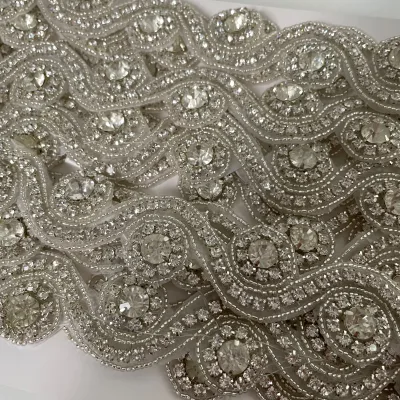


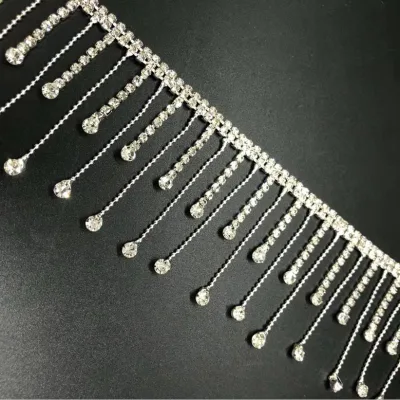


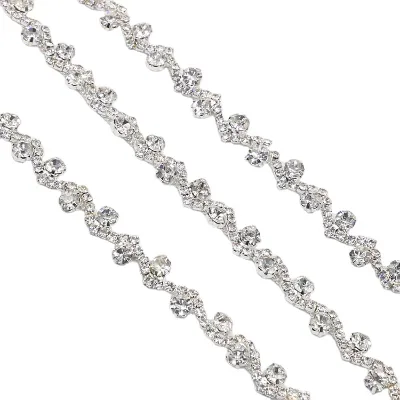
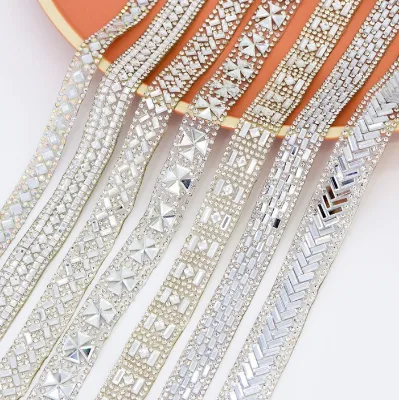


Comprehensive Sourcing Guide
Strategic Sourcing Guide for Flatback Crystal Beaded Rhinestone Chains
Understanding Product Architecture and Material Composition
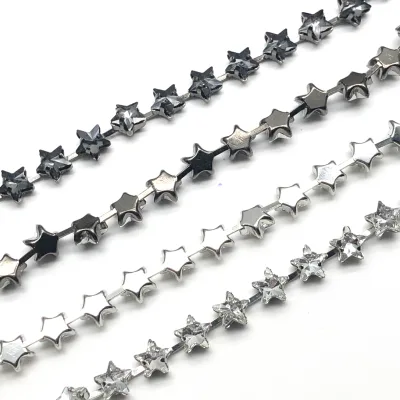
When sourcing flatback crystal beaded rhinestone chains, buyers must first distinguish between the specific construction of the chain itself and the individual rhinestone components that comprise it. The core keyword implies a dual-material assembly where the structural element is a crystal beaded chain, often utilizing an alloy base for durability, while the decorative surface relies on crystal rhinestones. Based on available market data, the primary material composition frequently involves crystal rhinestones paired with alloy accessories, though variations exist where acrylic stones and polyester materials are integrated to alter weight or cost profiles.
The "flatback" designation is a critical technical specification. This indicates that the rhinestones are designed with a planar rear surface, facilitating direct adhesion to substrates or integration into chain structures without protruding hardware. This feature distinguishes the product from prong-set stones and aligns with applications requiring a smooth profile against fabric or leather. The plating on the alloy components is often gold, which serves both aesthetic and corrosion-resistance purposes. However, buyers should verify if the gold plating is a standard finish or a premium option, as the supply chain may offer silver or multi-color variations depending on the specific model number, such as DHRP0071 or generic model codes like 06 and 07.
The chain type itself is described as a crystal beaded chain, suggesting that the flexibility and drape of the accessory are achieved through the interlinking of individual crystal elements rather than a solid metal wire. This construction allows for the "shiny full rhinestone inlay" feature observed in high-quality listings, where the visual density of the stones creates a continuous, reflective surface. The shape of the individual stones is predominantly round, though the overall product may be categorized under broader "Rhinestones" or "Rhinestone Trimming" classifications depending on the supplier's inventory organization.
Technical Specifications and Dimensional Standards
Precision in technical specifications is paramount for B2B procurement, particularly when integrating these chains into larger manufacturing workflows. The physical dimensions of the product can vary significantly based on the intended application. For instance, specific pendant models may have a defined size of approximately 6cm, while the chain components themselves might be sold in single packages measuring 25x15x2 cm. The weight of individual units is another critical metric, with observed single gross weights ranging from 0.12 kg to 0.15 kg per package, indicating a relatively lightweight product suitable for delicate applications like evening wear or mobile phone pendants.
The "Size: as sample" specification is a common industry practice for custom or semi-custom orders. This implies that the final dimensions are not fixed by a rigid standard but are instead determined by the buyer's approved prototype. Buyers must ensure that the supplier can maintain dimensional consistency across large production runs once the sample is approved. The application of these chains is versatile, ranging from keychains and bag charms to mobile phone pendants. In the garment sector, they are utilized for evening dresses, wedding dresses, belts, shoes, and hats. The "Hot-fix" technics mentioned in some listings suggest that certain variants are designed for thermal application, while others may rely on sewing or self-adhesive methods.
The following table outlines the observed variations in technical attributes found in the current market:
| Attribute Category | Observed Variations | Procurement Implication |
|---|---|---|
| Main Material | Crystal Rhinestone, Acrylic Stone, Polyester | Acrylic/Polyester variants offer lower cost but different refractive properties compared to pure crystal. |
| Accessory Material | Alloy | Verify alloy composition for plating adhesion and tarnish resistance. |
| Plating | Gold, Silver | Gold plating is common; verify thickness if corrosion resistance is a priority. |
| Shape | Round | Standard shape; custom shapes may require higher MOQs. |
| Packing | OPP Bag, Carton Packaging | Ensure packaging protects the crystal beaded chain from tangling or scratching. |
| Application | Bags, Garment, Shoes, Souvenir | Match the chain's flexibility and weight to the specific substrate. |
Cost Drivers and Minimum Order Quantity Dynamics
The pricing structure for flatback crystal beaded rhinestone chains is influenced by a complex interplay of material costs, customization levels, and order volume. The observed price range in the market spans from $0.05 to $32.35 USD, a variance that reflects the difference between basic loose rhinestones and finished, custom-designed chain assemblies. The lower end of this spectrum typically corresponds to bulk loose stones or standard trimming, while the higher end often includes complex designs, specific plating requirements, or custom packaging.
Minimum Order Quantity (MOQ) is a significant factor in procurement strategy. The market exhibits a wide range of MOQs, from as low as 3 pieces to as high as 10,000 units. Some suppliers offer "Low Minimum Order Available" options, which are beneficial for startups or buyers testing new designs. However, specific product lines, such as those sold by the yard or in specific trimming formats, may enforce an MOQ of 10 yards. Buyers must align their order volume with the supplier's capacity to avoid excessive per-unit costs.
Customization is a primary cost driver. While many suppliers list "Customization: Available" and "OEM: Welcome," the implementation of custom designs, colors, or specific model numbers (e.g., DHRP0071) often incurs additional tooling or setup fees. The "Customized Design: Welcomed" attribute suggests flexibility, but buyers should anticipate that unique color combinations or non-standard shapes may require a higher MOQ to justify the production run. Additionally, the "Quality: 100% Double Check" and "Grade Aaaaaa" claims indicate a focus on premium quality, which naturally commands a higher price point compared to standard grade materials.
Compliance, Certification, and Quality Verification
In the realm of B2B procurement, relying solely on supplier claims regarding quality is insufficient. While listings often mention "Quality: 100% Double Check" and "Grade Aaaaaa," these are internal assertions rather than third-party certifications. Buyers must verify compliance with international safety and environmental standards, particularly regarding the materials used. The presence of alloy and rhinestones necessitates checks for heavy metals (such as lead and cadmium) which are strictly regulated in many markets, including the EU and North America.
The "Standard" attribute in the supply data mentions specific dimensions (e.g., "Kitty pendant size: about 6cm"), but it does not reference external regulatory standards like REACH or CPSIA. Therefore, buyers should explicitly request documentation proving that the products meet the safety standards of their target market. This includes verifying that the "Hot-fix" adhesives or the "Sewable" components do not contain hazardous substances.
Furthermore, the "Quality" claims should be backed by tangible evidence. Buyers should request pre-shipment inspection reports that detail the "Double Check" process. This process should verify the integrity of the crystal beaded chain, the adhesion of the flatback stones, and the consistency of the gold or silver plating. The "sample: can be offered if we have stock but sample cost" note indicates that sample availability is not guaranteed, and buyers should budget for sample costs and lead times. The "7 days sample order lead time: Not Support" suggests that rapid prototyping may not be available, requiring a longer timeline for sample approval before mass production begins.
Supplier Evaluation and Operational Logistics
Selecting the right supplier requires a rigorous evaluation of their operational capabilities and logistical reliability. The supply data indicates that products originate from specific regions in China, notably Shandong and Guangdong. These regions are known for their manufacturing clusters, but buyers should verify the specific factory location to ensure it aligns with their ethical sourcing policies and logistical preferences. The "Place of Origin" is a critical data point for calculating shipping costs and estimating lead times.
Logistics and shipping options are diverse, with suppliers offering a range of carriers including UPS, DHL, FedEx, TNT, EMS, and ePacket. The "Delivery Time: 1-4 Working Days" suggests that for certain stock items, expedited shipping is possible. However, for custom orders, lead times may extend significantly. Buyers must clarify the distinction between sample lead times and production lead times. The "7 days sample order lead time: Not Support" warning implies that custom samples may take longer than standard stock items.
Payment terms are another area requiring careful negotiation. Common terms observed include T/T, Western Union, PayPal, and MoneyGram. While these methods offer flexibility, buyers should prioritize secure payment structures that offer protection against non-delivery. The "Payment Terms: T/T, Westernunion, Paypal, MoneyGram" list indicates a willingness to accommodate various methods, but buyers should establish clear milestones for payment release, such as deposit upon order confirmation and balance upon shipment.
Typical Applications and Design Integration
The versatility of flatback crystal beaded rhinestone chains makes them suitable for a broad spectrum of applications. The "Usage" attributes highlight their primary role in fashion accessories, including keychains, bag charms, and mobile phone pendants. In the garment industry, they are integral to evening dresses, wedding dresses, and hair accessories. The "Application" list further expands to bags, garments, shoes, belts, hats, and even souvenirs for weddings and engagements.
The "Feature: Sewable, Self-adhesive, Ironable" attributes indicate that these chains can be integrated into products using multiple methods. This flexibility allows manufacturers to choose the most appropriate attachment method based on the substrate. For instance, "Sewable" chains are ideal for heavy-duty applications like bags and shoes, while "Self-adhesive" or "Ironable" options are better suited for delicate fabrics like evening gowns. The "Style: Flatback" ensures that the stones lie flush against the material, preventing snagging and ensuring a professional finish.
Buyers should consider the visual impact of the "Shiny Full Rhinestone Inlay" feature. This design element creates a high-reflectivity surface that is highly desirable for luxury and celebratory items. The "Color Options: Pink, Silver" and the broader "Color: White, Silver, Red, Pink, Multi, Green, Gray, Gold, Brown, Blue, Black" list provide ample variety for design customization. However, buyers must ensure that the color consistency is maintained across batches, especially when ordering large quantities for a single collection.
Long-Term Procurement Considerations and Risk Management
Sourcing flatback crystal beaded rhinestone chains is not merely a transactional activity but a strategic partnership that requires long-term planning. The "MOQ: Low Minimum Order Available" and "MOQ: 3pcs" options allow for agile procurement, enabling buyers to test market trends without committing to large inventory volumes. However, as demand grows, buyers must anticipate potential supply chain constraints. The "Delivery Time: 1-4 Working Days" for stock items is attractive, but custom orders may face delays due to the "Not Support" status for 7-day sample lead times.
Risk management involves diversifying suppliers and maintaining clear communication regarding quality standards. The "Quality: 100% Double Check" claim should be a baseline, but buyers should establish their own quality control protocols. This includes defining acceptable defect rates for issues like stone loss, plating peeling, or chain tangling. The "Single gross weight: 0.15 kg" and "Single package size: 25X15X2 cm" data points are essential for calculating shipping costs and warehousing requirements, which directly impact the overall cost of goods sold.
Finally, buyers should remain vigilant regarding the "Customization: Available" aspect. While customization offers a competitive advantage, it introduces complexity into the supply chain. Changes in design, material, or packaging can lead to production delays or increased costs. Therefore, establishing a robust framework for design approvals and change management is crucial. By focusing on these long-term considerations, buyers can ensure a stable supply of high-quality flatback crystal beaded rhinestone chains that meet their brand's standards and market demands.
FAQs
What materials are used in flatback crystal beaded rhinestone chains?
The main material is crystal rhinestone paired with alloy accessories. Some variants may also incorporate acrylic stones and polyester to adjust weight or cost profiles while maintaining the flatback design.
Can I find suppliers with low minimum order quantities?
Yes, low minimum order quantities are available, with some suppliers offering as few as 3 pieces. However, specific trimming products may require a minimum of 10 yards depending on the customization level.
Which plating options are available for the alloy components?
Gold plating is a common standard finish for the alloy accessories. Silver plating and multi-color variations are also observed in specific models like DHRP0071 or generic codes such as 06 and 07.
How are these chains typically applied to garments or accessories?
They can be applied using sewing, self-adhesive methods, or ironing techniques. The flatback style ensures a smooth profile against fabric, making them suitable for evening dresses, bags, and shoes.
What is the typical lead time for sample orders?
Sample lead times vary, with some suppliers offering delivery in 1 to 4 working days for stock items. However, specific listings indicate that 7-day sample order lead times may not be supported for custom requests.
Where are these products typically manufactured?
Products originate from manufacturing clusters in Shandong and Guangdong, China. Buyers should verify the specific place of origin to align with ethical sourcing policies and calculate accurate shipping costs.
What payment terms do suppliers usually accept?
Common payment methods include T/T, Western Union, PayPal, and MoneyGram. Buyers should establish clear milestones for payment release, such as a deposit upon order confirmation and balance upon shipment.