Source Flatbed Type Car Frame Machine for Repair Shops
Find and compare 30 Flatbed Type Car Frame Machine options from verified Chinese manufacturers. Evaluate specifications like lifting capacity, platform size, and communication modes to select the right equipment for tire shops, body shops, and 4S workshops.
Key considerations
Products List
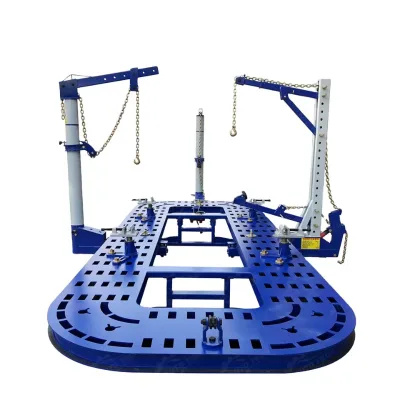


Hot Sale Car Frame Machine Car Body Frame Machine/CE Approved Car Frame Machine
$1500.00 - $2500.00
MOQ: 1 Pieces


Vehicle Body Auto Chassis Straightening Machine Car Bench Car Frame Machine
$2500.00 - $3800.00
MOQ: 1 Pieces

Vehicle Body Auto Chassis Straightening Machine Auto Body Car Frame Machine
$2500.00 - $3800.00
MOQ: 1 Pieces


Car Frame Machine for Sale/Auto Body Frame Machine/Chassis Straightener
$3150.00 - $3250.00
MOQ: 1 Pieces


Reliable Car Body Frame Machine for Chassis Alignment and Collision Restoration
$4800.00 - $4900.00
MOQ: 1 Pieces

Top - Selling Car Frame Machine with Median Lift and Chassis Straightening
$3850.00 - $3950.00
MOQ: 1 Pieces


Comprehensive Sourcing Guide
Flatbed Type Car Frame Machine Sourcing Guide
Procuring a Flatbed Type Car Frame Machine requires a disciplined approach to verifying structural integrity, lifting capacity, and software compatibility. These machines are critical assets in collision repair centers, body shops, and 4S workshops, serving as the primary tool for straightening vehicle chassis and restoring factory specifications. The decision to source this equipment involves balancing mechanical robustness with digital precision, ensuring that the selected unit can handle the diverse range of modern vehicle architectures. Buyers must prioritize machines that offer both high load-bearing capabilities and advanced measurement systems to maintain operational efficiency and repair accuracy.
The market for these machines is characterized by a wide variance in specifications, from basic mechanical frames to sophisticated 3D wheel alignment systems with automatic lifting features. Observed listings indicate a price range of $1,380 to $30,000 USD, reflecting differences in technology, brand reputation, and included accessories. Minimum Order Quantities (MOQ) are typically low, ranging from 1 to 2 units, which facilitates direct procurement for individual workshops or small fleets. Understanding these market signals helps buyers set realistic expectations regarding budget, lead times, and the level of customization available from manufacturers.
Product Scope and Observed Listing Signals
The product scope for flatbed type car frame machines encompasses a variety of configurations designed to meet different repair needs. Listings frequently highlight models such as the UL-288EL, BT-5600, and BT-5515, each with distinct dimensions and capabilities. For instance, the UL-288EL features a platform size of 5200x2140 mm and a frame length of 5600mm, providing ample space for larger vehicles. In contrast, other models like the AD-K8 and AD-M1 may offer different working widths and heights, such as a working width of 2200mm and a working height of 580mm. Buyers should carefully review these physical dimensions to ensure compatibility with their workshop layout and the vehicle sizes they typically service.
Observed listing signals also reveal significant variations in technological integration. Some machines are equipped with 3D wheel alignment systems using infrared wireless communication and software like Johnbean, allowing for precise wheel angle adjustments. These advanced units often feature double screens and automatic lifting beams, enhancing operator convenience and measurement accuracy. Other models may rely on simpler mechanical structures or lack certain digital features. The presence of multi-language support and remote software upgrades indicates a focus on user accessibility and long-term usability. Buyers must distinguish between basic mechanical frames and high-tech alignment systems to align their purchase with their technical requirements.
Technical Specifications to Verify
Verifying the technical specifications of a Flatbed Type Car Frame Machine is essential to ensure it meets the operational demands of a repair shop. Key parameters include the maximum lifting capacity, which is observed to be 3.5T in some listings, and the maximum load bearing, which can reach 3500kg. The rated voltage is typically 220/380V, requiring buyers to confirm compatibility with their local power infrastructure. Additionally, the max push power for pulling towers, such as 95kN, is a critical factor in determining the machine's ability to straighten severely damaged chassis. Buyers should request detailed technical datasheets to verify these figures and ensure they align with the heaviest vehicles they intend to repair.
Structural dimensions and customization options are also vital considerations. The frame height, width, and length must be verified to ensure sufficient clearance and stability during operations. For example, a frame width of 2100mm and a frame height of 520mm provide specific spatial requirements that must be accommodated in the workshop. Customization is often available, allowing buyers to tailor the machine to specific needs, such as additional clamping points or specialized measuring arms. The condition of the machine, typically listed as "New," should be confirmed, along with the packing method, which can range from wooden cases to plywood boxes. These details impact shipping costs and the protection of the equipment during transit.
Compliance and Safety Documentation
Compliance and safety documentation are non-negotiable aspects of sourcing industrial equipment. Buyers must ensure that the Flatbed Type Car Frame Machine holds relevant certifications, such as CE, RoHS, and ISO, which indicate adherence to international safety and quality standards. Some listings also mention GS certification, which is particularly important for markets with strict safety regulations. These certifications provide assurance that the machine has undergone rigorous testing for electrical safety, mechanical stability, and environmental impact. Buyers should request copies of these certificates and verify their validity with the issuing bodies to mitigate legal and operational risks.
In addition to certifications, buyers should inquire about the standard operating procedures and safety features integrated into the machine. The structure of the machine, whether mechanical or hydraulic, should be designed to prevent accidental movement or failure during high-load operations. Features such as automatic lifting beams and secure clamping mechanisms contribute to operator safety. Documentation should also include detailed user manuals in global multi-language formats, ensuring that all operators can understand and follow safety protocols. Remote service capabilities, such as auto data upgrades, can also enhance safety by keeping the software up-to-date with the latest repair procedures and safety alerts.
Cost Drivers and Commercial Terms
The cost of a Flatbed Type Car Frame Machine is influenced by several factors, including technological complexity, brand reputation, and included accessories. Machines with 3D wheel alignment systems, infrared communication, and automatic lifting features tend to be at the higher end of the price spectrum, while basic mechanical frames are more affordable. The observed price range of $1,380 to $30,000 USD reflects this disparity. Buyers should consider the total cost of ownership, including maintenance, software updates, and potential downtime, rather than just the initial purchase price. Investing in a more advanced machine may yield long-term savings through improved efficiency and accuracy.
Commercial terms such as MOQ, lead times, and shipping methods also impact the overall cost. With MOQs typically ranging from 1 to 2 units, buyers have flexibility in ordering quantities. However, lead times can vary, with some models having a production date of 7-14 days. Shipping costs are influenced by the packing method, with wooden cases or plywood boxes offering robust protection but potentially higher freight charges. Buyers should negotiate clear terms regarding payment methods, warranty coverage, and after-sales support. Understanding these commercial details helps in budgeting accurately and avoiding unexpected expenses during the procurement process.
Supplier Qualification and Quality Control
Supplier qualification is a critical step in ensuring the reliability of the Flatbed Type Car Frame Machine. Buyers should verify the supplier's location, with many manufacturers based in China, including specific regions like Yantai, Shandong. This information can help assess the supplier's logistical capabilities and reputation within the industry. Quality control measures should be transparent, with suppliers providing detailed inspection reports and test results for each unit. Buyers should inquire about the supplier's production processes, including material sourcing, assembly standards, and final quality checks. A supplier with a robust quality control system is more likely to deliver a machine that meets specified performance criteria.
Additionally, buyers should evaluate the supplier's after-sales support and service capabilities. Features such as remote software upgrades and multi-language support indicate a commitment to long-term customer satisfaction. Suppliers should offer comprehensive training and technical support to ensure operators can use the machine effectively. Buyers may also consider visiting the supplier's facility or requesting references from existing customers to gauge their reliability. Establishing a strong relationship with a qualified supplier can lead to better pricing, faster delivery, and improved service in the future. Due diligence in supplier selection is essential to minimize risks and ensure a successful procurement outcome.
Long-Term Procurement Checks
Long-term procurement checks involve monitoring the machine's performance and the supplier's ongoing support. Buyers should establish a maintenance schedule to ensure the machine remains in optimal condition, including regular inspections of the lifting mechanism, clamping systems, and measurement equipment. Software updates should be applied promptly to benefit from the latest features and security patches. Buyers should also track the machine's usage and any issues that arise, providing feedback to the supplier for continuous improvement. This proactive approach helps extend the machine's lifespan and maintains its accuracy and reliability over time.
Furthermore, buyers should periodically review the supplier's product offerings and market trends to identify opportunities for upgrades or additional equipment. As vehicle technologies evolve, the requirements for frame machines may change, necessitating new features or capabilities. Maintaining open communication with the supplier can facilitate access to new models and technologies. Buyers should also stay informed about changes in industry standards and regulations that may impact the use of their equipment. By staying engaged with the supplier and the broader market, buyers can ensure their Flatbed Type Car Frame Machine remains a valuable asset for their repair operations.
FAQs
What is the maximum lifting capacity of this Flatbed Type Car Frame Machine?
The maximum lifting capacity is 3.5 tons, which equals 3500 kilograms. This rated load bearing ensures the machine can safely handle heavy vehicle frames during repair operations in professional workshops.
Can I customize the specifications of this Flatbed Type Car Frame Machine?
Yes, customization is available for this Flatbed Type Car Frame Machine. Buyers can request specific adjustments to meet unique workshop requirements while maintaining the standard structural integrity and safety features.
What certifications does this Flatbed Type Car Frame Machine hold?
This Flatbed Type Car Frame Machine holds CE, RoHS, ISO, and GS certifications. These credentials confirm compliance with international safety and quality standards for industrial equipment used in automotive repair environments.
How long is the production lead time for this Flatbed Type Car Frame Machine?
The production date is typically 7 to 14 days after order confirmation. This lead time applies to new units manufactured in China, ensuring timely delivery for urgent workshop restoration projects.
What is the standard packing method for this Flatbed Type Car Frame Machine?
The machine is packed in wooden cases, plywood boxes, or standard exporting packages. This robust packaging protects the frame structure and components during international shipping to ensure safe arrival at the destination.
Which voltage rating supports the operation of this Flatbed Type Car Frame Machine?
The rated voltage is 220/380V, allowing flexible power connection options. This specification ensures compatibility with various industrial power grids found in different regions where the machine is deployed.
What is the working width of the Flatbed Type Car Frame Machine platform?
The working width is 2200mm, providing ample space for vehicle alignment. Combined with a platform size of 5200 by 2140 mm, it accommodates large vehicles for precise frame straightening tasks.