Source Flatwork Ironer for Hotel, Hospital, and Laundry Plant
Compare 30 Flatwork Ironer models from Shanghai suppliers. Options include steam, electric, and gas heating with stainless steel rollers. Features vary by roller count and width, supporting customized configurations for industrial laundry needs; compare the available evidence and request quotations based on your requirements.
Key considerations
Products List


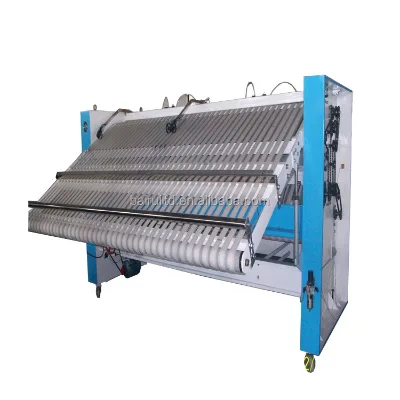


The Top Quality Flatwork Ironer Machine for Hotel, Hospital for Sale
$9500.00 - $12000.00
MOQ: 1 Pieces

2500mm, 3000mm Bedsheet Flatwork Ironer for Hotel, Hospital for Sale
$9500.00 - $12000.00
MOQ: 1 Pieces


$31900.00 - $32000.00
MOQ: 1 Pieces


Comprehensive Sourcing Guide
Flatwork Ironer Sourcing Guide
Procuring a Flatwork Ironer requires careful evaluation of heating mechanisms and roller configurations to match specific laundry throughput needs. The market offers units with steam, electric, or gas heating options, alongside variable roller counts ranging from one to four rollers. Buyers must verify if the machine utilizes a frequency converter for speed adjustment, as this directly impacts the ironing speed capabilities observed between zero and twenty-five meters per minute.
Selection also depends heavily on the intended application environment, such as hotels, hospitals, or large-scale laundry plants. The physical dimensions of the ironing width can vary significantly, with observed specifications extending up to three thousand millimeters. Ensuring the machine fits the facility's layout and handles the required fabric types, like bedsheets, is critical before finalizing any purchase agreement.
Product Scope and Observed Listing Signals
Buyers should scrutinize the observed price range, which spans from one hundred to one hundred thousand US dollars, reflecting the vast differences in capacity and automation levels. The minimum order quantity is typically low, ranging from one to three units, allowing for flexible procurement strategies. However, the wide price variance necessitates a clear definition of required features to avoid overpaying for unnecessary capabilities or under-specifying for high-volume operations.
Listing signals indicate that customization is widely available, allowing for tailored solutions regarding roller materials and control panel languages. The standard export wooden case packing is common, yet some listings specify single package dimensions that may differ from the overall machine footprint. Understanding these logistical details is essential for calculating total landed costs and ensuring the equipment can be transported and installed without structural issues.
Technical Specifications to Verify
Verification of the motor power is a primary technical step, as observed listings show variations between 1.5 kilowatts and 3 kilowatts depending on the model. The roller material is consistently noted as stainless steel or SUS304, which is vital for hygiene and durability in wet environments. Buyers must confirm the specific roller number configuration, as options include one, two, three, or four rollers, each offering different pressure and drying efficiencies for various fabric weights.
The control system and power supply requirements must align with the facility's infrastructure, with observed voltage options including 220 and 380 volts. The presence of an inverter, such as the LS brand from Korea, suggests advanced speed control capabilities that should be validated against local power stability. Additionally, the machine's weight can vary significantly by model, impacting floor load requirements and the need for specialized lifting equipment during installation.
Compliance and Safety Documentation
Safety compliance is non-negotiable, with CE certification frequently cited as a standard requirement for machinery entering international markets. Buyers must request valid certification documents to ensure the equipment meets electrical and mechanical safety standards before deployment. The presence of ISO and SGS certifications further indicates a commitment to quality management systems, which should be verified through official channels rather than relying solely on supplier claims.
Documentation regarding the heating method, whether steam, electric, or gas, must include specific safety protocols for high-pressure systems. The machine's condition is typically listed as new, but proof of factory testing and safety inspections is necessary to confirm operational integrity. Ensuring that all safety interlocks and emergency stop mechanisms are functional and documented is a critical step in the pre-purchase verification process.
Cost Drivers and Commercial Terms
The total cost of ownership is heavily influenced by the heating type and the complexity of the control panel, which often includes an English version interface. While the base price varies, the inclusion of a frequency converter and specific inverter brands can significantly drive up the initial investment. Buyers should analyze whether the higher upfront cost of advanced automation features justifies the long-term energy savings and operational efficiency gains.
Commercial terms regarding warranty and after-sales support are pivotal, with observed warranties ranging from one to three years. The availability of engineers for overseas service is a key differentiator that reduces downtime risks in remote locations. Procurement contracts should explicitly define the scope of the warranty, response times for service calls, and the availability of spare parts to ensure long-term operational continuity.
Supplier Qualification and Quality Control
Supplier qualification should focus on the origin of the machinery, with Shanghai, China, being a primary manufacturing hub for these units. Buyers must verify the brand name, noting that some listings offer OEM options while others carry established names like Huayi. Confirming the supplier's ability to provide detailed technical drawings and material certificates for the stainless steel components is essential for quality assurance.
Quality control processes must be validated through the supplier's adherence to production standards and their capacity for custom manufacturing. The observation of different weights and sizes across models suggests a need for rigorous pre-shipment inspections to ensure consistency. Establishing a clear communication channel for technical queries and ensuring the supplier can provide a functional control panel in the required language are vital steps in the vetting process.
Long-Term Procurement Checks
Long-term procurement success relies on verifying the availability of replacement parts and the supplier's commitment to after-sales service. The observation of engineers available for overseas service is a strong indicator of support capability, but specific service level agreements should be negotiated to guarantee timely repairs. Buyers should also assess the supplier's track record in handling warranty claims to mitigate the risk of extended machine downtime.
Future scalability is another critical factor, as the machine's capacity and speed must remain adequate as laundry volumes grow. The ability to customize the machine for different fabric types or widths ensures the equipment remains relevant over its lifespan. Regular maintenance schedules and the availability of technical training for local staff are essential components of a sustainable procurement strategy that maximizes the return on investment.
FAQs
What heating methods are available for flatwork ironers?
Flatwork ironers typically support steam, electric, and gas heating methods to suit different facility infrastructures. The YP model series offers these versatile options, allowing buyers to select the most efficient energy source for their laundry plant or hotel operations while ensuring consistent high-pressure ironing performance.
Can flatwork ironers be customized for specific widths?
Yes, customization is available for flatwork ironers to accommodate various bedsheet and linen sizes. Available widths range from 1500mm to 3300mm, with standard models like the SWF reaching up to 2000mm capacity. Buyers can specify their required ironing width to ensure the machine fits their production line perfectly.
Which certifications do Flatwork Ironer manufacturers provide?
Manufacturers typically provide CE, ISO, and SGS certifications for their Flatwork Ironer machinery. These standards ensure the equipment meets international safety and quality requirements for industrial laundry applications. The Huayi brand and other OEM suppliers offer these documented certifications to facilitate global shipping and regulatory compliance for buyers.
How many rollers are available in Flatwork Ironer models?
Flatwork ironers are available with one, two, three, or four rollers depending on the specific model configuration. The roller number can be selected based on throughput requirements, with options like the YPR or YPD series offering different roller counts. Stainless steel rollers ensure durability and effective heat distribution for professional laundry results.
What is the warranty period for Flatwork Ironer machinery?
Warranty periods for flatwork ironers generally range from one to three years depending on the supplier and model. Some manufacturers offer a one-year warranty, while others provide up to three years of coverage. Additionally, engineers are often available to service machinery overseas, ensuring long-term operational support for international buyers.
What power supply options are supported by flatwork ironers?
Flatwork ironers typically support 220V or 380V power supplies to match local electrical standards. Motor power varies by model, with options including 1.5kw and 3kw configurations. The machines often feature frequency converters for roller speed adjustment, ensuring precise control over the ironing process for different fabric types and production speeds.