Source Flexible Aluminum RV LED Light for Camper, Boat, Trailer
Find and compare 30 Flexible Aluminum RV LED Light options for camper, boat, and trailer applications. Evaluate specifications such as 12-24V voltage, ABS or acrylic materials, and various sizes to select the right illumination for your vehicle upgrade.
Key considerations
Products List
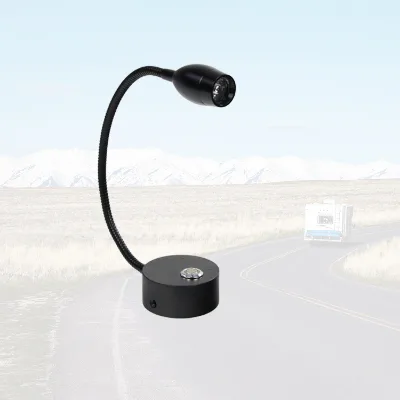
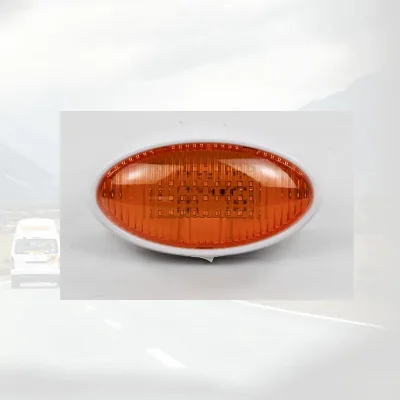
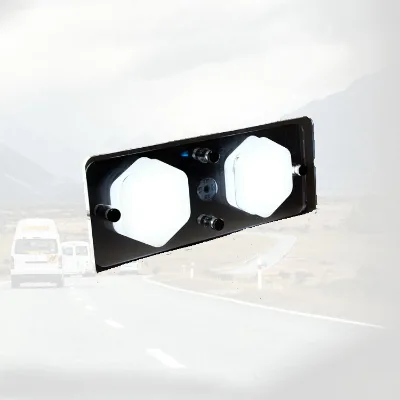
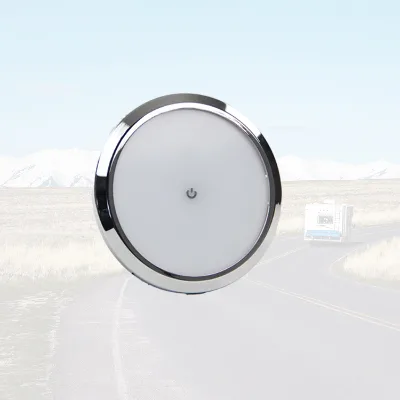
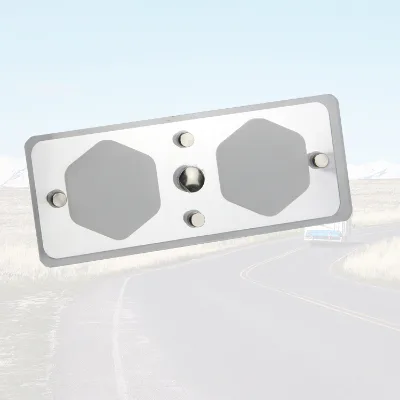
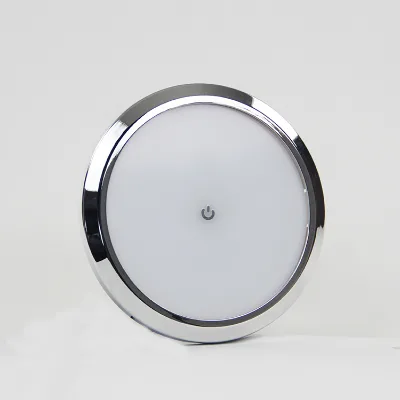


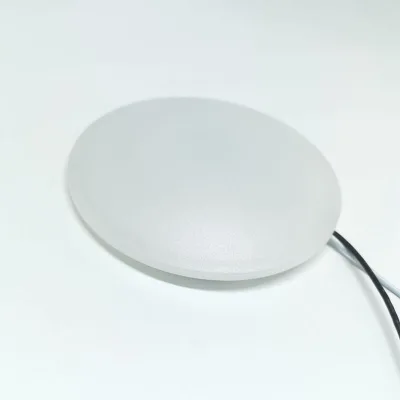
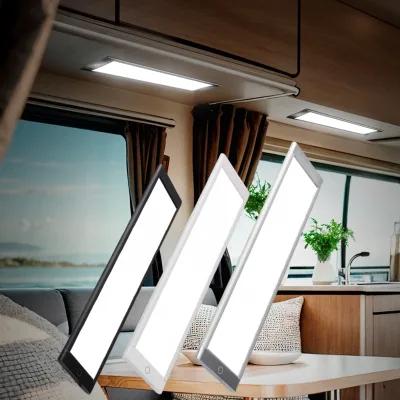

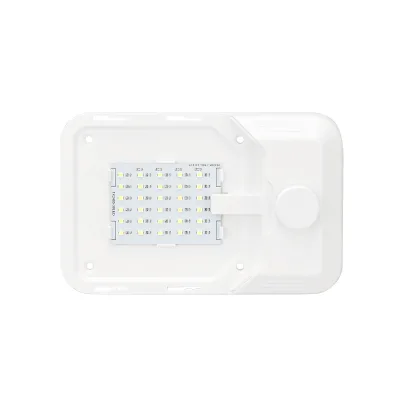
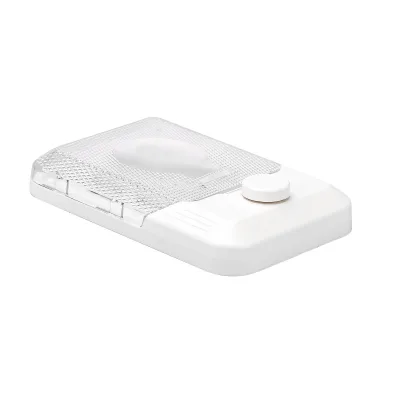
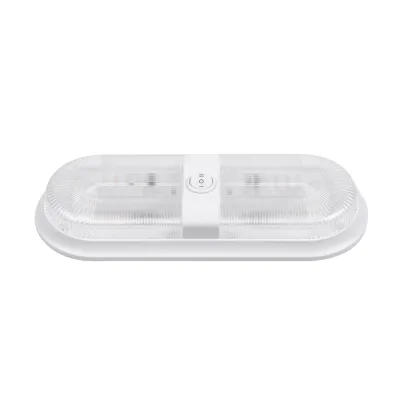

Super Bright Camper Truck RV Van Marine Rectangular LED Trailer Lights Kit
$10.00 - $13.00
MOQ: 1000 Pieces

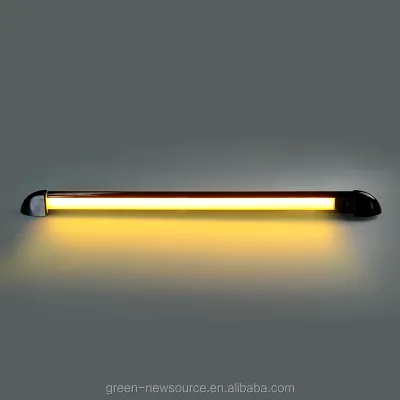


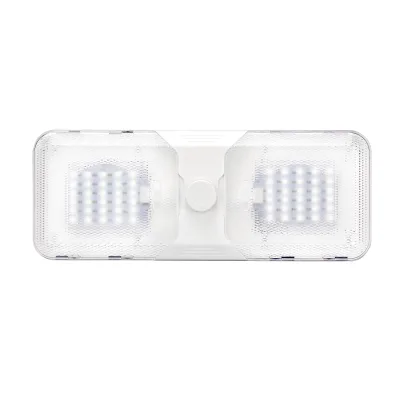


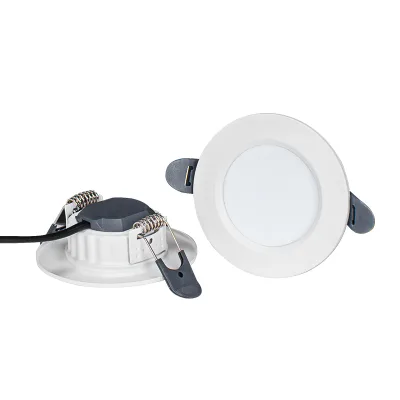
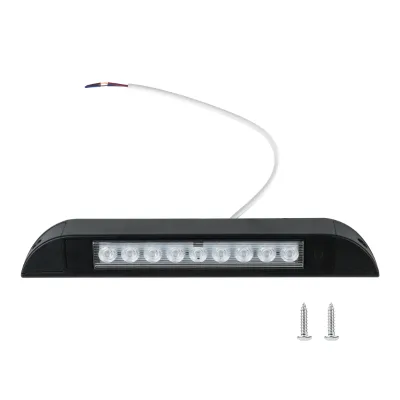
Comprehensive Sourcing Guide
Flexible Aluminum RV LED Light Sourcing Guide
Sourcing flexible aluminum RV LED lighting requires a careful balance between aesthetic integration and technical durability. The aluminum substrate provides essential heat dissipation for high-output LEDs, while the flexible nature allows for seamless installation in curved or irregular spaces common in recreational vehicles, campers, and marine environments. Buyers must navigate a market where product listings often conflate rigid profile lights with truly flexible strip solutions, necessitating a rigorous verification of material composition and mounting capabilities. This guide outlines the critical steps for identifying reliable suppliers, verifying technical specifications, and ensuring long-term performance in mobile applications.
The procurement process for these lighting components involves more than just selecting a color temperature or brightness level. It requires an understanding of the electrical requirements, environmental sealing standards, and mechanical constraints specific to RV and marine use. With a wide range of options available from manufacturers primarily based in regions like Anhui, China, buyers have access to diverse product lines ranging from basic illumination strips to advanced, smart-controlled aisle lights. However, the diversity of offerings also introduces complexity in quality assurance, making it essential to establish clear communication channels and verification protocols before placing bulk orders.
Product Scope and Observed Listing Signals
The current market for RV LED lighting features a variety of product types, including aisle lights, square ceiling lights, and general illumination strips. Observed listings indicate a broad price range, with unit costs varying significantly based on material quality, brand reputation, and included features such as dimming capabilities or specific housing designs. For instance, some products are marketed as "RV Aisle Lights" with ABS or acrylic materials, while others are specified as "LED lights" with aluminum or plastic housings. Buyers should note that the term "flexible aluminum" may sometimes refer to the backing material of the LED strip rather than the entire rigid fixture, requiring careful examination of product images and detailed specifications to avoid misinterpretation.
Listing signals also reveal variations in packaging and shipping metrics, which impact logistics planning. Single package sizes range from compact dimensions like 20x20x5 cm for smaller components to larger boxes measuring 50x45x30 cm for bulkier ceiling fixtures. Similarly, single gross weights vary from 0.5 kg for lightweight strips to 10 kg for heavier, multi-unit packages. These physical attributes are crucial for calculating freight costs and storage requirements. Additionally, observed minimum order quantities (MOQs) typically start at 1 set or 10 sets, allowing for both small-scale retrofit projects and larger fleet upgrades. Buyers should align their order volumes with these MOQs to optimize pricing and minimize inventory holding costs.
Technical Specifications to Verify
Voltage compatibility is a primary technical consideration, as RVs and marine vessels typically operate on 12V or 24V DC systems. Verified listings show products designed for 12-24V ranges, ensuring broad applicability across different vehicle electrical architectures. Buyers must confirm that the selected LED lights match their vehicle’s power supply to prevent damage or inefficient operation. Furthermore, power consumption metrics, such as a noted 6.5 W rating for specific models, help in calculating the total load on the vehicle’s electrical system. This is particularly important for older RVs with limited electrical capacity, where adding high-draw lighting could necessitate system upgrades.
Material composition and environmental resistance are equally critical for longevity in mobile environments. The aluminum substrate is valued for its thermal management properties, which extend the lifespan of the LEDs by dissipating heat effectively. However, buyers should verify the quality of the aluminum and the adhesion of the LED components to the strip. Additionally, operating temperature ranges, such as -40℃ to +65℃, indicate the product’s ability to withstand extreme conditions encountered in various climates. Color temperature options, including cool white and warm white, allow for customization of the interior ambiance, while the choice between transparent and yellow light shapes can address specific aesthetic or regulatory requirements for exterior or specialized interior lighting.
Compliance and Safety Documentation
Safety certifications are essential for ensuring that LED lighting products meet international standards for electrical safety and environmental impact. While some listings mention CE and ROHS certifications, buyers should request valid certificates from accredited testing bodies to verify compliance. These certifications confirm that the products do not contain hazardous substances and meet electromagnetic compatibility requirements, which is crucial for preventing interference with other electronic systems in the RV. Without proper documentation, buyers risk importing non-compliant products that could lead to regulatory issues or safety hazards.
Warranty terms provide an additional layer of protection for buyers, indicating the supplier’s confidence in their product’s durability. Observed warranty periods of one year are common, but buyers should clarify the scope of coverage, including whether it covers manufacturing defects, electrical failures, or environmental damage. It is also important to understand the process for claiming warranty service, including whether replacement parts are shipped directly or if returns are required. Clear warranty terms can significantly reduce the total cost of ownership by minimizing the financial impact of premature failures or defects.
Cost Drivers and Commercial Terms
Several factors influence the final cost of flexible aluminum RV LED lights, including material quality, brand name, and order volume. Premium brands like SUOYIN or RV PARTS may command higher prices due to perceived reliability and after-sales support. Conversely, generic products from unbranded manufacturers might offer lower unit costs but could lack consistent quality control. Buyers should evaluate the total value proposition, considering not just the unit price but also the expected lifespan and performance consistency of the lighting products. Bulk purchasing often leads to better pricing, but buyers must balance cost savings with the risk of overstocking obsolete or incompatible inventory.
Commercial terms, such as payment methods and lead times, also play a significant role in the procurement process. A common requirement is 100% T/T in advance, which places the financial risk on the buyer until the goods are shipped. Lead times typically range from 7 to 15 working days, depending on the order size and production schedule. Buyers should factor these timelines into their project planning to avoid delays in vehicle upgrades or repairs. Additionally, understanding the supplier’s return policy and handling of defective items is crucial for managing potential disruptions in the supply chain.
Supplier Qualification and Quality Control
Verifying supplier credentials is a critical step in mitigating procurement risks. Buyers should prioritize suppliers with a proven track record in the RV and marine lighting industry, as evidenced by their product portfolios and customer feedback. While specific supplier names are not recommended, buyers can assess potential partners by reviewing their product listings for consistency, detail, and professionalism. Suppliers that provide comprehensive technical documentation, including wiring diagrams and installation guides, are often more reliable and supportive of the buyer’s integration efforts.
Quality control measures should be established before placing orders, including requests for pre-shipment samples or third-party inspection reports. Buyers should verify that the products match the specified dimensions, such as 58x208 mm for certain LED strips or 174x79x48 mm for ceiling lights. Consistency in packaging and labeling is also important for efficient inventory management and installation. Establishing a clear communication channel for addressing quality issues ensures that any discrepancies are resolved promptly, maintaining the integrity of the procurement process and the performance of the installed lighting systems.
Long-Term Procurement Checks
Regularly reviewing supplier performance is essential for maintaining a reliable supply chain. Buyers should track metrics such as on-time delivery rates, product defect rates, and responsiveness to customer inquiries. Suppliers that consistently meet these benchmarks are valuable partners for ongoing procurement needs. Additionally, staying informed about industry trends and technological advancements can help buyers identify opportunities for upgrading their lighting systems with more efficient or feature-rich products. This proactive approach ensures that the procurement strategy remains aligned with evolving market conditions and customer expectations.
Maintaining detailed records of product specifications, warranty claims, and supplier interactions facilitates better decision-making in future procurement cycles. These records can help identify patterns in product performance and supplier reliability, enabling buyers to make more informed choices. Furthermore, building long-term relationships with trusted suppliers can lead to better pricing, priority service, and access to new product innovations. By focusing on continuous improvement and relationship management, buyers can optimize their sourcing of flexible aluminum RV LED lights for long-term success and satisfaction.
FAQs
What voltage range do these RV lights support?
These RV lights support a voltage range of 12 to 24 volts. This specification ensures compatibility with standard vehicle electrical systems found in campers, trailers, and boats without requiring additional converters.
Which material is used for the light housing?
The light housing is constructed from ABS plastic material. This durable material provides resistance to impact and weather conditions, making it suitable for retrofit applications in various recreational vehicles.
Can I order a single unit as a sample?
Yes, you can order a single unit as a sample since the minimum order quantity is one set. This allows buyers to verify product quality before committing to larger bulk orders for their fleet.
What is the expected lead time for delivery?
The expected lead time for delivery is between 7 to 15 working days. This timeframe applies to standard orders and allows for efficient planning of your procurement schedule for RV upgrades.
How long is the warranty period for this product?
The warranty period for this product is one year. This coverage protects against manufacturing defects and ensures reliability for your RV, caravan, or motorhome lighting installation projects.
What is the operating temperature range for these lights?
The operating temperature range is from minus 40 degrees Celsius to plus 65 degrees Celsius. This wide range ensures the lights function reliably in extreme cold or hot environments typical for outdoor travel.