Source Flexible PVC Power Cable for Overhead, Heating, and Underground Use
Find and compare 30 Flexible PVC Power Cable options from Chinese manufacturers. These stranded copper conductors with PVC insulation support low to medium voltage applications, including overhead, heating, and underground installations, with customizable specifications and certifications like CE, RoHS, and CCC.
Updated
Key considerations
Products List




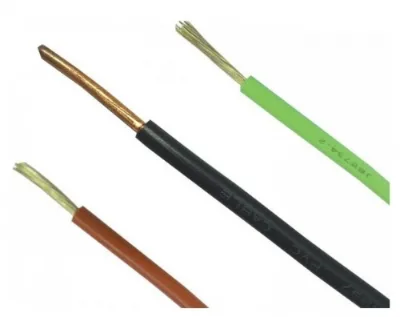
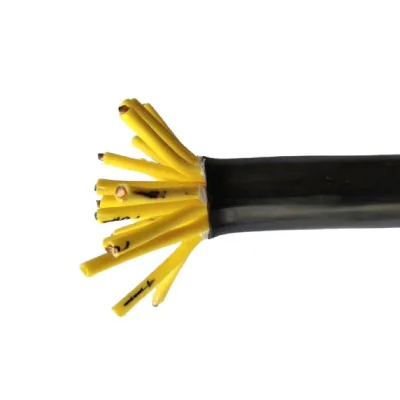
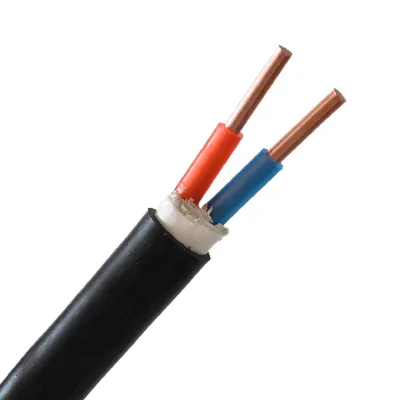
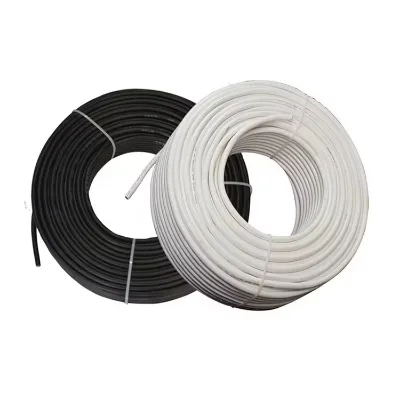


Comprehensive Sourcing Guide
Flexible PVC Power Cable Sourcing Guide
Procuring flexible PVC power cables requires a disciplined approach to balancing electrical performance with mechanical durability. Buyers must first define the specific operational environment, as these cables are commonly deployed in overhead, underground, and heating applications. The flexibility of the conductor, often stranded copper or aluminum, allows for easier installation in dynamic settings where rigid solid-core wires would fail. Understanding the distinction between low and medium voltage requirements is critical, as the insulation thickness and material grade vary significantly to handle different electrical stresses.
Sourcing decisions should also account for the physical form factor and packaging logistics. Products are typically supplied in export wooden drums, steel drums, or rolls, which impacts handling and storage costs. The cross-sectional area, ranging from small gauge wires to larger 400 mm² conductors, dictates the current-carrying capacity and voltage drop characteristics. Buyers need to verify if the cable meets specific regional standards, such as IEC 60227, and ensure that the insulation material, whether PVC or XLPE, aligns with the thermal and chemical resistance needs of the installation site.
Product Scope and Observed Listing Signals
Market listings for flexible PVC cables reveal a wide spectrum of product configurations, primarily centered around copper conductors with PVC insulation. Common models include RVV and YJV types, which cater to diverse power distribution needs. The observed price range spans from $0.08 to $30 per unit, reflecting variations in conductor material, cross-section, and certification levels. Minimum order quantities (MOQs) are equally variable, starting from single units for samples up to 500,000 units for bulk industrial contracts, allowing buyers to scale orders according to project phases.
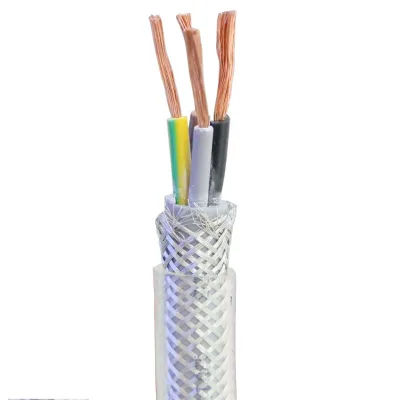
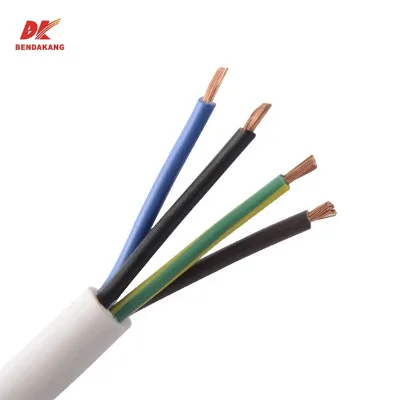
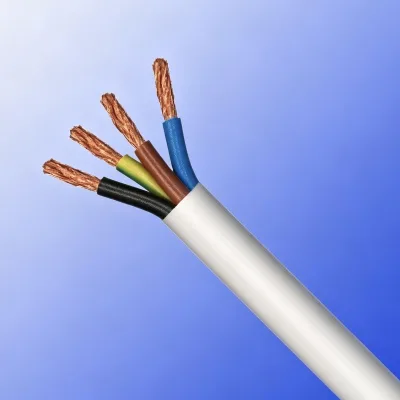
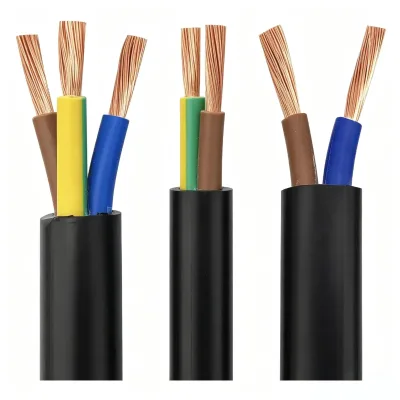
Visual and descriptive signals in listings often highlight key attributes such as color, typically black, and core configurations like 3-core or 4-core setups. Specifications frequently mention diameters or cross-sections, such as 1.5-400 mm², which are crucial for determining ampacity. Some listings specify "cheap electric cable" or "flexible pvc cable," indicating a focus on cost-effective solutions for general-purpose wiring. Buyers should note that while many products claim customization, the actual availability of specific colors or non-standard lengths depends on the manufacturer's production capabilities and tooling flexibility.
Technical Specifications to Verify
Verifying the conductor type is the first technical step, as stranded conductors offer superior flexibility compared to solid ones, making them ideal for moving parts or tight bends. The cross-sectional area must match the load requirements, with common standards including 1.5mm, 2mm, 2.5mm, 4mm, and 6mm options. Insulation material is another critical variable; while PVC is standard for general use, XLPE may be specified for higher temperature resistance or underground applications. Buyers should confirm the voltage rating, such as 300/500V, to ensure compatibility with the system's electrical infrastructure.
The cable's structural integrity also depends on the sheathing and overall diameter. Listings may specify custom diameters or standard sizes like 1.11.11.1 mm, which affect the cable's bend radius and installation ease. For high-voltage applications, additional shielding or armor might be required, though standard flexible PVC cables are typically used for low to medium voltage power distribution. Buyers should request detailed technical datasheets that specify the conductor resistance, insulation thickness, and test voltages to ensure the product meets the engineering specifications of the project.
Compliance and Safety Documentation
Certification is a non-negotiable aspect of cable procurement, ensuring that the product meets international safety and environmental standards. Common certifications observed in listings include CE, RoHS, CCC, VDE, UL, and ISO, each indicating compliance with specific regional or global regulations. For instance, CE marking is essential for sales in the European market, while CCC is required for domestic sales in China. Buyers must verify that the certificates are current and issued by recognized bodies, as counterfeit documentation is a risk in the global supply chain.
Beyond certifications, buyers should inquire about the testing protocols used to validate performance. Standards like IEC 60227 provide guidelines for the manufacturing and testing of PVC-insulated cables. It is crucial to confirm that the cable is flame retardant if it will be used in environments with fire risks. Documentation should also include material safety data sheets (MSDS) and declarations of conformity, which provide transparency into the chemical composition of the insulation and sheathing, ensuring they are free from hazardous substances.
Cost Drivers and Commercial Terms
The cost of flexible PVC cables is primarily driven by the price of copper, which constitutes a significant portion of the material cost. Fluctuations in global copper prices can lead to variations in unit costs, so buyers should consider locking in prices or using price adjustment clauses in long-term contracts. The cross-sectional area and the number of cores also directly impact the cost, with larger conductors and multi-core cables commanding higher prices due to increased material usage. Packaging methods, such as wooden or steel drums, add to the overall cost but are necessary for protecting the cable during transit.
Commercial terms, including MOQs and lead times, play a significant role in the total cost of ownership. Lower MOQs may result in higher per-unit prices, while bulk orders can secure discounts but require larger capital outlays and storage space. Buyers should also consider logistics costs, as cables are heavy and bulky, making shipping expenses a notable factor. Payment terms, such as letters of credit or advance payments, can affect cash flow and should be negotiated based on the supplier's reliability and the buyer's risk tolerance.
Supplier Qualification and Quality Control
Selecting a qualified supplier involves verifying their manufacturing capabilities and quality management systems. Suppliers should have ISO certification and a proven track record in producing cables that meet international standards. Buyers should request samples to test physical properties, such as flexibility, insulation thickness, and conductor resistance, before placing large orders. It is also important to assess the supplier's ability to provide customization, such as specific colors or lengths, which may require additional tooling or production adjustments.
Quality control processes should be transparent and rigorous. Suppliers should implement in-line inspections and final random inspections (FRI) to ensure consistency. Buyers should inquire about the testing equipment used, such as high-voltage testers and tensile strength machines, to verify the cable's durability. Additionally, suppliers should provide traceability for raw materials, ensuring that the copper and PVC used meet specified grades. Establishing a clear communication channel for addressing defects or non-conformities is essential for maintaining quality throughout the supply chain.
Long-Term Procurement Checks
Long-term procurement success depends on continuous monitoring of supplier performance and market trends. Buyers should conduct periodic audits to ensure that the supplier maintains their quality standards and certifications. Tracking the supplier's delivery performance, including lead times and order accuracy, helps identify potential bottlenecks or reliability issues. Regular feedback loops with the supplier can facilitate improvements and foster a collaborative relationship that benefits both parties.
Market intelligence is also crucial for staying ahead of price fluctuations and technological advancements. Buyers should monitor copper price trends and regulatory changes that may impact cable specifications or compliance requirements. Exploring alternative materials or designs, such as halogen-free cables, may offer long-term benefits in terms of safety and environmental impact. By maintaining a diversified supplier base and staying informed about industry developments, buyers can mitigate risks and ensure a stable supply of flexible PVC power cables for their projects.
FAQs
What certifications are available for flexible pvc power cables?
Flexible pvc power cables typically carry certifications such as VDE, RoHS, CCC, CE, and ISO. These standards ensure compliance with international safety and environmental regulations. Buyers should verify specific certification requirements with suppliers to match local regulatory needs and ensure product quality for various applications.
Can flexible pvc power cables be customized for specific needs?
Yes, customization is available for flexible pvc power cables. Manufacturers often allow adjustments to conductor materials, insulation types, and core configurations. Buyers can request specific cross-sections or colors to suit unique project requirements, ensuring the cable meets precise technical and aesthetic specifications for their intended use.
What is the typical voltage rating for these cables?
Flexible pvc power cables are commonly rated for low and medium voltage applications, such as 300/500V. This rating makes them suitable for general power distribution and control systems. Buyers should confirm the exact voltage rating with suppliers to ensure compatibility with their electrical infrastructure and safety standards.
Which conductor materials are used in these cables?
These cables primarily use copper conductors, which may be stranded or solid depending on the model. Some options also include copper-clad aluminum (CCA) for cost-effective solutions. The choice of conductor material affects flexibility, conductivity, and price, so buyers should select based on their specific performance and budget requirements.
How are flexible pvc power cables packaged for shipping?
Flexible pvc power cables are typically packaged in export wooden drums, steel drums, or rolls and boxes. This packaging protects the cables during transit and storage. Buyers should specify their preferred packaging method to ensure safe delivery and ease of handling at the destination, especially for large volume orders.
What is the minimum order quantity for these cables?
The minimum order quantity for flexible pvc power cables ranges from 1 to 500,000 units, depending on the supplier and product specifications. This wide range allows flexibility for both small sample orders and large industrial purchases. Buyers should check with individual suppliers for their specific MOQ policies and pricing tiers.