Automobile Diagnostic OBD2 Main Cable Suppliers and Manufacturers
Source 17 verified suppliers for Automobile Diagnostic OBD2 Main Cable. Compare lead times, certifications, and response rates to find the right partner. Review product specs and request quotes today; review the available evidence before requesting comparable quotations from suitable candidates.
Suppliers List

Changsha Ambet Electronic Technology Co., Ltd.
- Verified by SGS
- Trading Company,Manufacturer/Factory
- China Hunan
- Lead time23 days
- Avg. response≤ 1h
Main productsCable Assembly, Automotive Connector, Wiring Harness, Power Cord, Power Cable, Car Charger, Phoenix Contacts, Wire Connector, Drawing Toys, Kid Toys
Main marketsSouth America,Eastern Europe,Mid East,North America,Southeast Asia,Eastern Asia,Oceania,Western Europe,Africa

Shenzhen Comtech Electronic Co., Ltd.
- Verified by TUVRHEINLAND
- Combined
- China Guangdong
- Lead time15 days
- Avg. response≤ 4h
Main productsObdii Cable, Deutsch J1939 Cable, J1939 Y Cable, OBD-II Cable, OBD2 Cable, J1708 Cable, J1962 Cables, OBD2 Cables, OBD2 Adapter, J1962 Connector
Main marketsSoutheast Asia/ Mideast,Europe,North America

Shenzhen Yilida Technology Co., Ltd.
- Verified by CTI
- Manufacturer/Factory
- China Shandong
- Lead time0 days
- Avg. response≤ 22h
Main productsAutomotive Maitenance Equipment, Car Repair Tool, Automobile Collision Repair Equipment, Car Workshop Equipment, Chassis Straigntener


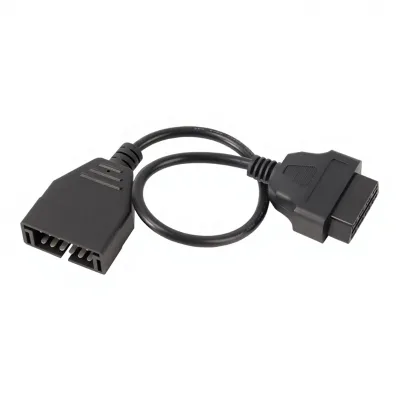
Launch Chrysler 12+8 Diagnostic Cable
MOQ: 1 Pieces
Guangzhou Xinyue Electronic Technology Co., Ltd.
- Trading Company
- Lead time旺季: "1 - 1000":7,"> 1000":"To be negotiated", 淡季: "1 - 1000":7,"> 1000":"To be negotiated"
- Avg. response≤ 2h
Main productsCar Diagnostic Tool,Vehicle Key Shells,Smart Watch straps and chargers,Electronics,Adapter cables

Shenzhen Carsun Electronic Technology Co., Ltd
- Verified by CTI
- Combined
- China Guangdong
- Lead time30 days
- Avg. response≤ 1h
Main marketsDomestic,Europe
- Verified by TüVRheinland
- Manufacturer, Trading Company
- Guangdong, China
- Lead time15 days
- Avg. response≤ 2h
Main productsPCBA, Cable, Connector
Main marketsNorth America(25%), Domestic Market(23%), South America(15%)
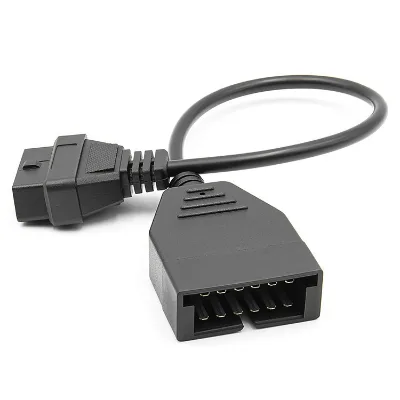
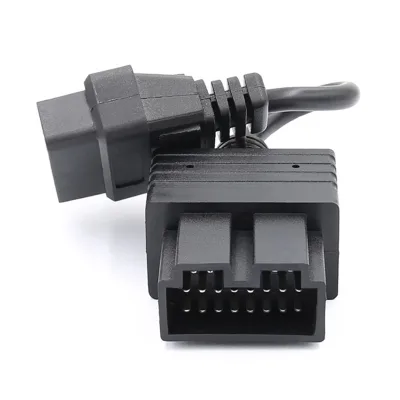
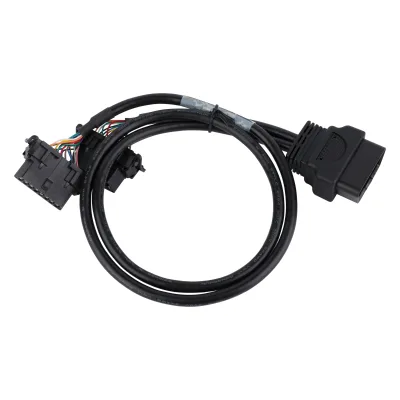
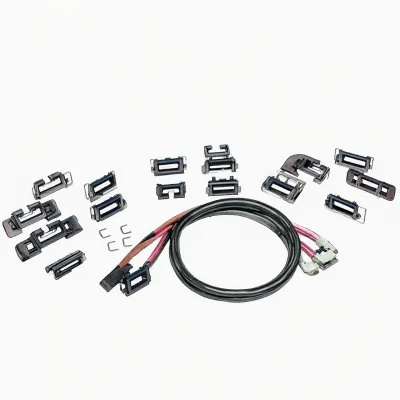
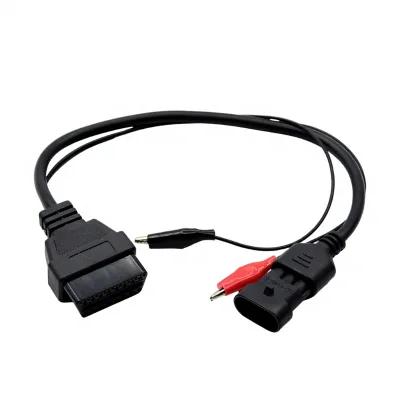
Custom Cables Universal OBD2 OBDII OBD T-Harness With Brackets16 Pin Y Cable Line
$10.50 - $13.50
MOQ: 1 pieces
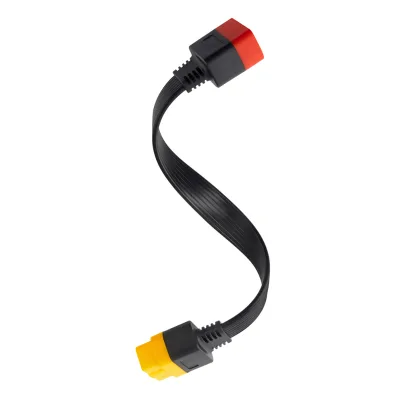
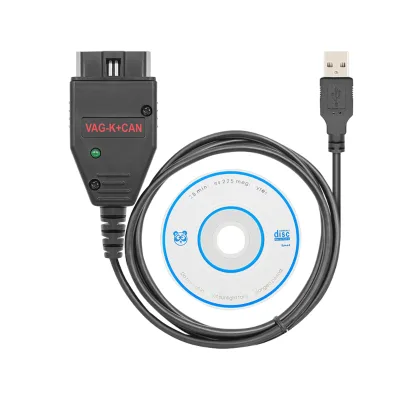
Automobile Fault Diagnosis and Diagnosis System OBD2
$7.25 - $7.80

- Verified by SGS
- Combined
- China Guangdong
- Lead time15 days
- Avg. response≤ 3h
Main productsWire Harness, Wireharness, Wiring Harness, Harness Assemlby, Cable Harness, Cable Assembly, Gasket Harness, Harness Kits, Edgarcn, Wire Harnesses
Main marketsSoutheast Asia/ Mideast,East Asia(Japan/ South Korea),Europe,Australia,North America


High-Quality OBD II J1962 Diagnostic Cable for Accurate Vehicle Analysis
$99.00 - $100.00
MOQ: 5000 Pieces


Jiangxi Yoojo Technology Co., Ltd.
- Verified by SGS
- Combined
- China Jiangxi
- Lead time15 days
- Avg. response≤ 4h
Main productsFuse, Fuse Holder, Circuit Breaker, Fuse Box, Bus Bar, Ntc, Wiring Harness, Connector
Main marketsDomestic
Dongguan Guangao Electronic Technology Co., Ltd.
- Verified by SGS Group
- Manufacturer, Trading Company
- Lead time15 days
- Avg. response≤ 3h
Main productsCable Assembly, Wire Harness, Audio Cables, USB Hubs, Chargers
Main marketsDomestic Market(40%), North America(15%), Eastern Asia(8%)
Shenzhen Boyna Technology Co., Ltd.
- Verified by SGS Group
- Trading Company
- Lead time30 days
- Avg. response≤ 5h
Main productsCar Diagnostic Tool, Automotive Code Reader, OBD Cables and Connector, Battery Tester and Charger, Car ECU Programming Tool
Main marketsEastern Europe(30%), North America(15%), Southern Europe(15%)
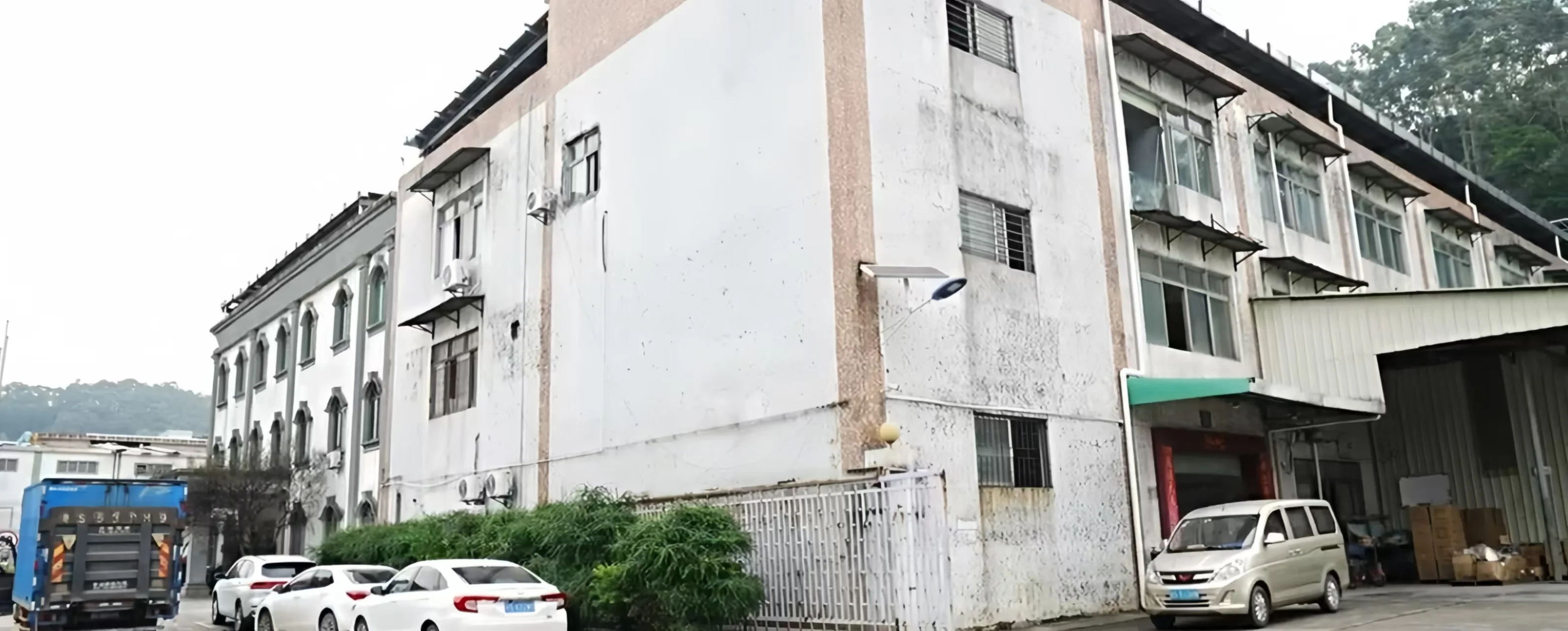
Dongguan Henuoweiya Electronic Technology Co., Ltd.
- Manufacturer, Trading Company
- Guangdong, China
- Lead time7 days
- Avg. response≤ 1h
Main productsVehicle diagnostic line,VGT wire
Main marketsCentral America(10.00%), Western Europe(10.00%), Eastern Asia(10.00%), Mid East(10.00%), Oceania(10.00%), Africa(10.00%), Southeast Asia(10.00%), Eastern Europe(10.00%), South America(10.00%), North America(10.00%)
Chengdu Daobo Technology Co., Ltd.
- Trading Company
- Sichuan, China
- Lead time2 days
- Avg. response≤ 4h
Main productsDiagnostic tools,Key programmer,Ecu tools,Remote keys/Car Key shell,key cutting machine
Main marketsAfrica(25.00%), South Asia(12.00%), South America(10.00%), North America(10.00%), Eastern Asia(9.00%), Mid East(8.00%), Southeast Asia(8.00%), Central America(5.00%), Eastern Europe(3.00%), Western Europe(3.00%), Oceania(2.00%), Southern Europe(2.00%), Northern Europe(2.00%), Domestic Market(1.00%)

Shenzhen Cozy Electronics Co.,Ltd.
- Verified by CTI
- Combined
- China Guangdong
- Lead time15 days
- Avg. response≤ 3h
Main productsauto-fuse, auto-fuse holder, current fuse, current fuse holder, temperature fuse, SMD fuse, resettable fuse
Main marketsSouth America,Africa,Southeast Asia/ Mideast,East Asia(Japan/ South Korea),Domestic,Europe,Australia,North America

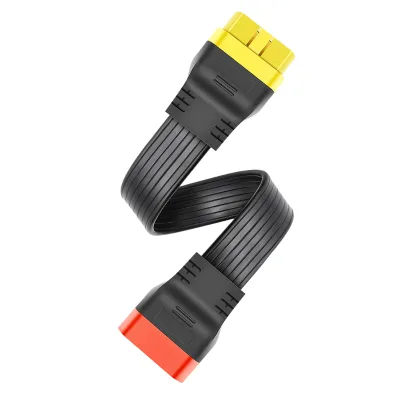
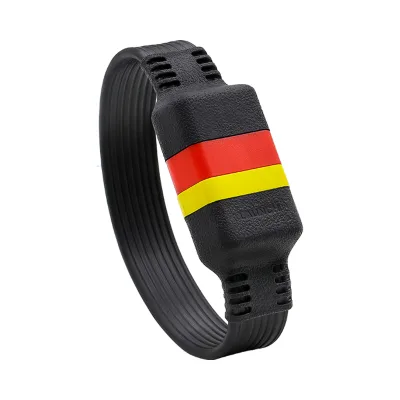
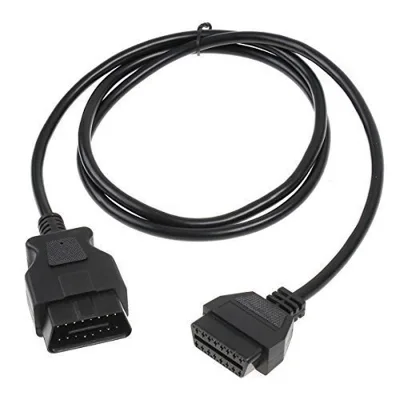
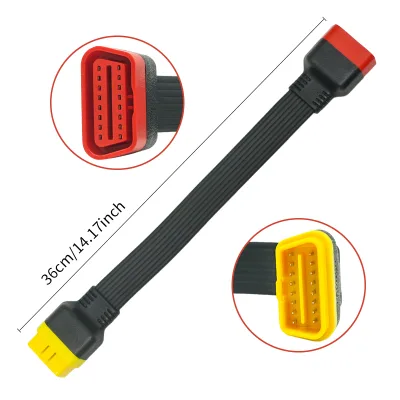
OBD2 Extension Cable OBD 16pin Male to Female for Auto Car Diagnostic Tool Scanner
$2.20 - $3.00
MOQ: 10 Pieces

Hot Sale OBD2 Obdii 16pin Male Female Connector Plug Diagnostic Y Cable Harness for Code Reader
$3.00 - $3.50
MOQ: 10 Pieces
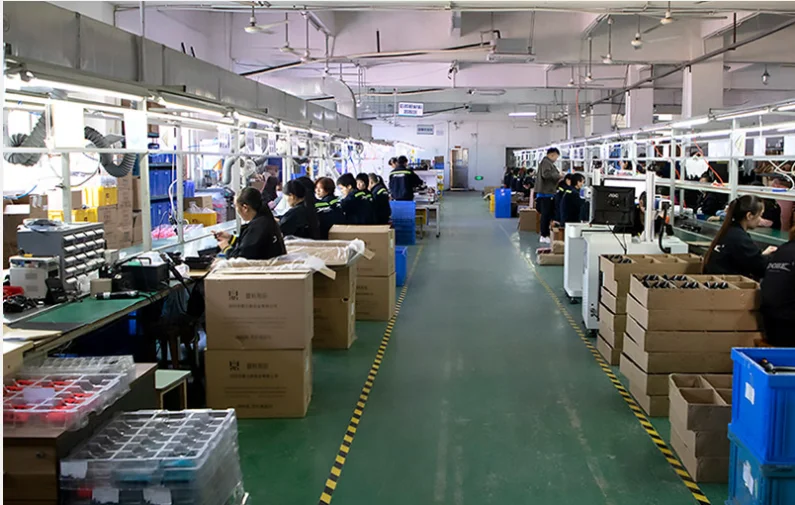
Shenzhen Kepalaisi Technology Co., Ltd.
- Manufacturer, Trading Company
- guangdong, China
- Lead time0 days
- Avg. response≤ 2h
Main productsgamepad,cable,earphone,bag,adapter
Main marketsNorth America(50.00%), Eastern Europe(30.00%), Mid East(10.00%), South America(10.00%)
Shenzhen Clover Technology Co., Ltd.
- Manufacturer
- guangdong, China
- Lead time7 days
- Avg. response≤ 9h
Main productsAutomotive Diagnostic Tool,DIY Professional Diagnostic Tools,Tire Pressure Monitoring System,OBD2,Elm327
Main marketsNorth America(30.00%), Eastern Europe(15.00%), Southeast Asia(10.00%), Northern Europe(10.00%), Southern Europe(5.00%), South America(5.00%), Central America(5.00%), Western Europe(5.00%), Mid East(5.00%), Oceania(5.00%), Africa(5.00%)
Hangzhou Qinlai Technology Co., Ltd.
- Trading Company
- Zhejiang, China
- Lead time0 days
- Avg. response≤ 2h
Main productsAC Recovery and Filling Machine, Car Chassis Suspension Abnormal Noise Tester, Automobile Exhaust Analyzer, Car Headlight Tester
Main marketsDomestic Market(100.00%)

QCconnector (Shenzhen) Electronics Co., Ltd
- Verified by TUVRHEINLAND
- Combined
- China Guangdong
- Lead time15 days
- Avg. response≤ 13h
Main productsWire Harness, Custom Wiring Harness, Connector, Terminal, OEM/ODM
Main marketsSoutheast Asia/ Mideast,East Asia(Japan/ South Korea),Domestic,Europe,North America

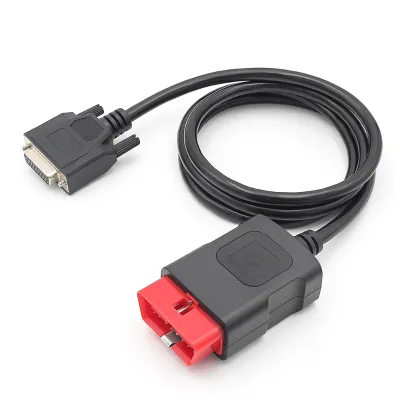
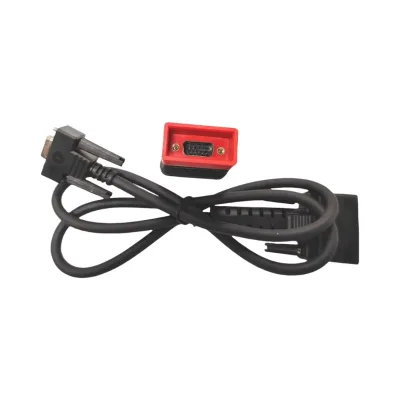
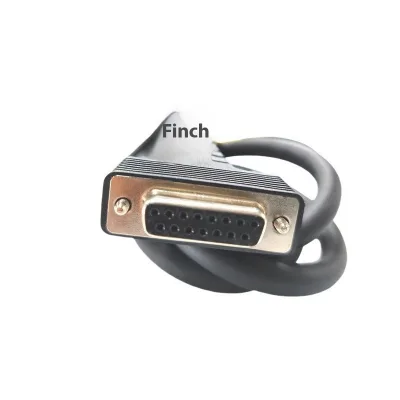
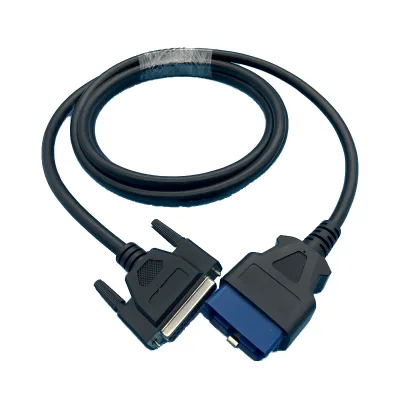
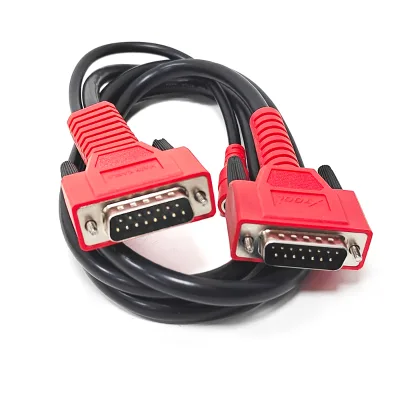
OEM and ODM OBD Cable Harness Od 7.0 16 Pin OBD2 to dB15p Car Diagnosis Tool
$2.45 - $2.95
MOQ: 10 Pieces


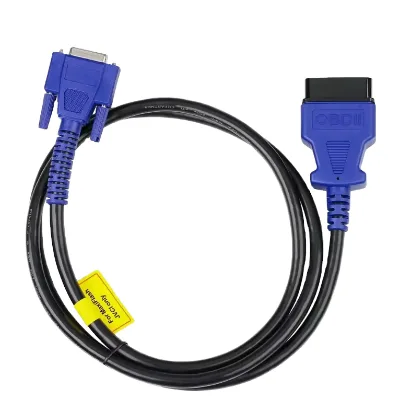
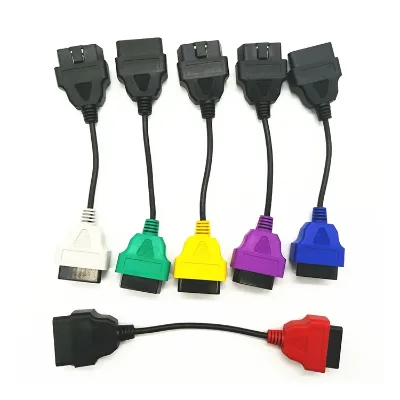
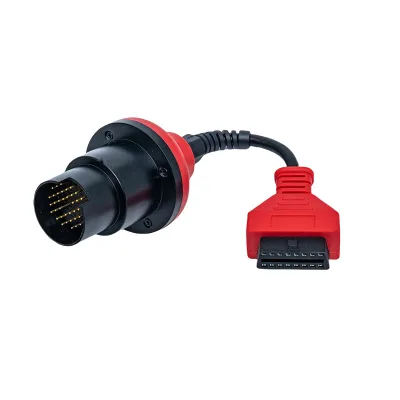


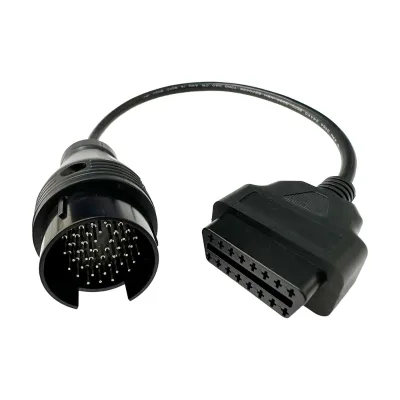
Comprehensive Sourcing Guide
Automobile Diagnostic OBD2 Main Cable Supplier Concentration and Factory Types
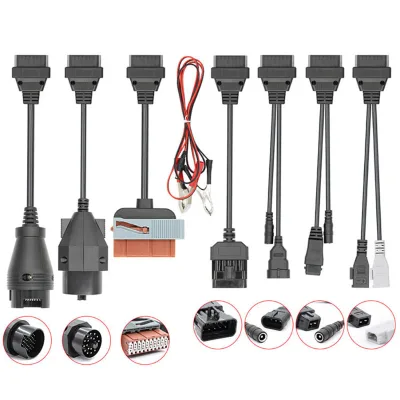
Suppliers of Automobile Diagnostic OBD2 Main Cable products on this results page are concentrated in China, with Hunan and Guangdong represented as confirmed locations. Guangdong suppliers in this category list OBD2 cables, Deutsch J1939 cables, J1708 cables, J1962 connectors and related diagnostic harnesses as main products, which signals a dedicated vehicle-diagnostic cabling specialization. Hunan-based results combine wiring harness manufacturing with automotive connectors, power cords and cable assemblies, suggesting a broader electrical assembly base. When evaluating any results page, buyers should tabulate location fields and main-product lists before contacting anyone, because a supplier whose catalog is dominated by diagnostic cables will typically understand 16-pin connector variants, pinouts and overmolding better than a general wire assembler.
Company types also vary in ways that affect sourcing. This page shows trading company, manufacturer/factory, and combined structures, so buyers cannot assume every listing is a factory. A combined or factory-type supplier may support customization in-house, while a trading company may aggregate multiple workshops and add a margin but offer wider product breadth. Research and development capability labels matter here: this page shows OEM, ODM and combined OEM/ODM capacity entries, which affect whether you can supply a custom pinout, connector brand preference or cable length. Verify factory claims with a business license, a live video walkthrough of the cabling and crimping lines, and a request for references from automotive or diagnostic-tool customers rather than relying on the displayed label alone.
How to Verify Automobile Diagnostic OBD2 Main Cable Suppliers
Verification should begin with the third-party evidence displayed on the platform and end with your own checks. On this results page, verification marks include SGS and TÜV Rheinland, and system certifications shown include ISO 9001 and ISO9001:2015. These are useful screening signals, but a buyer should confirm the certificate number and scope directly with the issuing body, since a quality management certificate does not by itself prove competence in automotive diagnostic cabling. Ask for the specific product certifications cited on the listings, which here include CCC, RoHS, VDE, CE and ISO references, and request copies of test reports for the exact cable model you intend to order, not just a family datasheet.
Next, verify production reality. For a main diagnostic cable, request the test regime in writing; one supplier on this page states 100 percent open, short and mis-wire testing, contact resistance of 3 ohms maximum, insulation resistance of 5 megohms minimum, and DC300V withstand testing, which gives you a concrete checklist to demand from any candidate. Order a paid sample from each shortlisted supplier, ideally with your target length, connector and labeling, and inspect crimp quality, shell molding and pin retention. Finally, verify responsiveness under real conditions: response time labels on this page range from under one hour to about three hours, so record how quickly each supplier answers technical questions during sampling, since that behavior predicts post-order support better than any badge.
What to Compare Across Automobile Diagnostic OBD2 Main Cable Suppliers
Build a comparison table using the attributes actually displayed, without assuming every supplier shows the same fields. Useful dimensions on this page include location (Hunan versus Guangdong), company type, verification body, system certification, response time, lead time, OEM/ODM capacity and main products. Lead times shown range from 15 to 23 days, a meaningful gap when you are syncing cable deliveries with diagnostic-tool assembly schedules. Response times range from roughly 0.77 to 3.01 hours; treat fast response as a proxy for account management quality, then test it yourself with a detailed technical enquiry and compare reply substance, not just speed.
Product-level fields deserve equal weight. Minimum order quantities on this page range from 1 unit to 100 and 200 units depending on the cable model, which matters if you are validating a design or serving a low-volume repair market. Unit prices for listed OBD2 diagnostic cables span roughly 1 to 15 dollars at the low end and cluster between about 2.70 and 8.99 dollars on specific models, so normalize comparisons by length, conductor material, shielding and connector specification rather than headline price. Also compare customization depth: some listings state customization available with OEM or equivalent connectors, terminals and switches, while others only offer stock configurations. Check packing formats (carton versus poly bag), product model numbering discipline and whether the supplier publishes testing specifications for each cable.
Common Automobile Diagnostic OBD2 Main Cable Sourcing Risks
The most frequent risk in this category is electrical mismatch. An OBD2 main cable must preserve the correct pinout between the 16-pin J1962-style connector and the tool end, and mis-wired or high-resistance connections cause intermittent fault codes or communication failures that are expensive to diagnose downstream. Mitigate this by requiring 100 percent continuity, short and mis-wire testing plus withstand voltage checks in the purchase specification, mirroring the parameters some suppliers publish, and by refusing shipments tested only by sampling. A second risk is connector quality: cheap imitations of OEM connectors may fit loosely, crack during overmolding or corrode, so specify connector brand or approved equivalents and inspect first-article samples carefully.
Commercial and compliance risks follow. A supplier's displayed certification may cover the management system rather than the cable, and product-level marks such as CE, RoHS or CCC must be verified per model before you import into regulated markets. Lead-time risk appears when a supplier quotes a short production window but sources connectors externally; a 15-day promise can slip if a connector is out of stock, so confirm connector inventory before committing a schedule. MOQ risk arises for buyers needing small validation runs, since 100 or 200-piece minimums raise trial costs compared with 1-piece listings that may target samples or low-volume aftermarket work. Finally, confirm the operating entity behind a combined trading-and-manufacturing profile so warranty claims reach the party actually responsible for the cable.
Automobile Diagnostic OBD2 Main Cable Regional Sourcing and Logistics
Within this results page, the confirmed sourcing regions are Hunan and Guangdong provinces in China. Guangdong, and Shenzhen in particular as a listed product origin, sits within one of China's densest electronics manufacturing zones, which typically shortens the distance between connector suppliers, cable workshops and freight forwarders; several listed products originate in China Shenzhen. Hunan represents a central-China manufacturing base where wiring harness and connector production coexists with broader electrical product lines. Buyers should treat location as a proxy for component availability and freight routing, then verify it directly: ask where the connectors, copper conductors and overmolding compounds are sourced, and whether final assembly and testing happen in the same facility that quoted your order.
Logistics planning should account for product specifics. Diagnostic cables are compact and lightweight, so air freight is viable for samples and urgent top-ups, while sea freight suits recurring volume orders; carton packing versus poly bag packing, which appears in listed product attributes, affects dimensional weight and retail readiness. Confirm export experience for destination-market labeling, harmonized tariff classification for diagnostic cable assemblies, and whether the supplier supports consolidated shipments with other harness products. Build buffer into the quoted lead time, since the displayed range of 15 to 23 days excludes transit and customs. Before the first production order, agree on Incoterms, carton markings, pallet configuration and who books the freight forwarder, then document these in the purchase contract to avoid disputes at shipment time.
Automobile Diagnostic OBD2 Main Cable Commercial Terms and Order Planning
Negotiate commercial terms only after technical validation is complete, because price leverage comes from a locked specification. Use the displayed price ranges as anchors, not commitments: listed diagnostic cables on this page quote anywhere from about 1 to 15 dollars depending on model, and specific 16-pin cables cluster between roughly 2.70 and 8.99 dollars, with 2-to-4-pin connector cables near 5 to 5.50 dollars. Always tie a quoted unit price to cable length, conductor material, shielding, connector type and test regime, then request tiered pricing at your target volumes. Match MOQ to your stage: a 1-piece minimum suits sampling and small aftermarket demand, while 100- or 200-piece minimums fit production batches.
Payment and order structure should protect both sides. For a first order, consider staged payment, such as a deposit with balance after pre-shipment inspection, and use whatever escrow or platform-backed payment protection is available, then verify its actual coverage rather than assuming it. Write lead time, quality acceptance criteria and remedy terms into the contract: if the supplier claims 15 or 23 days, define whether that starts at deposit, drawing approval or component arrival. Plan ongoing supply by forecasting volume quarterly, holding safety stock for long-lead connectors, and requesting model-number continuity, since catalogs show numbered models and packing changes can affect your receiving process. Finally, schedule requalification annually, re-checking certifications and test reports to catch silent specification changes.
(final counts: six sections; sections approx. 226, 230, 229, 231, 228, 230 words; total ≈ 1374 words)
FAQs
What certifications do OBD2 diagnostic cables typically hold?
Most available cables carry ISO, RoHS, and CE certifications. Some suppliers also provide CCC and VDE approvals for specific markets. Buyers should verify the exact certification list on the product page to ensure compliance with regional automotive standards and safety regulations before placing orders.
What is the typical lead time for these cables?
Lead times generally range from 15 to 23 days depending on the supplier and order volume. Manufacturers in China often quote around 15 to 23 days for production. Buyers should confirm the exact delivery schedule with the supplier, as rush orders may incur additional fees or require expedited shipping.
What is the minimum order quantity for OBD2 cables?
Minimum order quantities vary significantly, ranging from 1 unit for samples to 200 units for bulk production. Some suppliers allow single-unit purchases for testing purposes. Others require higher MOQs to qualify for wholesale pricing. Buyers should check the specific product listing to determine the applicable MOQ for their needs.
What is the price range for universal OBD2 cables?
Prices typically range from $1.00 to $15.00 per unit for standard cables. Specific models may cost between $2.70 and $8.99 depending on features and customization. Bulk orders often reduce the per-unit cost. Buyers should request detailed quotes to understand pricing tiers based on quantity and specific cable specifications.
Are OEM and ODM services available for these cables?
Yes, many suppliers offer both OEM and ODM services for custom cable assemblies. Buyers can request customized lengths, connectors, and packaging options. Some manufacturers also support branded labeling and specific material requirements. This flexibility allows businesses to tailor diagnostic cables to their specific brand identity and technical requirements.
What materials are used in OBD2 diagnostic cables?
Cables typically use copper wire conductors with PVC insulation and bandaging materials. Some products feature tinned copper for enhanced conductivity and corrosion resistance. The connectors are often made from durable plastics or metals. Buyers should verify material specifications to ensure compatibility with their diagnostic tools and environmental conditions.
How quickly do suppliers respond to inquiries?
Response times vary, with some suppliers responding within 0.77 hours and others taking up to 3.01 hours. Faster response times often indicate higher availability and customer service efficiency. Buyers should prioritize suppliers with quick response times to ensure timely communication regarding quotes, samples, and order status updates.